
Why the Aegean Hills Are Made for Easy Cycling
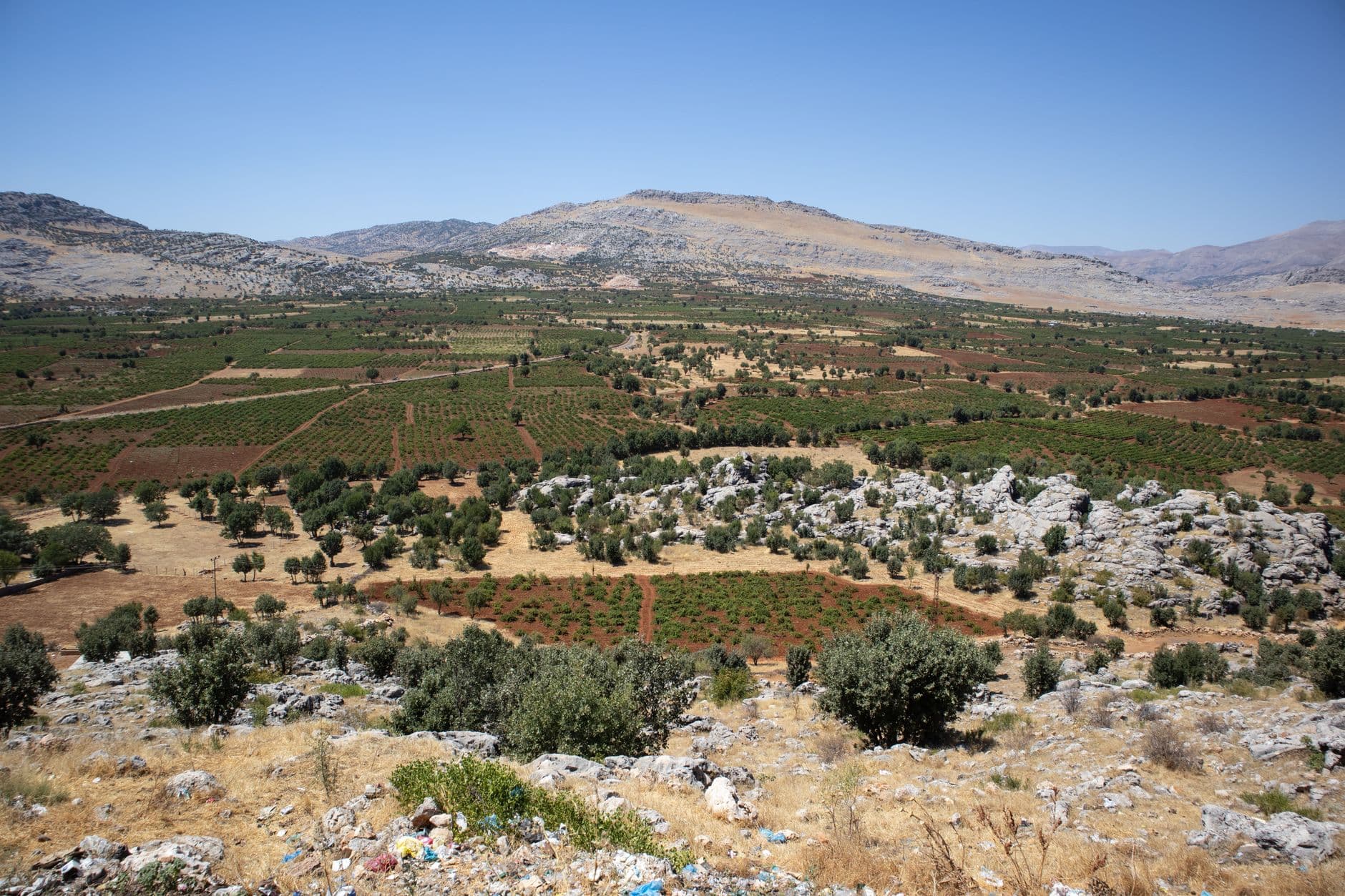
There is a stretch of countryside between the Aegean coast and the pine-covered hills behind it where the roads seem designed for bicycles. Olive groves roll away in silver-green waves, dry-stone walls separate small plots, and the scent of thyme follows you for kilometres. The gradients are gentle, the traffic is mostly tractors and scooters, and there is almost always a village café within twenty minutes of pedalling.
This is not alpine cycling. It is the kind of riding where you can chat while you go, stop to photograph a goat on a wall, and arrive at a picnic spot still fresh enough to enjoy the food. The Aegean hills around places like Ayvalık, Assos, Seferihisar, Urla and the meadows north of Kuşadası offer exactly this: half-day loops of 15 to 40 kilometres that reward you with views, groves and genuinely warm village hospitality.
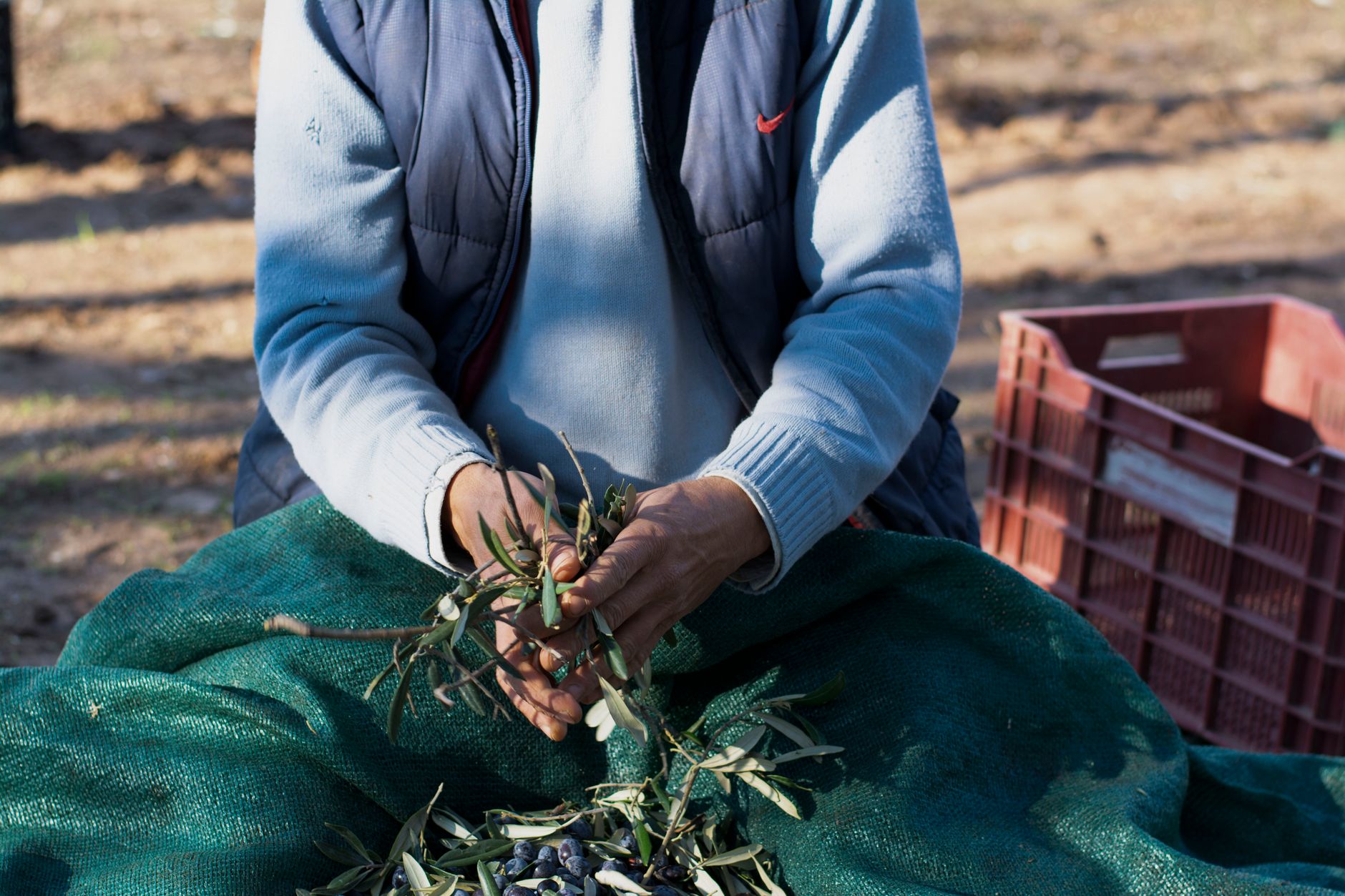
Late October is arguably the sweetest window. The olive harvest is beginning, the summer crowds have gone, the light turns golden by four in the afternoon, and the air is cool enough that a few gentle climbs feel like a pleasure rather than a chore. That makes this the perfect season to plan a slow ride through olive country.
If you are building a longer trip around the region, it helps to know how the Aegean fits into the wider country. Our best-time guide explains how the shoulder months shift from north to south, and the destinations section covers the coastal towns that make good base camps for these rides.
Three Gentle Olive-Country Loops Worth the Pedal
The Ayvalık–Cunda Groves
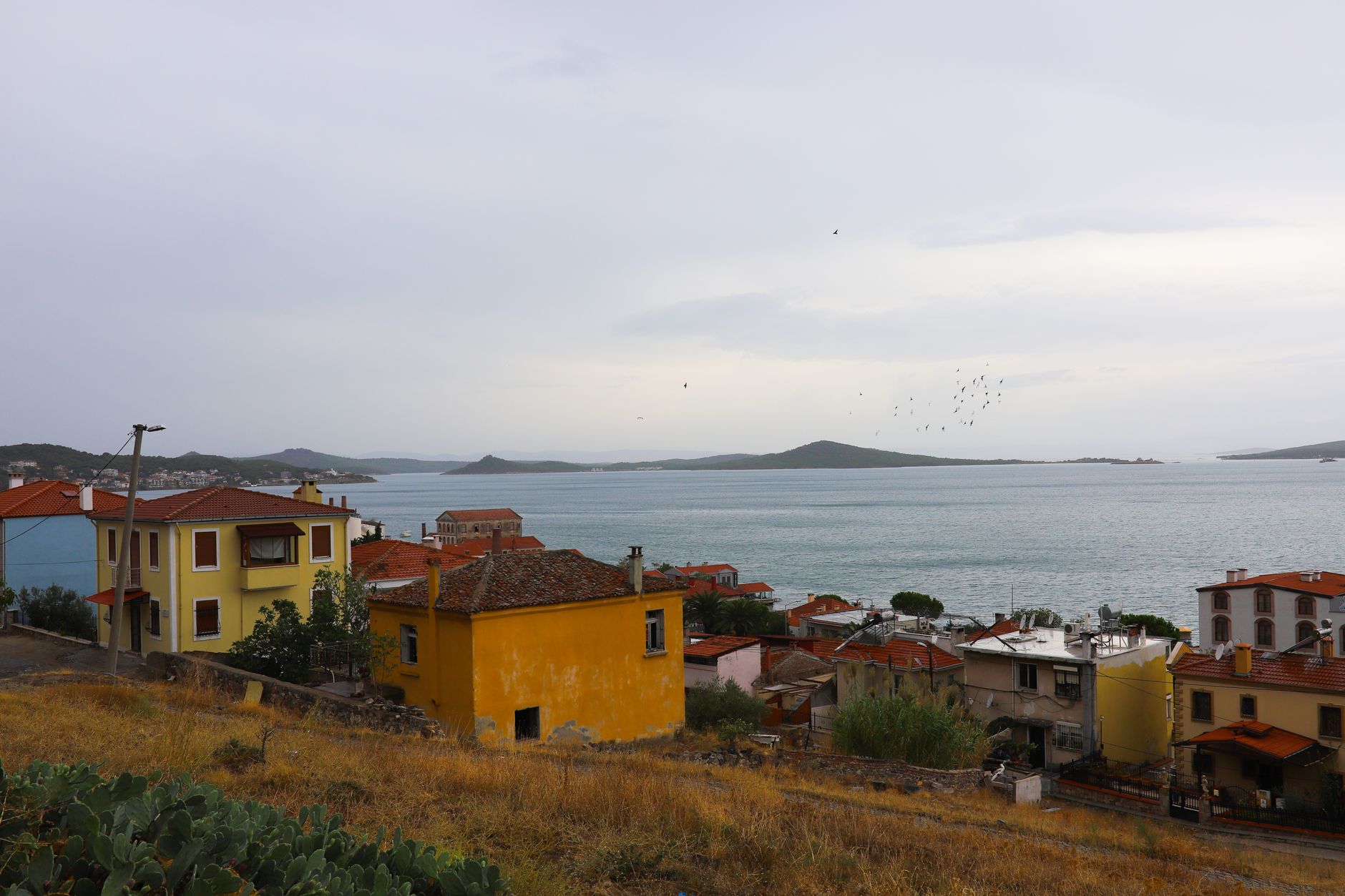
Start in Ayvalık, cross to Cunda island by bridge, and follow the quiet back lanes past stone houses and tavernas. The southern lanes loop through olive groves with the sea flashing between the trees. The full circuit is around 25 kilometres with only a couple of short rises. Leave time for a mid-morning simit and tea on the waterfront before you push on.
The Assos Terraces
South of the ancient harbour at Behramkale, lanes climb gently through terraced groves towards villages like Kızılköy and Sazlı. It is hillier than Ayvalık, so an e-bike makes a big difference. Ride up in the cool morning, picnic at a viewpoint with the temple of Athena above you, then coast down to the harbour for a swim before the light fades.
The Urla Peninsula Backroads
West of İzmir, the Urla peninsula has quietly become a hub for small wineries, olive presses and farm cafés. A 30-kilometre loop between Urla, Balıklıova and the coastal lanes gives you rolling hills, quiet asphalt and plenty of places to stop. It is one of the easiest areas in the country to hire a bike for a day, and the roads stay friendly even in high season.
These routes weave between small guesthouses, olive-oil workshops and swimming coves, which makes them easy to stitch into a bigger route. Our routes hub and itineraries show how a few days of gentle riding can sit alongside a coastal holiday.
Bike Rentals: What to Expect and How to Book
Dedicated bike shops are concentrated in İzmir, Ayvalık, Çeşme and Urla, and most rentals run from 300–600 TL per day for a decent hybrid. A quality e-bike costs more, typically 700–1,200 TL, but it flattens the Aegean hills beautifully and lets mixed-ability groups ride together.
Book a day or two ahead in spring and autumn, and a week ahead in July and August. Ask three questions before you pay: does the price include a helmet and lock, is there a spare tube and pump in the bag, and what is the pick-up and drop-off window? Good shops will also sketch a loop on a map and mark the villages with the best water taps.
Bring your own padded shorts and gloves if you can. Saddle comfort matters more than bike weight on these short, unhurried rides. A front basket or small pannier is genuinely useful for carrying picnic supplies, and most rental shops will fit one on request.
If you would rather hand the logistics to someone local, the experts listed here can arrange bikes, transfers and guided loops. The travel tools page is handy for planning distances and packing lists before you go.
Picnic Provisions: What to Buy and Where
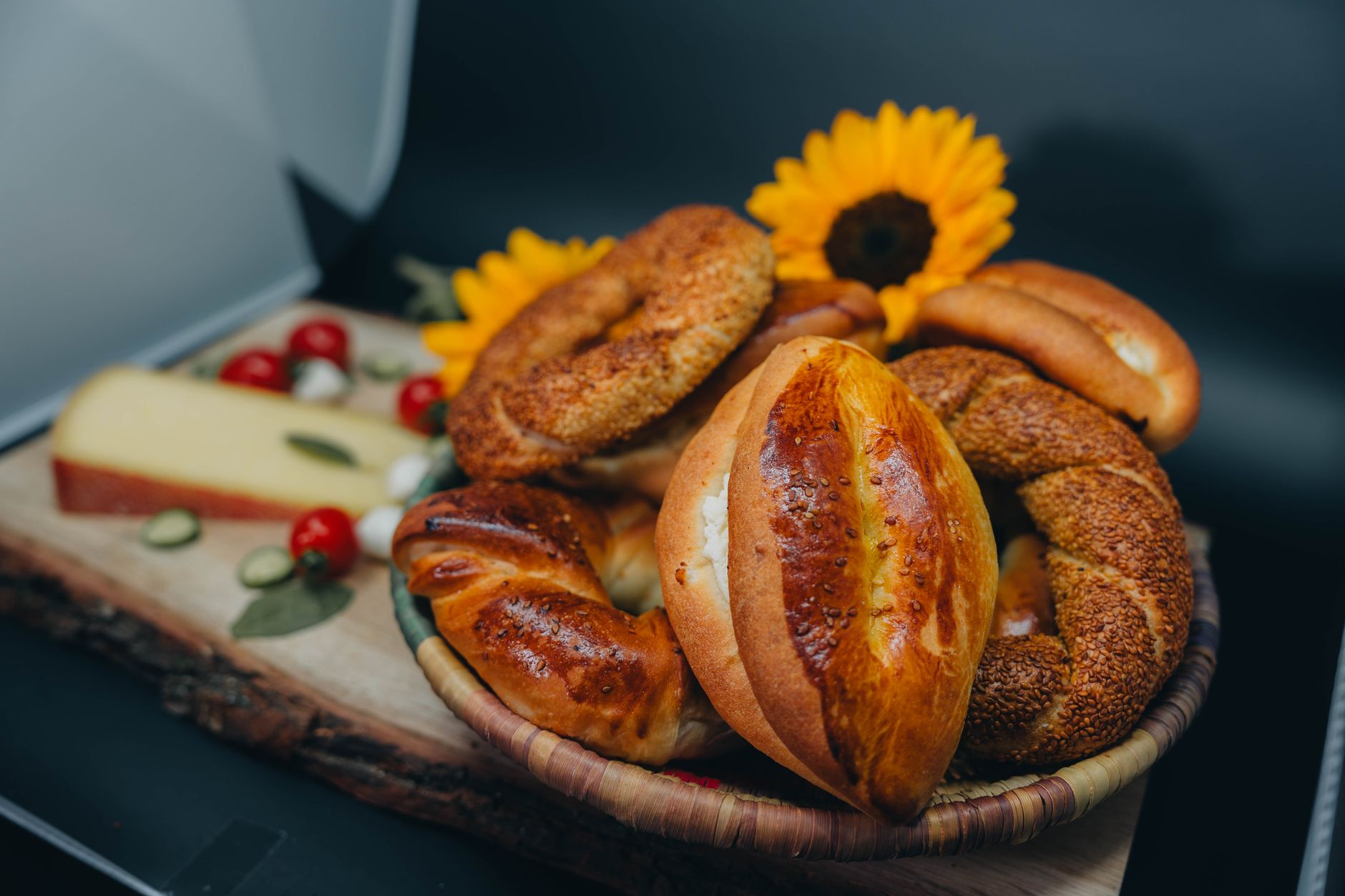
The Aegean is one of the easiest places on earth to assemble a picnic. A village bakery will sell you warm bread and a bag of simit; the market will have tomatoes, cucumbers, peppers and a bunch of parsley; and a small shop will have white cheese, olives, yogurt and honey. Add a jar of local olive oil, some dried figs and a bottle of cold water and you have a feast.
Look for these local stars:
- Ayvalık olive oil — grassy, peppery and sold straight from the press in autumn.
- Urla cheeses — especially the fresh, salted varieties that travel well in a cool bag.
- Village bread — buy it the morning you ride; it is at its best within hours.
- Seasonal fruit — figs, grapes and pomegranates depending on the month.
- Local honey and thyme — small, light and perfect for a saddlebag.
Carry a light cool bag, a small knife, a reusable cloth and a bag for your rubbish. Village shops often have ice and cold water, and nobody minds if you ask to refill a bottle. A folding picnic blanket is worth its weight when you find the perfect olive-shaded spot.
Shaded Stops, Water and Turkish Hospitality
The best picnic spots are rarely marked on any map. Look for a plane tree beside a village fountain, a stone wall under an old olive tree, or a tea house with plastic chairs under a vine. Villagers will often wave you towards the shade and, within minutes, someone will offer tea. Accept it. This is one of the great pleasures of rural riding in Türkiye.
Water is easy to find but not always obvious. Fountains (çeşme) sit at village entrances and junctions, and most are safe to drink, but carry a filter bottle or purification tablets if you are cautious. Cafés will happily fill your bottle for free, and a small tip for the tea you drink is always appreciated.
Afternoon heat is the main thing to plan around. Ride in the morning, picnic from noon to two in deep shade, and finish by late afternoon. Long sleeves and a hat protect you from the sun, and insect repellent is useful near the olive presses in autumn. The hospitality more than makes up for any minor discomfort: expect invitations to sit, to eat, and to see the family's press or the best view from the roof.
Riding Respectfully Through Village Life
These lanes pass through working farmland. Keep to the road, close gates behind you, and never pick olives or fruit without asking. Cyclists who greet farmers, slow down for sheep and use a bell politely are welcomed back year after year.
Dress modestly when you stop in villages, especially away from the coast. A light shirt over a cycling top is enough, and it also keeps the sun off. Learn a few words — merhaba, teşekkürler, afiyet olsun — and watch how much warmer every interaction becomes.
Finally, leave no trace. Pack out everything you bring, and if you are given tea, return the glass to the café. The olive groves are beautiful because generations have cared for them; a few small courtesies keep them that way for the riders who come next.
Ready to plan your own slow loop? Browse the guides for region-by-region advice, or start with the trip planner to build a route around your dates. The Aegean hills, a rented bike and a well-stocked picnic basket are waiting.
Thinking about a trip to Turkey?
Share your contact details and a vetted local expert will follow up with a plan built around you — free, no obligation.