

The Warmth of an Aegean Kitchen
Imagine sitting at a worn wooden table in a stone village house, the scent of olive oil and fresh herbs filling the air. A Turkish grandmother—call her Ayşe or Fatma—hands you an apron and a knife, and within minutes you're rolling vine leaves or stuffing peppers. This isn't a cooking demonstration; it's an invitation into a home, a culture, and a way of life. In the Aegean villages of Turkey, cooking classes led by local women have become one of the most meaningful travel experiences you can have. They're not staged performances. They're real, messy, fragrant, and deeply human.
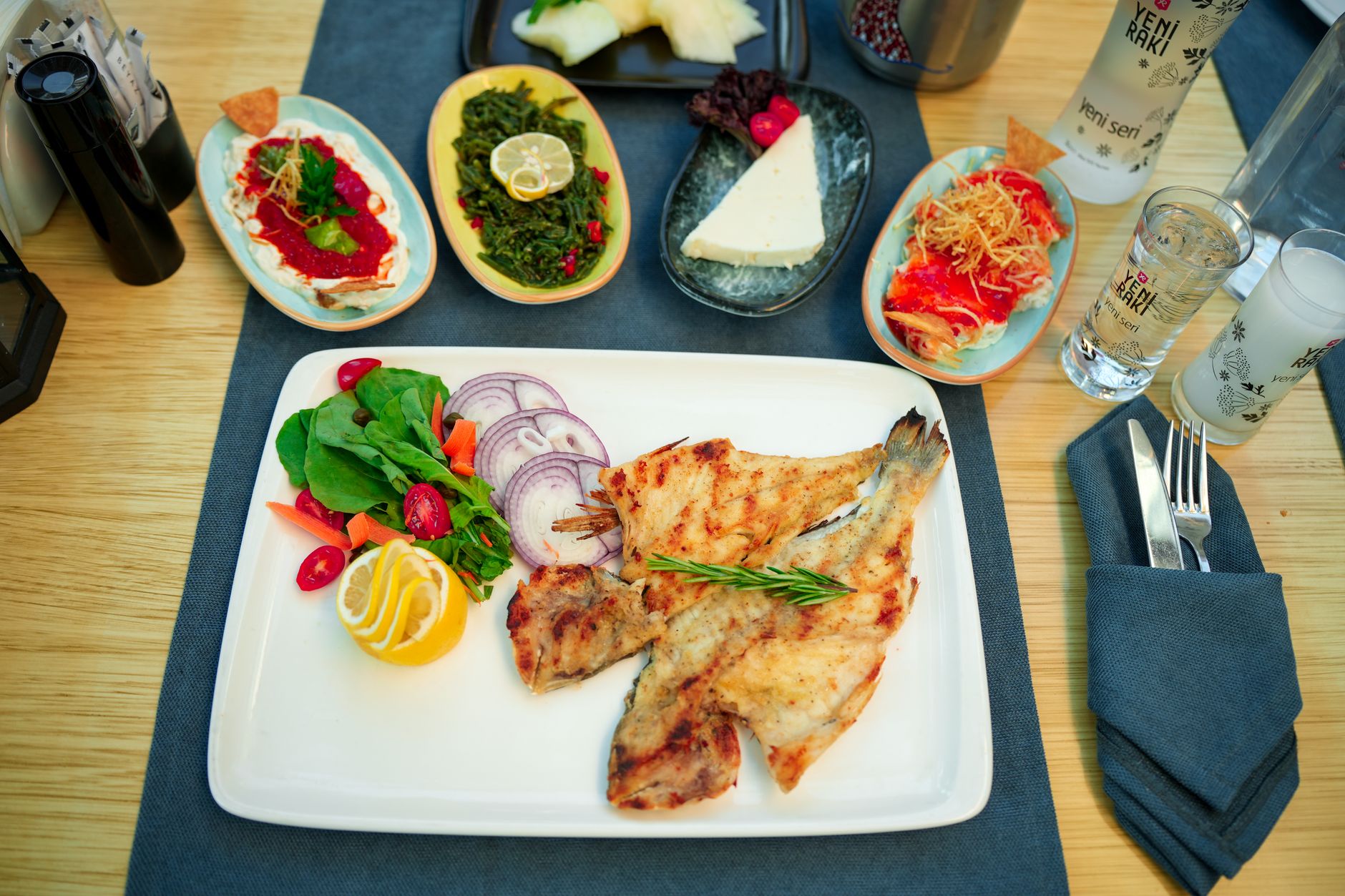
The Aegean region is the heartland of Turkish olive oil cuisine. Here, zeytinyağlı dishes—vegetables cooked with olive oil and served at room temperature—reign supreme. From artichoke hearts to green beans, from leeks to dried eggplant, these dishes are the daily bread of village tables. Learning to make them with the women who have perfected them over decades is a privilege. You don't just leave with recipes; you leave with a connection to a place and its people.
What Makes Zeytinyağlı So Special?
Zeytinyağlı literally means "with olive oil" in Turkish. It refers to a whole category of dishes where vegetables, legumes, or grains are cooked slowly in olive oil, often with onions, tomatoes, and a touch of sugar. They're served cold or at room temperature, making them perfect for summer meals. The magic lies in the simplicity and the quality of ingredients: a good olive oil, fresh seasonal vegetables, and herbs picked from the garden.
In Aegean villages, zeytinyağlı is more than food; it's a philosophy. It's about preserving the bounty of the season, about hospitality, and about sharing. Grandmothers will tell you that the secret is patience—letting the flavors meld overnight. They'll also tell you that every family has its own twist. Some add a squeeze of lemon at the end, others a pinch of sugar. Learning these nuances is what makes a hands-on class so rewarding.
You'll discover dishes like zeytinyağlı yeşil fasulye (green beans in olive oil), zeytinyağlı enginar (artichokes with peas and carrots), yaprak sarma (stuffed vine leaves), and zeytinyağlı pırasa (leeks with rice). Each has a story, and each is a staple of the Aegean table. The classes often include these classics, but the exact menu depends on what's growing in the garden that day.
Finding a Reputable Cooking Class
Not all cooking classes are created equal. To ensure an authentic and respectful experience, look for classes that are run by local women in their own homes or in community centers. Many are advertised on platforms like Airbnb Experiences, Viator, or local tourism websites, but the best ones are often found through word of mouth or small boutique travel agencies that specialize in cultural immersion.
Check reviews carefully. Look for mentions of hands-on participation, small group sizes, and a warm atmosphere. Avoid anything that feels like a large commercial operation where you're just one of fifty tourists. The ideal class has no more than eight participants, so you can actually interact with the host. Also, consider the location: villages like Şirince, Alaçatı, and Assos are known for their culinary traditions and have several reputable options.
It's also worth asking about language. Many grandmothers speak limited English, but they often have a younger family member or a translator to help. This adds to the charm—you'll learn a few Turkish words along the way. Don't be shy about asking questions beforehand: What will we cook? How long does it last? Can you accommodate dietary restrictions? A good host will be happy to answer.
A Typical Session: From Garden to Table
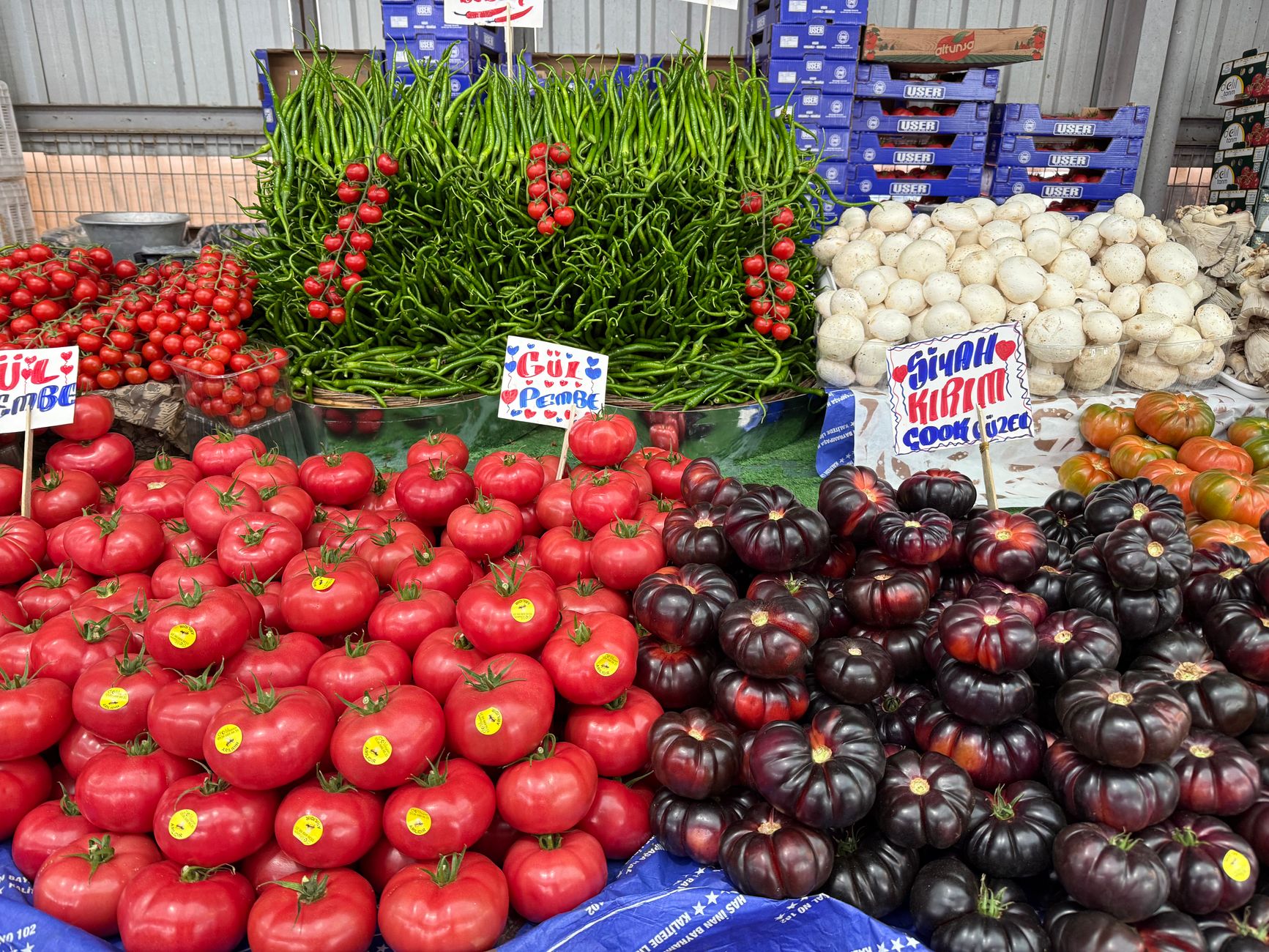
A typical Aegean cooking class lasts three to five hours, often starting in the late morning. You'll begin with a welcome tea or Turkish coffee, then head to the garden to gather vegetables and herbs. This is where you'll learn to identify fresh mint, parsley, dill, and maybe even wild greens like semizotu (purslane). The grandmother will show you how to choose the best produce—a skill passed down through generations.
Back in the kitchen, you'll wash, chop, and prepare the ingredients together. You might roll vine leaves, stuff peppers, or trim artichokes. The pace is relaxed; there's no rush. As you cook, your host will share stories about her family, her village, and the traditions behind each dish. You'll learn techniques like how to layer flavors, when to add salt, and why olive oil should be added at different stages.
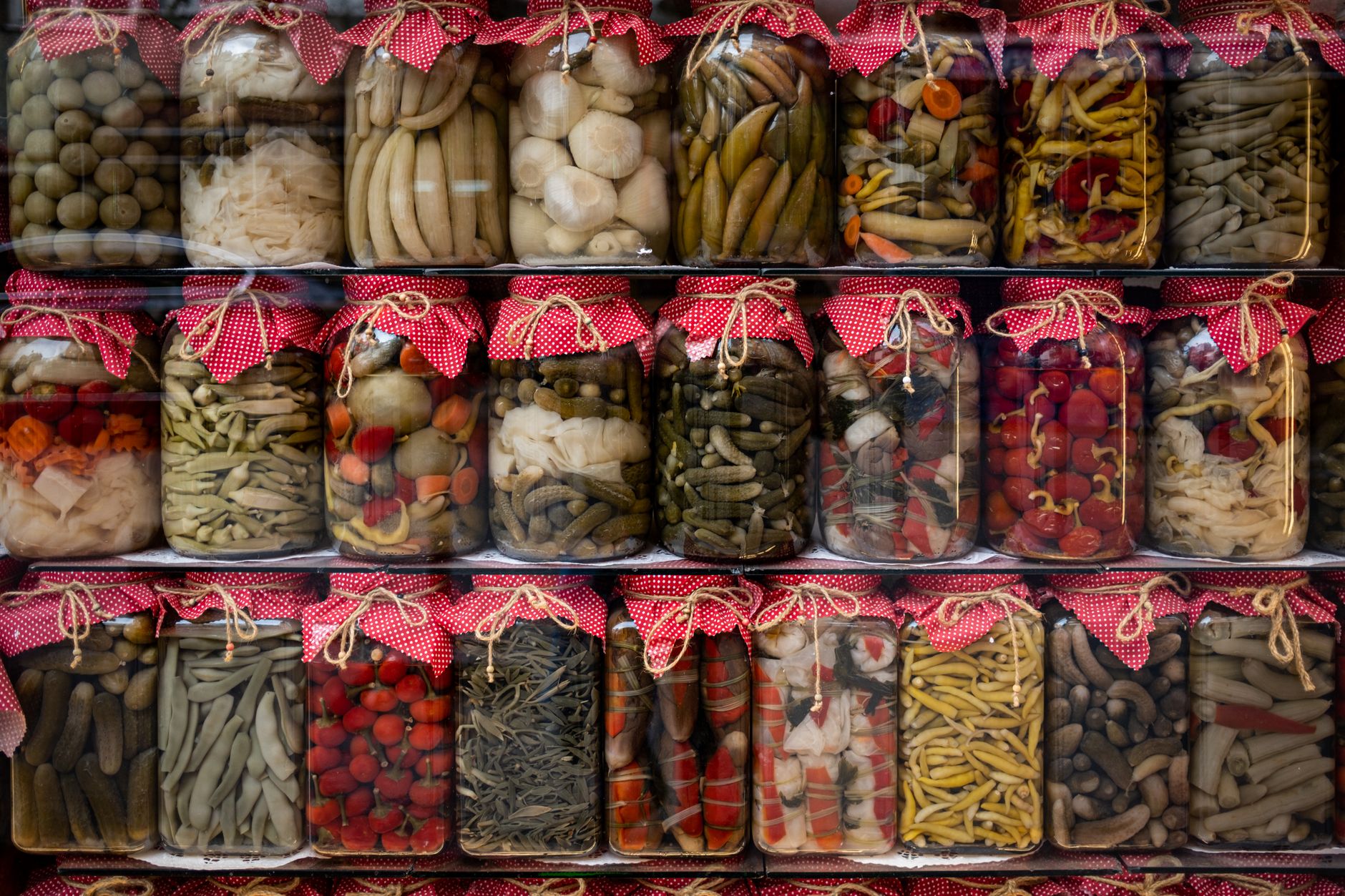
After cooking, you'll sit down to enjoy the meal you've prepared, usually with fresh bread, yogurt, and maybe a glass of local wine or ayran. The table is a place of connection. You'll talk, laugh, and feel like part of the family. Many classes also include a visit to a local market or a lesson on preserving—making jams, pickles, or dried herbs to take home.
Dietary Accommodations and Inclusivity
Turkish cuisine is naturally accommodating for many dietary needs. Zeytinyağlı dishes are often vegan and vegetarian by default, as they contain no meat or dairy. However, some recipes might use yogurt or meat broth, so it's essential to communicate your restrictions in advance. Most hosts are happy to adapt, using vegetable stock instead of chicken stock or omitting dairy.
For gluten-free travelers, be aware that many dishes are naturally gluten-free, but bread and bulgur are common. You can request alternatives like rice or quinoa. If you have nut allergies, mention it, as walnuts and pine nuts are sometimes used in stuffed dishes. The key is clear communication before booking. A reputable class will ask about allergies and preferences when you reserve.
Vegan travelers will find a paradise in Aegean cooking. Olive oil, vegetables, legumes, and grains are the stars. Just make sure to confirm that no honey or dairy is used in the dishes you'll prepare. Many grandmothers are familiar with vegan requests and will happily adjust. This inclusive nature makes these classes ideal for almost anyone.
Preserving Traditions: Jams, Pickles, and Herbs
Beyond daily meals, Aegean grandmothers are masters of preservation. In late summer, kitchens fill with the scent of boiling fruit for jams and marmalades—fig, apricot, sour cherry, and quince. You might learn to make reçel (jam) or turşu (pickles) from cucumbers, peppers, or green tomatoes. These activities are often part of longer workshops or can be arranged as a separate session.
Drying herbs is another tradition. You'll see bundles of mint, oregano, and thyme hanging in shaded corners. In a class, you might learn to dry and store them, or to make herbal teas and spice blends. These skills are invaluable for bringing a taste of Turkey home. Many hosts will send you off with a small jar of their own preserves—a gesture of generosity that embodies the spirit of the region.
If you're visiting in spring, you might forage for wild greens like radika or şevketi bostan (golden thistle). These are used in zeytinyağlı dishes and have a unique, slightly bitter flavor. Learning to cook with them is a true immersion into the Aegean landscape.
Connection Over Performance: The Real Takeaway
What makes these cooking classes so special is the human connection. You're not watching a chef perform; you're working alongside a grandmother who treats you like a guest in her home. She'll correct your technique with a smile, tell you stories about her childhood, and maybe even teach you a few words of Turkish. The experience is about slowing down, being present, and appreciating the simple act of cooking together.
In a world where travel can feel transactional, these classes offer something genuine. You'll leave with a full stomach, a notebook of recipes, and a heart full of memories. You'll also gain a deeper understanding of Turkish culture—its hospitality, its respect for elders, and its love of good food shared with others.
So if you're planning a trip to the Aegean, consider spending a day in a village kitchen. Roll up your sleeves, get your hands dirty, and learn from the women who have been making these dishes for generations. It's not just a cooking class; it's a doorway into a way of life. And you'll never look at a simple green bean the same way again.
Thinking about a trip to Turkey?
Share your contact details and a vetted local expert will follow up with a plan built around you — free, no obligation.