

Why Anatolia's Covered Bazaars Beat a Museum Ticket
Istanbul's Kapalıçarşı gets the postcards, but the vaulted market halls of Anatolia are where the tradition still breathes. In Gaziantep, Şanlıurfa and Bursa, covered bazaars are not staged heritage sites: they are working commercial architecture, six centuries old in places, where the same families have sold copper, silk and spice for generations. Walk in at eight in the morning and you will hear the hammer before you see it — the rhythmic clang of a coppersmith shaping a tray in a courtyard that has echoed with that sound since the Ottoman era.
This matters for travellers because shopping here is not a transaction bolted onto sightseeing; it is the sightseeing. The architecture of a bedesten — a fortified, vaulted core of shops — the hans (caravanserais) that surround it, and the rituals of tea, bargaining and apprenticeship all belong to one continuous culture. When you buy a hand-hammered coffee pot from the person who made it, you are participating in an economy that predates tourism by centuries. That is cultural immersion you cannot buy a ticket for.
Below is a practical guide to the three bazaars I consider essential, plus the etiquette, timing and shipping know-how that makes the difference between a lovely souvenir and a shipping disaster. Use our destinations guide to plan the wider route, and read on for the market-floor details.
Gaziantep: Copper, Pistachios and the Rhythm of the Hammer
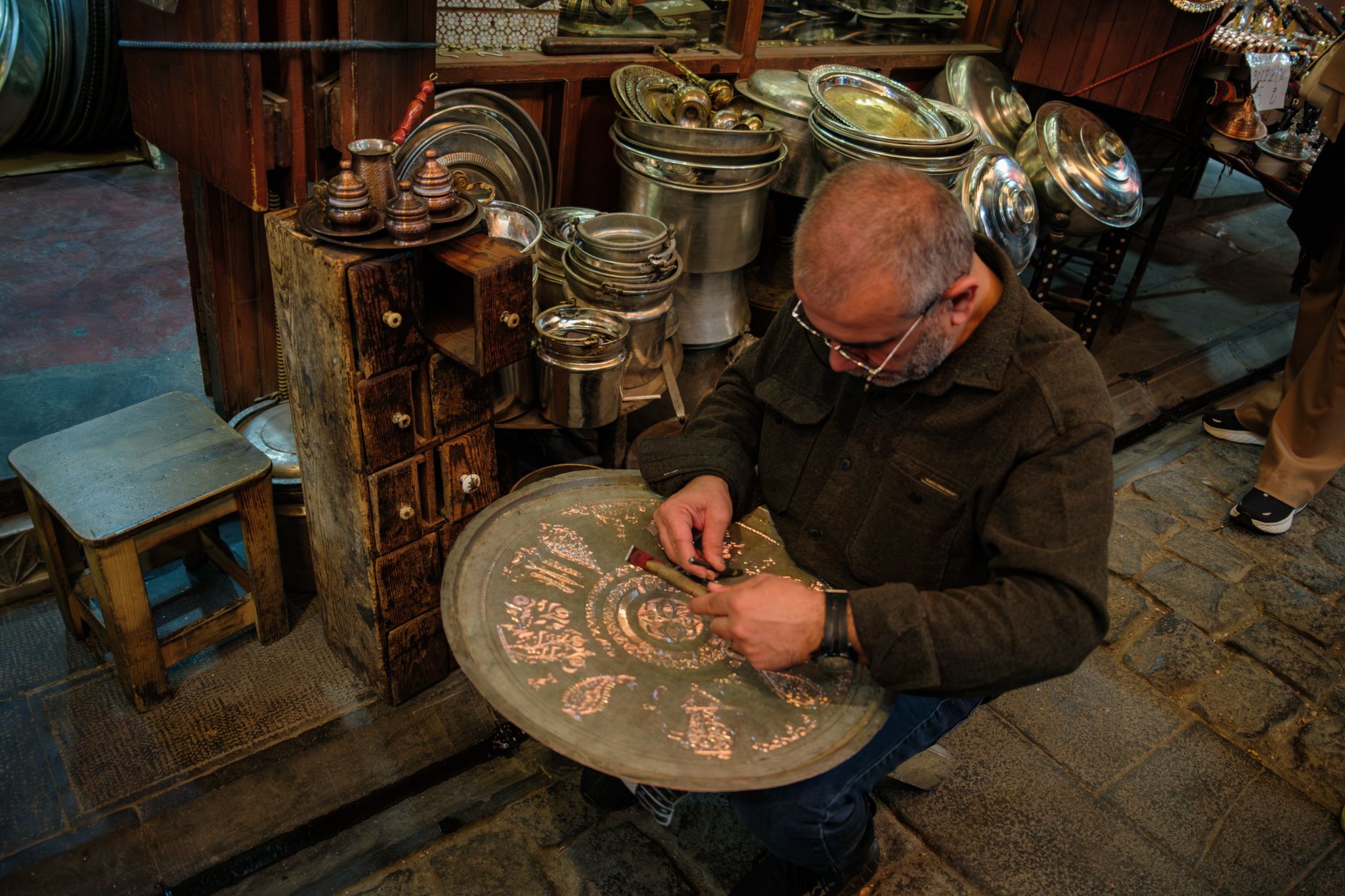
Gaziantep's covered market cluster — centred on the historic bedesten and the surrounding streets of the old town — is the beating heart of a city that takes food and craft equally seriously. Begin in the coppersmiths' section (bakırcılar çarşısı), where workshops spill onto the pavement and the smell of hot metal and linseed oil hangs in the air. Ottoman-era copper trays, cezve coffee pots, hamam bowls and enormous decorative platters are still made here by hand, often by the third or fourth generation of the same family.
Then move to the spice and dry-goods lanes, where pyramids of Antep pistachios, sun-dried aubergines, isot pepper and dried okra are weighed on brass scales. This is also the place to stock up on the city's famous baklava ingredients — clarified butter, semolina, pistachio paste — and on handmade soap and woven textiles. Because Gaziantep sits on the edge of the fertile Mesopotamian plain, its market carries a genuinely regional pantry: you will find ingredients here that never make it to Istanbul shelves.
A word on copper: ask whether a piece is hand-hammered (dövme) or machine-pressed (pres), and expect the price to reflect it. A hand-hammered tray is not cheap, but it is a heirloom. If you want to understand what to eat between shopping stops, our guides section has food-focused city walks that pair well with a market morning.
Şanlıurfa: Spice Lanes, Skullcaps and Living Prophets' Legends
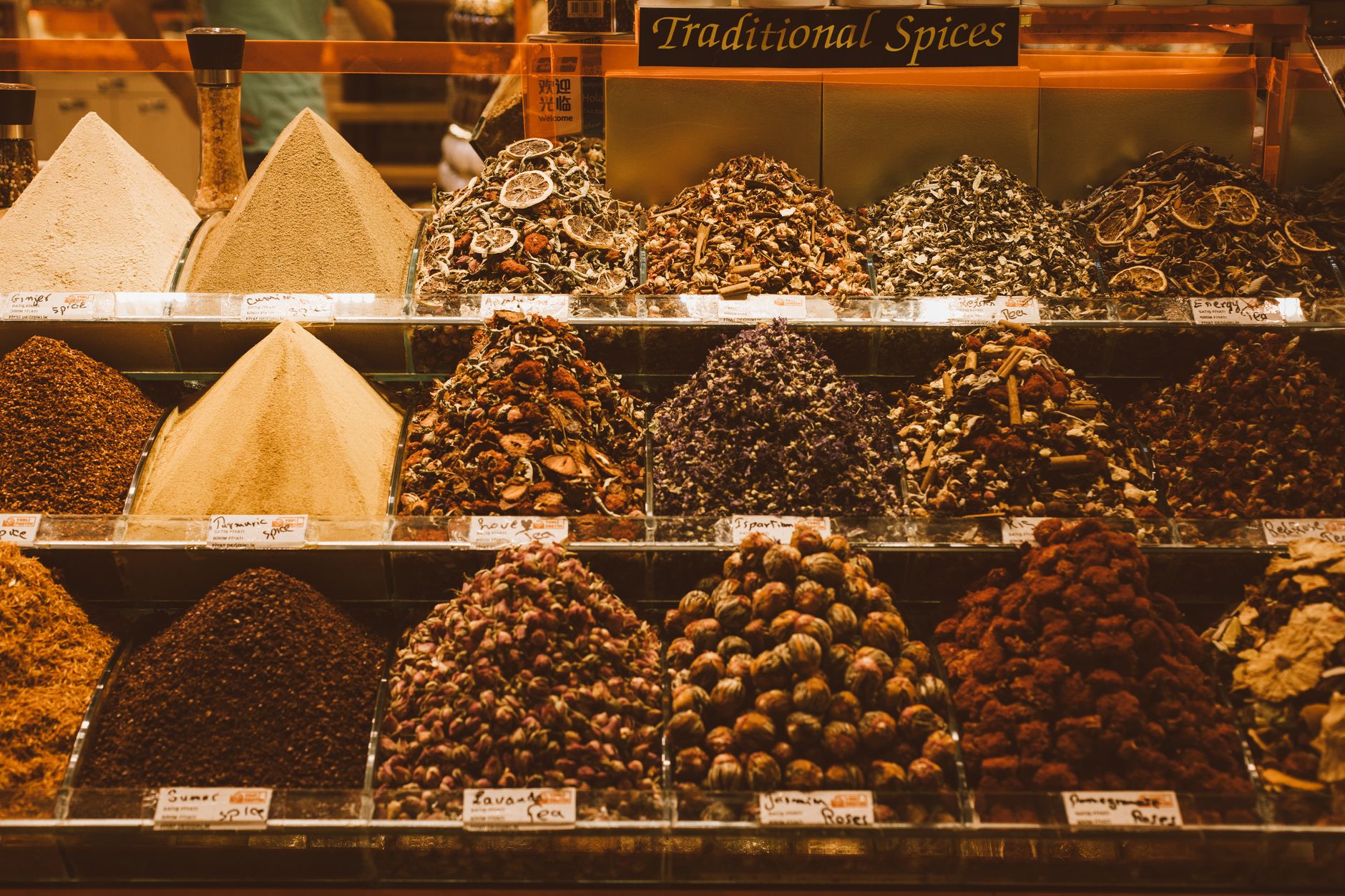
Şanlıurfa's covered bazaar sits below the old citadel and the fish pools of Balıklıgöl, and its atmosphere is the most overtly biblical of the three cities. The vaulted lanes specialise in spices, dried herbs, herbal remedies and the distinctive Urfa pepper, plus the woven skullcaps and scarves sold near the religious sites. Sellers here are storytellers; ask about a spice and you may get a lecture on its medicinal use, a proverb, and a glass of tea before you have agreed on anything.
The market is also a gateway to the city's craft traditions: copper and brass work, felt-making, and the region's famous isot pepper, which is sun-dried, smoked and hand-rubbed. Buy it in small quantities from a merchant who will let you taste before you commit. The lanes are narrow and busy, so go early and keep your bag in front of you; the bazaar is safe, but it is a working market, not a shopping mall.
Pair a bazaar morning with the archaeology of Göbekli Tepe, whose visitor flow is best managed with an early start — our routes collection includes a southeastern circuit that sequences the bazaar and the site sensibly. If you are travelling in summer, check our best-time guide before booking; Urfa in July is punishing by mid-morning, which is one more argument for an eight o'clock market start.
Bursa: Silk, Hans and the Ottoman Craft Economy
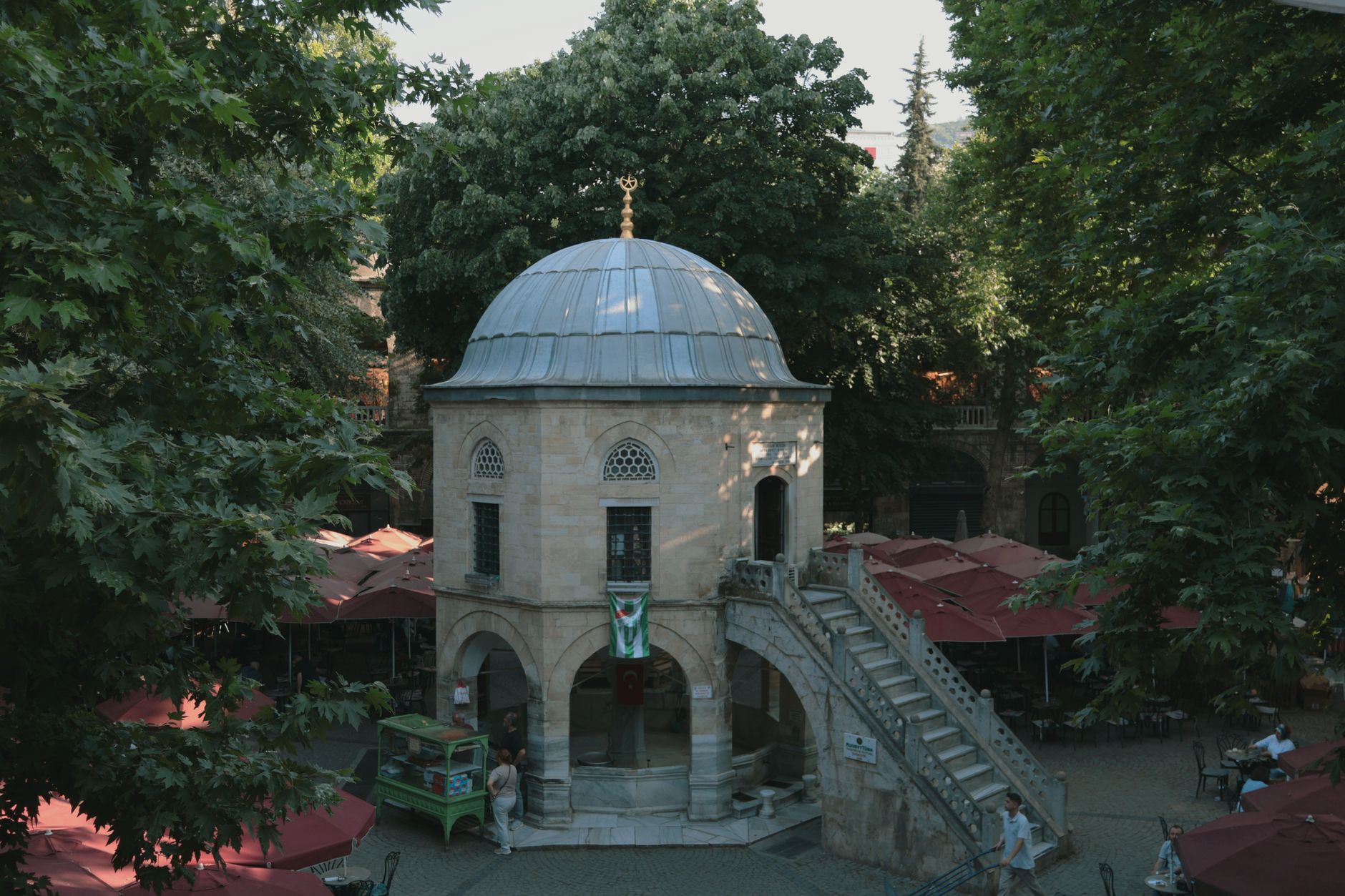
Bursa's covered bazaar and its surrounding hans are the most architecturally rewarding of the three. The Koza Han — the silk han — is a two-storey courtyard building where silk cocoon merchants once traded and where silk scarves and textiles are still sold under the arches. The bedesten nearby is a maze of vaulted cells selling silk, towels, jewellery and the city's famous shadow-puppet figures. Bursa was the Ottoman capital before Istanbul, and the market retains a courtly, unhurried quality.
Silk is the thing to buy, but buy it knowingly. Ask whether a scarf is pure silk (ipek) or a silk-cotton blend, and expect to pay accordingly. The han's tea garden is the perfect place to sit after a purchase, watch the courtyard and let the bustle slow down. Bursa is also the gateway to Cumalıkızık, a preserved Ottoman village, and to the ski slopes of Uludağ — both easy to combine with a market morning.
For travellers building a multi-city itinerary, Bursa works beautifully as a first or last stop from Istanbul. Our itineraries include a Bursa day-and-a-half that gives the bazaar and the hans proper time, and our trip planner can help you slot it into a longer Anatolian loop.
Bargaining Etiquette: How to Haggle Without Losing the Room
Bargaining in these bazaars is a social ritual, not a contest. The first rule is to ask the price only if you are genuinely interested; in a working market, time is money and merchants remember. The second is to keep it friendly: start with a question about the craft or the origin, not the discount. A merchant who senses respect will often offer a better price unprompted.
On numbers, a common and reasonable opening is to counter at roughly 70–80 percent of the asking price, then meet somewhere in the middle. Never bargain hard over a small item you can easily afford; and if you agree a price, you buy. Walking away after a handshake is a serious breach of trust. Cash helps; many small workshops prefer it, and a willingness to pay in cash can earn a modest discount.
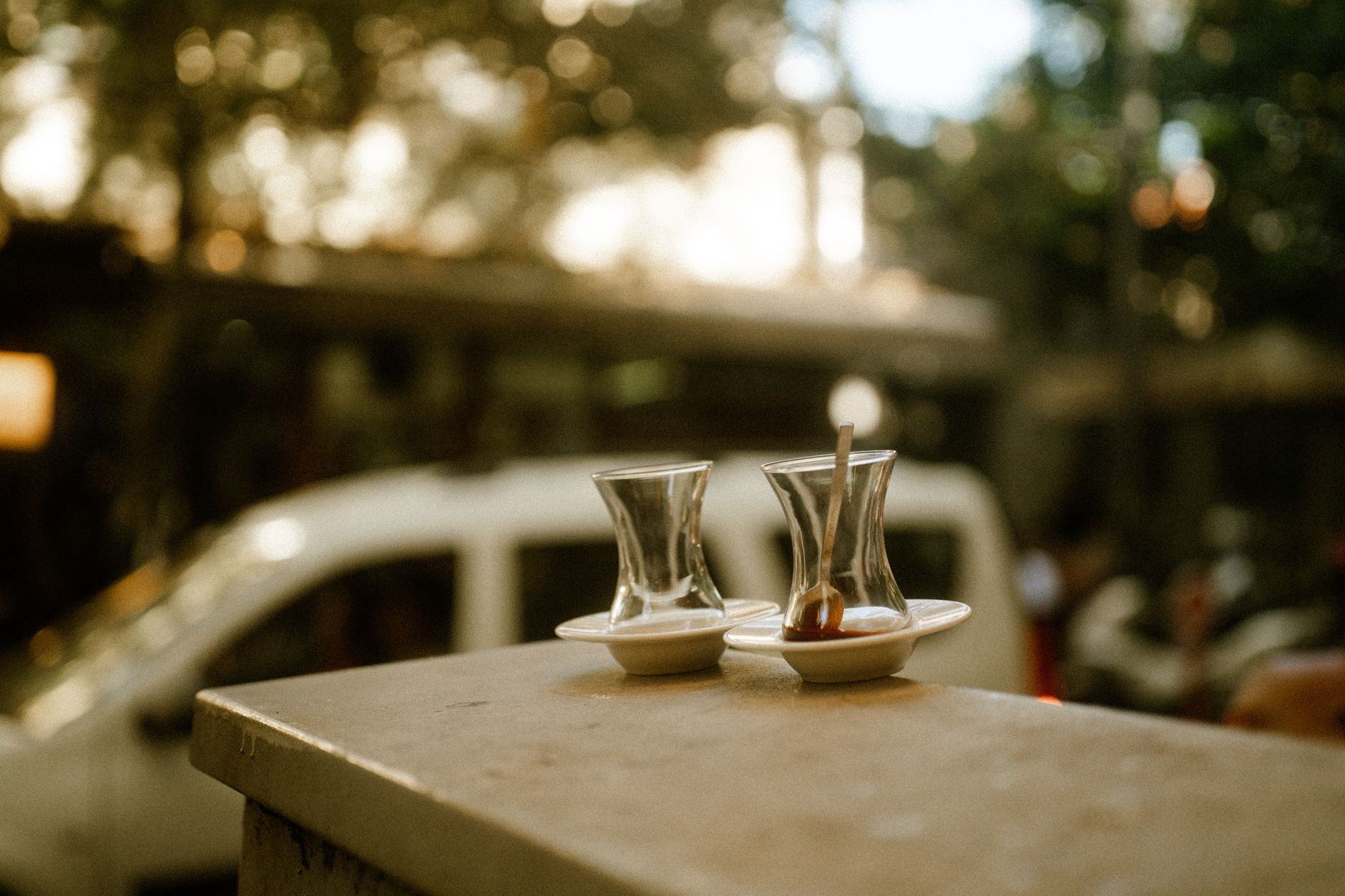
Tea is part of the negotiation. Accepting a glass of çay is a signal of goodwill, and refusing it can read as coldness. If you do not drink tea, a polite "sağ olun" (thank you) is enough. Finally, remember that many of these shops are family businesses with thin margins — the difference between 200 and 180 lira matters more to the seller than to you. If you want a deeper walkthrough of Turkish shopping customs, our travel tools page collects practical checklists.
Best Morning Hours and a Realistic Market Day
The best time to shop these bazaars is between 8:30 and 11:00, when merchants are setting up, deliveries are arriving, and the lanes are still navigable. By noon the tour groups and local shoppers thicken, and by mid-afternoon in summer the heat in the vaulted lanes becomes oppressive. In Gaziantep and Şanlıurfa, aim to be inside by 8:30; in Bursa, the Koza Han is loveliest around 9:00, before the tea garden fills.
Remember that most shops close on Sundays and that the bazaars are quiet during Ramadan afternoons and busy in the evenings. Friday mornings can be slow around prayer times. Build in a midday break — a long lunch of Gaziantep kebabs or Urfa liver is part of the experience — and return late afternoon for a second, calmer pass when you know what you actually want.
Bring cash in small notes, a tote bag, and a measuring tape if you are buying textiles. Wear shoes you can slip off if you enter a workshop, and keep a photo of your passport on your phone. For a broader sense of seasonal timing, check when to go before you lock dates.
Shipping Your Purchases Home: Practical, Boring, Essential
Small items — spices, scarves, jewellery, small copper pieces — travel in your suitcase. For anything large, fragile or valuable, use a reputable international courier rather than the post office, and ask the shop whether they ship. Many established bazaar merchants in Gaziantep and Bursa routinely ship copper and textiles abroad and will handle customs paperwork for a fee; get a written receipt and a tracking number before you leave the shop.
If you ship independently, keep the invoice for customs, pack copper and ceramics with bubble wrap and double-boxing, and photograph the item before it is packed. Note that some countries restrict food imports: spices are usually fine in sealed packets, but check your home country's rules for dried herbs and nuts. Antique-looking items can trigger export checks — genuine antiquities are illegal to export from Türkiye, so buy modern reproductions knowingly.
Budget for shipping as part of the purchase price. A hand-hammered tray that costs the same as a flight is still worth it if it arrives intact, but a cheap courier is a false economy. Ask at your hotel for a local shipping agent, or use our local experts network to find English-speaking help in each city.
Making the Bazaars Part of a Longer Anatolian Journey
The three bazaars combine naturally: fly into Gaziantep, travel overland to Şanlıurfa, then fly or drive west toward Bursa via Istanbul. Allow at least two nights in each city so you get a full market morning plus time for the surrounding sights. Our FAQ covers transport, safety and language basics, and our about page explains how we build these itineraries with local guides.
Shopping in these markets is not about acquiring things; it is about witnessing and supporting a craft economy that has survived empires. Buy one good thing rather than five forgettable ones, pay a fair price, and you leave with a story as well as an object. That is the real souvenir of Anatolia.
Thinking about a trip to Turkey?
Share your contact details and a vetted local expert will follow up with a plan built around you — free, no obligation.