

Welcome to the Bazaar: A Dance of Hospitality
Stepping into a Turkish bazaar is like entering a living theatre of colours, scents, and voices. The Grand Bazaar in Istanbul, with its 4,000 shops, or the smaller bazaars of Gaziantep and Şanlıurfa, are not just places to buy things—they are social hubs where hospitality and commerce intertwine. For a traveler, the experience can feel overwhelming, but it's also an invitation into a centuries-old ritual of haggling that is more about relationship-building than confrontation.
In Türkiye, bargaining is a friendly game, a way to exchange stories and build rapport. The merchant who offers you tea is not just being polite; they are opening a door to a conversation. Your willingness to engage in this ritual shows respect for the culture and often leads to better prices and memorable connections.
In this guide, we'll walk you through the etiquette, phrases, and fair-price benchmarks so you can shop confidently for carpets, spices, and ceramics. Remember, the goal is not to win a battle but to enjoy the charm of the bazaar.
The Art of Tea and Conversation
The first rule of bazaar etiquette: never rush. When you enter a shop, you'll likely be offered a glass of çay (Turkish tea) or perhaps a cup of Turkish coffee. Accept it. This is a sign of welcome and an opportunity to sit and chat. The merchant wants to get to know you, not just sell you something. Take a few minutes to drink your tea, ask about their family, and share a bit about yourself. This is the foundation of trust.
Don't start bargaining immediately. First, express interest in the items, ask questions about their origin, craftsmanship, and quality. The merchant will happily explain the story behind a carpet's pattern or the spices in a blend. This exchange is part of the experience. Once you've established a friendly rapport, you can begin to discuss prices.
If you're not interested in buying, it's perfectly fine to say so politely after a few minutes. A simple "Teşekkür ederim, sadece bakıyorum" (Thank you, I'm just looking) is respectful. But if you linger, expect to be offered tea and a conversation—it's impolite to refuse without reason.
Phrases That Open Doors
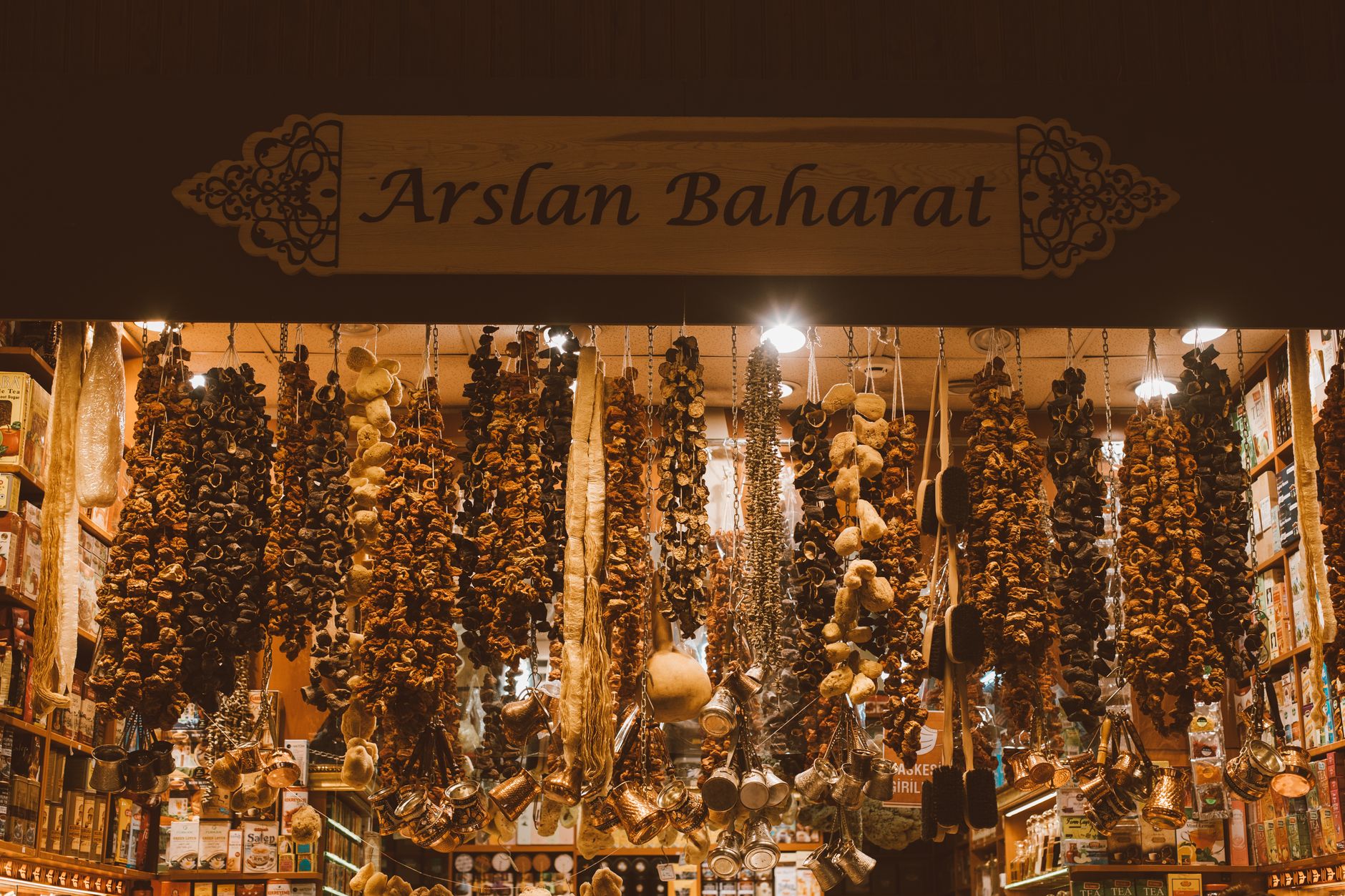
Knowing a few Turkish phrases can transform your bargaining experience. Start with greetings: "Merhaba" (Hello), "Günaydın" (Good morning), and "İyi günler" (Good day). When you're ready to ask for a price, say "Ne kadar?" (How much?). The merchant will give you a starting price, often inflated. Your response should be friendly but firm. You can say "Çok pahalı" (Very expensive) with a smile, or "Biraz indirim yapabilir misiniz?" (Can you give a little discount?).
If you want to propose a price, you can say "... olsa?" (How about ...?). For example, "Yüz lira olsa?" (How about 100 lira?). The merchant may counter, and you can continue with "Son fiyat?" (Final price?). Throughout, keep a light tone and use humor. A little laughter goes a long way.
When you agree on a price, seal it with a handshake and a smile. Say "Tamam, anlaştık" (Okay, we agreed). If you decide not to buy, thank them: "Teşekkür ederim, belki başka zaman" (Thank you, maybe another time). Never walk away abruptly; it's considered rude.
Fair Prices: What to Expect
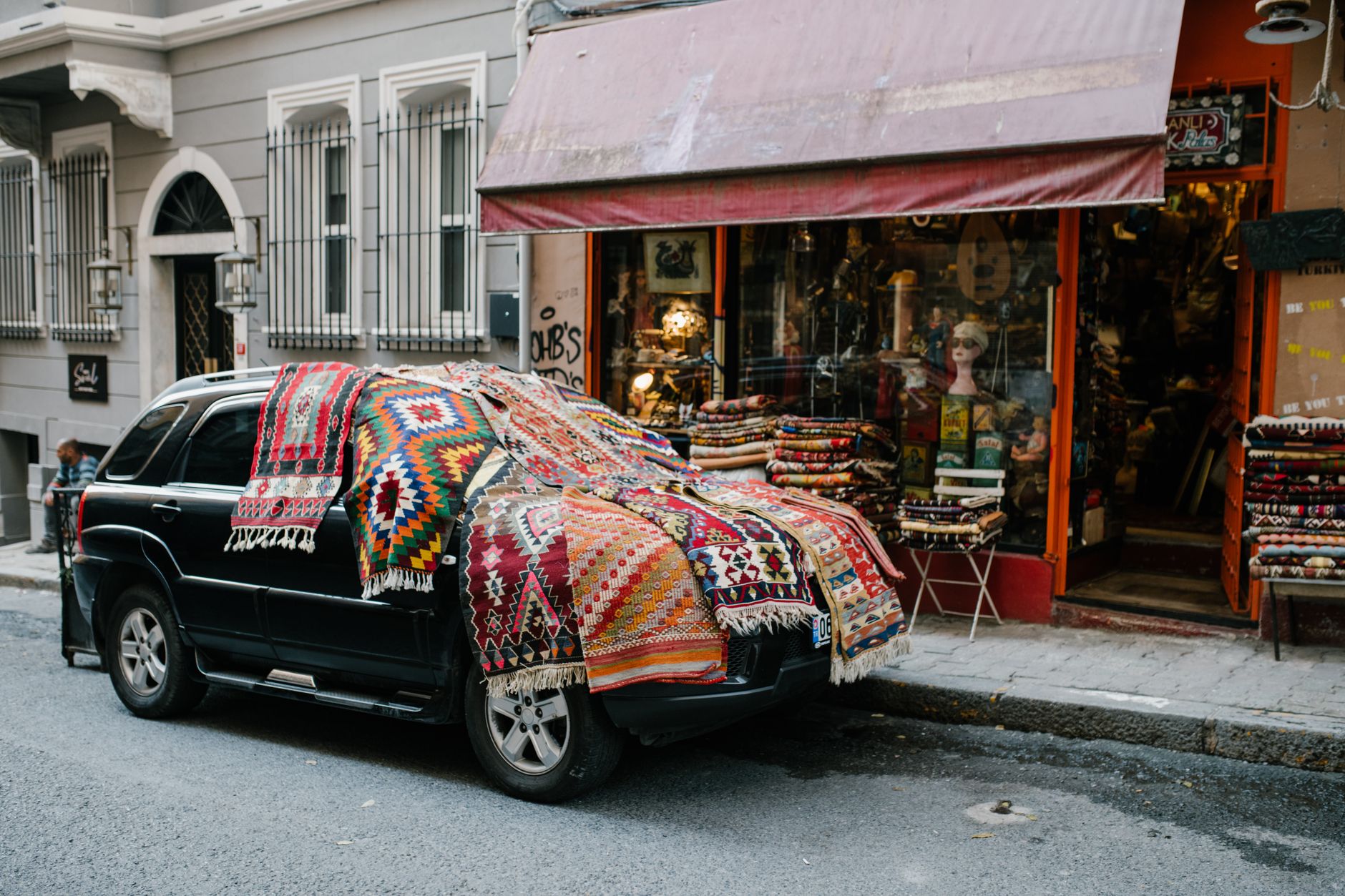
Knowing approximate fair prices helps you bargain confidently. For carpets, a hand-woven wool carpet from Kayseri might start at $500 and sell for $300–$400 after bargaining. Silk carpets from Hereke can be much pricier, starting at $1,000 and settling around $600–$800. Always ask about the knots per square centimeter and the materials. For spices, a bag of saffron (1 gram) might cost 50–100 lira; a mix of spices for kebabs around 20–30 lira. Ceramics from Kütahya: a small plate might start at 100 lira and sell for 60–70 lira.
These are ballpark figures; prices vary by location and quality. In touristy areas like the Grand Bazaar, starting prices can be higher, so aim to negotiate down by 30–50%. In local markets, margins are smaller—10–20% is reasonable. Always check the quality: for carpets, look at the back for tight knots; for spices, smell the freshness; for ceramics, check for chips or uneven glaze.
Remember, the merchant needs to make a living too. Aim for a price that feels fair to both parties. If you can't agree, walk away politely—sometimes they'll call you back with a better offer.
Carpets, Spices, Ceramics: Specific Tips
Carpets
When buying a carpet, don't be shy to ask for the story. A good merchant will explain the weaving process, the region, and the symbolism of the patterns. If you're serious, ask to see the carpet in natural light. Bargaining for carpets is expected; start at about half the asking price and work up. Be prepared to spend time—this is a significant purchase. If you're unsure, visit a few shops to compare. Many shops offer shipping, so you don't have to carry it.
Spices
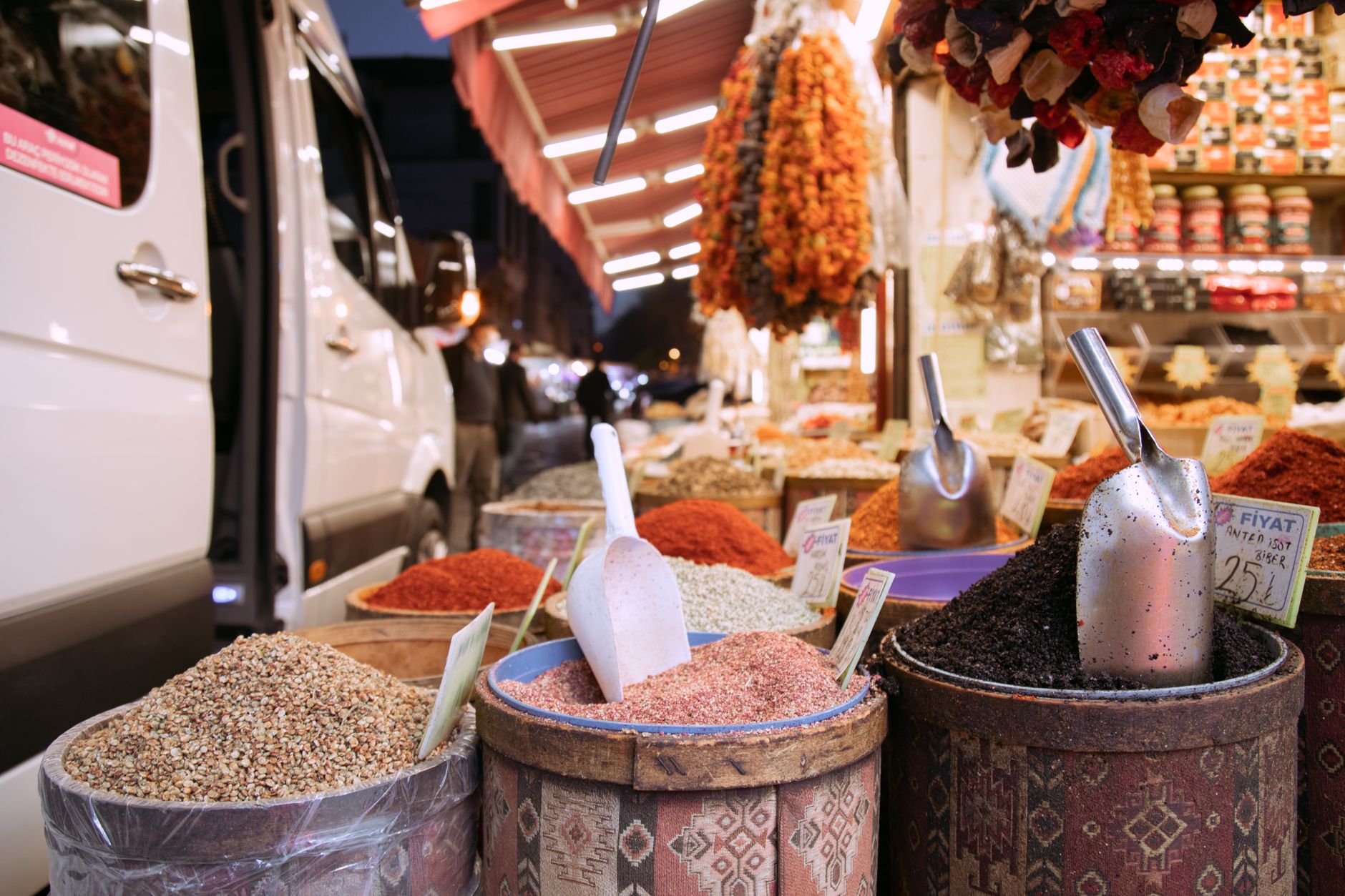
The Spice Bazaar in Istanbul is a sensory overload. Vendors will offer you tastes and smells. Buying spices is less about haggling and more about quantity—you can often get a small discount if you buy multiple items. Ask for "taze" (fresh) and check for vibrant colours. A friendly "Ne kadar?" and a smile might get you a small extra pinch of something.
Ceramics
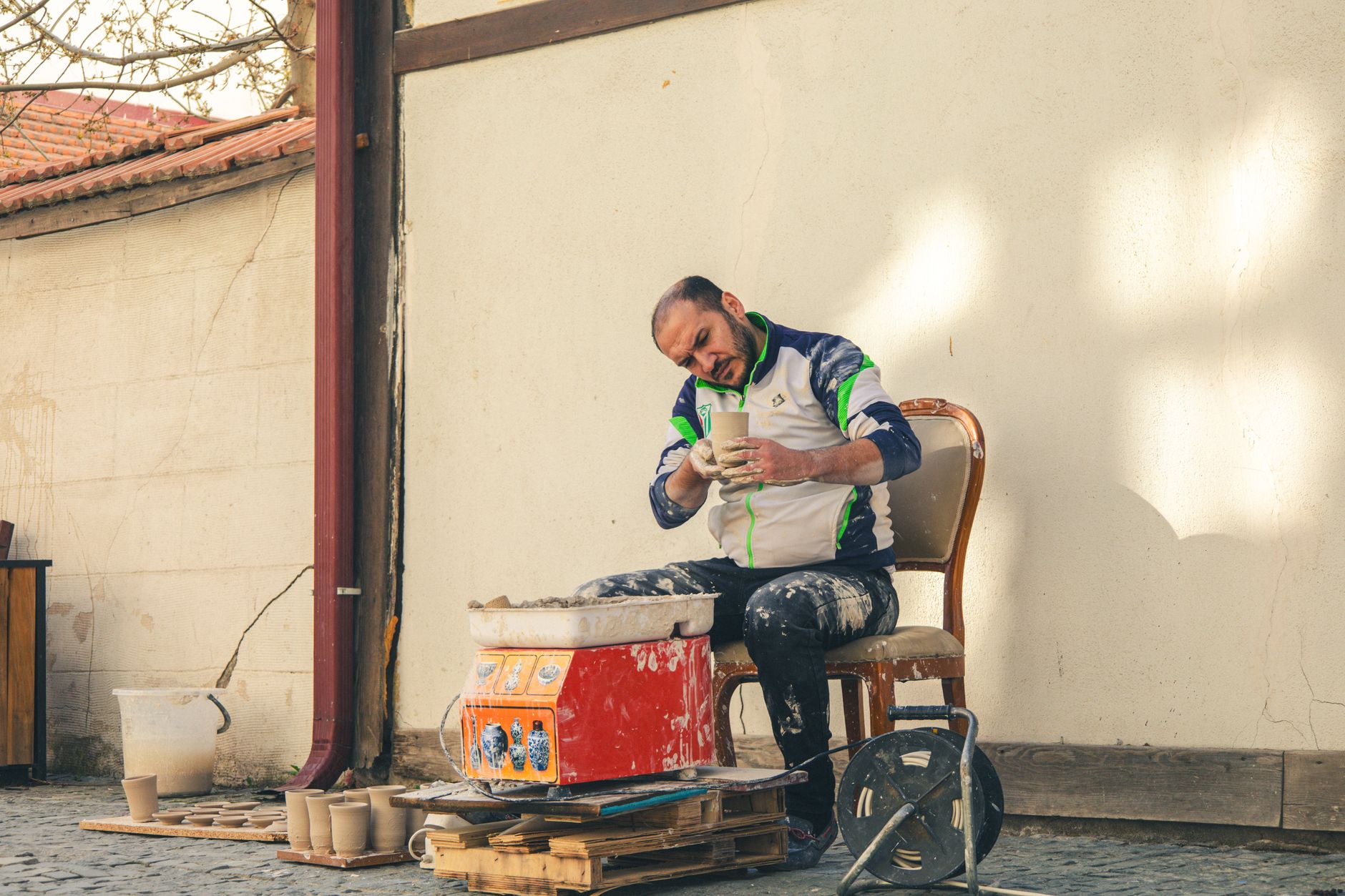
Kütahya ceramics are famous for their intricate designs. In shops, you'll find plates, bowls, and tiles. Prices are often fixed in reputable stores, but in bazaars, some bargaining is possible. Check for the signature of the artist; hand-painted pieces are more valuable. If you buy multiple items, ask for a discount. Always wrap carefully for travel.
Etiquette Beyond Bargaining
Respect is key. Don't touch items without permission, especially carpets and ceramics. If you're with a group, let one person lead the negotiation to avoid confusion. Avoid aggressive tactics; they backfire. If you're not buying, don't waste the merchant's time—but if you've shared tea and conversation, it's okay to leave without a purchase.
Dress modestly, especially in conservative areas. Women might feel more comfortable covering their shoulders. Photography: always ask before taking pictures of people or shops. A small tip for a photo is appreciated but not mandatory.
Lastly, remember that bargaining is a social dance. Enjoy it. The memories of sharing tea and laughter with a merchant are as valuable as the rug you bring home.
Final Thoughts: Shopping with Heart
Bargaining in Türkiye is not about winning; it's about connecting. When you approach it with warmth and respect, you'll find that merchants are generous and welcoming. You'll not only get a good deal but also gain a deeper appreciation for Turkish culture. So next time you're in a bazaar, accept that tea, share a story, and enjoy the charm of the haggle. For more travel tips, explore our guides and destinations pages. Happy shopping!
Thinking about a trip to Turkey?
Share your contact details and a vetted local expert will follow up with a plan built around you — free, no obligation.