

Why Winter Is Cappadocia's Quietest, Clearest Season
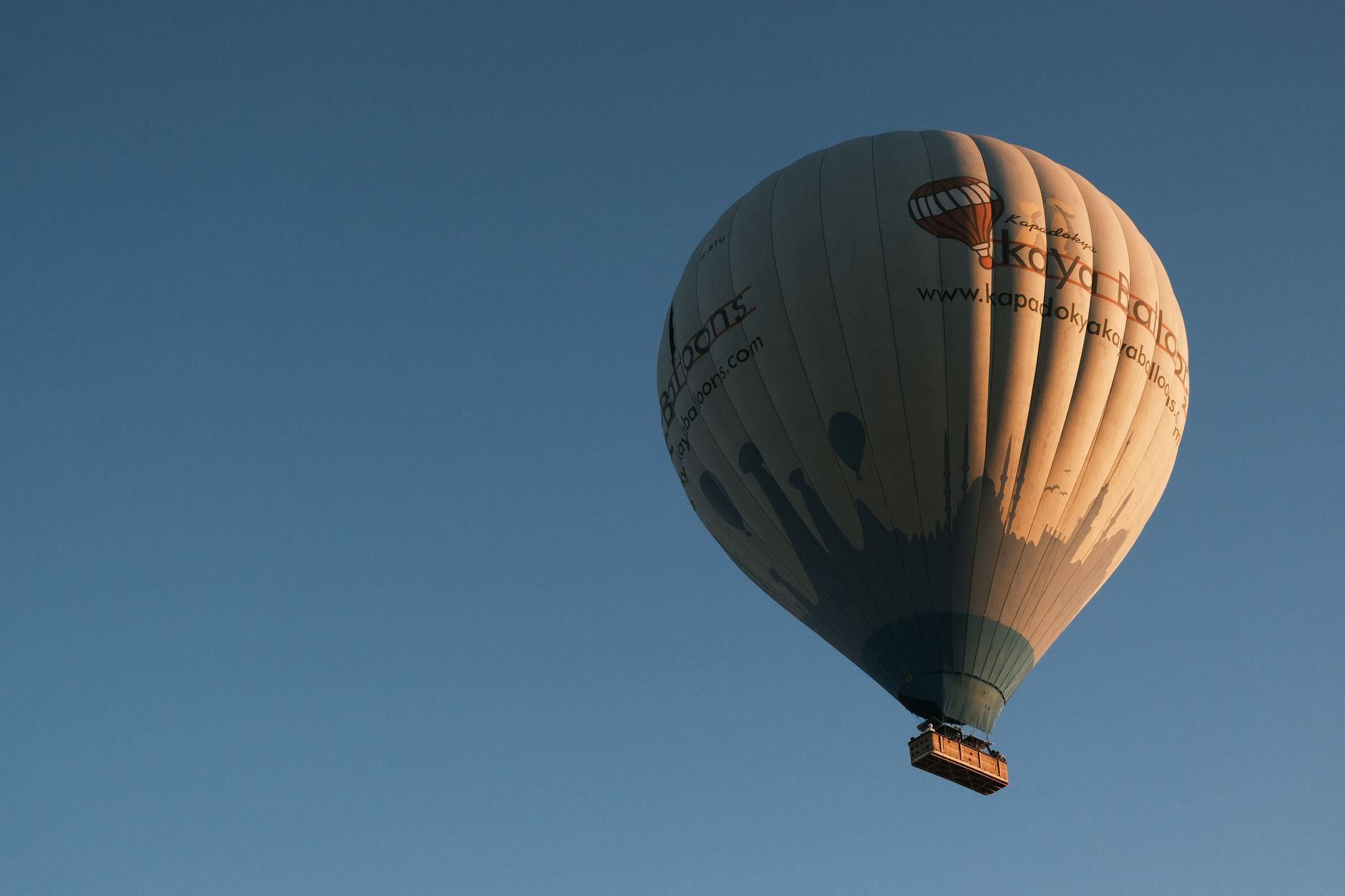
Between November and March, Cappadocia's balloon fleet shrinks dramatically compared with the peak summer months, when dozens of baskets crowd the sky above Göreme at sunrise. The result is a calmer, more intimate flight: fewer balloons on the horizon, more open space in the frame, and a landscape that often reads sharper in the cold, dry air.
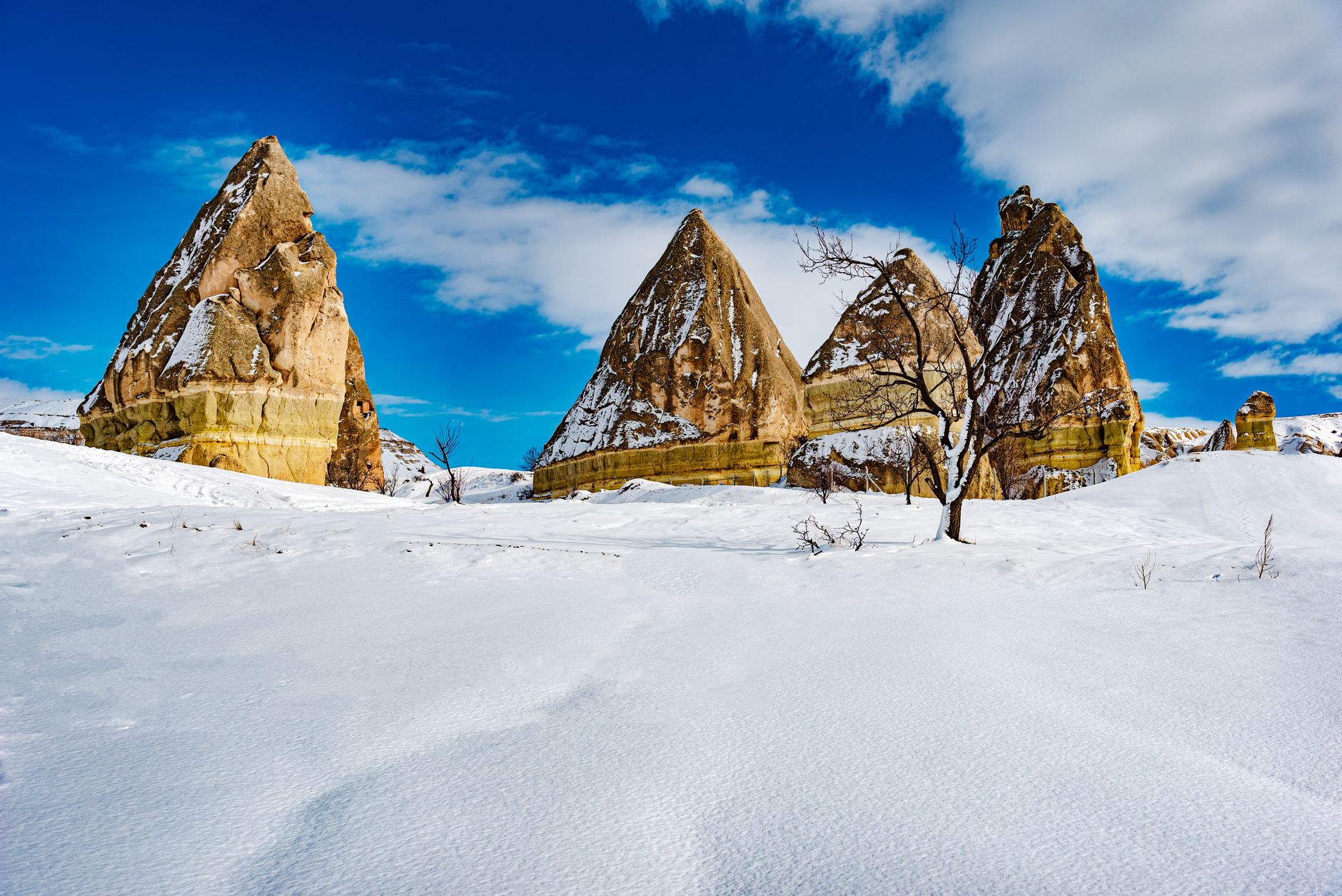
Winter also delivers the region's most photogenic conditions for many travelers. Snow dusts the fairy chimneys and the valleys around Göreme, Çavuşin and Uçhisar, and a low sun rakes across the tuff cones at an angle that summer's early, high light rarely matches.
The trade-off is variability. Cappadocia sits on the Anatolian plateau at roughly 1,000–1,100 meters, and winter mornings can be well below freezing. Snow, fog and gusty upper-level winds are all normal, and flight cancellations happen in every season — winter included.
Winter is not a guarantee of flying weather. It is a better shot at a quieter sky when the weather cooperates.
How Winter Flight Conditions Actually Work
Balloon flights in Cappadocia launch shortly after sunrise, when winds are typically lightest and most stable. In winter, that window can be narrow: the air is often calm before dawn, but a passing front or a low inversion layer can ground the fleet with little warning.
Decisions are made by the operators and the Turkish civil aviation authorities, generally the evening before or early on the morning of the flight. Visibility, surface wind, wind aloft and precipitation are all checked. If conditions are marginal, flights are postponed rather than risked — a standard that applies year-round and is not relaxed in the off-season.
Because winter flying days are fewer, the odds of a specific date being scrubbed are higher than in July or August. The practical fix is simple: build at least two or three possible mornings into your itinerary, and treat the balloon ride as the anchor of the trip rather than a same-day add-on.
Dress in layers. Even with the burner heat overhead, a basket at 800 meters before sunrise is cold, and gloves, a hat and a windproof outer layer make the experience far more comfortable.
Book Early — Winter Slots Fill Faster Than You Think
Counterintuitively, winter balloon seats can be harder to secure than summer ones on short notice. Because the number of approved balloons and licensed pilots flying in the low season is smaller, the daily seat supply drops while demand from travelers chasing the snow-dusted photos stays steady.
For a December, January or February trip, aim to reserve your flight as soon as your dates are fixed — ideally several weeks ahead, and earlier for the New Year and mid-February periods. Reputable operators offer flexible rebooking or refunds if weather grounds your flight, so read the policy before paying.
- Book direct or through a licensed agency rather than an unverified reseller.
- Confirm the cancellation policy in writing, especially for winter dates.
- Choose a small basket if you want a quieter flight — 8 to 16 passengers is common on premium winter departures.
- Stay in Göreme, Uçhisar or Çavuşin to keep the pre-dawn pickup short.
Prices in winter are often softer than in peak season, which can make a private or small-group basket more attainable than in summer.
Cave Hotels: The Cozy Half of the Equation
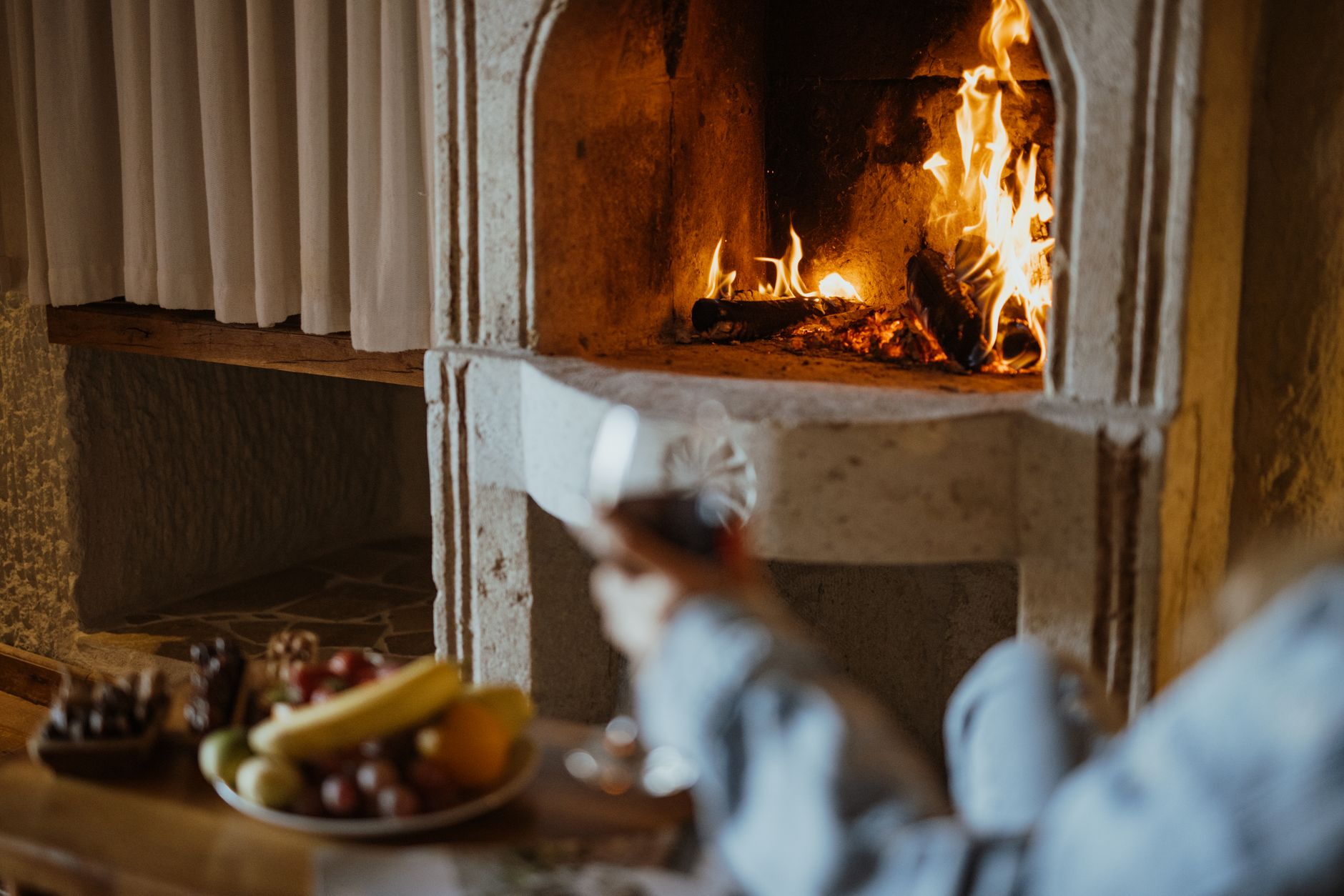
The other reason winter works in Cappadocia is the accommodation. The region's cave hotels — carved into the same soft volcanic rock as the valleys — stay naturally cool in summer and hold warmth in winter, and many have been fitted with underfloor heating, fireplaces and heated floors in the bathrooms.
Boutique cave properties in Göreme and Uçhisar often add winter touches: thick blankets, Turkish tea or salep by the fire, and terraces positioned for sunrise views of the balloons lifting off. After a cold morning flight, returning to a warm stone room is part of the appeal.
Book a room with a valley or balloon view if you can. On mornings when your own flight is cancelled, watching the fleet rise from a cave terrace — or simply enjoying the snow on the cones — is a consolation that costs nothing extra.
Note that not every cave room is equal: some are deeper and darker, others have windows cut to the valley. Ask about heating, ventilation and view when you reserve, particularly for a winter stay.
Pair Balloons With Hot Springs and Underground Cities
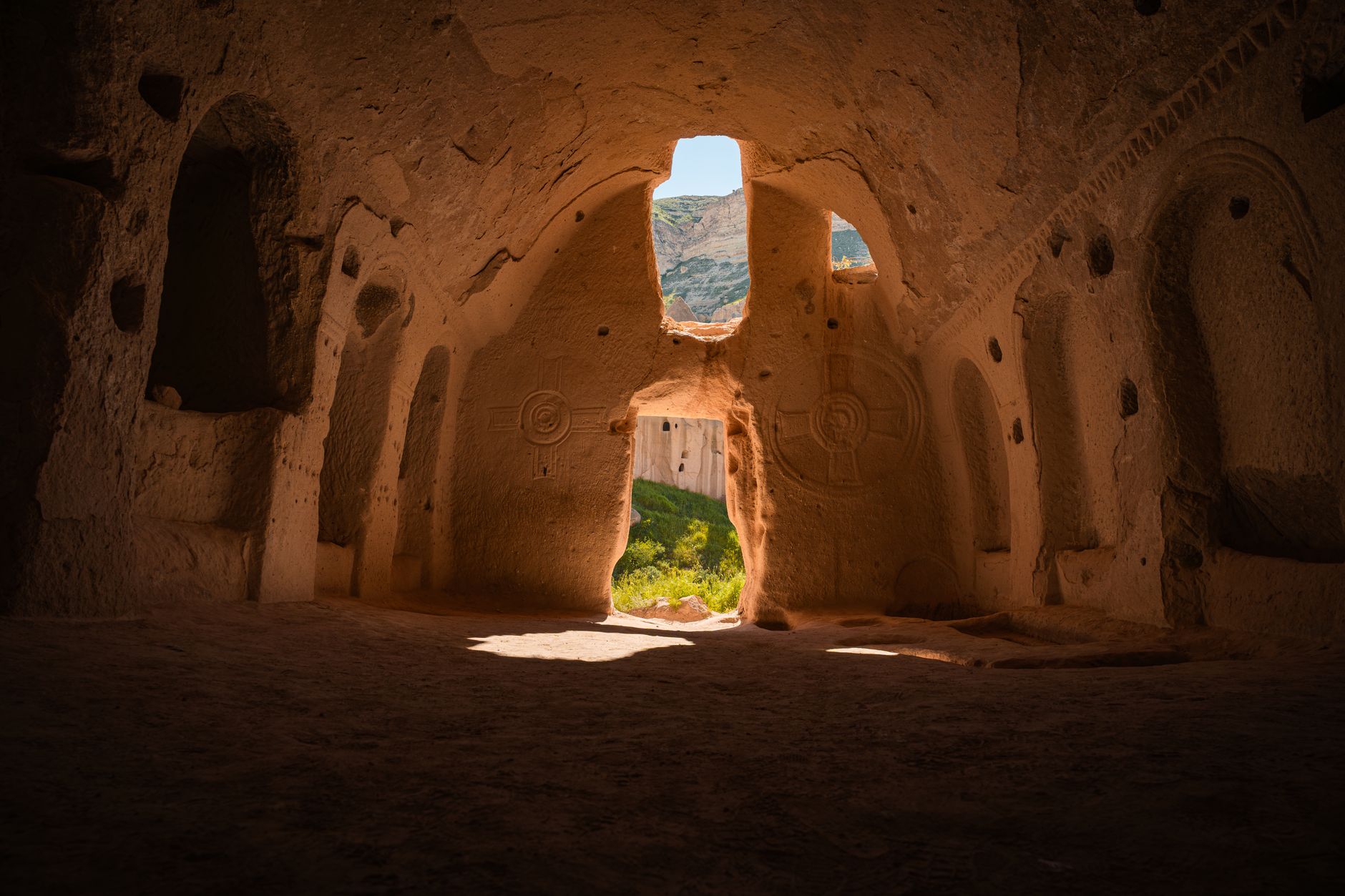
Winter is the best time to combine a balloon flight with Cappadocia's other cold-weather-friendly attractions. The region's underground cities — Derinkuyu and Kaymaklı are the largest and most visited — are a natural fit: their deep, carved levels stay at a steady temperature year-round, making them comfortable even when the surface is freezing.
Hot springs and thermal pools are another strong pairing. The historic thermal baths and spa hotels around the region, along with nearby hot spring resorts, offer a warm counterpoint to a dawn flight and a snowy walk through the valleys.
A sensible winter itinerary might look like this: one morning reserved for the balloon, one day for Derinkuyu or Kaymaklı plus the Ihlara Valley, and one slower day for a hammam or thermal pool, a cave hotel afternoon and the Göreme Open Air Museum.
Keep driving distances in mind. Winter road conditions on the plateau can slow travel between towns, so grouping underground cities and thermal stops by geography saves time and avoids long, dark drives.
Safety, Accuracy and What to Expect
Cappadocia's commercial ballooning sector is regulated, and licensed operators follow established safety standards covering pilot certification, equipment checks, passenger briefings and weather minimums. Winter does not change those rules — but it does change how often they result in a no-fly decision.
Travelers should expect the possibility of cancellation and plan around it. If a flight is grounded, most operators rebook you for the next available morning or refund according to their policy. Having a buffer day is the single most effective way to protect your trip.
Be skeptical of anyone promising a guaranteed flight on a specific date, and be equally wary of operators who downplay weather risk to secure a booking. The responsible answer to "will we fly?" is always: it depends on the morning's conditions.
Go for the quiet sky, the snow on the fairy chimneys and the cave fire waiting afterward — but go with realistic expectations and a flexible plan. That combination is what makes a Cappadocia winter trip genuinely memorable.
Thinking about a trip to Turkey?
Share your contact details and a vetted local expert will follow up with a plan built around you — free, no obligation.