

A Surge Worth Celebrating
Türkiye's tourism map is being redrawn, and the brightest new line runs east. Chinese visitor numbers have grown faster than arrivals from any other source market, a trend travel authorities and tour operators alike describe with genuine enthusiasm. For a country that has spent decades welcoming guests from Europe, the Middle East and Russia, this is a joyful signal: Türkiye's welcome now reaches farther than ever.
The growth is not a trickle. Airlines have added capacity, travel agencies have built dedicated products, and Turkish hotels from Istanbul to Antalya are responding with menus, signage and front-desk teams that speak Mandarin. What was once a niche long-haul market is becoming a mainstream one.
For travelers from China — and from across Asia more broadly — the timing is excellent. Connectivity is improving, paperwork is simpler than many assume, and the country's headline attractions remain as compelling as ever.
More Nonstop Flights, Shorter Journeys
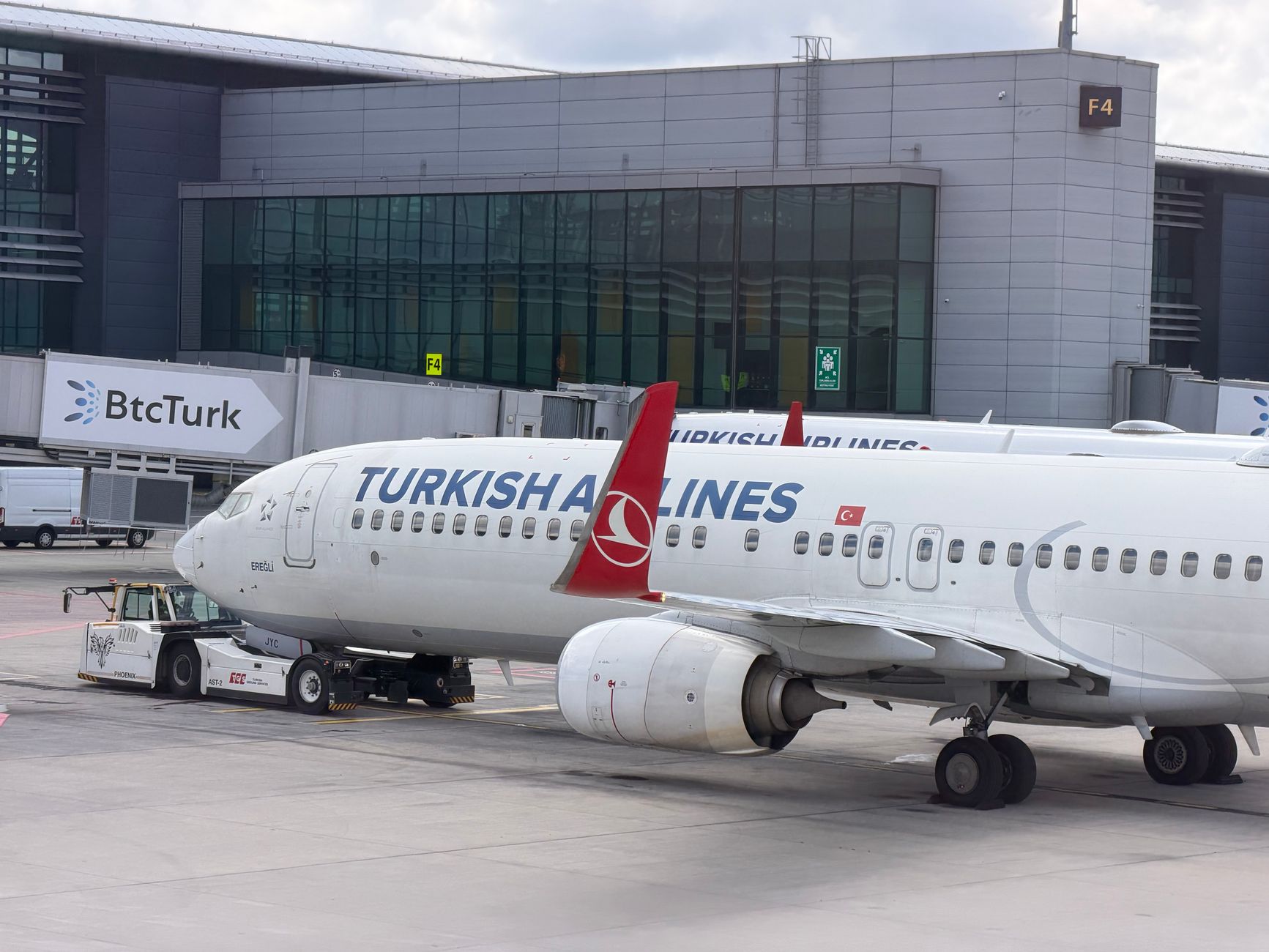
Air connectivity has been the single biggest unlock. Nonstop services between major Chinese cities and Istanbul have expanded, turning what was once a two-connection marathon into a comfortable overnight flight. Istanbul's role as a global hub means many Asian travelers can now reach Türkiye with a single stop — or none at all.
Frequency matters as much as routes. More flights mean more competitive fares, better connection windows and greater flexibility for travelers combining Türkiye with onward stops in Europe or the Middle East. It also means less risk of a missed connection derailing a carefully planned itinerary.
Travelers should compare departure cities carefully, since nonstop options vary by season. Our route guides break down the practical options, and the best-time-to-visit planner helps match flights to weather and crowd levels.

Chinese-Language Services Are Raising the Bar
The welcome is increasingly literal. Hotels in Istanbul, Cappadocia and the Aegean coast are adding Mandarin-speaking staff, Chinese breakfast options and translated materials. Guided tours in Mandarin, once rare, are now bookable in the main tourist centers.
Digital convenience has improved too. Popular payment apps and messaging platforms are more widely accepted than a few years ago, and museums have expanded translated signage and audio guides. None of this is universal yet, but the direction is unmistakable — and it makes independent travel far less intimidating.
That said, a little preparation still pays off. Carrying a translation app, a printed hotel address in Turkish and a small amount of local currency remains sensible advice for any first-time visitor.
E-Visa and Entry Basics for Asian Travelers
Türkiye's e-visa system is one of the simplest in the region. Many nationalities can apply online in minutes, pay a fee and receive an approval document by email. Travelers should always apply through the official government portal rather than third-party sites that charge inflated fees.
Rules differ by nationality, so check your specific case before booking. Some passport holders qualify for visa-free stays, others for the e-visa, and a few need to obtain a visa in advance. Passports typically need at least 150 days of validity beyond the entry date, and proof of onward travel or accommodation may be requested at the border.
Tip: apply for the e-visa at least a week before departure, and keep a digital and printed copy with your travel documents.
Our travel tools section collects the practical checklists — visas, insurance, currency and connectivity — that make the difference between a smooth arrival and a stressful one.
Must-See Sites: Istanbul and Cappadocia First
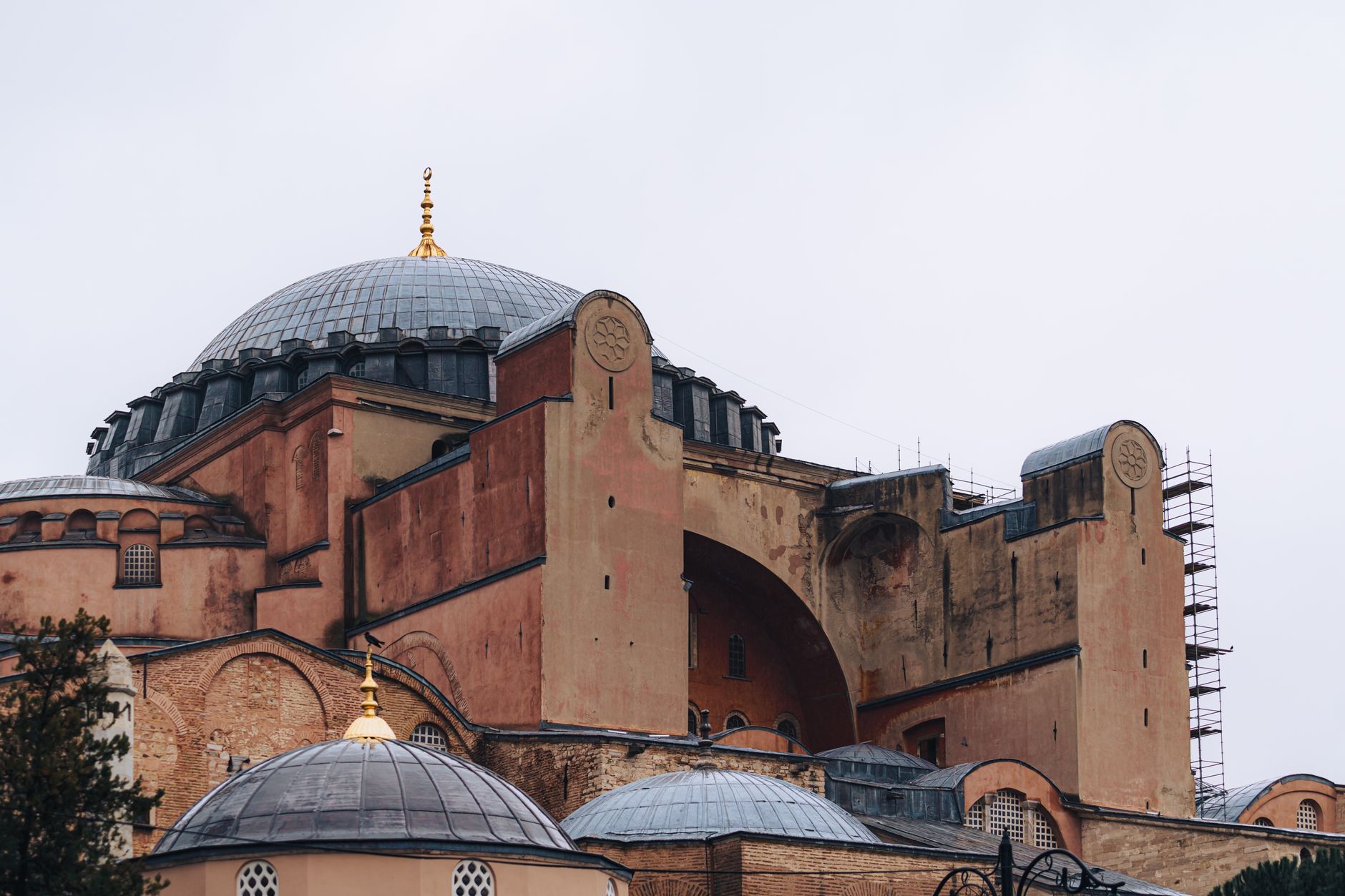
For most first-time visitors from Asia, Istanbul is the gateway and the highlight. The Hagia Sophia, the Blue Mosque, Topkapı Palace and the Grand Bazaar sit within a walkable historic core, with the Bosphorus ferry ride offering one of the world's great urban experiences for the price of a city ticket.
Cappadocia is the essential second stop. The fairy-chimney valleys, underground cities and sunrise hot-air balloon flights are unlike anything else on earth, and the region is now well served by nonstop domestic flights from Istanbul. Booking balloons early is wise, since availability tightens in peak months.
Beyond the big two, travelers with more time should consider Ephesus, Pamukkale and the Lycian coast. Our destination guides and ready-made itineraries help sequence these comfortably — and the trip planner can tailor a route to your dates and interests.
Practical Tips for a Smooth First Trip
Allow more time than you think for Istanbul. Traffic is real, and the city rewards unhurried wandering rather than box-ticking. A three-night minimum is sensible; four or five is better. For Cappadocia, two nights give you a buffer in case weather cancels balloon flights.
- Book domestic flights early during spring and autumn, when demand peaks.
- Carry cash for small shops and rural areas; cards work widely in cities.
- Dress modestly for mosque visits, and carry a scarf.
- Learn a few Turkish phrases — even a simple greeting is warmly received.
- Buy a local SIM or eSIM on arrival for maps and translation.
Travelers comparing seasons, budgets and crowd levels can browse our in-depth guides or check the FAQ for common questions about safety, transport and etiquette.
Why This Moment Matters
The rise of the Chinese market is more than a statistic. It reflects a broader shift: Türkiye is becoming a genuinely global destination, welcoming guests from every continent with the same hospitality it has long shown its neighbors. For travelers from Asia, that means more direct routes, better services and a warmer welcome than ever before.
The practical upshot is simple. If Türkiye has been on your list, the logistics have never been easier — and the country's greatest hits, from the Bosphorus to the balloon-filled skies of Cappadocia, remain every bit as extraordinary as the photos suggest.
Thinking about a trip to Turkey?
Share your contact details and a vetted local expert will follow up with a plan built around you — free, no obligation.