

A New Chapter on the Silk Road
China has become Türkiye's fastest-growing source of tourists, as travelers from Beijing, Shanghai and Guangzhou rediscover the ancient routes that once linked the two civilizations. For Chinese visitors, Türkiye offers a rare blend of familiarity and discovery: a land where Silk Road caravanserais, Ottoman palaces and fairy-tale landscapes sit side by side.
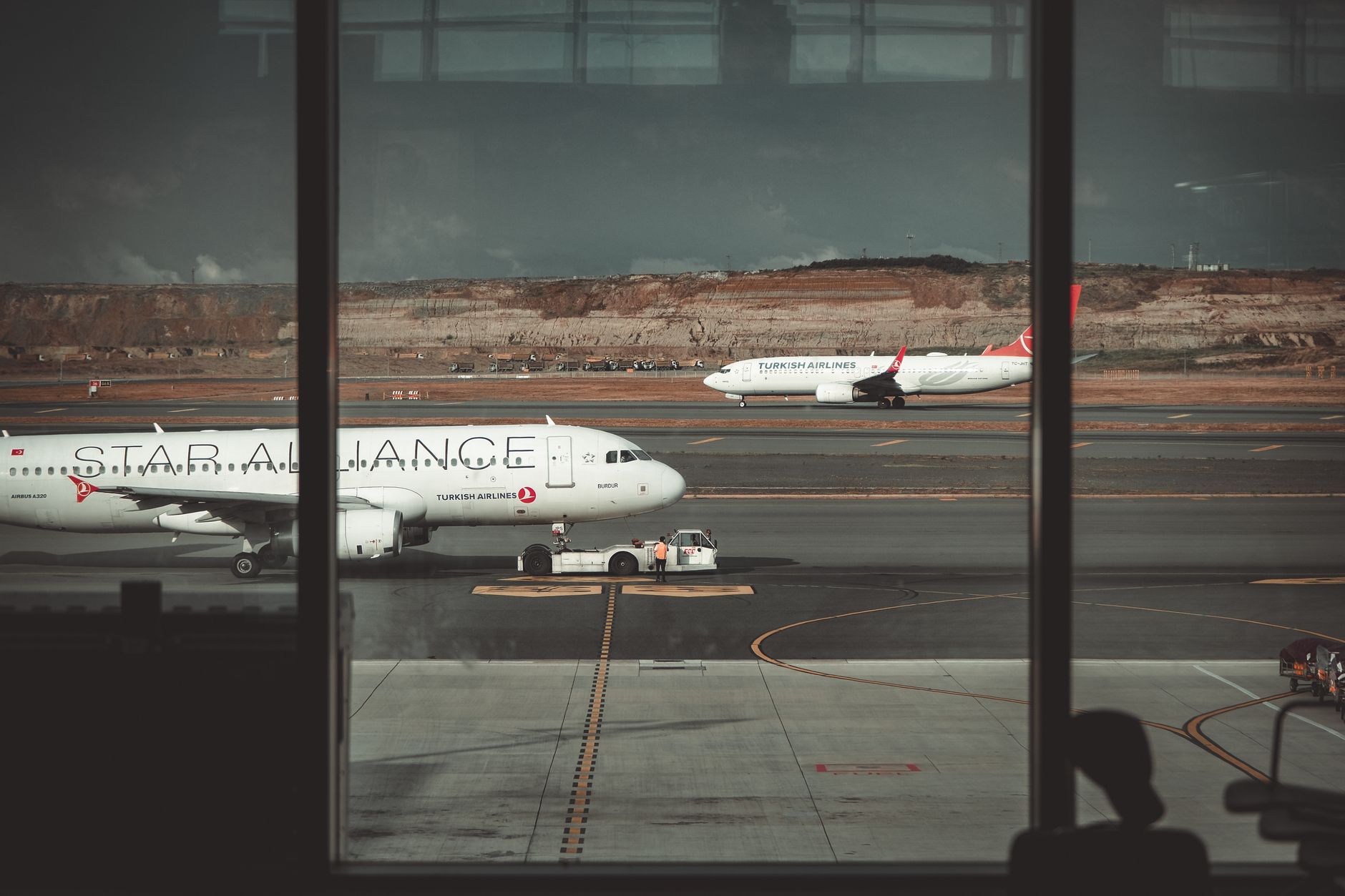
The momentum is being fueled by expanded Turkish Airlines connections. Direct flights now link Istanbul with Beijing, Shanghai and Guangzhou, making it easier than ever for Chinese travelers to reach the crossroads of East and West in a single journey.
Travelers arriving at Istanbul Airport are finding a welcoming environment with Chinese-language signage, Mandarin-speaking staff and duty-free offerings tailored to their tastes, setting a warm tone from the first step of the trip.
Istanbul's Palaces and the Living Silk Road
In Istanbul, Chinese visitors are drawn to the grandeur of Dolmabahçe Palace, Topkapı Palace and Hagia Sophia, where the imperial heritage of the Ottoman Empire meets the deep layers of Byzantine history. Many tours are now available in Mandarin, helping travelers understand the stories behind the domes, tiles and gilded halls.
The city's Grand Bazaar, a maze of 4,000 shops, resonates with Chinese travelers as a living link to the Silk Road. Here, merchants increasingly greet guests with a few words of Mandarin, and shops offer Chinese payment options, making browsing and buying effortless.
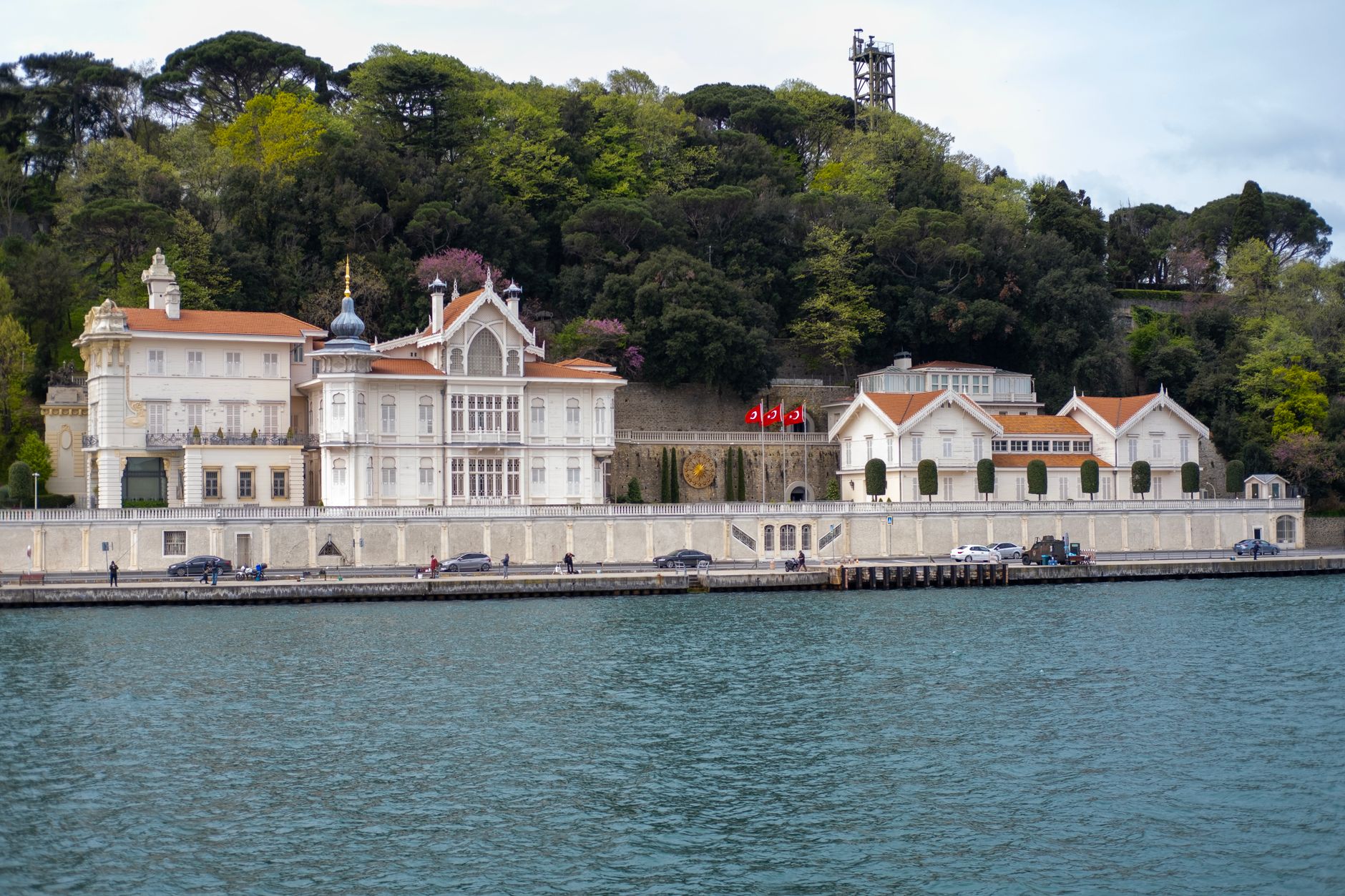
Beyond the historic peninsula, the Bosphorus offers a serene cruise between Europe and Asia—a geography that Chinese travelers often describe as symbolizing Türkiye's unique identity as a bridge between civilizations.
Cappadocia: Balloon Skies and Cave Dwellings
No destination captures the imagination of Chinese travelers quite like Cappadocia. At sunrise, hundreds of hot-air balloons rise above the fairy chimneys and volcanic valleys, creating a spectacle that has become a social media sensation across Chinese platforms.
Many Chinese tourists book early-morning balloon flights, followed by tours of underground cities like Derinkuyu and the rock-cut churches of Göreme. Local hotels now offer Chinese-language welcome packets, and some restaurants have added Chinese menus to cater to growing demand.
The region's cave hotels, carved into the soft stone, offer a unique blend of comfort and history that Chinese visitors often highlight as a highlight of their journey.
Practical Improvements for Chinese Travelers
Türkiye has rolled out a series of practical upgrades designed to make Chinese visitors feel at home. At major sites such as Topkapı Palace, Ephesus and the Göreme Open-Air Museum, Mandarin-language audio guides and signage are becoming more common.
Several museums and attractions now accept Chinese mobile payment methods, while hotels in Istanbul and Cappadocia increasingly employ Mandarin-speaking staff. These thoughtful touches are turning first-time visitors into repeat travelers.
Turkish Airlines has also enhanced its onboard experience with Chinese-language entertainment and meal options, ensuring that the journey itself is part of the warm welcome.
East Meets West in Turkish Cuisine
Chinese food lovers are discovering that Turkish cuisine offers a delightful adventure. From kebabs and pide to baklava and Turkish tea, the flavors are rich and varied, and many restaurants in Istanbul's Sultanahmet district now provide Chinese translations of their menus.
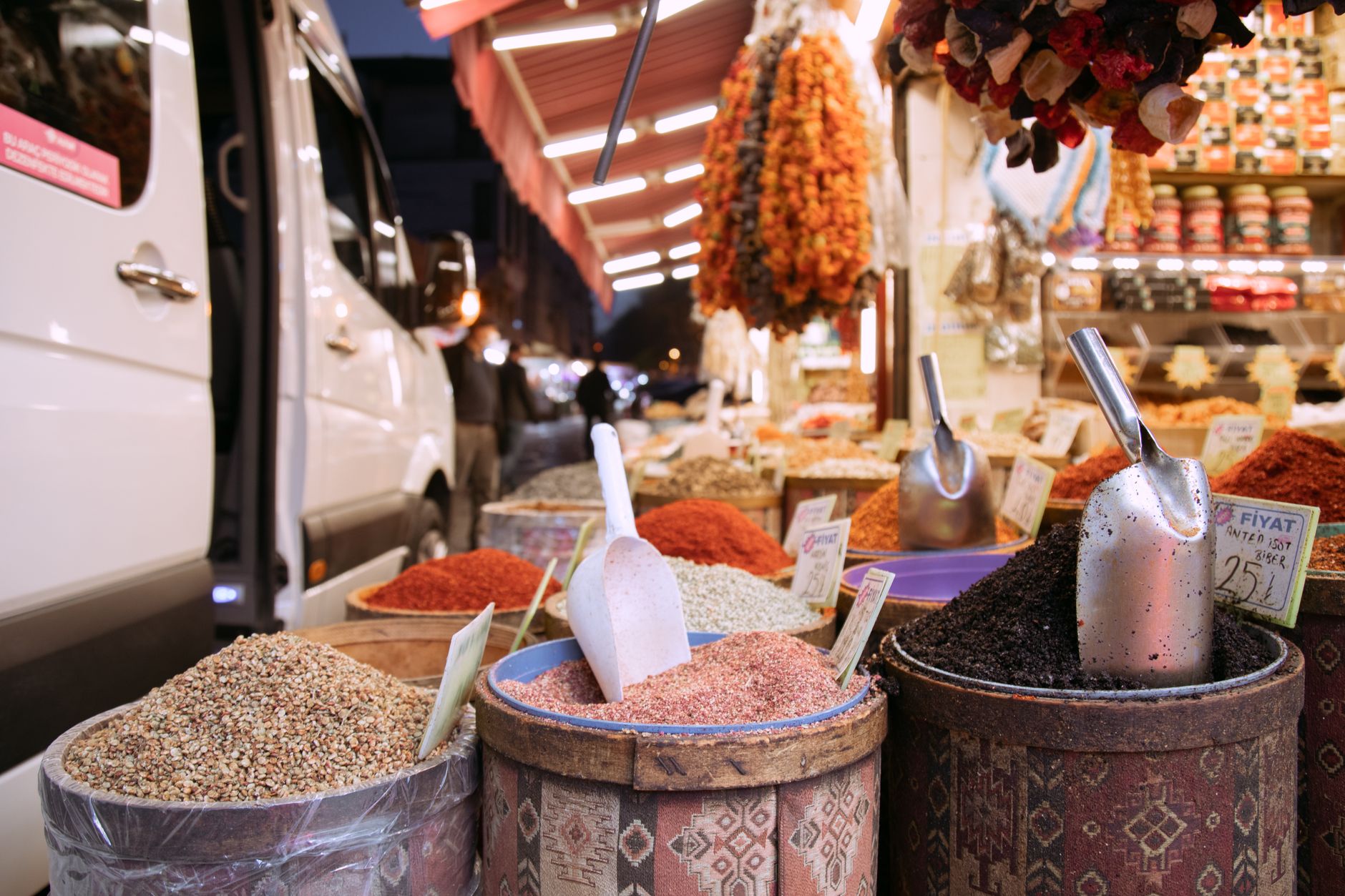
Food tours in Mandarin are gaining popularity, leading travelers through spice markets, street-food stalls and historic eateries. For many Chinese visitors, sharing a Turkish breakfast with a view of the Bosphorus becomes an unforgettable cultural exchange.
Chefs in both countries are also exploring fusion possibilities, reflecting the long history of exchange along the Silk Road and adding a modern twist to an ancient connection.

A Bridge Between Civilizations
Türkiye's identity as a bridge between East and West has never been more relevant. For Chinese travelers, the country offers a familiar warmth and an exotic charm, all within a single trip. The growing people-to-people ties are strengthening cultural understanding and creating lasting friendships.
As more direct flights and Mandarin-language services come online, the flow of Chinese visitors is expected to continue rising. Turkish tourism officials are preparing for further growth by investing in training and infrastructure tailored to Chinese guests.
Whether it's soaring over Cappadocia at dawn, wandering the halls of Dolmabahçe Palace, or sipping tea in a Silk Road caravanserai, Chinese travelers are discovering that Türkiye is not just a destination—it's a welcoming bridge to a shared heritage.
Thinking about a trip to Turkey?
Share your contact details and a vetted local expert will follow up with a plan built around you — free, no obligation.