
Painting on Water: Why Ebru Feels Like Magic
There is a moment in every ebru demonstration when the room goes quiet. The artist fills a shallow tray with a cloudy, jelly-like liquid, dips a brush loaded with pigment, and taps it gently. The colour does not sink — it blooms, spreading into perfect circles that float on the surface like tiny suns. A few strokes of a thin needle and those circles become tulips, carnations, or a nightingale in flight. Then a sheet of paper is laid on top, lifted in one smooth motion, and the whole painting has jumped from water to paper without a wrinkle.
Ebru — paper marbling in English — is one of Türkiye's most beloved living crafts, and it is on UNESCO's Representative List of the Intangible Cultural Heritage of Humanity. What delights visitors most is not only the beauty of the results but the generosity of the people who make it. Turkish ebru masters are, almost without exception, delighted to hand you a brush and say: your turn.
This guide covers how to watch ebru being made, how to book a short beginner class in Istanbul, Bursa or beyond, what really happens in that 90 minutes, and how to get your finished artwork home without smudging a single whirl.
A Very Brief History of a Very Old Craft
Marbling travelled along the Silk Road from Central Asia and was refined in Ottoman lands from the fifteenth century onward, where it became a courtly art and a bookbinder's secret weapon. The word ebru is often linked to the Persian ebr, meaning cloud — a fitting name for a craft built on soft, drifting edges.
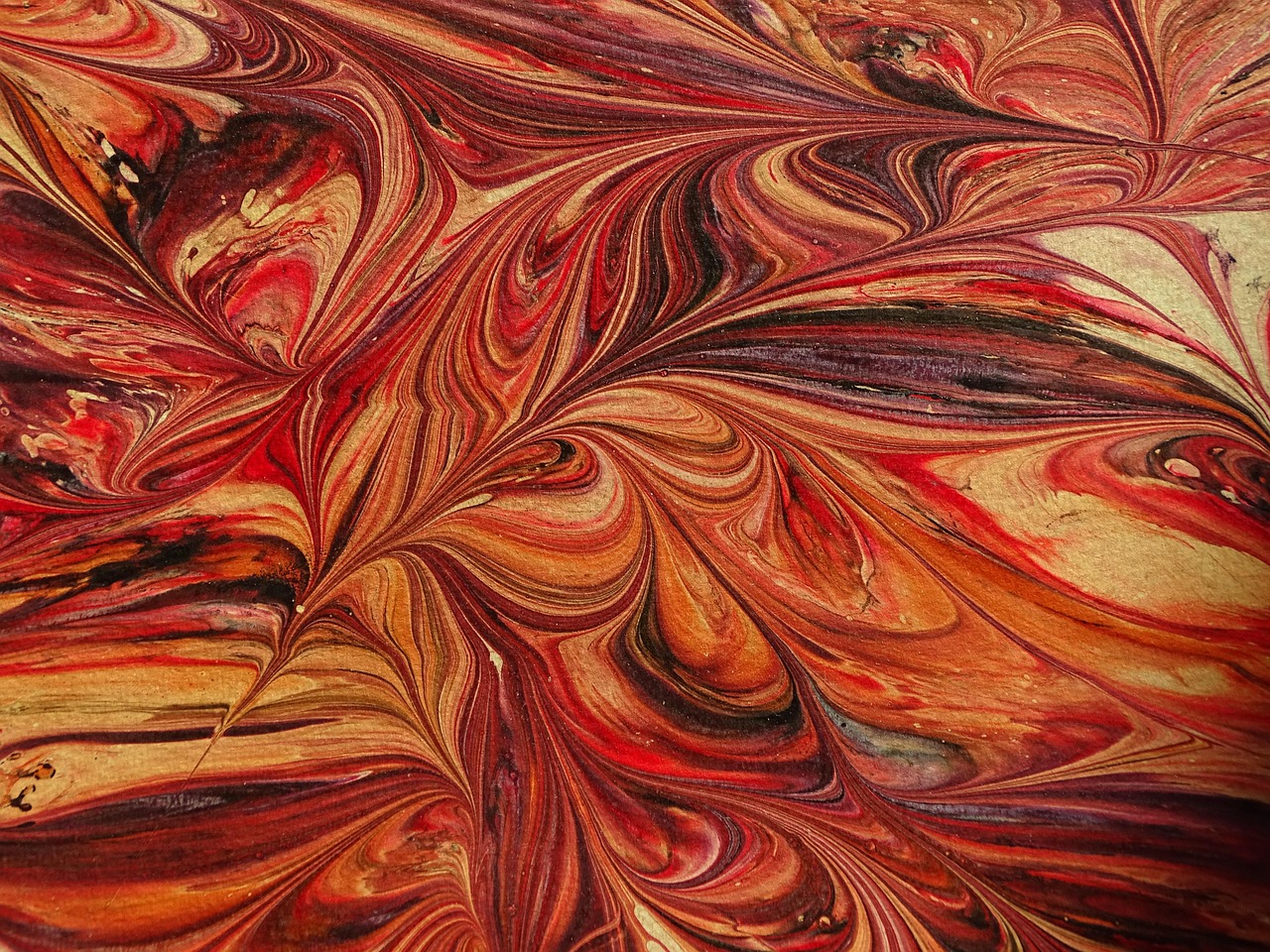
In the Ottoman world, marbled paper lined the covers of manuscripts and framed calligraphy. Over centuries, Turkish artisans developed distinctive patterns with their own names: battal, the loose stone-like spread; gel-git, the tidal wave of layered colour; şal, the diagonal shawl; and the celebrated çiçekli ebru, floral marbling, with its tulips, hyacinths and carnations rendered in a few confident needle strokes.
What makes ebru remarkable is that it has never become museum-only. Walk through the craft neighbourhoods of Istanbul and you will find studios where the trays are wet every day, teaching a new generation of Turkish artists and curious travellers side by side. The tradition stays alive precisely because people keep dipping paper into it.
Where to Watch Ebru in Türkiye
Istanbul: the heart of the craft
Istanbul is the natural capital of ebru. Around the historic bazaars and the streets of Sultanahmet and Beyoğlu you will find small ateliers, many of them family-run, where short demonstrations are offered daily. Cultural centres, art-house cafés and some museums also host regular sessions; a demonstration is usually free or costs the price of a coffee, and it is the perfect introduction before you commit to a class.
Look for studios with actual trays set up and drying racks full of paper — a genuinely active workspace is a much better sign than a polished shop window. Our travel guides cover neighbourhoods worth wandering while you hunt for one.
Bursa and beyond
Bursa, the first great Ottoman capital, has a strong craft tradition and several cultural institutes and art houses where ebru is taught alongside calligraphy and tezhip illumination. Smaller workshops in towns across Anatolia keep the craft close to its roots, and many welcome visitors with a cup of tea and a demonstration at short notice.
If your route takes you east or along the coast, ask at local halk eğitim (public education) centres: ebru classes are often run there for local residents, and visitors are frequently welcomed as guests. Combine a session with a wider cultural itinerary from our itineraries and you get a lovely contrast between monuments and making something with your own hands.
Booking a Beginner Class: Practical Steps
A short introductory ebru workshop is one of the most accessible craft experiences in Türkiye. Expect something between 60 and 120 minutes, with most sessions running around 90 minutes including drying time. Prices vary widely, but a small-group beginner class typically sits in a modest, mid-range bracket — think of it as the cost of a good dinner for two.
Here is how to book with confidence:
- Book one or two days ahead. Small studios cap classes at four to eight people because each participant needs a tray and a working surface.
- Ask about language. Many Istanbul instructors teach in English; elsewhere, a translation app and a lot of smiling works beautifully.
- Confirm group size. A six-person maximum means real hands-on attention. Twenty people around two trays is a demonstration, not a class.
- Check what is included. Good workshops provide the tray, the thickened water, pigments, brushes, paper and protective aprons — and let you take home at least one or two finished sheets.
- Mention children or mobility needs. Ebru is wonderfully inclusive; studios will often adjust table height or pace.
If you are still shaping your trip, our trip planner can help slot a workshop into a busy sightseeing day, and the best-time guide will tell you when craft studios are busiest.
What Actually Happens in a 90-Minute Workshop
Classes almost always begin with the kitre — the tragacanth-thickened water that gives ebru its buoyancy. You will learn why the liquid must be the consistency of thin honey, and why the pigments, mixed with ox bile, sit on the surface instead of sinking. It smells faintly of earth and looks like a shallow pool of milk.
Then the fun starts. Your instructor will show you how to sprinkle colour with a horsehair brush, how to drag a needle through the tray to create the classic battal and gel-git patterns, and — the crowd-pleaser — how to build a flower petal by petal. Your first attempt will probably look like a cheerful accident. Your second will surprise you.
Finally comes the lift: paper laid gently, edges smoothed, then peeled away to reveal a mirror image of everything you did on the water. It is genuinely thrilling, and instructors love watching first-timers gasp. Sheets are usually dried flat on racks or with a hairdryer, so build in 15–20 minutes at the end. Bring a small notebook if you want to jot down pattern names — your teacher will happily spell them out.
"Everyone thinks they cannot do it. Five minutes later they are making tulips and asking for another sheet of paper." — the spirit of nearly every ebru studio in Türkiye
Choosing Your Materials: Paper, Pigments and Patience
Traditional ebru uses handmade paper sized with alum so the colour grips, and natural earth pigments that keep their brilliance for decades. Many studios now also offer cotton rag paper and modern acrylic pigments for beginners, which are easier to handle and dry faster. Ask which you are using — natural pigments have a softer, more historic look.
If you fall in love with the craft, buy a starter kit from the studio where you learned rather than online. You will get the right brushes, the right kitre, and a tray that actually floats your paint. Instructors love sending students home equipped, and a kit is a far better souvenir than another magnet.
For an overview of what else is worth bringing home from Türkiye, browse our travel tools, and if you want to meet artisans beyond ebru, our local experts can point you toward ceramics, calligraphy and textile studios.
Packing Your Paper Blooms Safely
Your finished ebru is a flat, delicate sheet, and the biggest risk is not water — it is creasing. Here is the traveller's method:
- Let it dry completely. Ask the studio to finish drying it; damp paper creases permanently.
- Sandwich it flat. Place the sheet between two pieces of clean card or a stiff folder, then slide it into a large zip-lock bag or a rigid document wallet.
- Pack it in the middle of your suitcase. Flat, between layers of clothing, never near the edges or wheels.
- Roll, don't fold, if space is tight. Roll loosely around a cardboard tube with the painted side facing out, then tape the tube closed.
- Consider shipping. Studios can often roll and post artwork; ask about tubes and tracked shipping if you are buying larger pieces.
Once home, frame it behind glass with an acid-free mount and keep it out of direct sunlight — your tulip will glow for years.
Making It Part of Your Trip
Ebru is more than a souvenir: it is a couple of hours spent being gloriously bad at something beautiful, in the company of Turkish artisans who genuinely love sharing their craft. Book a class early in your trip so your artwork has time to dry, and leave a little room in your suitcase — you will want it.
Whether you are planning a first visit or a slow return, our destinations pages and blog are full of ideas for hands-on cultural experiences. Come for the monuments, stay for the trays of floating colour.
Thinking about a trip to Turkey?
Share your contact details and a vetted local expert will follow up with a plan built around you — free, no obligation.