

A New Chapter in German-Turkish Travel
German travel agencies are significantly expanding their Türkiye programmes for 2026 and 2027, with a clear focus on the country's southeast. Once overshadowed by the classic Antalya–Istanbul circuit, destinations such as Mardin, Gaziantep, Şanlıurfa and the Euphrates valley are now appearing as featured discovery routes in German-language catalogues and online booking platforms.
The shift reflects growing demand among German travellers for authentic cultural immersion, UNESCO-listed heritage and world-class regional cuisine. Operators report that small-group and tailor-made itineraries to the southeast are selling faster than expected, prompting additional departure dates for spring and autumn 2027.
For international guests, the region is welcoming and well prepared: improved regional flight connections, a growing number of boutique stone-house hotels, and English- and German-speaking local guides make independent and guided travel easier than ever.
Mardin: Stone Mansions Above the Mesopotamian Plain
Perched on a hillside overlooking the Mesopotamian plain, Mardin is the emotional highlight of most new southeast itineraries. Its honey-colored limestone mansions, carved with intricate arches and geometric reliefs, line pedestrian lanes that wind past mosques, churches and monasteries.
Highlights include the Old Town with its historic bazaar, the Great Mosque, the Kasımiye Madrasa with its tranquil courtyard, and the Deyrulzafaran Monastery, still home to a Syriac Orthodox community. Sunset views from the terraces toward the plain are unforgettable.
Many German tour operators now include two nights in Mardin, often in restored mansion hotels. Local guides explain the city's multilingual heritage — Turkish, Kurdish, Arabic and Syriac — making it one of the most culturally layered stops in Türkiye.
Gaziantep: Türkiye's Culinary Capital
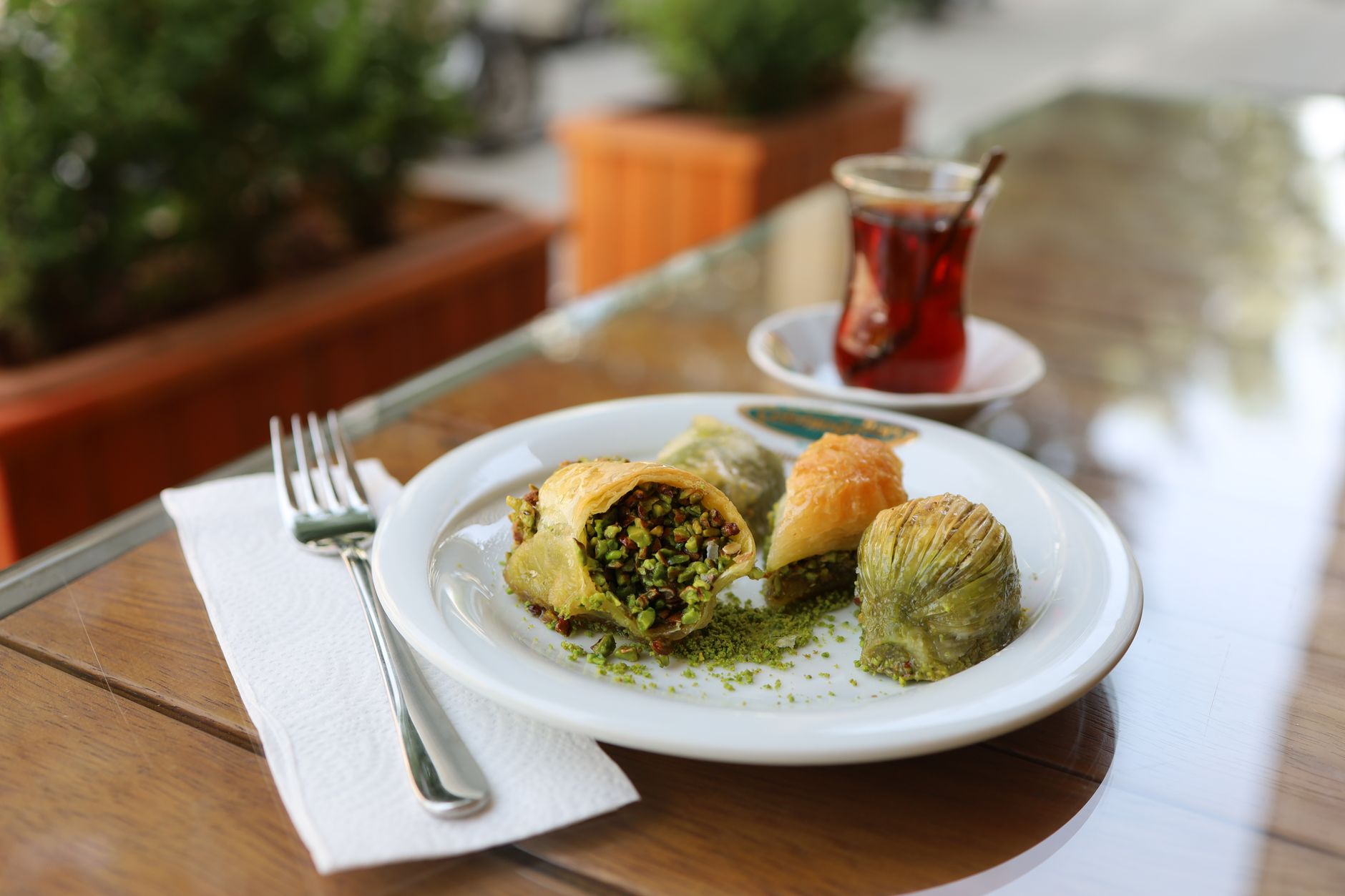
Gaziantep, widely regarded as Türkiye's gastronomic capital, is the second anchor of the new German market programmes. The city's cuisine is protected by UNESCO as intangible cultural heritage, and food-focused tours are proving especially popular with German travellers.
Must-try experiences include baklava made with local pistachios, kebab varieties such as Ali Nazik, hearty breakfast spreads, and katmer served warm. Cooking workshops, spice-market walks and visits to pistachio farms are increasingly offered as add-ons.
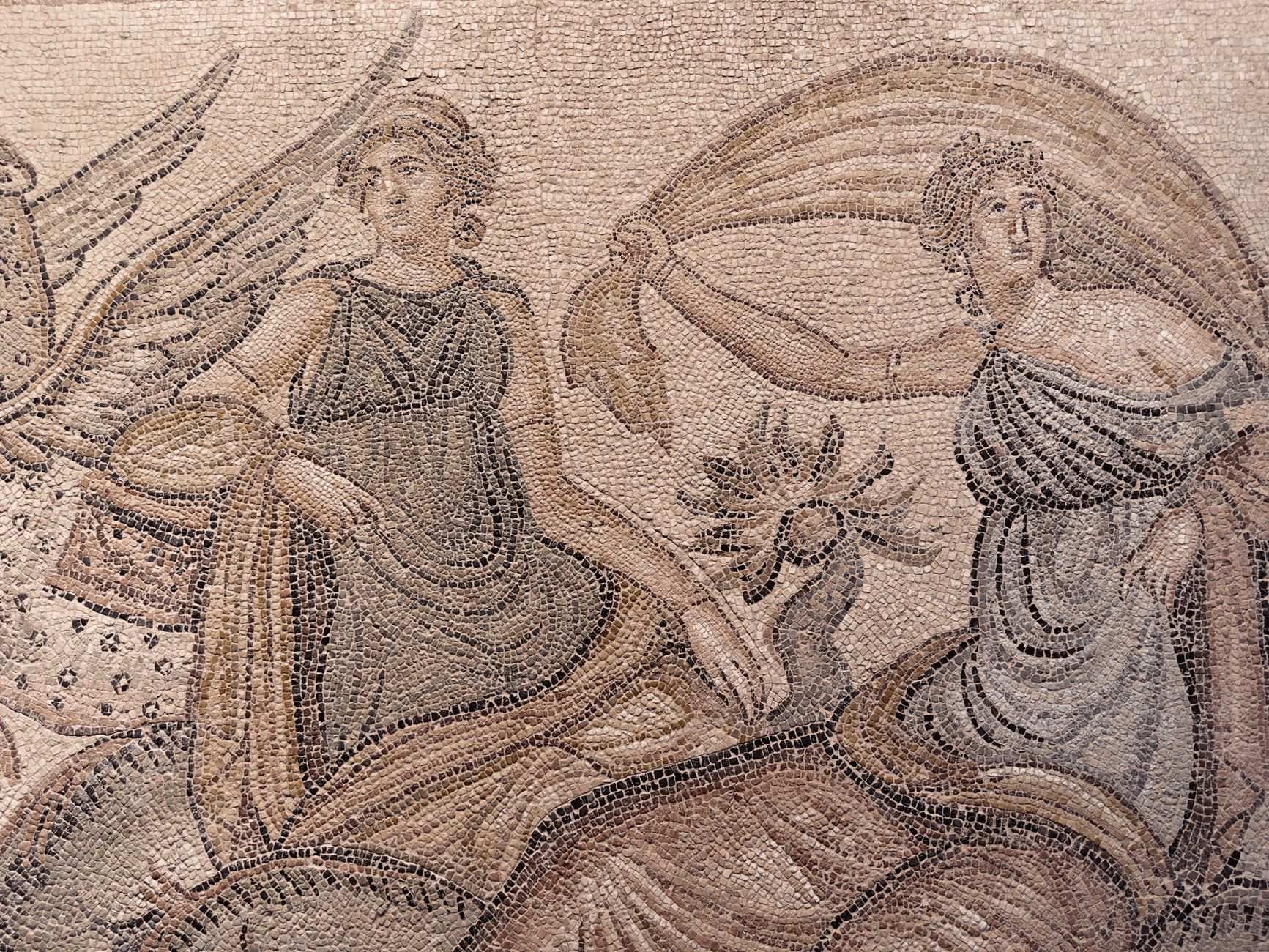
Beyond food, Gaziantep offers the Zeugma Mosaic Museum, home to the famous Gypsy Girl mosaic, and the striking Gaziantep Castle in the city centre. The combination of cuisine and ancient art makes it an easy sell for culture-hungry visitors.
Ancient Sites Along the Euphrates
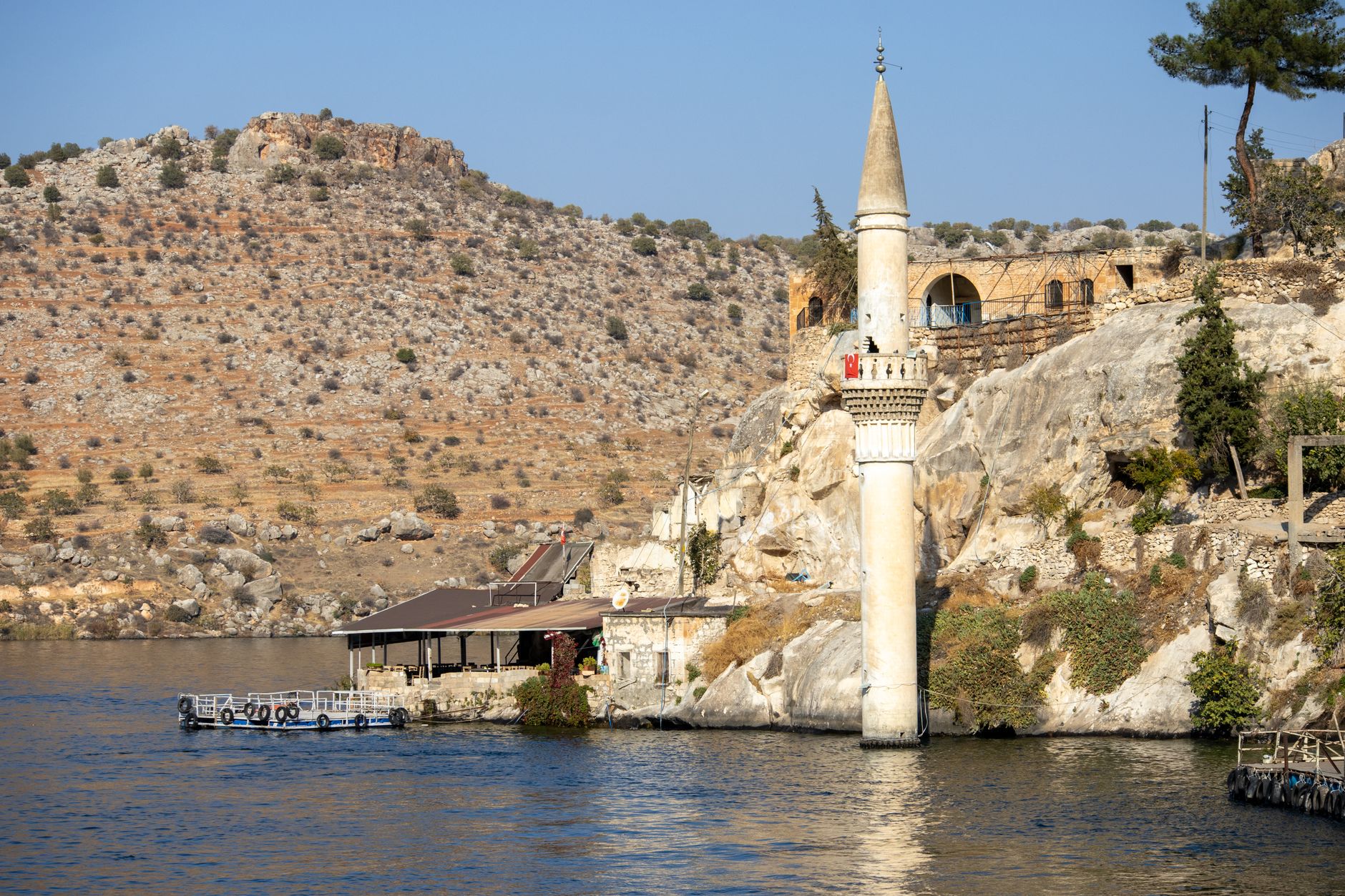
The Euphrates river shapes the region's history and scenery. New tours link Gaziantep with Halfeti, a riverside town known for its sunken minaret and boat trips on the turquoise reservoir, and continue east toward Şanlıurfa, often called the city of prophets.
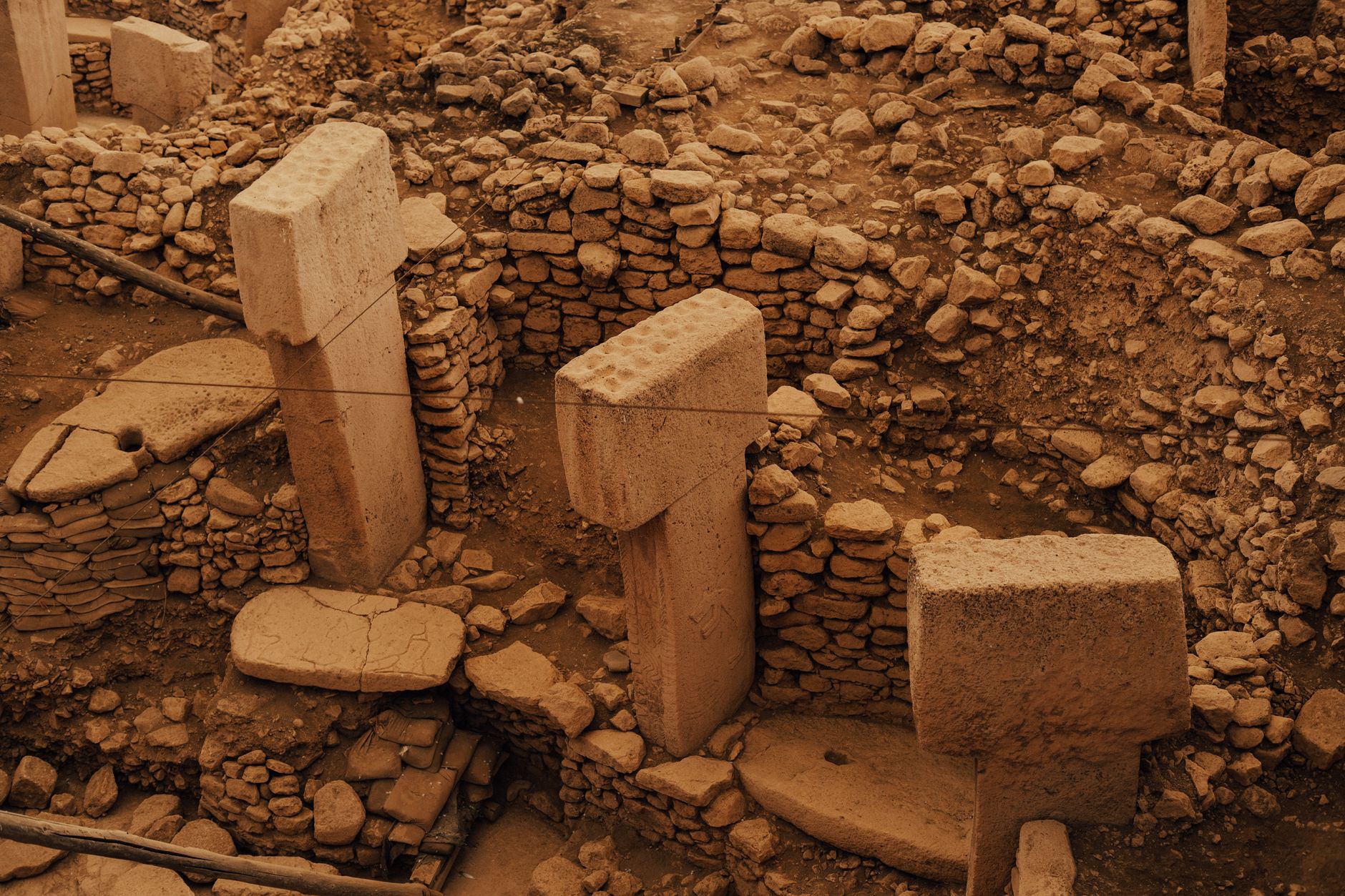
Nearby Göbeklitepe, a UNESCO World Heritage Site dating back some 11,000 years, is a headline attraction on these itineraries. The visitor centre and covered excavation area make the site accessible and comfortable for international guests.
Other stops include the ancient city of Zeugma, the fortress of Rumkale, and the fish-filled pools of Balıklıgöl in Şanlıurfa. Boat rides, riverside lunches and sunset photography at Halfeti add a relaxed pace between cultural visits.
Suggested Tour Routes and Best Travel Months
German agencies are promoting several flexible routes. A popular five-day discovery loop starts in Gaziantep, continues to Halfeti and Şanlıurfa with Göbeklitepe, then finishes with two nights in Mardin. A seven- to eight-day version adds Diyarbakır's basalt walls and the ancient bridge at Hasankeyf area viewpoints.
For independent travellers, flying into Gaziantep and out of Mardin (or vice versa) avoids backtracking. Regional flights connect both cities with Istanbul and Ankara, while private drivers and small coaches handle the scenic intercity stretches.
The best months are April to mid-June and September to early November, when temperatures are mild and terraces, bazaars and archaeological sites are at their most pleasant. Spring brings green plains and wildflowers; autumn offers golden light and harvest season in the pistachio groves.
Local Food Experiences and Practical Tips
Food is the connective thread of any southeast journey. In Mardin, look for kaburga dolması (stuffed lamb ribs), sembusek pastries and local almond sweets. In Şanlıurfa, try çiğ köfte made with bulgur, and in Gaziantep, end every meal with pistachio baklava and a glass of tea.
Visitors should note that the region is culturally conservative: modest dress is appreciated at religious sites, and women may wish to carry a light scarf. Hospitality, however, is famously warm — invitations to tea and shared meals are common and genuine.
German-speaking guides are available in Mardin and Gaziantep, and many hotels and restaurants cater to international guests. Booking through a reputable local operator helps ensure comfortable transport, well-paced days and meaningful introductions to communities along the Euphrates.
Thinking about a trip to Turkey?
Share your contact details and a vetted local expert will follow up with a plan built around you — free, no obligation.