

A Quiet Wonder Hiding in Plain Sight
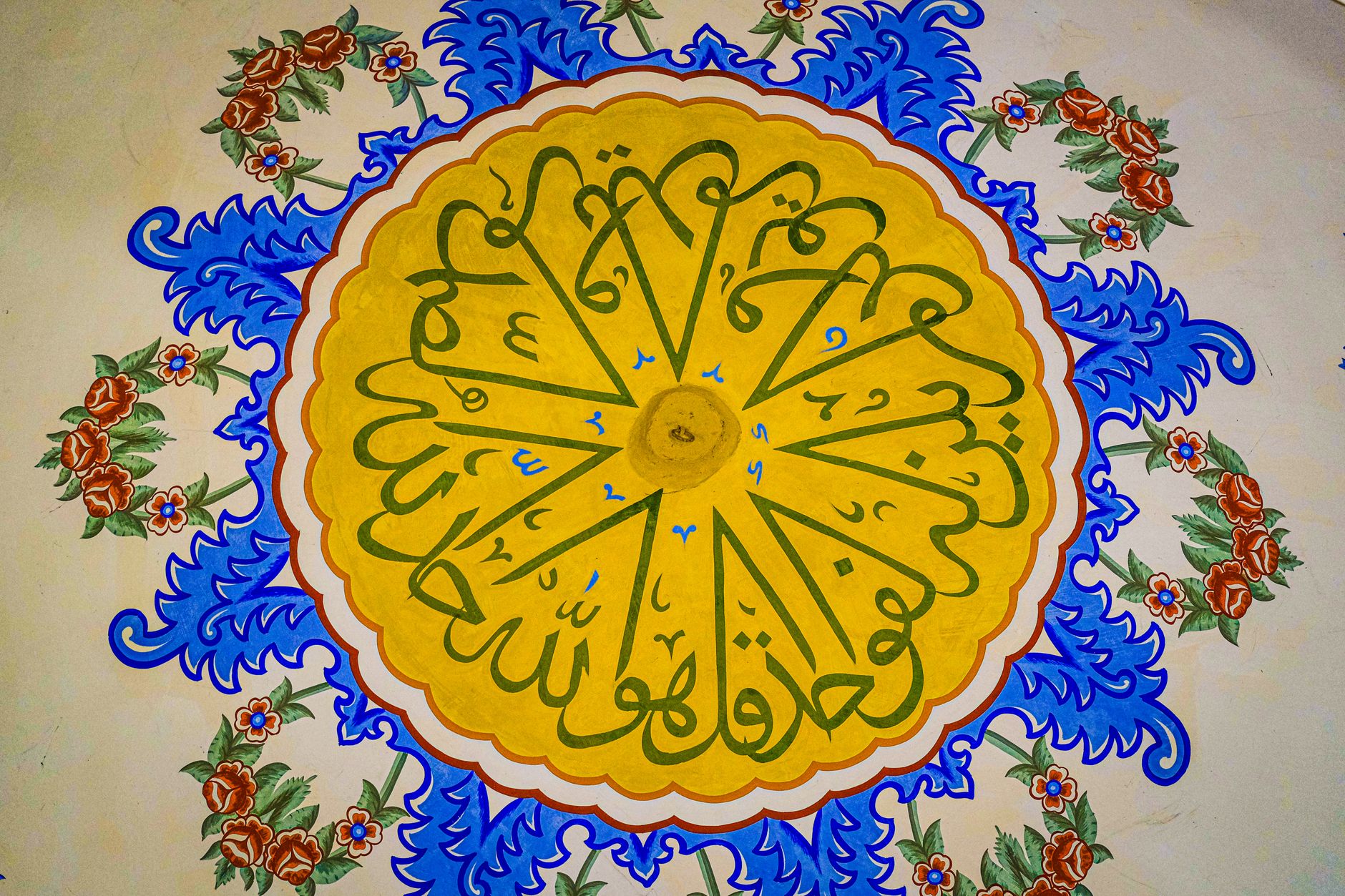
Travelers come to Türkiye for Hagia Sophia's vast domes, for the tiled wonders of İznik, for the whirling silhouettes of Konya. But some of the country's most moving artistic moments are found in places no ticket office guards: small neighborhood mosques and village prayer halls whose ceilings and walls are alive with hand-painted flowers, trailing vines, and whimsical arabesques in rose, sky blue, sage, and gold.
This is the folk art of the kalem işi — literally "work of the pen" — a tradition of decorative painting carried out by local craftsmen rather than imperial court ateliers. Where the great Ottoman mosques relied on monumental tile panels and carved stone, ordinary communities decorated their prayer spaces with brush and pigment: a spray of tulips above a window, a garland of carnations around an arch, a starry sky of rosettes spreading across a wooden ceiling.
To step into one of these rooms is to feel the affection of the people who made it. The painting is often confident and unpretentious, sometimes charmingly uneven, always personal. For travelers willing to slow down, these interiors offer a rare, intimate glimpse of Anatolian devotion and imagination.
What Makes This Tradition So Special
The roots run deep. Ottoman decorative painting drew on earlier Anatolian, Persian, and Islamic floral vocabularies, and local masters adapted them freely. In the nineteenth and early twentieth centuries, as villages prospered and wooden mosques were rebuilt or refreshed, itinerant painters and self-taught craftsmen covered interior surfaces with exuberant pattern work. Many signed nothing. Their legacy survives in hundreds of modest buildings across the countryside.
The motifs are a botanical garden of meaning. Tulips, carnations, hyacinths, roses, and stylized vines coil across plaster and wood. Geometric medallions and star patterns echo the cosmos. Some painters added landscapes or architectural fantasies, turning a plain wall into a painted stage set. Colors were often mixed from local pigments, giving these interiors a warm, earthy palette that photographs beautifully in soft window light.
What delights many visitors is the sheer freedom of it. There is no rigid imperial program here — just a community's wish to make its prayer space beautiful. The result feels closer to folk embroidery or painted village chests than to palace formality, and that is precisely its charm.
The finest tilework in Türkiye belongs to sultans. The most affectionate painting belongs to villages.
Where the Interiors Shine Brightest
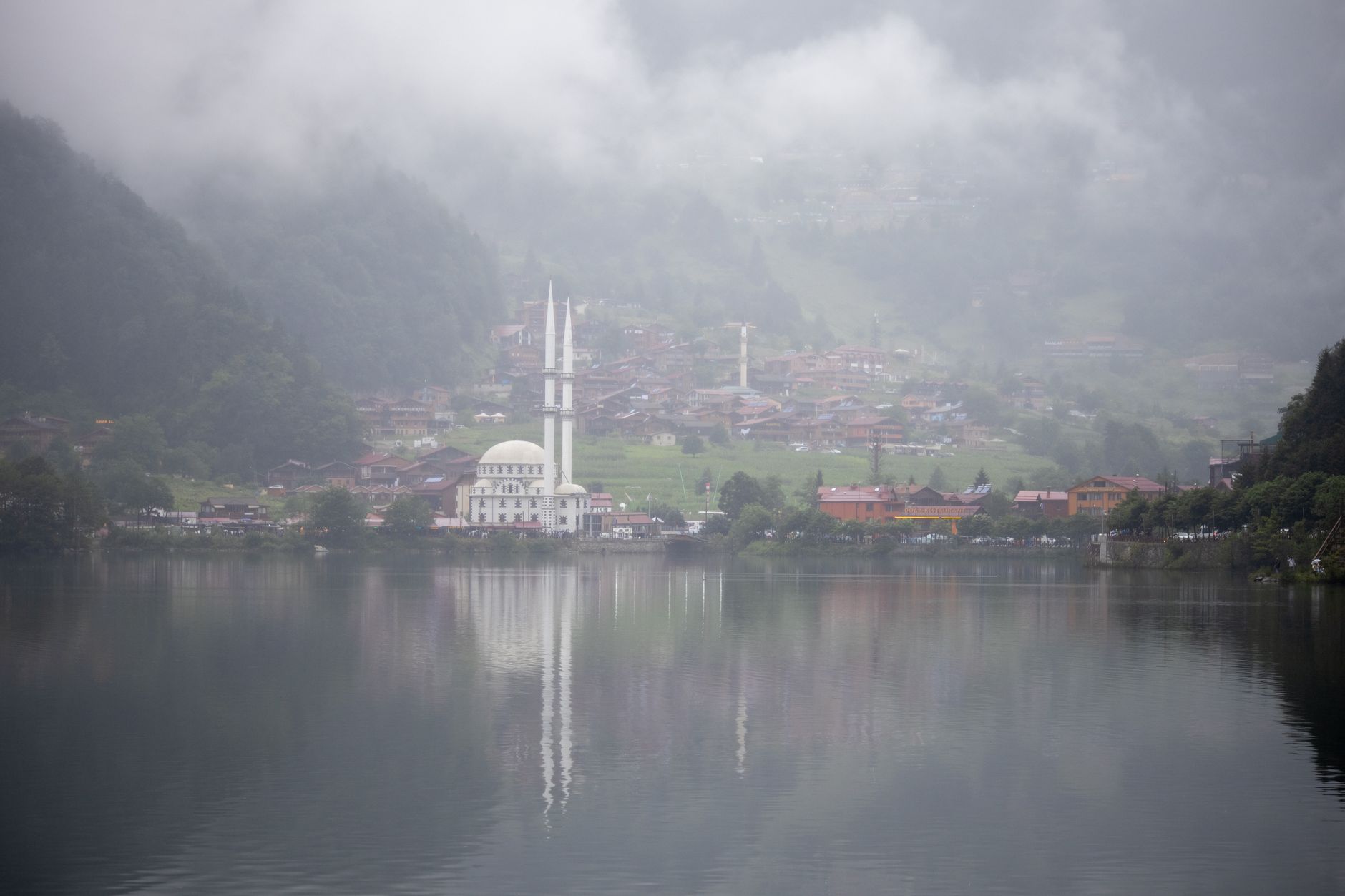
Some of the most celebrated examples sit in the Black Sea highlands. In the villages around Trabzon and Rize, wooden mosques with painted ceilings and floral walls survive in remarkable numbers, often surrounded by tea gardens and mist. The countryside near Artvin and the valleys inland from the coast reward anyone with a car and patience.
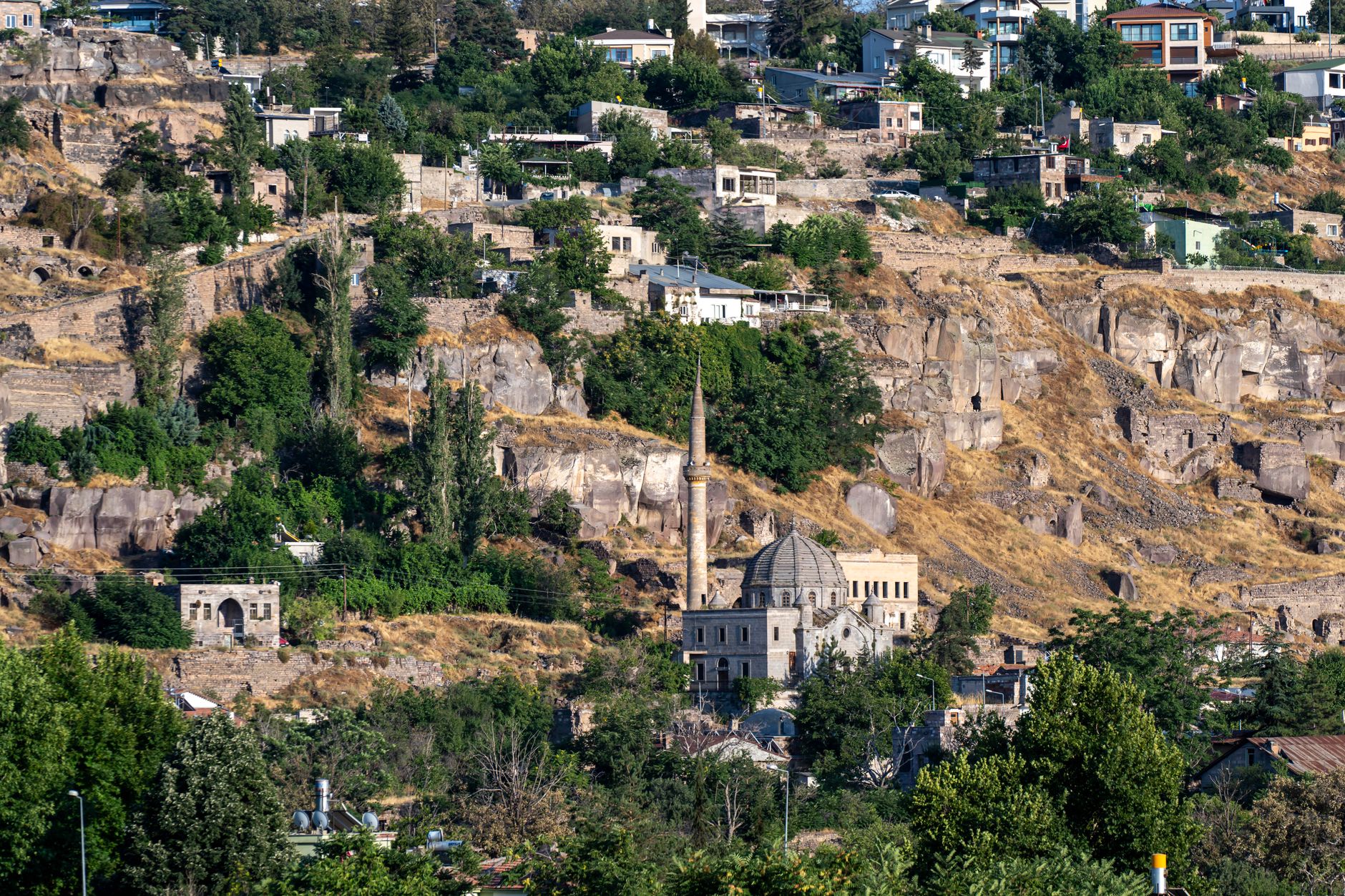
In central Anatolia, towns such as Konya, Aksaray, and the smaller settlements of Cappadocia hold neighborhood mosques where nineteenth-century painting brightens the prayer hall. Cappadocia is especially rewarding: after the rock-cut churches and cave hotels, a painted village mosque offers a completely different kind of wonder, and our destination guides can help you build a route that includes both.
Eastern Anatolia and the Lake Van basin add another layer. Here, local painting traditions mingle with earlier decorative impulses, and small mosques in Kars, Erzurum, and surrounding villages sometimes surprise visitors with richly ornamented interiors. Along the Aegean and Mediterranean hinterlands, too, town mosques in places like Bergama, Milas, and the villages above Antalya preserve painted ceilings that few guidebooks mention.
The honest truth is that the map is incomplete. New examples are rediscovered, restored, or simply opened by a caretaker with a key. Ask locally, follow the minaret, and be ready for a detour.
Visiting with Respect and Grace
These are working places of worship, not museums. Etiquette is simple and sincere: dress modestly, covering shoulders and knees, and carry a scarf if you are a woman. Remove your shoes at the entrance and place them on the rack or in a bag. Speak softly, avoid walking in front of anyone praying, and never photograph people at prayer without permission.
Timing matters. Avoid the half hour around the five daily prayers, especially Friday midday, when the mosque fills. Mid-morning and mid-afternoon are usually calm. If the door is locked, a caretaker — often the imam or a neighbor — may open it for you; a polite request in Turkish or through a translation app goes a long way. A small donation toward upkeep is appreciated but never required.
Ask before taking photographs, and never use flash near painted surfaces, which can be fragile. Do not touch the painting; oils from fingers damage pigment. If someone is reciting the Quran, wait quietly until they finish. Treat the space as you would a beloved grandmother's sitting room: with warmth, attention, and care. Our travel guides cover more cultural etiquette for first-time visitors to Türkiye.
Seeing the Details: A Painter's Eye
Bring binoculars if you can. Much of the finest work is overhead — ceiling rosettes, pendentive medallions, borders running along the cornice. Look for the painter's hand in small irregularities: a leaf that curls the wrong way, a flower repeated with slight variation, a border that changes color halfway around the room. These are not flaws but signatures of human making.
Notice the materials. Wooden ceilings in the Black Sea region show painting on timber, while plaster walls elsewhere carry pigment that has softened with time. Restoration, when done well, preserves the original palette; when done less well, it can look glossy and modern. Both tell you something about the building's life.
Finally, look at how the painting works with light. Small windows and deep sills mean the colors shift through the day. A bench by the door and ten quiet minutes will reveal more than a hurried circuit of photographs.
Building a Journey Around Folk Art
These interiors reward a slower itinerary. Rather than rushing between headline sights, spend a day in one town and ask about its older mosques. Combine a Black Sea loop — Trabzon, Rize, and the mountain villages — with inland stops, or weave painted prayer halls into a Cappadocia and Konya route. Our itineraries and route suggestions can be adapted to include these quieter stops.
Travelers who want local context often benefit from a knowledgeable guide or fixer who can make introductions and translate. Our local experts can arrange exactly that kind of access, and the trip planner is a good place to sketch a route around the towns that interest you most. Consider spring or autumn for comfortable driving and soft light; our best-time guide explains the seasons in detail.
Above all, come curious rather than hurried. The painters of these interiors were not famous, and their names are mostly lost. But they left something rare: rooms where faith, craft, and joy meet in color. Seen with respect and a little patience, Anatolia's hand-painted mosques may become the most memorable stop of your journey.
Thinking about a trip to Turkey?
Share your contact details and a vetted local expert will follow up with a plan built around you — free, no obligation.