

The Lycian Way: A Long-Distance Trail That Welcomes Everyone
Stretching roughly 540 kilometres along Turkey's turquoise southwest coast, from Fethiye to Antalya, the Lycian Way is regularly ranked among the world's best long-distance walks. It threads through pine forests, over limestone ridges and down to hidden coves where the Mediterranean glows in shades of emerald and sapphire. Yet for all its drama, it is also surprisingly forgiving — a trail where you can walk for four hours, arrive at a village guesthouse by mid-afternoon, and spend the evening watching the sun set over the sea with a glass of çay in hand.
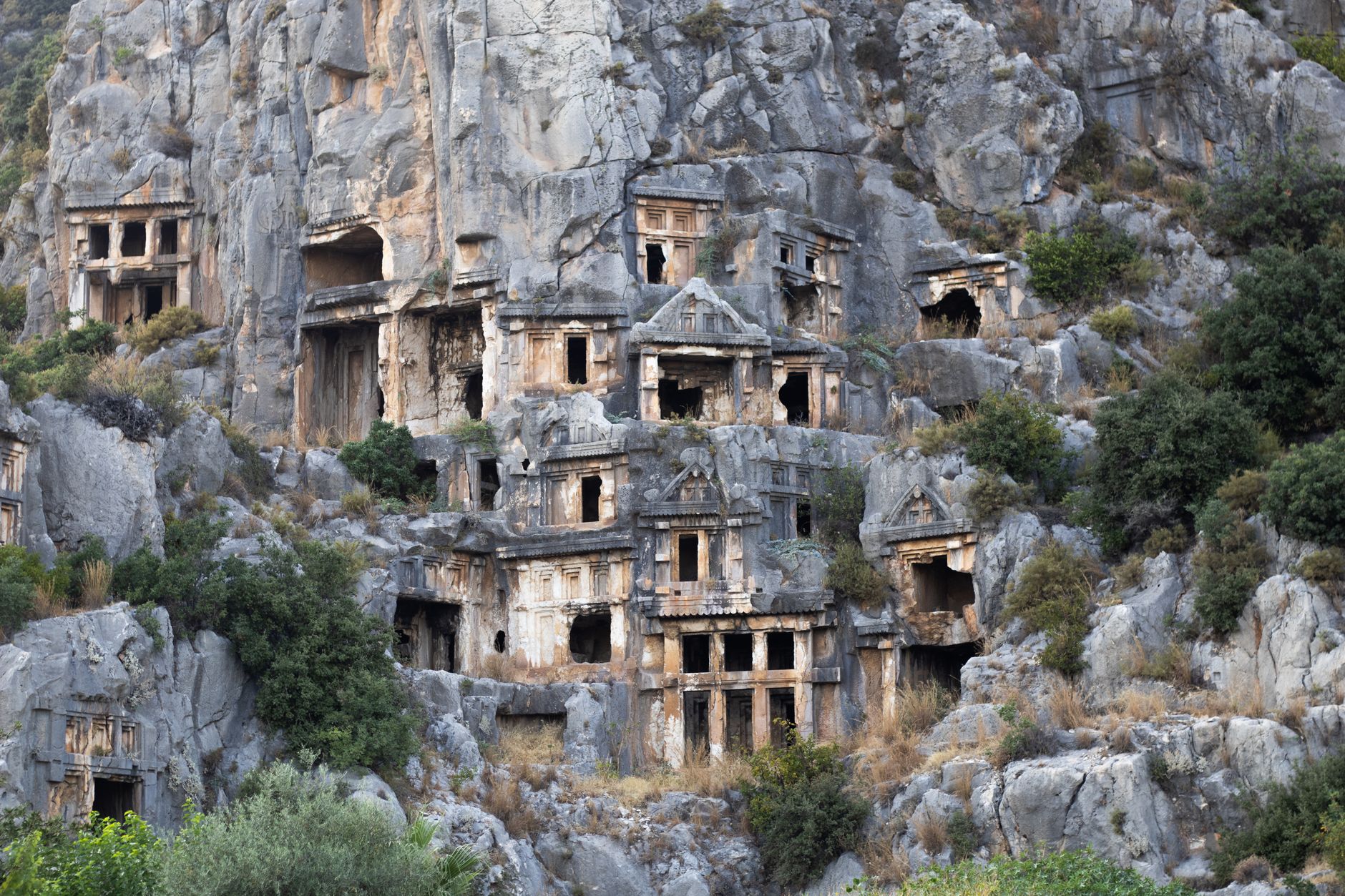
The route follows the footsteps of the ancient Lycians, passing rock-cut tombs, Roman aqueducts and ruined cities that few visitors ever see. But what makes it truly special for travellers of average fitness is the infrastructure that has grown up around it. Family-run pensions, village cafés and small hotels now dot the trail at comfortable intervals, meaning you can experience one of the world's great walks without carrying everything you own or sleeping rough.
Whether you have two weeks or two days, whether you are a seasoned trekker or a curious first-timer, the Lycian Way offers a version of itself that fits. This guide is about walking it in comfort: choosing gentle stages, finding charming places to stay, and letting the generosity of local hosts carry you along the coast.
Why the Lycian Way Rewards the Comfort-Minded Walker
Many famous long-distance trails demand sacrifices — hut dormitories, long resupply gaps, unpredictable weather. The Lycian Way is different. Its climate is mild for most of the year, its terrain is varied rather than relentlessly brutal, and its villages sit close enough together that you are rarely more than a few hours from a hot meal and a bed.
The trail is typically divided into around 25 to 30 stages, and many of these stages can be shortened further. A day of five to twelve kilometres is entirely realistic, and it often delivers the same knockout views as a twenty-kilometre slog. Coastal sections in particular — around Kaş, Kalkan and Adrasan — offer gentle contours, sea breezes and swimming opportunities that turn a hike into something closer to a walking holiday.
There is also a cultural comfort here that is hard to overstate. Villagers along the route are famously welcoming. It is not unusual to be offered fruit from a tree, a glass of tea, or directions delivered with genuine warmth. This is not a trail you walk in isolation; it is one you walk in conversation with the people who live along it.
Gentle Stages for Every Ability Level
The beauty of the Lycian Way is that you can build your own itinerary. If you are new to long-distance walking, consider basing yourself in one or two towns and doing day walks with a light pack. The stretch between Kaş and the village of Limanağzı, for example, is a short, spectacular coastal ramble with swimming stops and a ruined settlement at the end. Near Fethiye, the walk from Ölüdeniz to Faralya offers forest shade, butterfly-filled valleys and a famous cliff-top view over the Blue Lagoon.
For those with a little more experience, multi-day sections such as Kaş to Kalkan or Adrasan to Çıralı combine moderate climbs with rewarding descents to the sea. These stages usually take four to six hours at an unhurried pace, with plenty of time for photographs, lunch and a swim. Even the more demanding ridge walks, like the climb above Kabak, reward effort with panoramas that stretch across the entire Lycian coast.
The key is honesty about your own pace. The trail is well marked, but it is not flat, and summer heat can be fierce. Plan shorter days in July and August, start early, and treat the middle of the day as a siesta. In spring and autumn — the ideal seasons — you can comfortably walk longer and still arrive with energy to explore.
"We walked four hours a day, swam every afternoon, and ate dinner with our hosts every night. It was the most relaxed adventure we have ever had." — a sentiment echoed by countless Lycian Way walkers.
Villages and Pensions: Where the Trail Feels Like Home
One of the greatest joys of the Lycian Way is the accommodation. Rather than anonymous hotels, the trail is lined with small pensions, family guesthouses and village rooms where hosts treat walkers like long-lost relatives. Places like Faralya, Kabak, Gökçeören, Üçağız and Adrasan have built their reputations on welcoming hikers, and the standard is remarkably high.
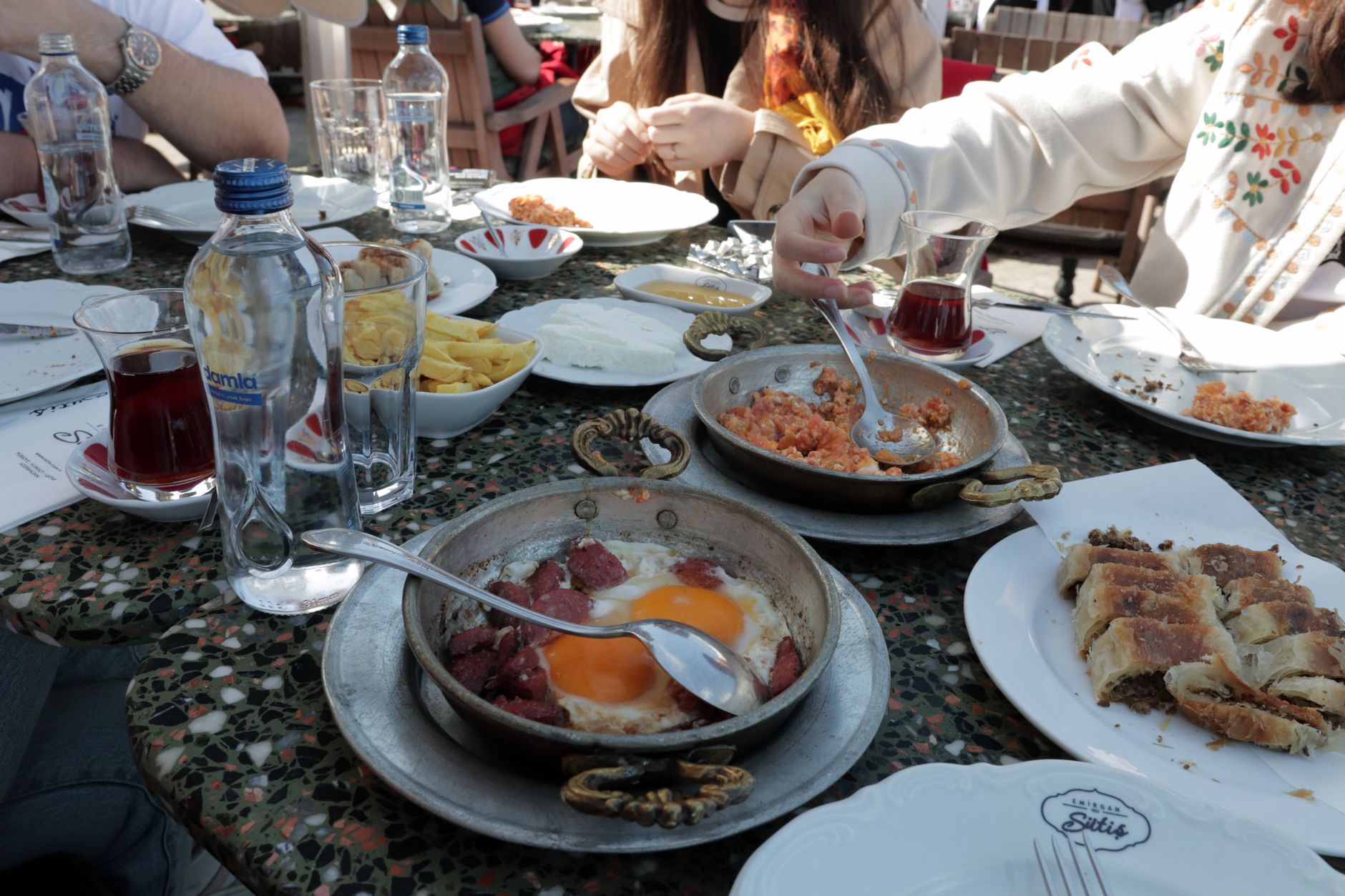
Many pensions offer half-board — a hearty dinner and breakfast included — for prices that would astonish travellers used to Western Europe. Expect home-cooked Turkish dishes: stuffed vine leaves, freshly caught fish, village bread, olives from the garden and endless glasses of tea. Some properties have pools, most have terraces, and almost all have views. Falling asleep to the sound of cicadas and waking to birdsong is part of the experience.
Booking ahead is wise in peak season, especially in popular stops like Kabak and Çıralı. But even in quieter months, a phone call or a message the day before usually secures a room. Many hosts will happily arrange a pick-up from the nearest trailhead if you are tired or the weather turns — a small kindness that reflects the trail's spirit.
Logistics Made Easy: Waymarking, Water and Luggage Transfers
The Lycian Way is marked with red-and-white painted stripes and occasional yellow signs, and in recent years the waymarking has improved significantly. That said, it is not a manicured European trail: junctions can be confusing, and some sections have alternative routes. A good paper guidebook, a reliable mapping app with offline maps, and a willingness to ask locals will keep you on track. Fellow walkers are also a friendly source of information — the trail has a genuine community feel.
Water is the single most important logistical consideration. Outside villages, natural springs are unreliable and often dry in summer. Carry at least two litres per person, more on hot days, and refill at every opportunity — cafés, pensions, cemeteries and village fountains. A water filter or purification tablets add peace of mind on remote stretches.
Luggage transfers have transformed the Lycian Way for comfort-minded walkers. Several local operators will move your bag from one accommodation to the next for a modest daily fee, meaning you can hike with just a daypack. This service is well established between the main stops and can be arranged in advance or through your pension hosts. Combined with pre-booked rooms, it turns the trail into a genuinely relaxed point-to-point walking holiday.
Staying Safe and Walking with Confidence
The Lycian Way is a safe trail by international standards, and crime is virtually unheard of. The main risks are environmental: heat, dehydration, rocky descents and occasional loose scree. Walking in spring or autumn, starting early, wearing proper shoes and carrying a charged phone will mitigate almost all of them. Mobile coverage is good in most villages and patchy only on remote ridges.
Solo walkers — including women travelling alone — frequently report feeling comfortable and well looked after along the route. Village hospitality is genuine, and hosts often go out of their way to ensure guests are safe and well fed. As anywhere, trust your instincts, and let someone know your planned route each day.
Emergency numbers work across Turkey, and the AKUT mountain rescue team operates nationally. In practice, the biggest challenge most walkers face is deciding whether to swim before or after lunch. The trail rewards preparation, but it also rewards a relaxed attitude: this is a place to slow down, breathe the pine air and let the Mediterranean set the pace.
Plan Your Lycian Way Adventure
The best time to walk is April to June and September to November, when temperatures are mild and the sea is warm enough for swimming. Spring brings wildflowers and rushing streams; autumn offers golden light and quieter trails. Summer is possible if you keep stages short and start at dawn, while winter walking is feasible on lower coastal sections.
Getting there is straightforward: fly into Dalaman or Antalya, both of which have direct connections to the trailheads via bus or private transfer. Most walkers start in Fethiye or Ölüdeniz and head east, but the route works in either direction. Allow a minimum of a week for a meaningful section, two to three weeks for a serious through-hike, or a long weekend for a taste.
Above all, remember that the Lycian Way is not a race or a test. It is a 540-kilometre invitation to walk through ancient landscapes, sleep in welcoming villages and swim in water the colour of stained glass. With gentle stages, comfortable pensions and luggage transfers, there has never been a better time to answer it.
Thinking about a trip to Turkey?
Share your contact details and a vetted local expert will follow up with a plan built around you — free, no obligation.