

A Monument of Coexistence Reopens Its Doors
In a celebration of Türkiye's rich, multi-layered history, a historic Greek Orthodox church has been meticulously restored and reopened as a museum. This landmark site, located in the heart of a vibrant historic neighborhood, stands as a testament to the centuries of cultural coexistence that have shaped Anatolia.
The reopening marks the culmination of years of careful restoration work, carried out by a team of Turkish and international experts. Every fresco, icon, and stone has been treated with reverence, ensuring that the church's spiritual and artistic legacy endures for generations to come.
For travelers, this presents a unique opportunity to step into a living museum where Byzantine, Ottoman, and modern Turkish stories intertwine. It's a place where the call to prayer and the echo of ancient hymns seem to meet across time.
A Journey Through Time: The Church's Storied Past
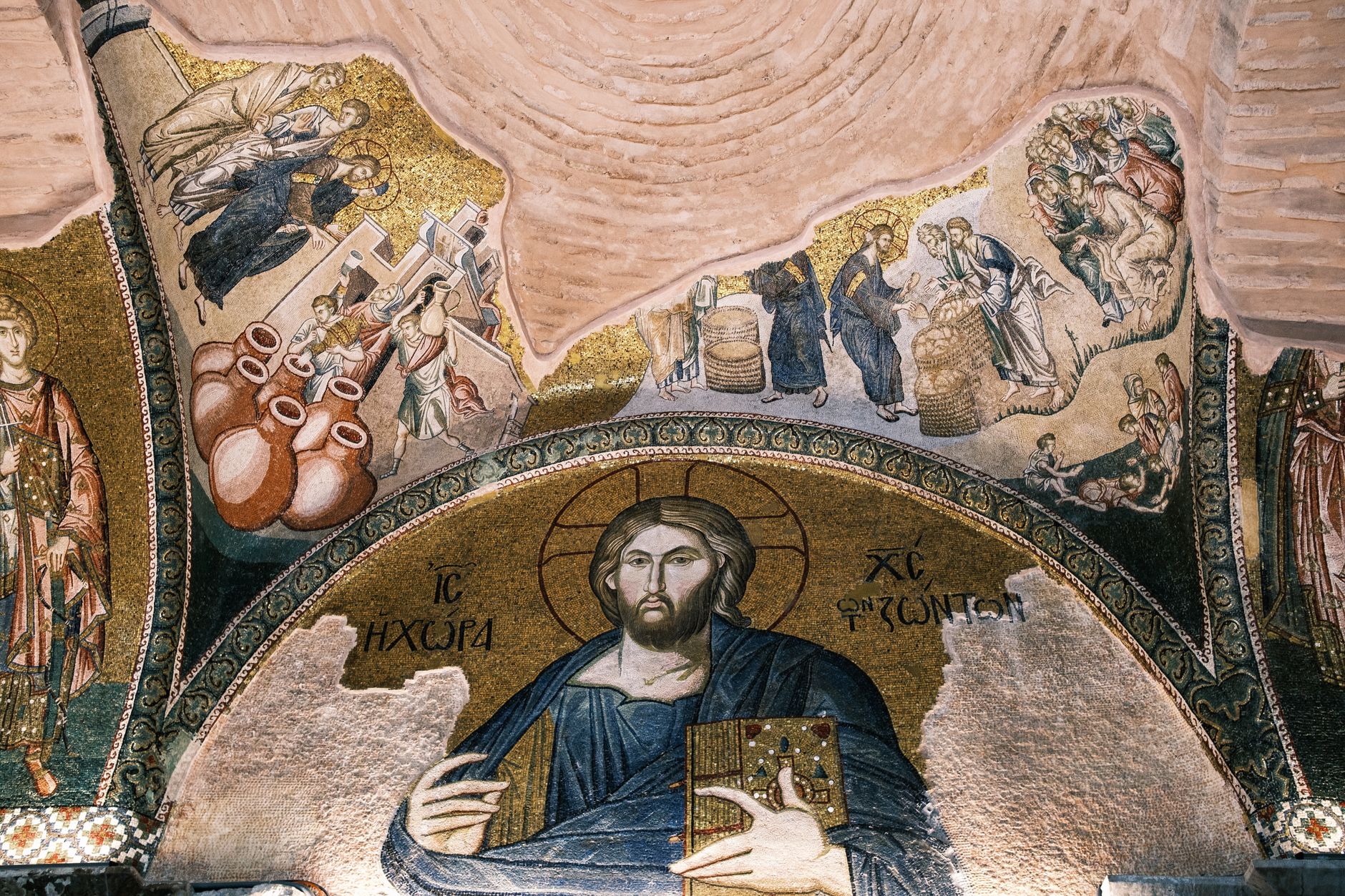
Originally built in the 19th century (though some sources trace its foundations to earlier periods), the church served as a spiritual center for the Greek Orthodox community of the city. Its architecture blends neoclassical and Byzantine elements, with a stunning iconostasis and vibrant frescoes that have now been painstakingly revived.
After the population exchange of the 1920s, the building fell into disuse and later served various purposes before being closed to the public. Its transformation into a museum is part of a broader initiative to preserve Türkiye's diverse religious and cultural heritage.
Today, visitors can admire the restored interior, including original icons, liturgical objects, and interpretive panels that tell the story of the church and its community. The museum also hosts temporary exhibitions on interfaith dialogue and cultural exchange.
Visiting the Museum: Practical Information
The museum is open Tuesday through Sunday, from 9:00 AM to 5:00 PM (last entry at 4:30 PM). It is closed on Mondays. Admission is 200 Turkish Lira for adults, with discounts for students and free entry for children under 12.
Audio guides are available in Turkish, English, Greek, and German, providing deep insights into the church's history and restoration. Guided tours in English are offered daily at 11:00 AM and 2:00 PM, subject to availability.
The museum is wheelchair accessible, with ramps and elevators installed as part of the restoration. A small café and gift shop are located on the grounds, offering refreshments and locally made crafts.
Exploring the Surrounding Historic Neighborhood
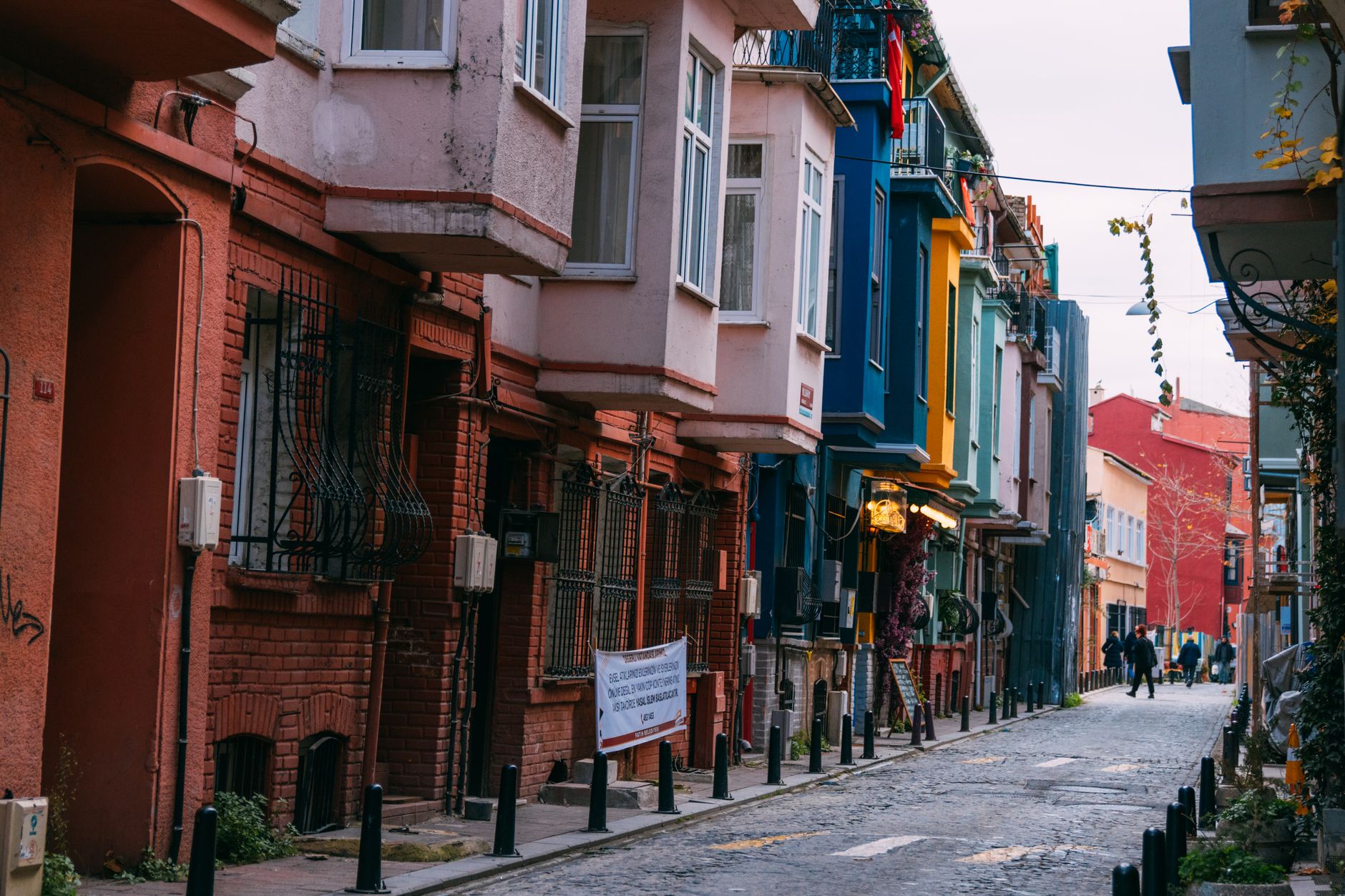
The museum is nestled in one of the city's most charming historic districts, where cobblestone streets are lined with Ottoman-era houses, antique shops, and traditional eateries. After your visit, take a leisurely stroll to the nearby neighborhood of Balat, famous for its colorful houses and vibrant street art.
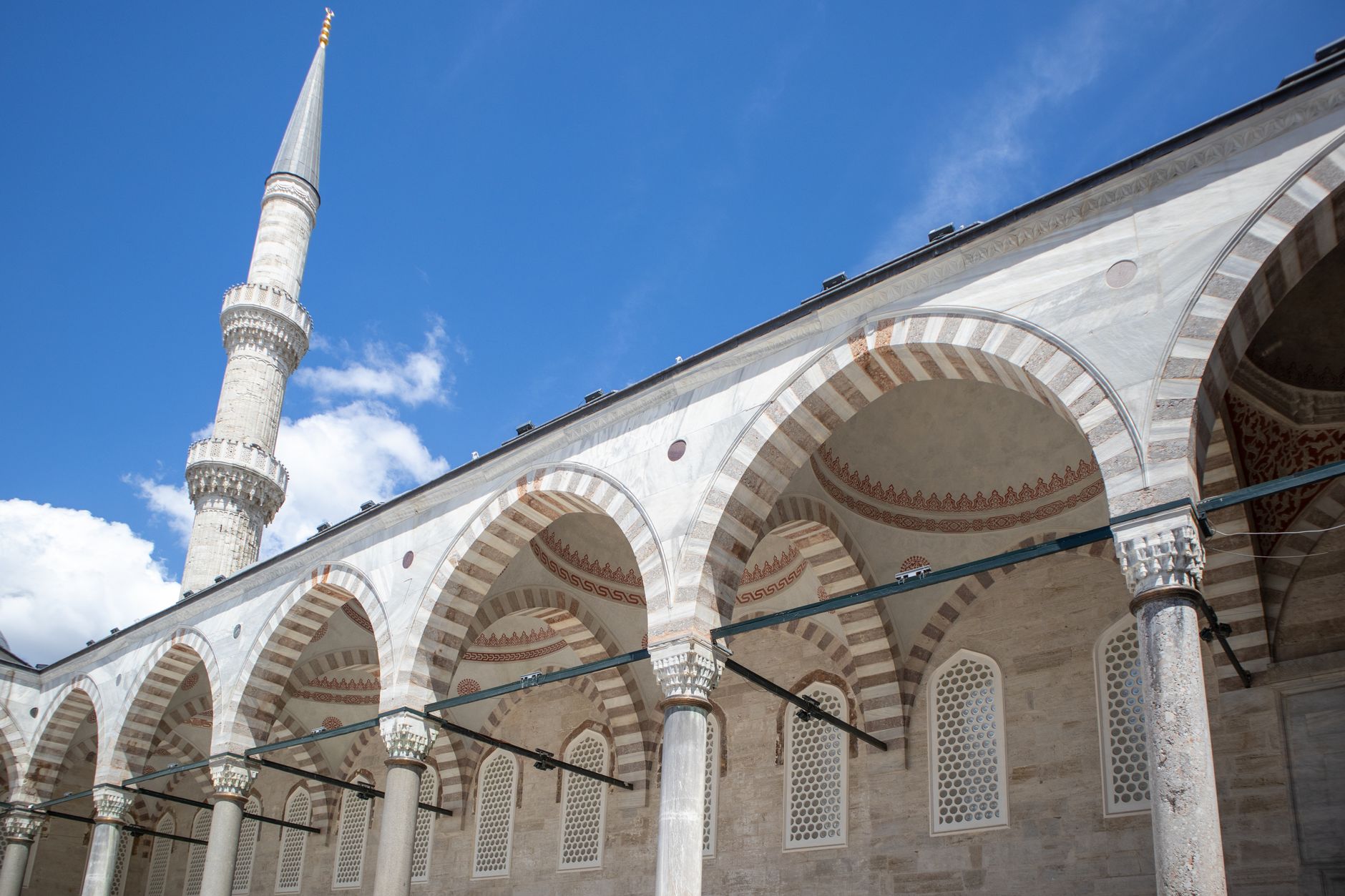
Just a 10-minute walk away is the impressive Mosque of Sultan Mehmet II, also known as the Fatih Mosque. This architectural masterpiece offers a beautiful contrast and a chance to appreciate the continuity of faith in the area.
For a taste of local life, stop by the weekly street market on Wednesdays, where you can sample fresh produce, olives, and Turkish delight. The area is also home to several historic hamams, perfect for a relaxing end to your day.
Türkiye's Commitment to Cultural Heritage
This reopening is a shining example of Türkiye's dedication to preserving its multi-layered heritage. Over the past decade, the country has invested significantly in restoring churches, synagogues, mosques, and ancient sites, recognizing that its cultural wealth lies in its diversity.
Government agencies, local municipalities, and private foundations have collaborated on numerous projects, from the restoration of the Armenian Church of Akdamar to the reopening of the Great Synagogue of Edirne. These efforts have been praised by UNESCO and international heritage organizations.
By transforming this Greek Orthodox church into a museum, Türkiye invites visitors of all backgrounds to connect with a shared past and to celebrate the harmony that has defined this land for centuries.
How to Combine Your Visit with Nearby Attractions
To make the most of your day, start at the museum when it opens at 9:00 AM. Spend two hours exploring the exhibits, then head to the Fatih Mosque for Friday prayers (if you're visiting on a Friday) or simply to admire its architecture.
Lunch at one of the neighborhood's historic restaurants, such as the 150-year-old Asitane, which serves Ottoman-Jewish cuisine. Afterward, wander through the flea market on Vodina Street, where you can find vintage postcards and handmade jewelry.
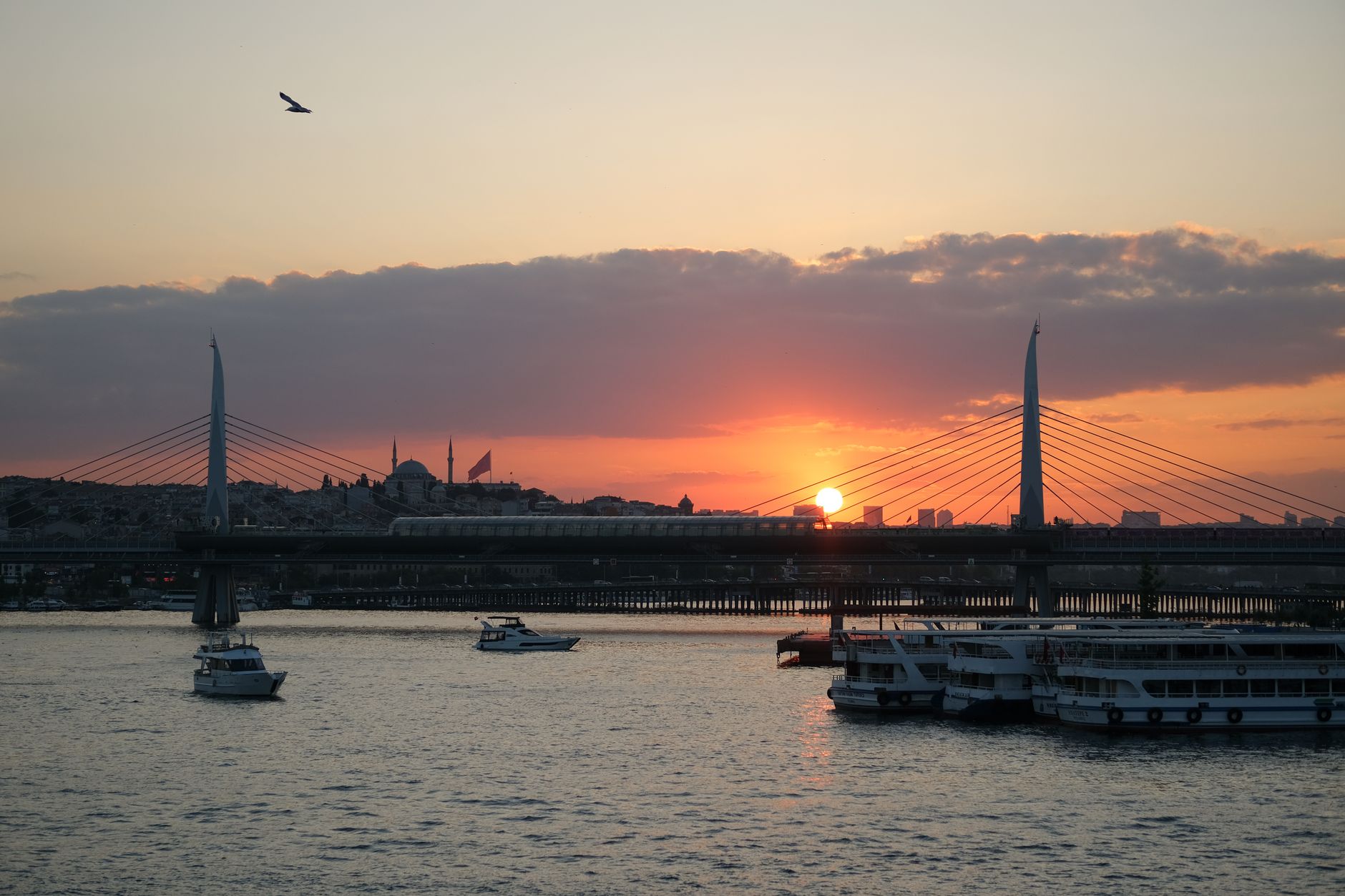
In the late afternoon, visit the Chora Church (Kariye Museum), another gem of Byzantine art, located a short taxi ride away. End your day with a sunset stroll along the Golden Horn, watching the city light up as the call to prayer echoes from minarets across the skyline.
A Beacon of Hope for Cultural Tourism
The reopening of this church as a museum is more than just a tourist attraction; it is a symbol of Türkiye's commitment to fostering understanding and respect among cultures. For travelers, it offers a profound experience that transcends sightseeing.
As you walk through the restored nave and gaze at the newly revealed frescoes, you become part of a continuing story of coexistence. This is Türkiye at its best: a bridge between continents, faiths, and histories, inviting the world to discover its treasures.
Plan your visit today and witness firsthand how heritage can be a powerful force for unity. The museum is a must-see for anyone interested in art, history, or the timeless beauty of human creativity.
Thinking about a trip to Turkey?
Share your contact details and a vetted local expert will follow up with a plan built around you — free, no obligation.