
Istanbul's Design Energy Is the City's Newest Invitation to Linger
Istanbul has long drawn travelers for its Byzantine domes, Ottoman palaces and Bosphorus ferries. What is quietly changing the rhythm of a visit is the city's flourishing design and craft scene — a dense network of studios, independent galleries, workshops and small exhibitions that rewards anyone willing to slow down.
This creative layer sits comfortably alongside the classics. You can spend a morning at Hagia Sophia and an afternoon wandering studio streets in Karaköy or Beyoğlu, discovering ceramics, textiles and contemporary art in spaces that feel personal rather than polished for tourists.
The result is simple: travelers are staying an extra day or two, not to tick off more monuments, but to browse, talk to makers and enjoy the city at a more human pace.
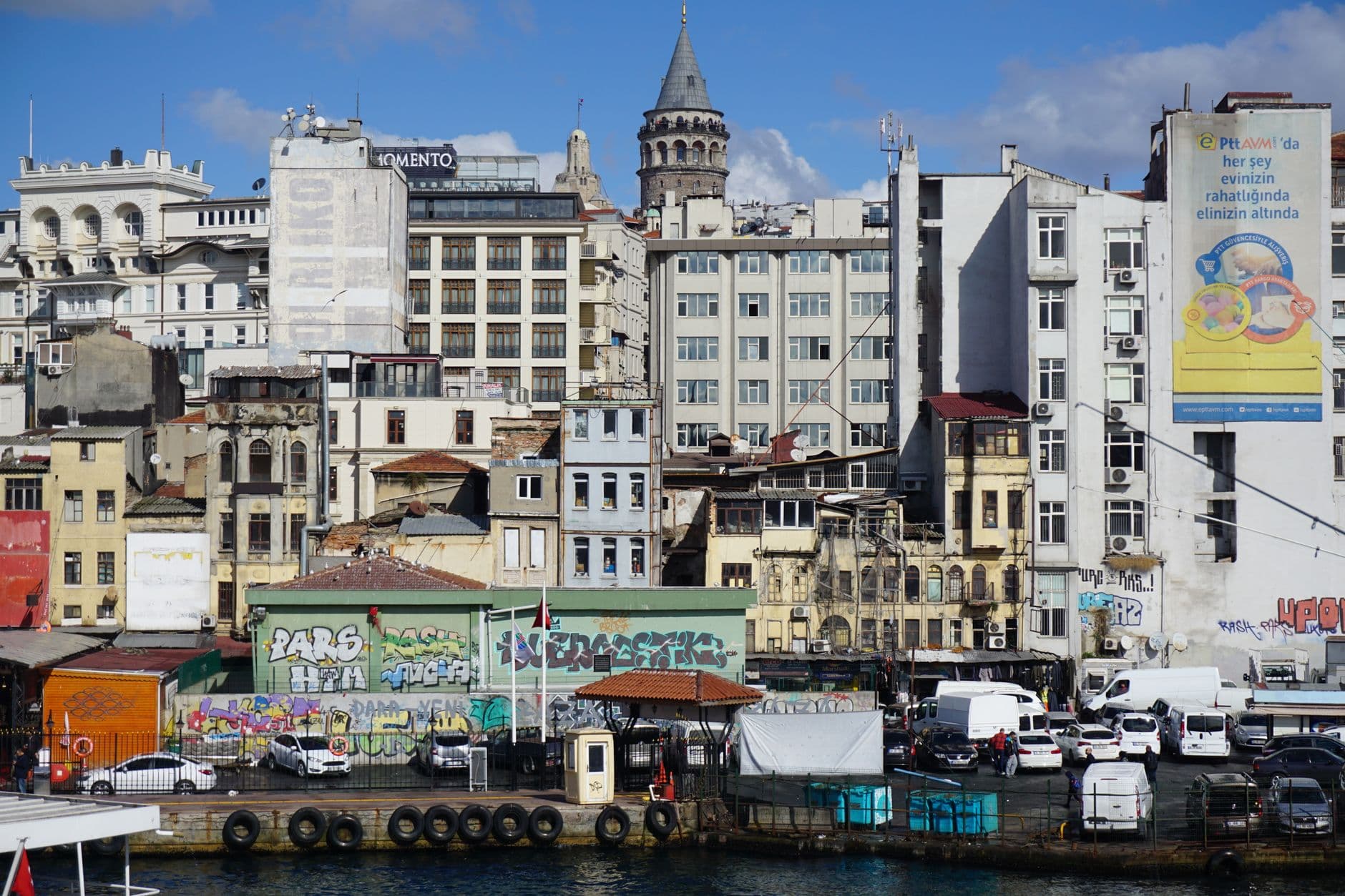
Karaköy and Beyoğlu: Where Studios Meet the Waterfront
Karaköy has become the natural starting point for design-minded visitors. The neighborhood's former warehouses and bank buildings now host small studios, concept shops and cafés where you can watch the city's creative community at work during weekday hours.
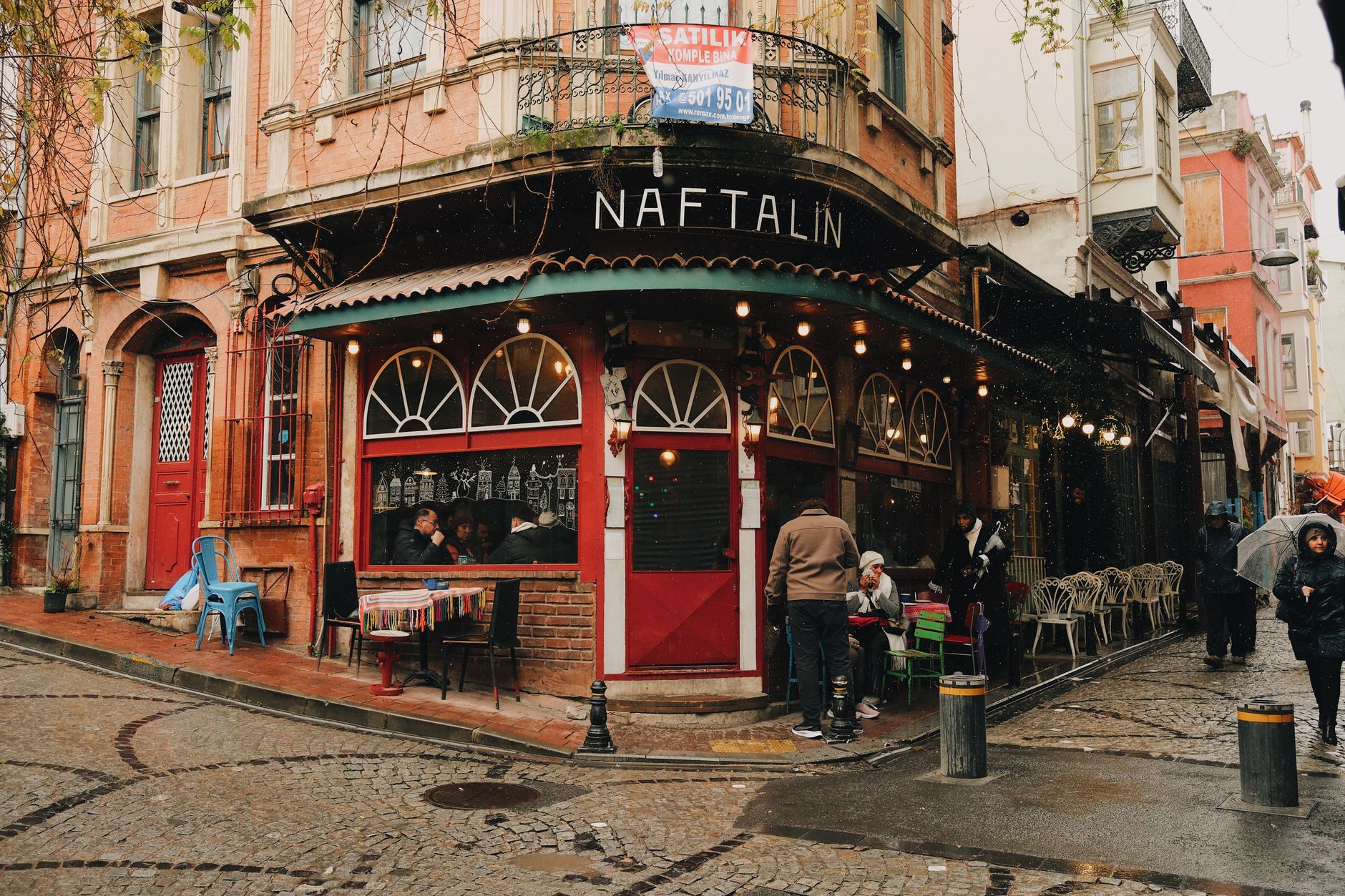
Wander uphill through the side streets toward Galata and Beyoğlu, and the rhythm shifts from workshop to gallery to espresso counter. Independent art spaces and pop-up exhibitions are common here, often in converted apartments and passageways that are easy to miss without slowing down.
Practical tip: aim for weekday afternoons when studios are most likely open for browsing. Sunday and Monday closures are common, so plan your studio-hopping around Tuesday to Saturday where possible.
Nişantaşı and Beyond: Galleries, Interiors and Craft
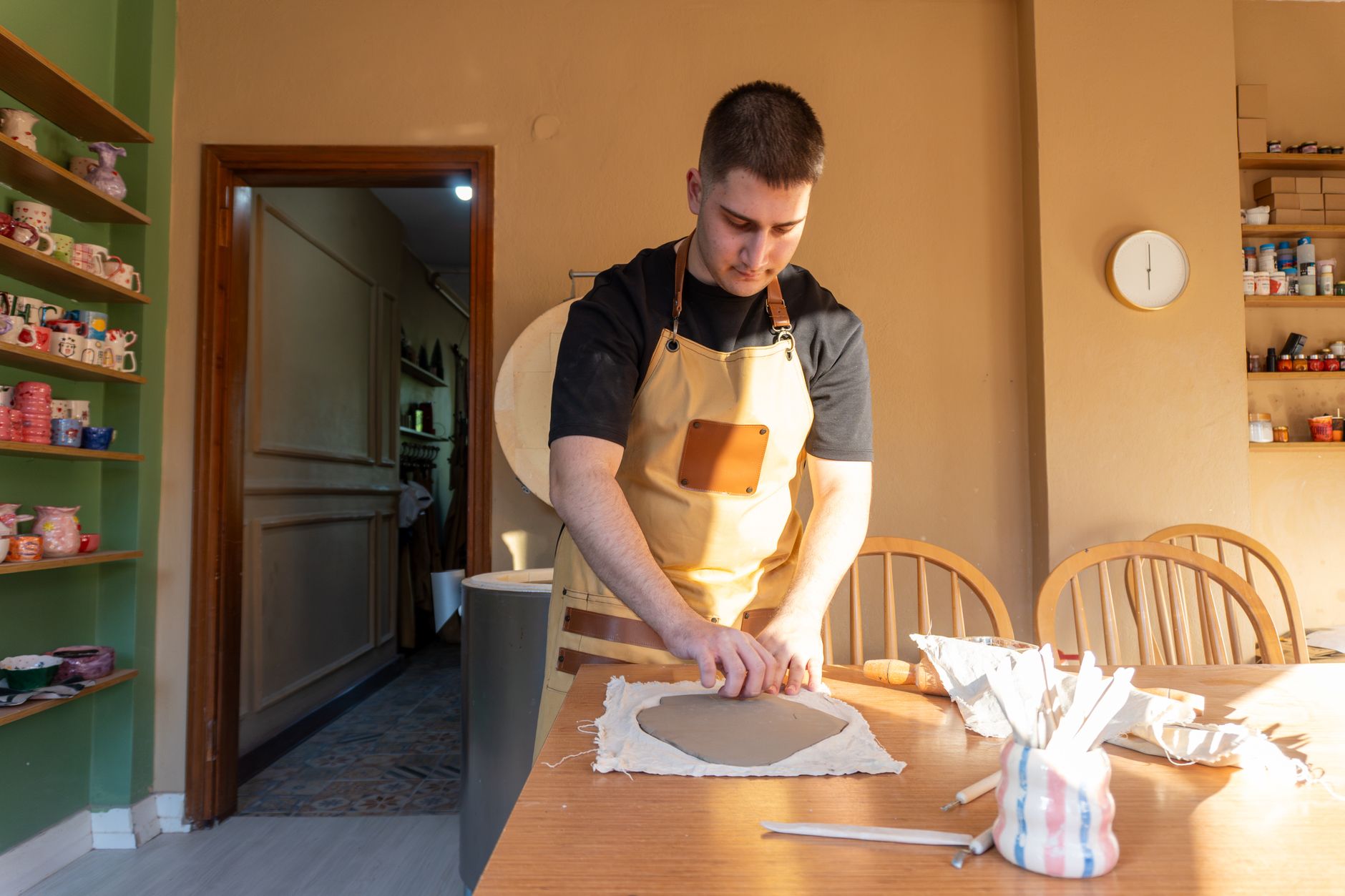
Nişantaşı brings a more polished counterpart to Karaköy's industrial charm. The district's galleries, interior showrooms and design boutiques reflect Istanbul's growing collector culture and its appetite for contemporary Turkish craft.
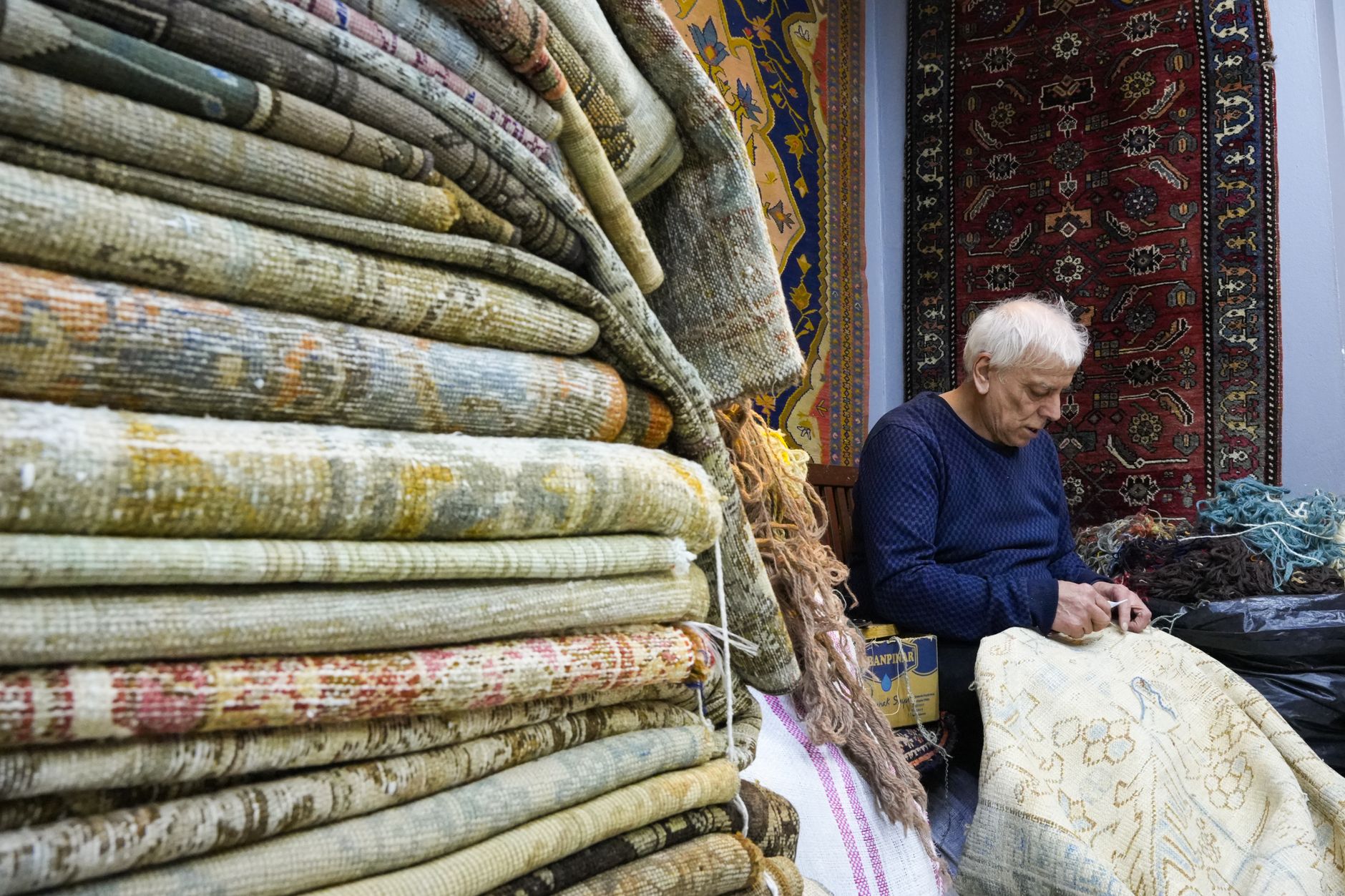
For textile lovers, the Grand Bazaar and its surrounding streets still matter — but look for small ateliers selling modern interpretations of kilim patterns, block prints and hand-dyed fabrics rather than mass-produced souvenirs.
Pair a gallery afternoon with a classic Istanbul stop nearby: the atmosphere of a hammam, a museum garden, or a ferry ride across to the Asian side all work well as gentle counterpoints to a day of browsing design.
Markets, Craft and the Joy of Browsing
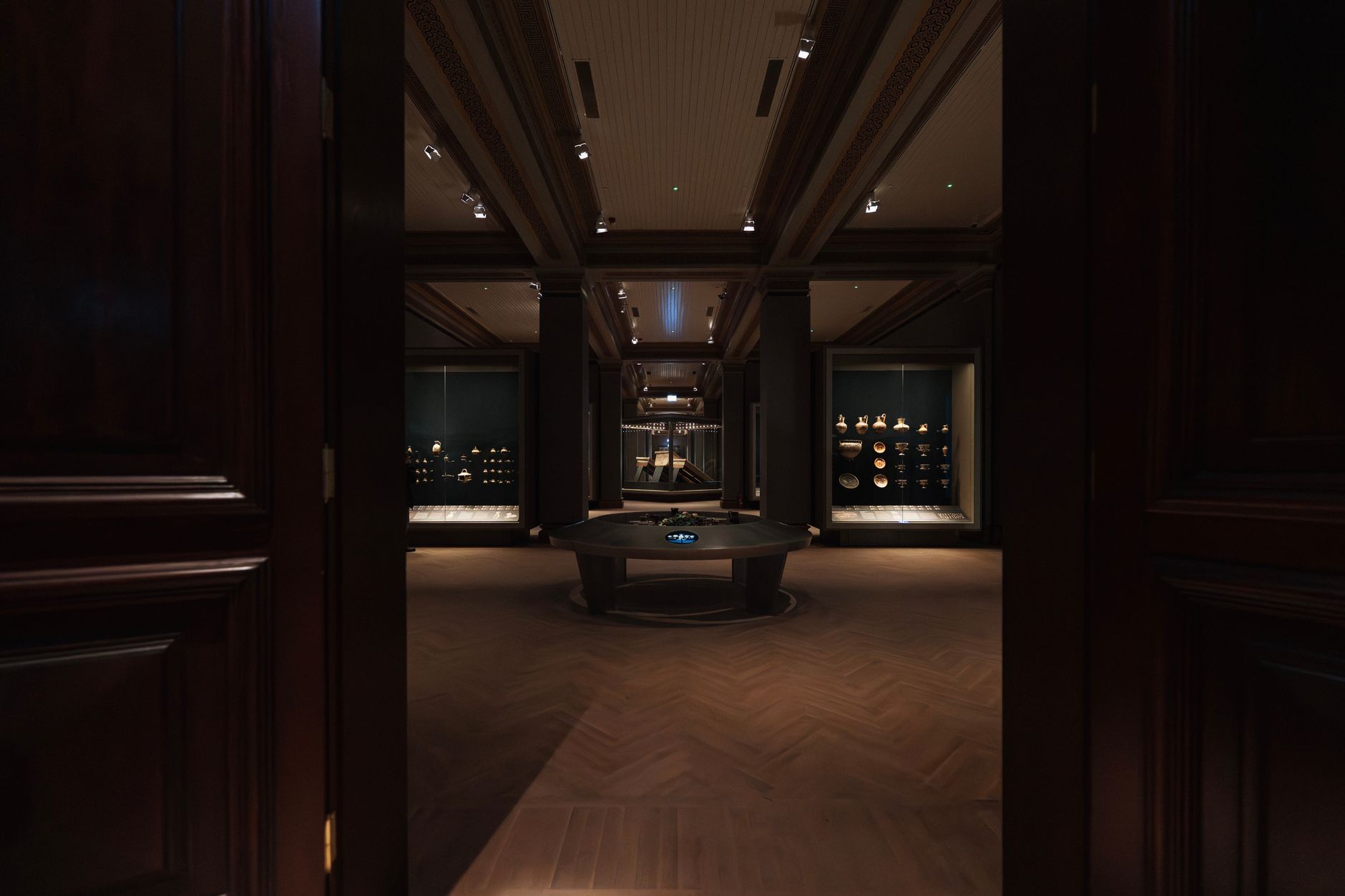
Istanbul's craft energy lives in its markets as much as its studios. Local design markets and weekend fairs appear across the city throughout the year, offering ceramics, jewelry, leather goods and printmaking directly from makers.
Even without a specific event, browsing is rewarding: neighborhood streets in Kadıköy, Çukurcuma and Karaköy reward wandering, with vintage furniture shops and small workshops tucked between cafés. Ask before photographing makers at work, and carry cash for small purchases.
Bargaining is part of market culture in the bazaars, but in independent studios prices are usually fixed — a polite question is always better than an assumption.
Practical Tips for Mixing Design With Classic Sightseeing
Build your day in layers rather than rushing between districts. Morning suits major sights such as the Blue Mosque or Topkapı Palace, while late morning and afternoon are better for galleries and studios that open around 10am or 11am.
Use the tram and ferries to move between creative districts efficiently — Karaköy, Beyoğlu and the historic peninsula are well connected, while Nişantaşı is a short taxi or metro ride from the waterfront.
- Check opening hours the day before; small galleries keep limited schedules.
- Dress comfortably for walking on steep, cobbled streets.
- Carry a tote for fragile ceramics and prints.
- Ask makers about shipping if you are buying larger pieces.
If you want help shaping a route that balances museums, markets and studios, our itineraries and trip planner are good places to start, and our destination guides cover neighborhood logistics in more detail.
When to Go and How Long to Stay
Spring and autumn remain the most comfortable seasons for long walking days through studio districts, though Istanbul's design calendar stays active year-round. Indoor galleries and workshops make rainy days manageable, and winter crowds are lighter.
Give the creative side of the city at least a full day — ideally two — separate from your major-sightseeing days. That is enough time to browse Karaköy and Beyoğlu properly, add a Nişantaşı gallery afternoon, and still keep the classics on your list.
For weather and timing context, see our best time to visit page, and browse our gallery for a visual sense of the neighborhoods before you arrive.
Thinking about a trip to Turkey?
Share your contact details and a vetted local expert will follow up with a plan built around you — free, no obligation.