

Istanbul's Metro Expansion: A Game-Changer for Travelers
Istanbul has unveiled a series of major metro extensions that seamlessly link the city's top attractions, airports, and neighborhoods. With these new lines, visitors can now glide under the Bosphorus and across the city without worrying about Istanbul's notorious traffic. The expanded network includes the M11 line to Istanbul Airport, the M7 extension to Yıldız and Beşiktaş, and the M5 line reaching deeper into the Asian side.
These developments are part of a broader effort to make public transport the preferred choice for both locals and tourists. The metro now offers a fast, reliable, and affordable way to explore Istanbul's rich history, vibrant culture, and stunning architecture.
For travelers, this means more time spent enjoying the city and less time stuck in congestion. Whether you're heading to the Grand Bazaar, Topkapi Palace, or the trendy cafes of Kadıköy, the metro can get you there swiftly.
Key Metro Stations Near Top Attractions
Several metro stations are strategically located near Istanbul's most famous sights. For instance, the M1A and M1B lines stop at Zeytinburnu, where you can transfer to the T1 tram for Sultanahmet, the heart of the historic peninsula. The M2 line's Haliç station provides access to the Golden Horn and the vibrant neighborhoods of Balat and Fener.
The new M7 extension includes a station at Yıldız, putting the Yıldız Palace and its lush park within easy reach. Meanwhile, the M5 line's Üsküdar station connects to the Marmaray and ferry terminals, offering a seamless route to the Maiden's Tower and the bustling markets of the Asian side.
For those flying in, the M11 line whisks you from Istanbul Airport to Gayrettepe in about 30 minutes, where you can transfer to the M2 for Taksim and the old city. Sabiha Gökçen Airport is served by the M4 line, making it simple to reach Kadıköy and beyond.
Using Istanbulkart: Your Ticket to Seamless Travel
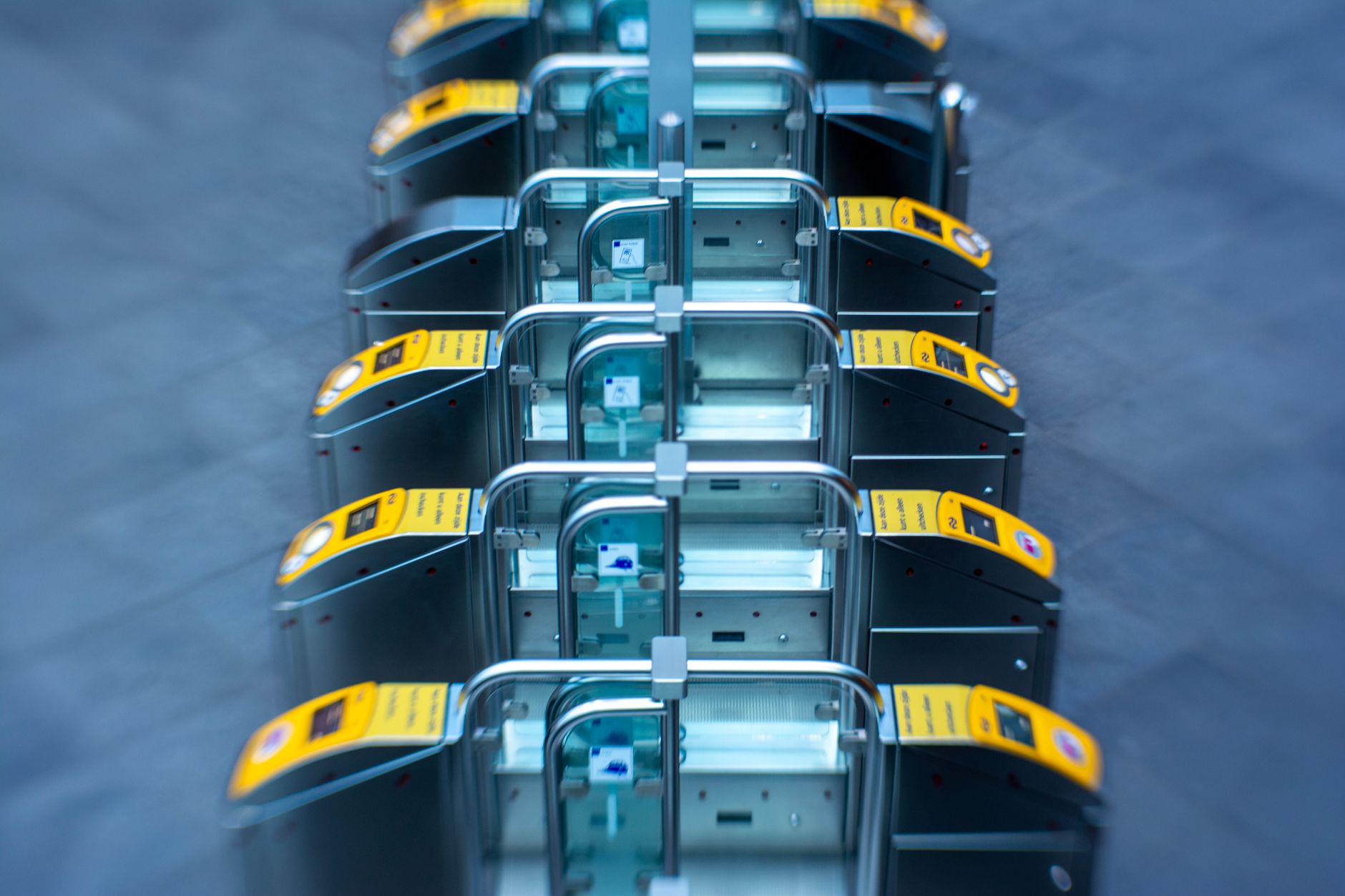
The Istanbulkart is a rechargeable smart card that works on all metro, tram, bus, ferry, and funicular lines. You can purchase it at vending machines in major stations and airports for a small fee, then load it with credit. Each ride costs a flat fare, with discounts for transfers within a two-hour window.
To use it, simply tap the card on the reader at the turnstile when entering and exiting (if required). The card can be shared among multiple travelers, but each person needs their own card for tapping. You can reload at kiosks or automated machines using cash or credit card.
Alternatively, consider the Istanbul City Card for unlimited rides over 1, 3, or 5 days, which can be more economical if you plan to use public transport extensively. However, the Istanbulkart remains the most flexible option for most visitors.
How to Navigate the Metro Like a Pro
Istanbul's metro system is clean, efficient, and easy to navigate, with signage in Turkish and English. Trains run frequently from early morning until late night, with some lines operating 24/7 on weekends. During peak hours, expect crowds, but off-peak travel is usually comfortable.
Download the Istanbul Metro app or use Google Maps to plan your route. The app provides real-time updates and station information. Transfers between lines are well-marked, though some stations require a short walk. For example, at Yenikapı, you can transfer between the M1, M2, and Marmaray lines, as well as ferries.
Keep an eye on your belongings and be mindful of pickpockets in crowded areas. Also, note that metro stations often have multiple exits; check which one is closest to your destination to save time.
Beyond the Metro: Integrated Transport Options
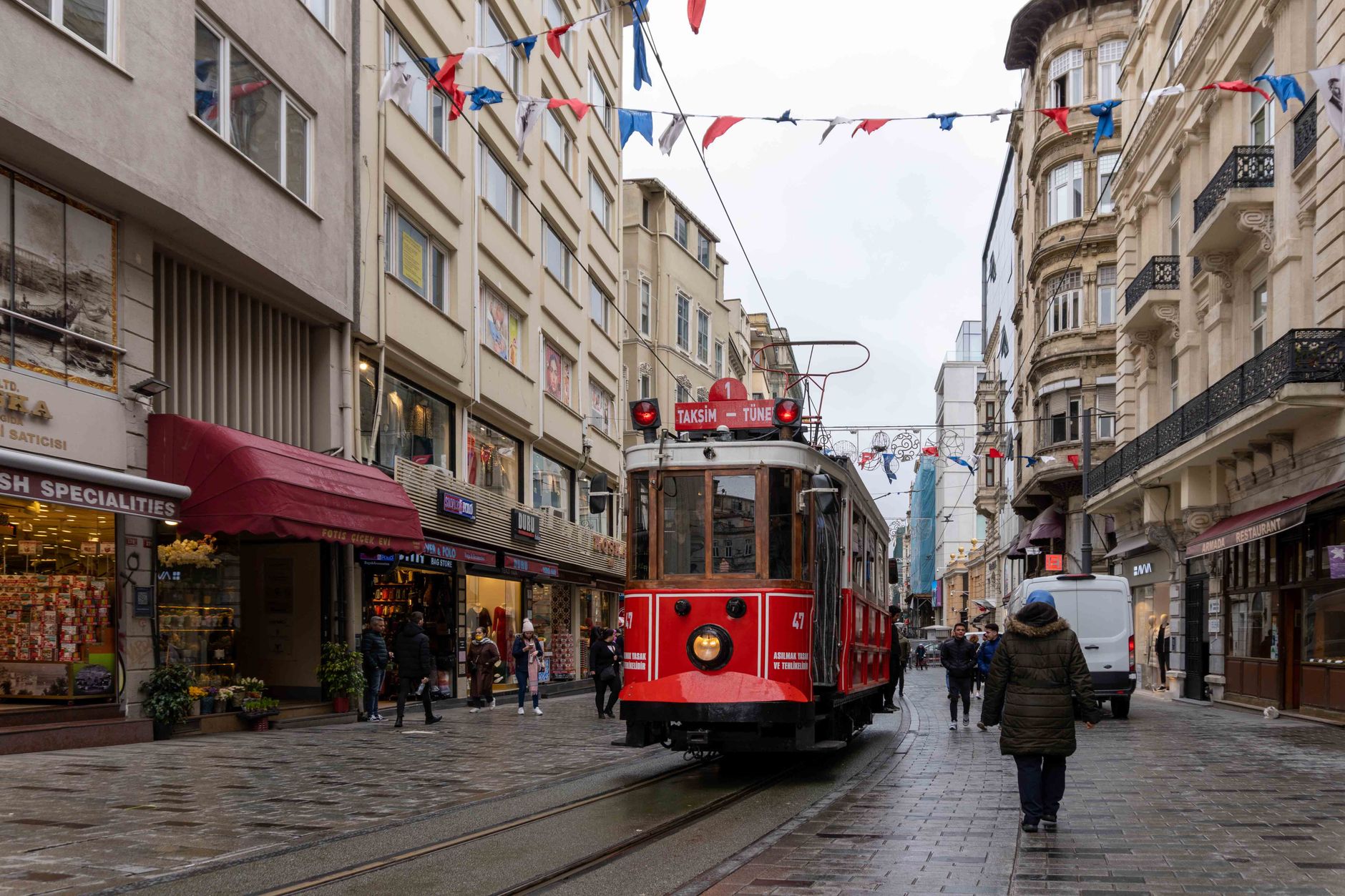
The metro is just one part of Istanbul's integrated public transport network. Trams, funiculars, ferries, and metrobuses all connect with the metro, allowing you to reach almost any part of the city. The T1 tram, for instance, links Kabataş with Bağcılar, passing through Sultanahmet and Eminönü.
The Marmaray commuter rail crosses the Bosphorus, connecting Europe and Asia, and integrates with the metro at Yenikapı, Sirkeci, and Üsküdar. Ferries offer scenic routes across the Bosphorus and to the Princes' Islands, and they accept Istanbulkart.
For a truly effortless experience, consider a guided tour that includes public transport, or simply plan your itinerary around metro stations to maximize efficiency. With the new extensions, even far-flung attractions like the Istanbul Aquarium or the Rahmi M. Koç Museum are within easy reach.
Conclusion: See More of Istanbul with Less Stress
Istanbul's new metro lines have transformed the way visitors experience the city. By bypassing traffic and connecting key points, the metro allows you to immerse yourself in Istanbul's beauty and history without the hassle. So grab an Istanbulkart, hop on a train, and discover why this city is one of the world's most captivating destinations.
Thinking about a trip to Turkey?
Share your contact details and a vetted local expert will follow up with a plan built around you — free, no obligation.