

A Car-Free Istanbul Just Got Easier
Istanbul's transport authority has spent the past few years knitting together a rail network that finally reaches the neighborhoods visitors most want to wander. The latest tram and metro extensions do something practical and quietly wonderful: they put historic quarters, covered markets and waterfront promenades within a few minutes' walk of a station.
For travelers, that means fewer taxis stuck on the Eminönü approach, fewer sweaty walks along traffic-clogged arterials, and more time among the mosques, han courtyards and fish stalls that make the city so memorable. You can now plan an entire day on rails and ferries alone.
The pattern is consistent across the network. Modern, air-conditioned rolling stock; clear signage in Turkish and English; and stations placed close to places people actually want to be. If you are building an Istanbul itinerary from scratch, this is the moment to lean on public transport rather than a hire car.
Practical Journeys From Major Sights to Lesser-Known Quarters
The most useful way to think about the new lines is as connectors. Pair a famous sight with a neighborhood just beyond the tourist orbit, and you get a half-day that feels genuinely local.
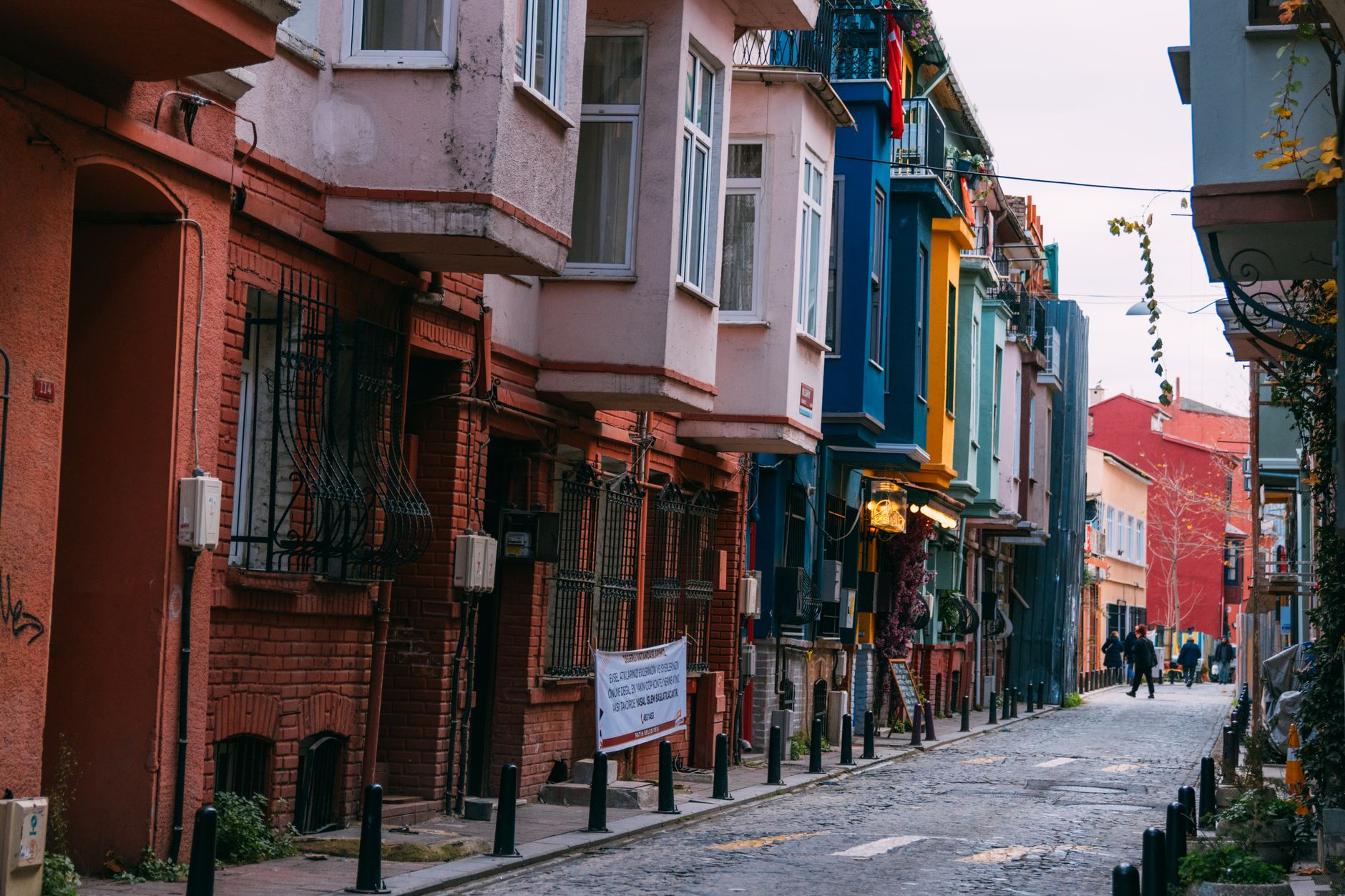
- Aya Sofya and Sultanahmet to Balat and Fener: hop on the tram toward Eminönü, then transfer to the line serving the Golden Horn. Step off near Fener and walk uphill through timber houses, Greek Orthodox churches and the colorful facades of Balat. Return by the same line or continue to the water and take a ferry.
- Grand Bazaar to Karaköy: ride one stop or walk down from the bazaar, then cross to Karaköy for coffee, design shops and the waterfront — a quick, cheap link that avoids the steep, hot climb back.
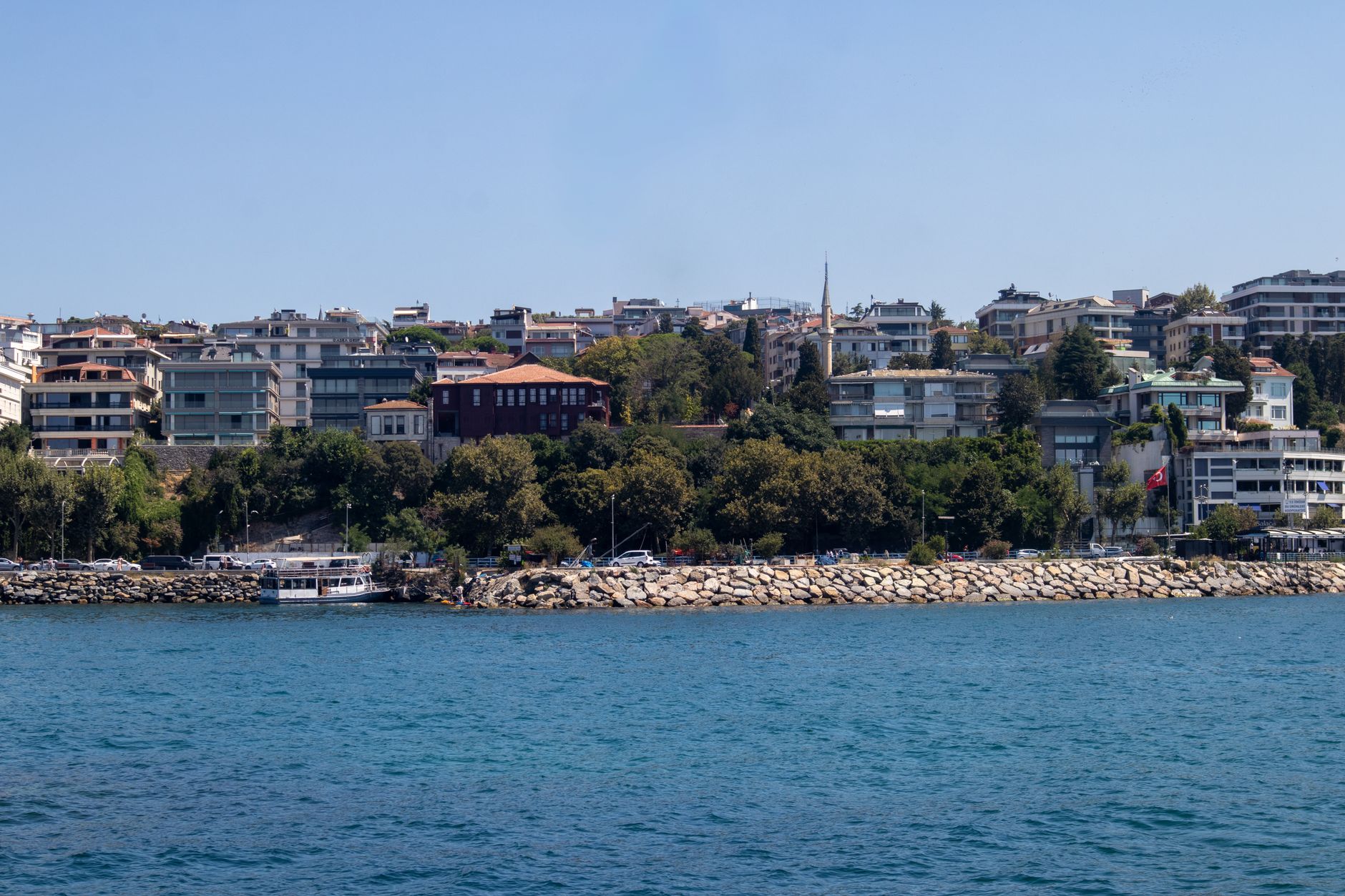
- Galata and Taksim to the Bosphorus villages: use the metro spine running north, then switch to a bus or ferry for Arnavutköy, Kuzguncuk or Beylerbeyi — quieter shorelines with wooden yalıs and neighborhood bakeries.
- Üsküdar to Kuzguncuk: a short ride and a short walk lands you in one of the Asian side's most photogenic quarters, with ferry views back toward the old city.
Each of these is a loop, not a dead end. That matters: you can reverse, extend or abandon the plan at any station, which is exactly what a good transit network should allow.
How the Istanbulkart Makes Everything Cheap and Simple
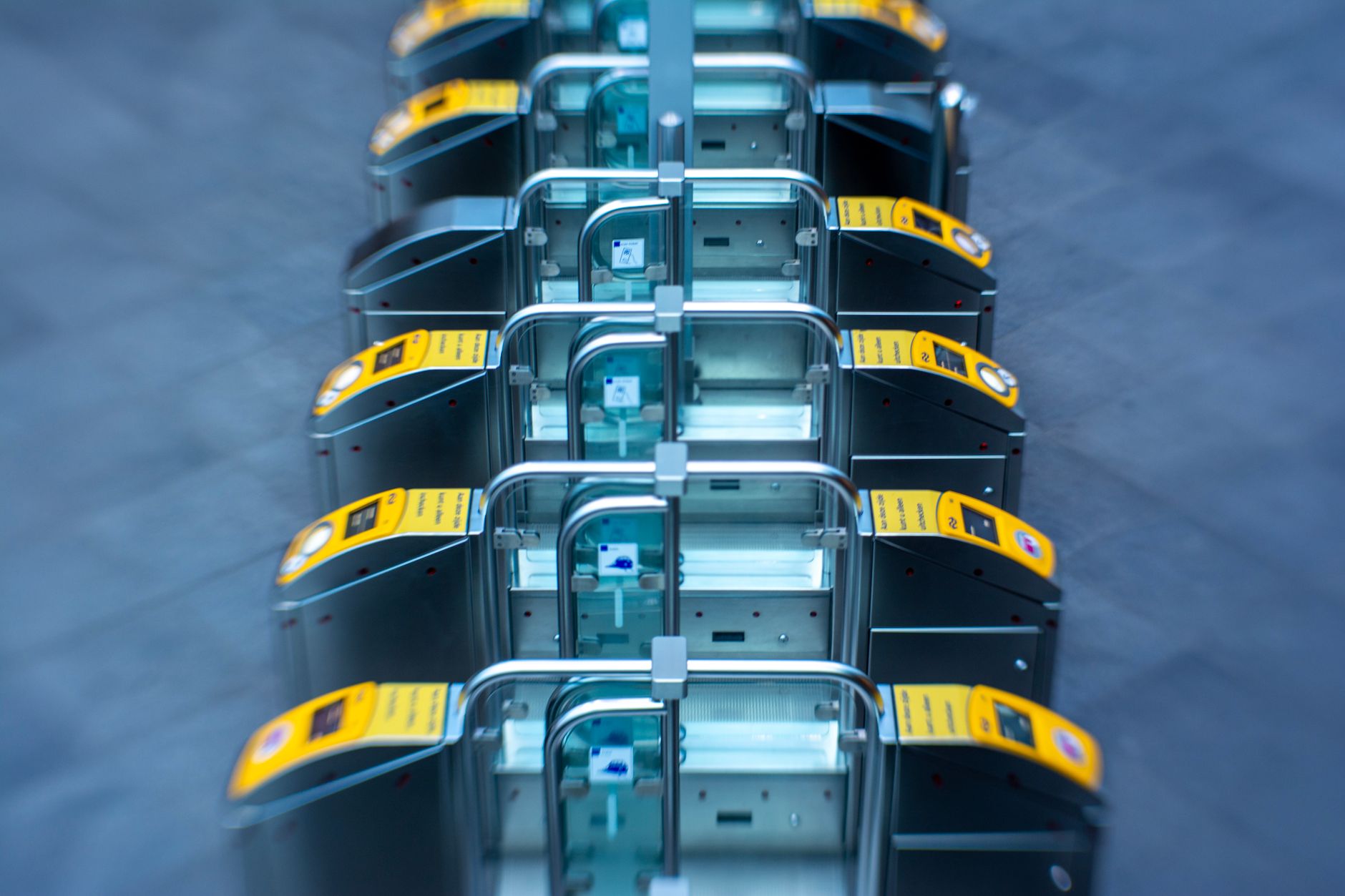
The Istanbulkart is the single most useful purchase of a city break. Buy one at an airport kiosk, a major metro station or a vending machine, load it with credit, and tap in on trams, metro, buses, funiculars and ferries. Transfers within a set window are discounted, so a multi-leg journey costs far less than separate tickets.
Cards are sold at machines that accept cash and cards; top-ups are available at stations and small shops. One card can be shared by two people on many services, but for simplicity give each traveler their own. Keep some balance loaded: running out at a rural stop is annoying, not disastrous, but avoidable.
Compare the cost with a taxi across the historic peninsula at rush hour and the math is decisive. A single ride costs less than a bottle of water in many parts of the city, and the card works on the ferries that link the European and Asian shores — the best-value sightseeing in Istanbul.
Where the New Links Land You: Markets, Waterfronts and Heritage Streets
The extensions are not abstract infrastructure. They drop you within walking distance of the spice-scented lanes around the Egyptian Bazaar, the antique shops of Çukurcuma, the tea gardens above the Golden Horn and the ferry piers at Eminönü and Karaköy.
On the Asian side, the improved rail access makes a day of Üsküdar's mosques, the fish market and the long waterfront promenade easy to combine with a late lunch in Kadıköy's market district. Both are historic, both are busy with daily life rather than tour groups, and both are now comfortably reachable without a car.
For orientation, our destinations guide covers the main neighborhoods, while the route ideas section helps you stitch stations into a coherent day. If you prefer a ready-made plan, the itineraries page includes car-free options.
Timing Your Ride: Rush Hours, Fridays and Ferry Connections
Istanbul's rail network is fast, but it is also heavily used. Avoid the 07:30–09:30 and 17:30–19:30 crush if you can, especially on the central tram and the main metro spine. Mid-morning and early afternoon are pleasant; evenings after 20:00 are calmer still.
Fridays around midday bring prayer-time crowds near major mosques, and market days vary by neighborhood. Check the best-time guide for seasonal notes, and remember that ferries are weather-dependent in winter. Build a buffer if you are connecting to a flight.
Stations themselves are worth a moment: wayfinding is generally good, staff are helpful, and lifts and escalators make most interchanges manageable with luggage. Travelers with mobility needs should consult the travel tools page before setting out.
A Network That Invites You to Wander
The real gift of these extensions is psychological. When every neighborhood is one tap away, you stop hoarding your energy for a single big sight and start exploring: a market here, a tea garden there, a ferry ride just because the light is good.
That is the kind of travel Türkiye does best — modern, efficient infrastructure quietly opening the door to very old streets. Ride the tram to the end of the line, walk back through a historic quarter, and take the ferry home. Few cities make that loop this easy.
Buy the card, tap in, and let the network do the planning. The historic neighborhoods are closer than you think.
For questions about passes, accessibility or planning a car-free trip, our FAQ and local experts are a good place to start.
Thinking about a trip to Turkey?
Share your contact details and a vetted local expert will follow up with a plan built around you — free, no obligation.