
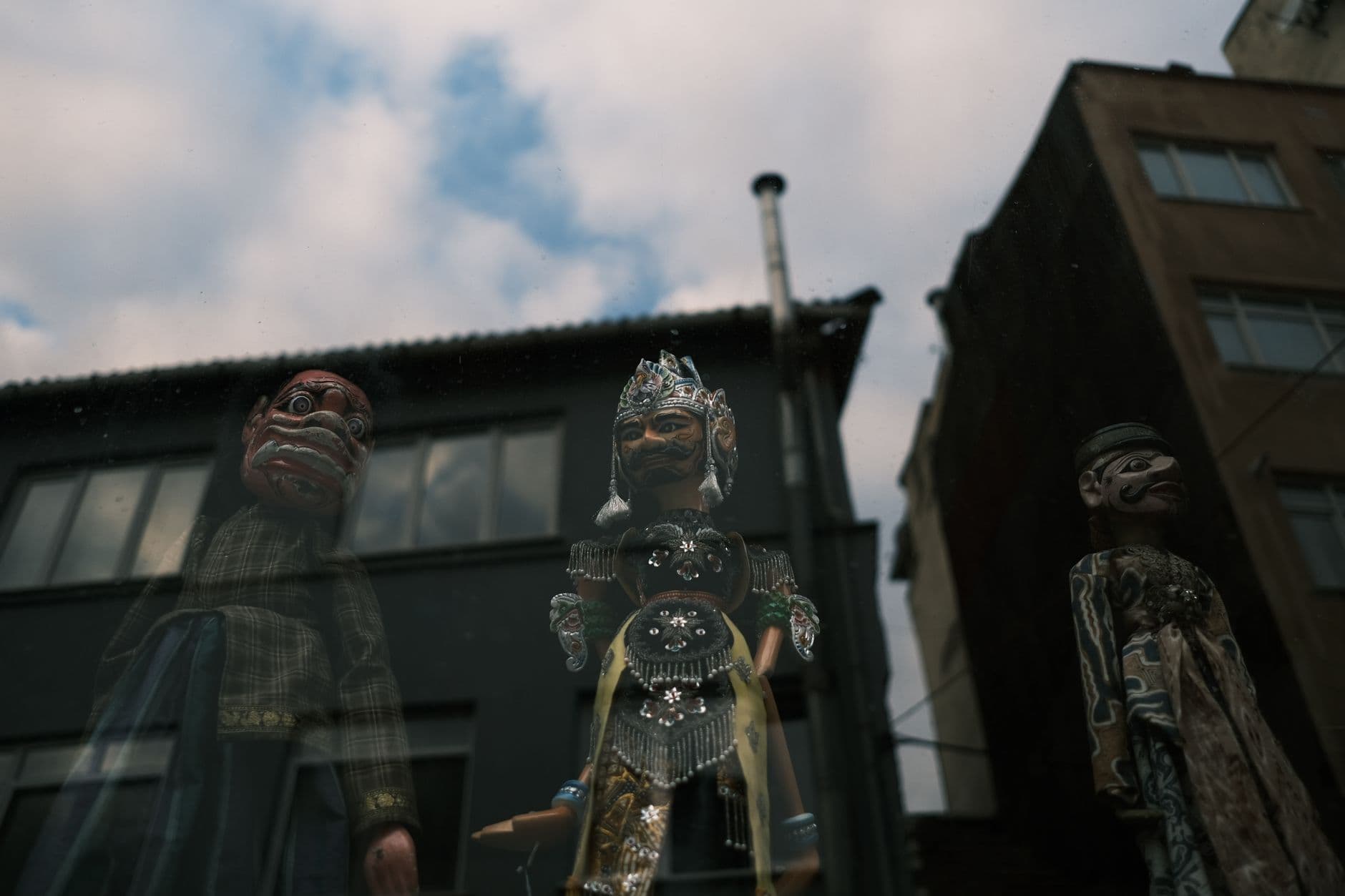
Meet Karagöz: Türkiye's Most Beloved Trickster
Long before screens lit up our evenings, Turkish families gathered behind a glowing white curtain to watch two silhouettes bicker, scheme, and sing. Karagöz — the loud, quick-tempered, endlessly inventive everyman — and his smooth-talking, slightly pompous friend Hacivat are the stars of Türkiye's traditional shadow puppetry, a craft recognized by UNESCO as an Intangible Cultural Heritage of Humanity.
The premise is simple and irresistible: Hacivat speaks in flowery, formal language, Karagöz misunderstands everything on purpose, and chaos — musical, physical, hilarious — erupts. Along the way, a whole town of characters appears: the drunk, the dandy, the Laz, the Arab, the Armenian, the Jew, each drawn with affection and gentle satire. Karagöz is not just comedy; it is a portrait of Ottoman street life, performed in silhouette for everyone from sultans to schoolchildren.
What delights modern travelers is how alive it still is. This is not museum theater. In Bursa and across the country, puppeteers are still cutting camel leather by hand, still improvising new jokes, and still inviting kids up to the curtain. If you want a joyful, family-friendly evening that connects you to centuries of storytelling, a Karagöz show belongs on your itinerary.
A Very Short History (So You Can Enjoy the Jokes More)
Legend says the real Karagöz and Hacivat were workmen on a mosque construction site in Bursa in the 14th century, whose constant banter distracted the other laborers. The story ends darkly — they were executed — but the tradition spun gold from it, and shadow play grew into a beloved court and street entertainment across the Ottoman world.
Historically, Karagöz performances followed the rhythms of daily life: during Ramadan evenings, at circumcision celebrations, in coffeehouses and gardens. Puppeteers, known as hayali, were respected entertainers who could hold a crowd for hours with just two figures, a tambourine, and a voice that jumped between a dozen characters.
Today the art form survives through dedicated masters, municipal culture departments, and festivals. Many shows are built for mixed audiences — Turkish families with children, plus curious visitors — which makes them wonderfully easy to enjoy even if your Turkish is limited. For a deeper look at how traditional arts fit into a trip, see our Turkey travel guides.
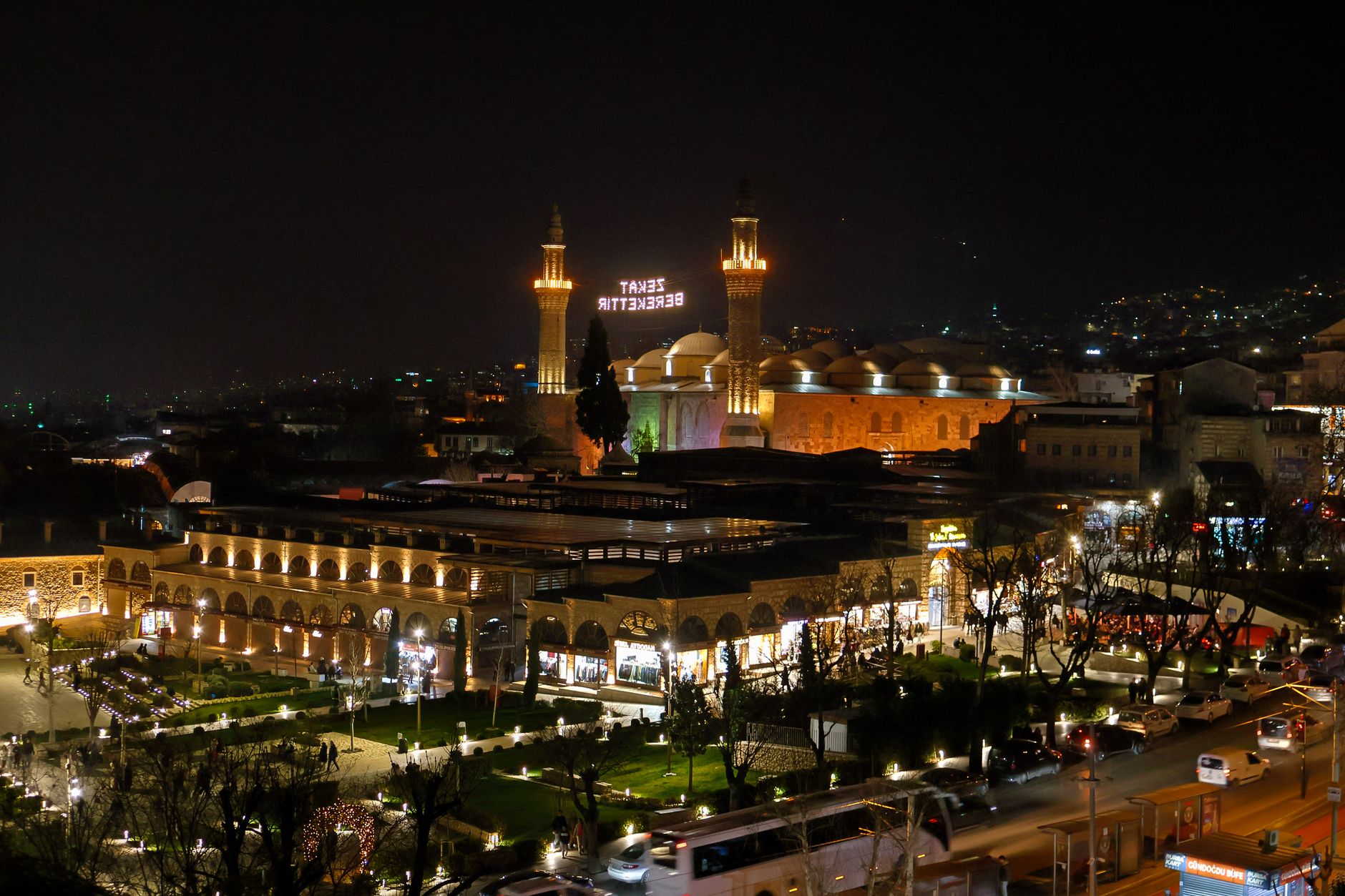
How to Follow the Humor (Even Without Turkish)
Here's the good news: Karagöz is a visual art first. Watch the puppets' exaggerated gestures, the way Karagöz's neck stretches with outrage or his arm swings in frustration, and you'll catch the rhythm immediately. The comedy lives in the physical mismatch between Hacivat's elegance and Karagöz's clumsy honesty.
A few cues help you read the story:
- The opening song: A short musical prologue introduces the mood; sit back and enjoy it as an overture.
- The misunderstanding: Hacivat uses a fancy word or phrase, Karagöz twists it into something absurd. Expect the audience — especially children — to laugh first.
- Character voices: Each stock character has a signature accent and cadence. You don't need to understand every word to recognize a new arrival.
- The music: A single musician (often a tambourine or reed flute player) punctuates jokes and marks scene changes.
- The ending: Karagöz rarely wins, and he always survives — the punchline is usually his stubborn refusal to be embarrassed.
If a show is in Turkish only, arrive early and look for printed programs, or ask staff whether an English synopsis is available. In tourist-frequented venues, puppeteers often slip in a few English words or universal gags. And honestly, watching a child of eight and a grandmother of eighty laugh at the same moment is part of the experience — you'll be laughing too.
For timing your visit around festivals and cultural events, our best time to visit Turkey page is a useful companion.
Where to See Karagöz: Bursa and Beyond
Bursa is the spiritual home of Karagöz, and it shows. The city celebrates its trickster with genuine civic pride, and the tradition is woven into local cultural programming throughout the year. Check with the Bursa city culture and tourism offices, local cultural centers (kültür merkezi), and the city's museums for current schedules — performances often cluster around school holidays, Ramadan evenings, and summer weekends.
In Bursa, keep an eye on cultural centers, municipal theaters, and heritage venues for family matinees. Ramadan is a particularly atmospheric time, when evening programs across the city include traditional entertainment after iftar. If you're building a Bursa itinerary, our Turkey itineraries and destinations sections can help you slot a show between the Grand Mosque, the bazaars, and the silk markets.
Beyond Bursa, Karagöz travels well. Istanbul hosts performances in cultural centers, museums, and during festivals; the tradition also appears at folk-art events in other cities and at university cultural programs. Shadow play is a regular feature of children's festivals and heritage days, so wherever you are in Türkiye, ask at your hotel or local culture office: “Karagöz gösterisi var mı?” (Is there a Karagöz show?)
Ramadan turns any city into a Karagöz city. Evening entertainment programs, neighborhood festivals, and mosque courtyards often feature shadow play alongside other traditional arts. If your trip coincides with Ramadan, check local listings or ask your hotel for evening cultural programs — they're often free and utterly charming.
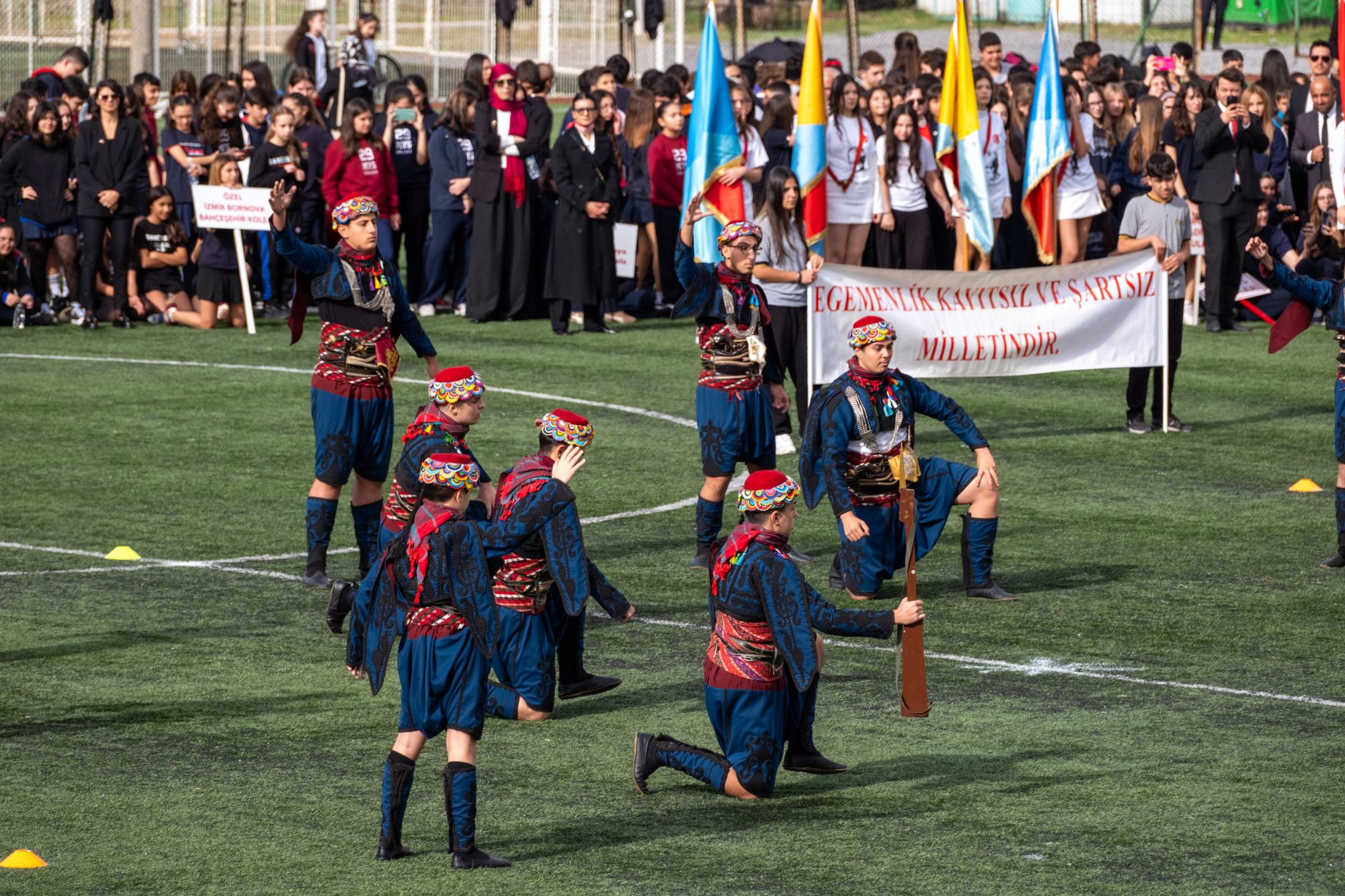
Practical Tips: Tickets, Timing, and Etiquette
Most Karagöz performances are affordable or free, and many are put on by municipalities or cultural associations rather than commercial theaters. That means the booking process can be refreshingly informal — but also that schedules change. Confirm a day or two ahead by phone or at a culture office, and arrive early to get a good view of the screen.
A few practical notes:
- Duration: Family shows typically run 30–60 minutes; traditional full-length performances can be longer.
- Seating: Arrive 15 minutes early — the best seats are directly in front of the screen, at a slight distance.
- Photos: Ask before photographing; some puppeteers happily pose with figures after the show.
- Language: If you don't speak Turkish, a picture-book synopsis online or a quick pre-show search on your phone will carry you far.
- Families: These shows are genuinely kid-friendly — expect participation, laughter, and a relaxed atmosphere.
Audiences are encouraged — not scolded — to react to jokes; a quiet room is a sad Karagöz room. If the humor flies over your head, watch the children in the audience, they are your best translators. After the show, many puppeteers are delighted to talk about the craft, and that conversation is often the highlight for travelers.
If you're traveling with a plan, our trip planner can help you build in cultural evenings without overloading your days.
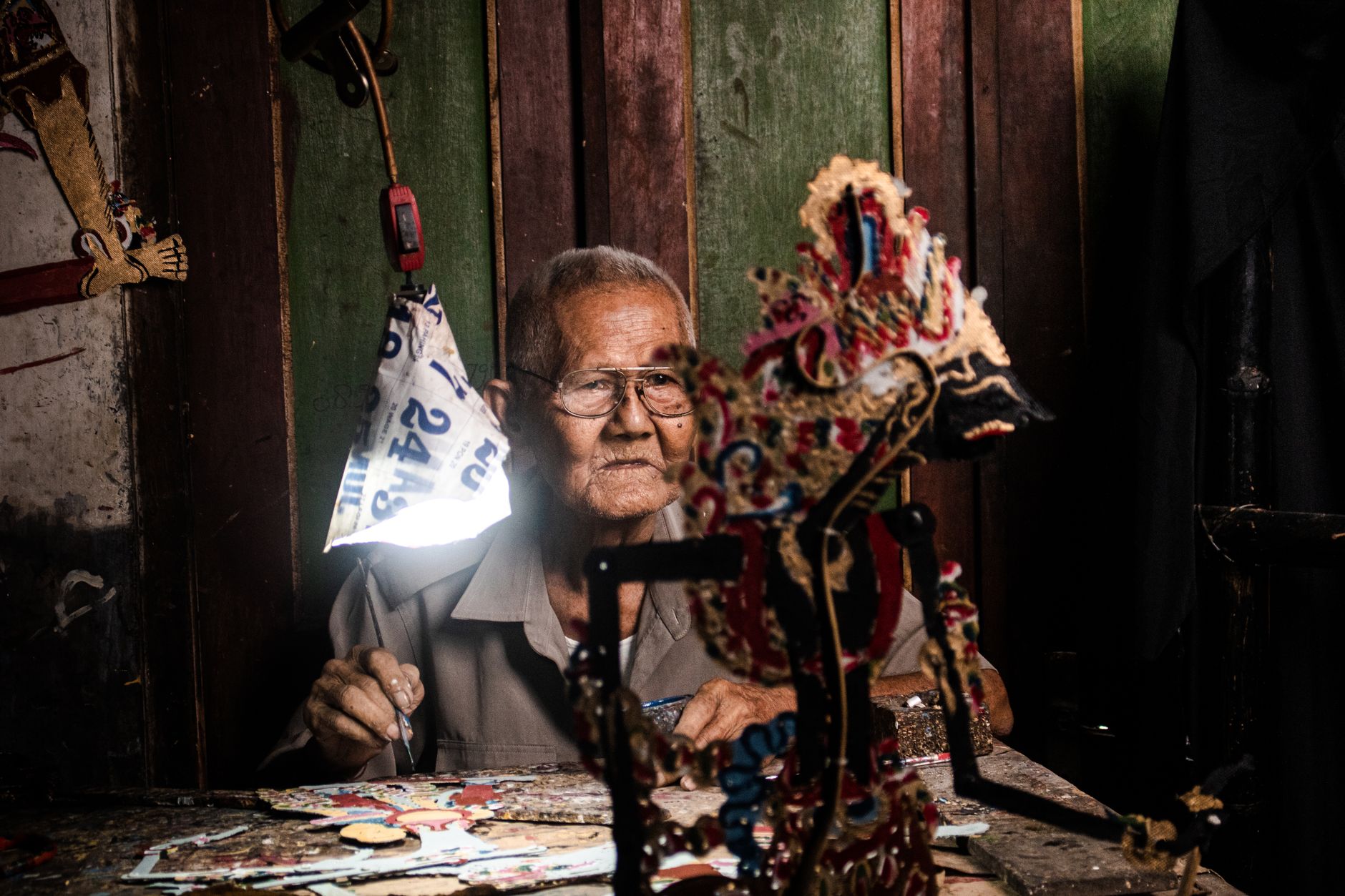
The Art Behind the Curtain: How Puppets Are Made
Traditional Karagöz figures are cut from camel leather, treated, dyed, and pierced with hundreds of tiny holes so light glows through in patterns. The colors are vivid and slightly translucent — reds, greens, and golds — and each figure can be jointed at the neck, arms, and waist so the puppeteer can make him bow, strut, or shake with rage.
Making a single puppet is painstaking work, and many contemporary masters also craft smaller pieces for sale: hand-painted bookmarks, magnets, framed mini-puppets, and ornaments. Watching a demonstration is a lovely counterpoint to a performance — after seeing the figures move, understanding how they were made deepens the admiration.
If you can, pair a show with a visit to a craft workshop or museum exhibit. The result is a fuller picture of a living tradition: the humor on stage, the craft behind the curtain, and the family knowledge passed down from puppeteer to apprentice.
Memorable Small Souvenirs to Bring Home
The best mementos of Karagöz are compact, affordable, and full of character:
- Miniature leather puppets — small Karagöz and Hacivat figures, often with display stands, perfect for a shelf.
- Hand-painted magnets and bookmarks featuring the two silhouettes in classic poses.
- Illustrated storybooks of Karagöz tales — great for bilingual families and a lovely gift for children.
- Framed shadow-theater prints that echo the glowing screen effect.
- Traditional tambourine-style instruments or small musical souvenirs tied to the performance.
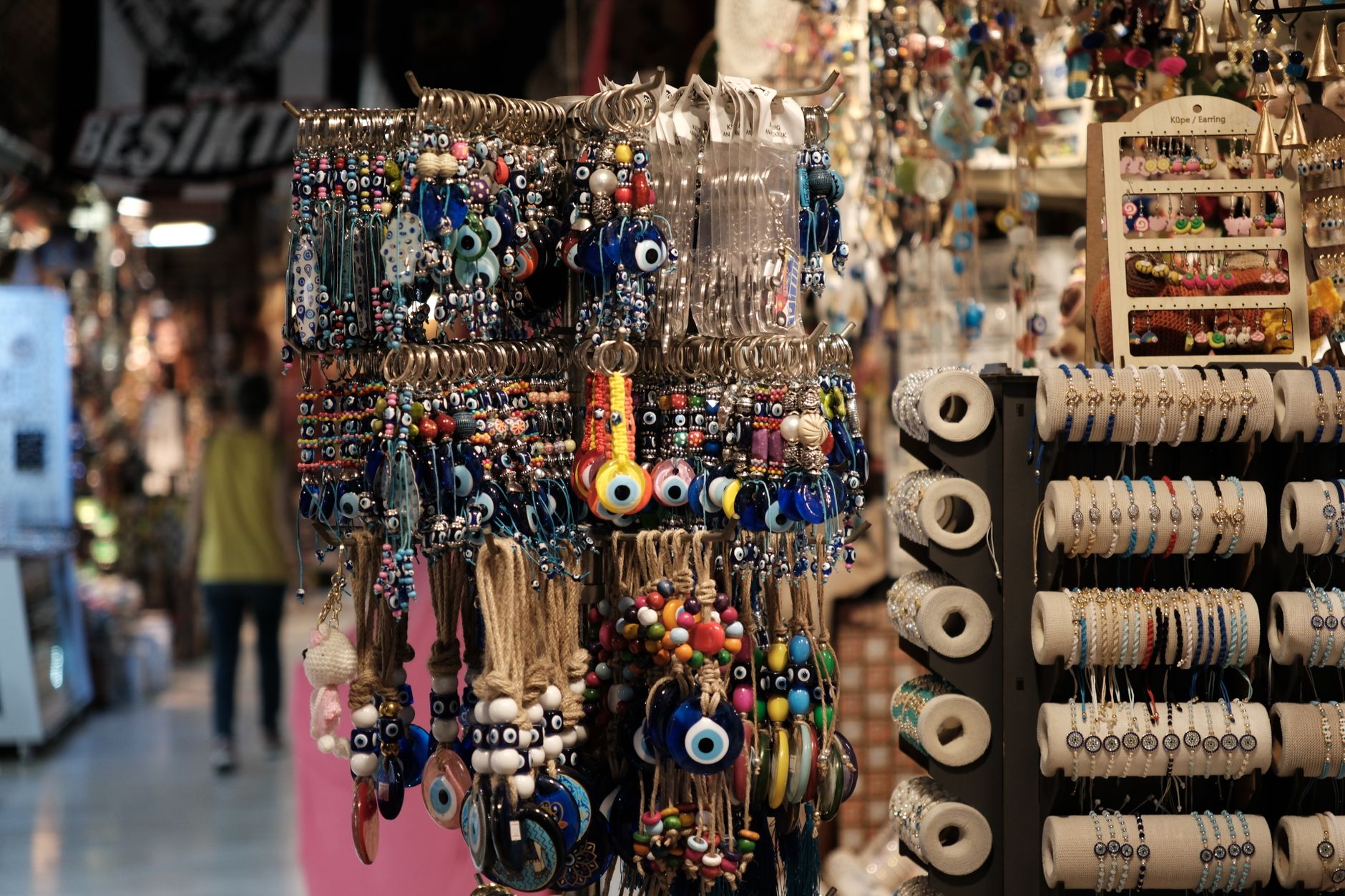
Look for these in museum shops, cultural center boutiques, and craft markets rather than generic souvenir stands — you'll often find better quality and meet the makers. Buy from the puppeteer after a show if possible; a signed mini-figure is a story in itself.
Remember that handcrafted leather puppets are delicate; wrap them carefully, and they'll travel home beautifully. For more responsible-travel inspiration and cultural etiquette, see our trust and editorial standards page.
Why Karagöz Is Worth an Evening of Your Trip
Türkiye offers travelers ancient ruins, coastlines, and world-class food — but its living arts are what turn a good trip into a memorable one. A Karagöz performance is that rare combination: short, cheap, universally enjoyable, and deeply rooted in Turkish identity. It's a way to laugh with locals rather than merely watch them, and to see a centuries-old art form that refuses to become a relic.
So when you're in Bursa, or anywhere in Türkiye during a festival or Ramadan, ask about the shadow puppets. Sit in the dark, watch the candlelight brighten the screen, and listen for the tambourine. Two silhouettes will start arguing, and six hundred years of Turkish humor will land in your lap — joyfully, and all at once.
If you'd like help weaving cultural experiences like this into a broader journey, our Turkey travel experts and route ideas are a good next step.
Thinking about a trip to Turkey?
Share your contact details and a vetted local expert will follow up with a plan built around you — free, no obligation.