

A Wider, Deeper Michelin Map for Türkiye
The Michelin Guide's latest Türkiye selection marks a meaningful shift: instead of clustering stars and Bib Gourmands in Istanbul, inspectors have pushed deeper into Anatolia. Gaziantep, long celebrated at home as Türkiye's gastronomic capital, and İzmir, the Aegean's confident dining city, both gained fresh visibility. So did lesser-known regional kitchens in cities such as Adana, Konya, Trabzon and Mardin.
For travelers, the message is simple. Türkiye is no longer a one-city food trip. The country's culinary story is regional, and the new recognition gives food lovers a reliable, curated map to follow beyond the Bosphorus.
If you are sketching a route now, our itineraries and destinations pages are good places to start planning.
Gaziantep: The Capital of Anatolian Flavor
Gaziantep has earned its reputation through pistachios, pepper pastes and a kebab culture that borders on devotion. Seek out beyran, a slow-cooked lamb and rice dish served in layers; lahmacun and katmer, the paper-thin pistachio pastry; and baklava made with local Antep pistachios.
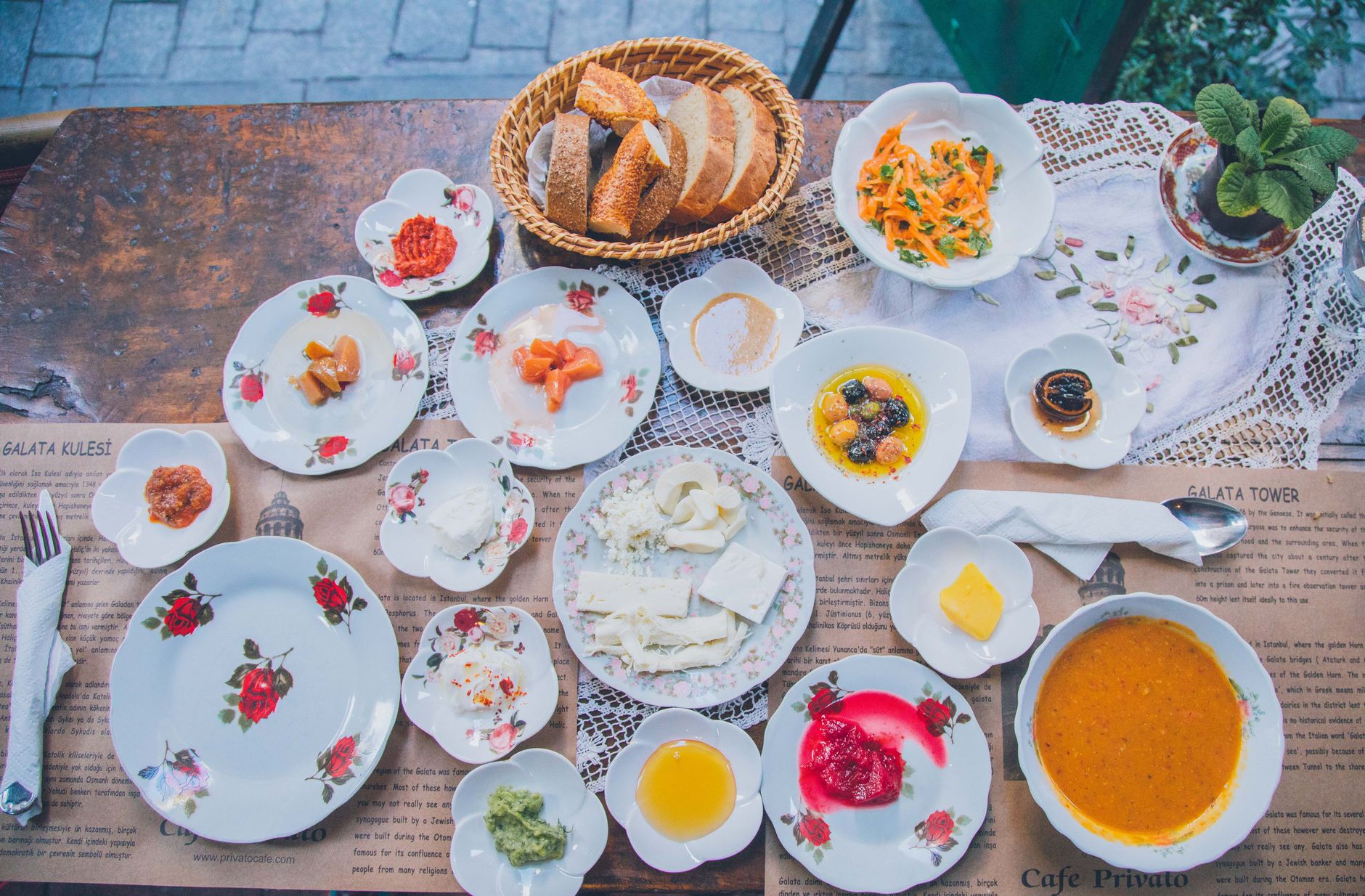
Michelin's attention here confirms what Turkish diners already knew: Gaziantep's kitchens combine heritage recipes with precise, modern execution. Book a table for dinner, but leave room for the street-side breakfast culture — kahvaltı spreads of cheeses, olives and jams are an experience in themselves.
For timing tips and seasonal advice, see our best time to travel guide.
İzmir: Aegean Produce Meets Contemporary Cooking
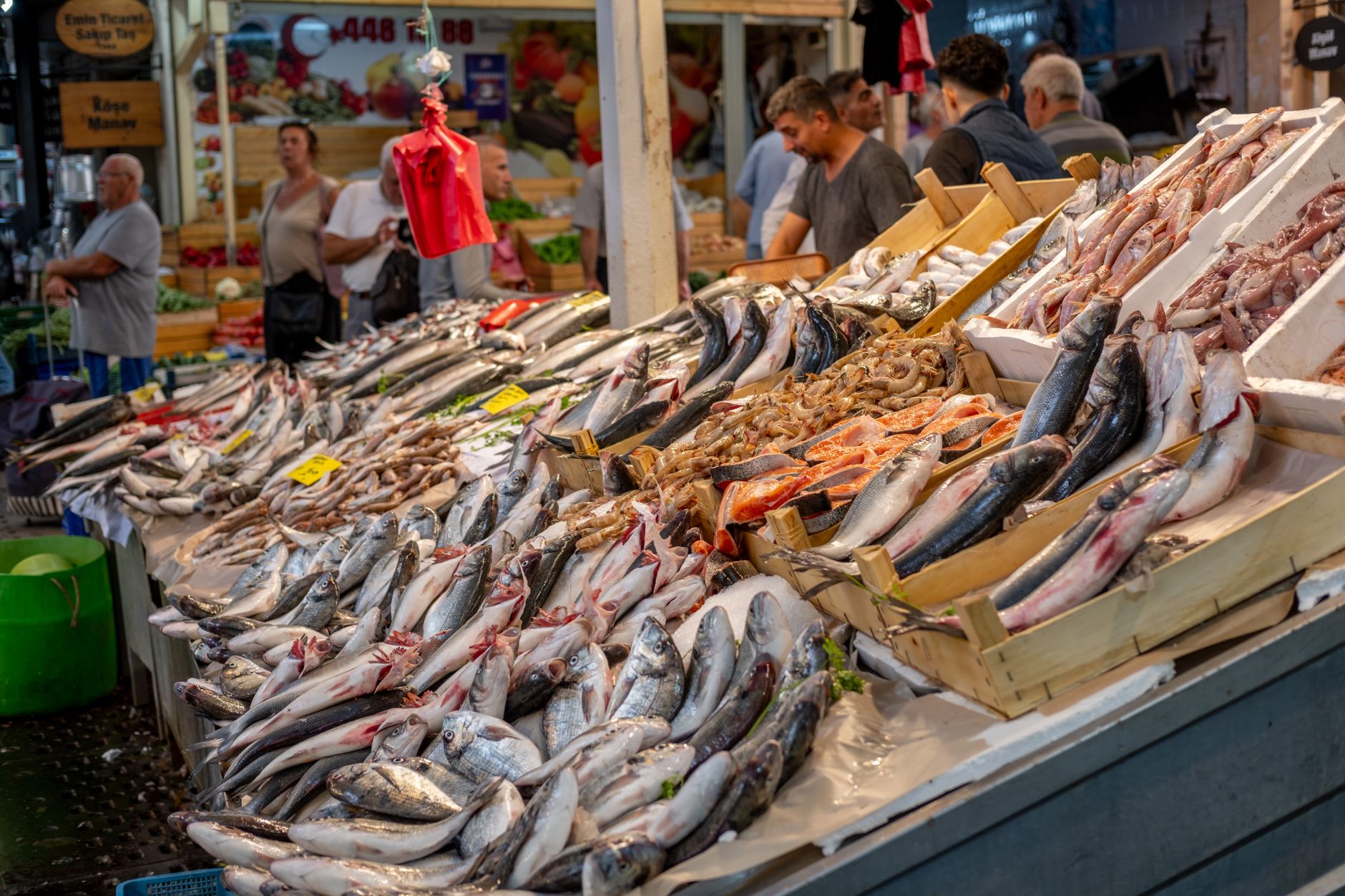
İzmir's dining scene has matured quickly. Expect olive oil-forward Aegean cooking, abundant herbs and seafood, and a growing set of chefs reinterpreting Ege classics with modern technique. Look for midye dolma, stuffed mussels; boyoz at breakfast; and grilled fish paired with wild greens.
The city's recognition in the new selection gives food travelers another strong reason to anchor a trip on the Aegean coast. Combine İzmir with nearby Selçuk and Ephesus for a balanced mix of history and gastronomy.
Lesser-Known Anatolian Kitchens Worth a Detour
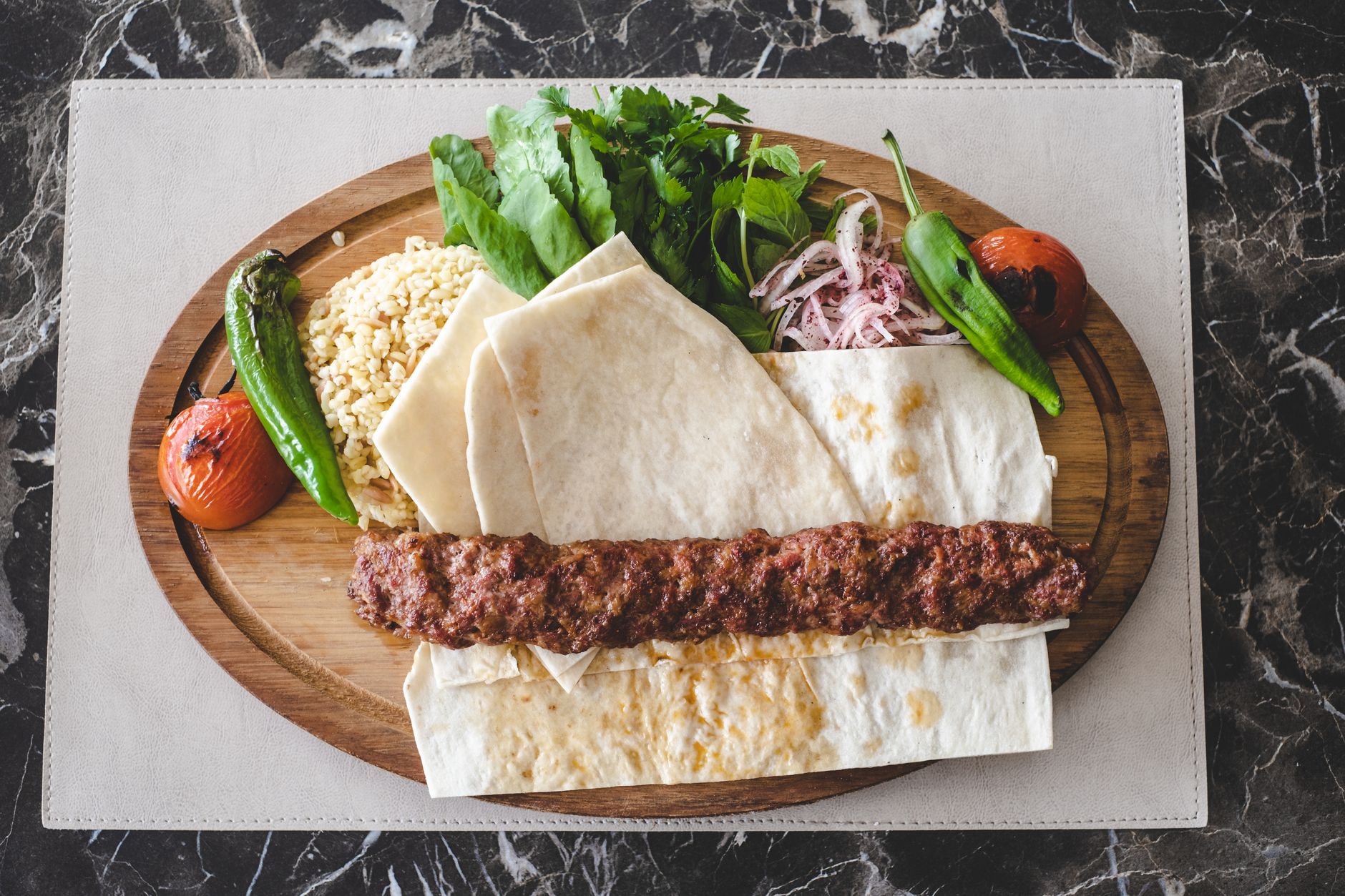
Beyond the headline cities, Michelin's expanded look at Anatolia highlights regional kitchens that rarely appear on international lists. Adana's smoky Adana kebab, Konya's etli ekmek and fırın kebabı, Trabzon's hamsi dishes and Mardin's slow-cooked kaburga dolması all reward the traveler who goes further.
These are not museum dishes. Local chefs are refining them with better sourcing, sharper plating and confident wine pairings — often in family-run restaurants with modest prices.
Our route ideas and guides can help you connect these stops sensibly without backtracking.
Value: Fine Dining in Türkiye Still Beats Europe on Price
One of the most practical takeaways for food travelers is cost. A tasting menu at a top Türkiye restaurant typically costs a fraction of a comparable experience in Paris, Copenhagen or London. Even with recent inflation, mid-range and fine dining in Gaziantep, İzmir and Anatolian cities remain remarkably affordable by Western European standards.
That value extends to wine, too. Aegean and Anatolian producers offer excellent local bottles at prices that make pairing easy. Budget-conscious travelers can eat exceptionally well while still splurging on one or two standout meals.
Use the trip planner to estimate daily costs and build a food-focused budget.
How to Build a Culinary Itinerary
A practical route might start in Istanbul for a day or two, fly to Gaziantep for kebabs and baklava, continue to Adana or Mardin for regional depth, then finish in İzmir for Aegean seafood and contemporary dining. Allow at least two nights per city; regional kitchens deserve unhurried meals.
Book popular restaurants ahead, especially in Gaziantep, and plan market visits in the morning when produce and spice stalls are liveliest. Carry cash for smaller establishments.
For more food and travel context, browse the blog and see our gallery for visual inspiration.
What the Recognition Means for Travelers
Michelin's deeper push into Anatolia is not just an award story. It signals that Türkiye's regional kitchens are being taken seriously on the global stage, and that food travelers can now follow a curated map into places that were previously word-of-mouth discoveries.
The result is a richer, more affordable and more rewarding culinary journey — one that celebrates Anatolia's diversity rather than reducing Turkish food to a single city or a single dish.
Thinking about a trip to Turkey?
Share your contact details and a vetted local expert will follow up with a plan built around you — free, no obligation.