

The Arrival of Nar: Türkiye's Autumn Gem
As the first cool breezes sweep across Anatolia in late September, the markets of Türkiye begin to blush with the arrival of nar—the pomegranate. This ruby-skinned fruit is more than just produce; it's a cultural icon, a symbol of abundance, fertility, and the bittersweet transition from summer to autumn. From the Aegean coast to the southeastern plains, the pomegranate season is a celebration that engages all the senses: the crack of the rind, the jewel-like arils bursting with tart juice, and the vibrant red stains that mark fingers and lips.
For travelers, nar season offers a unique window into Turkish daily life. It's a time when market stalls overflow with pyramids of pomegranates, juice carts whir from dawn to dusk, and home kitchens fill with the scent of simmering syrups. Whether you're wandering through Istanbul's spice bazaar or a village market in Şanlıurfa, the pomegranate is your ticket to autumn's edible rituals.
Timing Your Trip: When and Where to Go
Pomegranate season in Türkiye runs roughly from October through December, with peak abundance in November. Early varieties appear in late September, especially in the warmer regions of the south, while late-harvest types can linger into January. The Aegean region—particularly around Izmir, Aydın, and Muğla—is famous for its juicy, sweet-tart pomegranates. Meanwhile, the Southeast, including Gaziantep and Şanlıurfa, produces some of the most prized varieties for syrup and molasses.
If you're planning a trip around nar season, aim for mid-October to mid-November. The weather is mild, the markets are at their liveliest, and you can witness the full spectrum of pomegranate culture: from fresh-pressed juice to traditional nar ekşisi (pomegranate molasses) being made in rural courtyards. Keep in mind that coastal areas like Antalya and Bodrum offer a longer season, while inland regions may have a shorter window.
Market Etiquette: Navigating the Nar Stalls
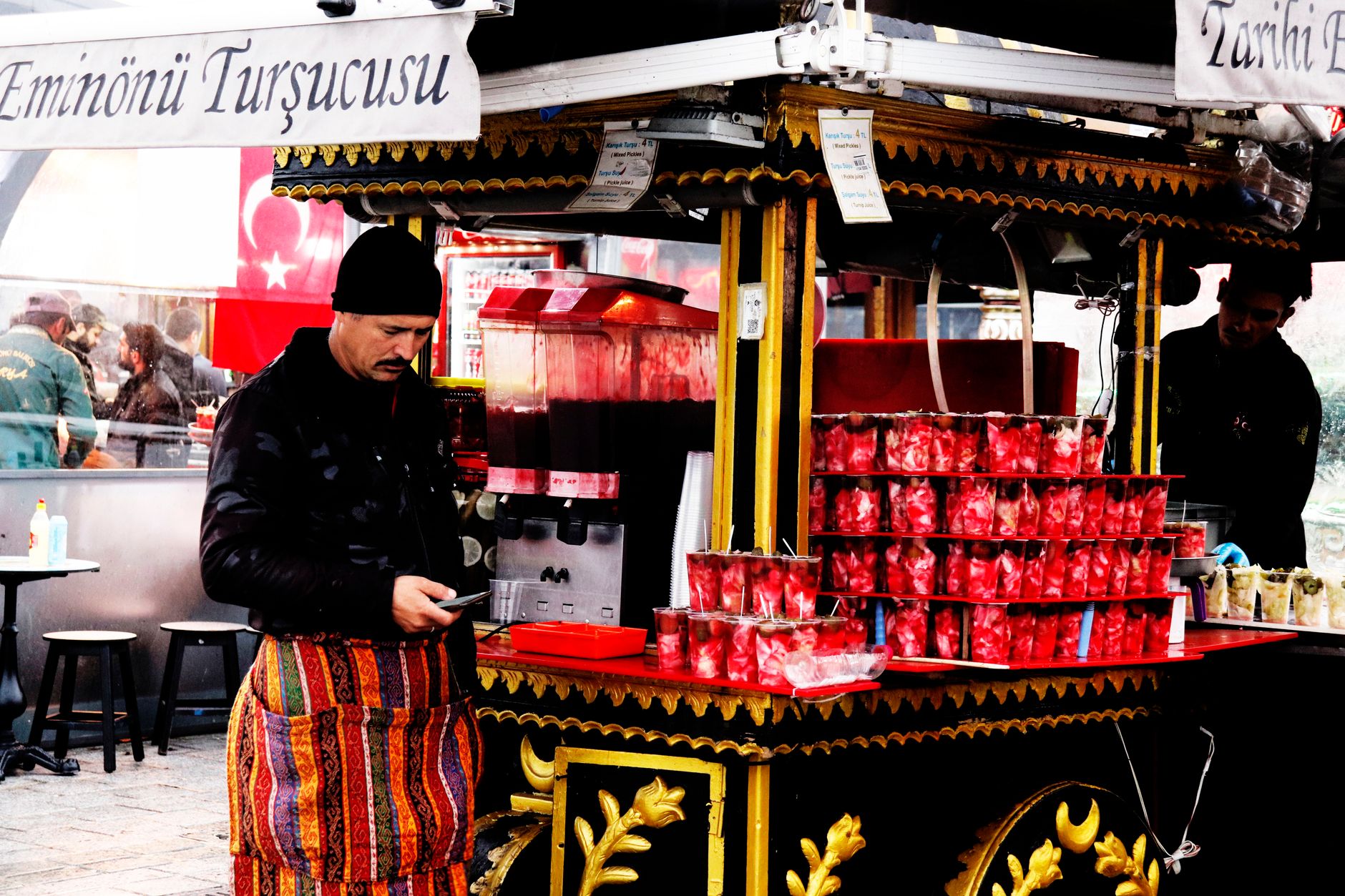
Turkish markets, or pazars, are sensory overloads in the best way. When approaching a pomegranate stall, it's polite to greet the vendor with a smile and a simple "Merhaba" (hello). Feel free to ask for a taste—many vendors will happily crack open a fruit to let you sample the arils. But don't squeeze or handle the fruits roughly; pomegranates bruise easily, and a gentle touch shows respect for the produce.
Bargaining is acceptable at open-air markets, but keep it friendly and reasonable. A good rule of thumb: if you're buying a kilo or more, you can ask for a small discount. Also, bring cash—many small vendors don't accept cards. And don't forget your own bag; while plastic bags are provided, using a reusable tote is appreciated. Finally, if you're offered a glass of tea while you browse, accept it—it's a gesture of hospitality that's central to the market experience.
"In the pazar, the pomegranate is not just fruit; it's a conversation starter, a symbol of generosity, and a taste of autumn's soul."
Fresh-Pressed Juice: The Liquid Ruby of Turkish Streets
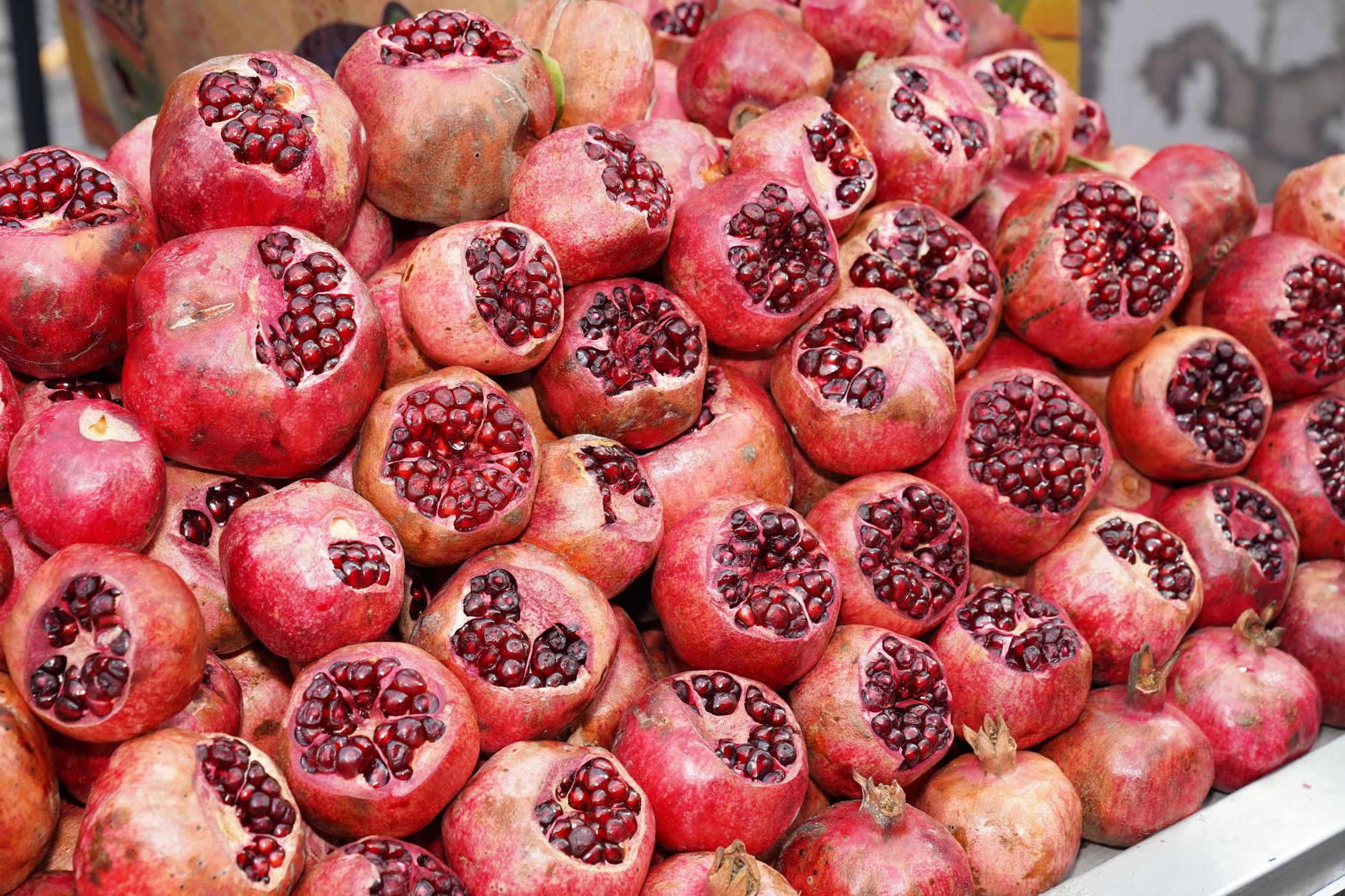
No nar season experience is complete without a glass of freshly squeezed pomegranate juice. From Istanbul's Istiklal Street to Izmir's Kemeraltı Market, juice carts and small shops operate manual or electric presses, turning whole pomegranates into a foamy, deep-red elixir. The juice is often served in small plastic cups, sometimes with a sprinkle of salt or a squeeze of lemon to balance the tartness. It's a ritual: you watch the vendor halve the fruit, press it with practiced ease, and hand you a cup that tastes like autumn sunshine.
For the best juice, look for stalls that press the fruit on demand. The color should be a vibrant crimson, and the taste should be both sweet and tangy. Prices vary—expect to pay around 20-30 TL for a small cup in tourist areas, less in local neighborhoods. Some vendors also offer mixed juices, like pomegranate-orange or pomegranate-carrot, but purists swear by the straight nar.
Regional Specialties: From Nar Ekşisi to Gavurdağı Salad
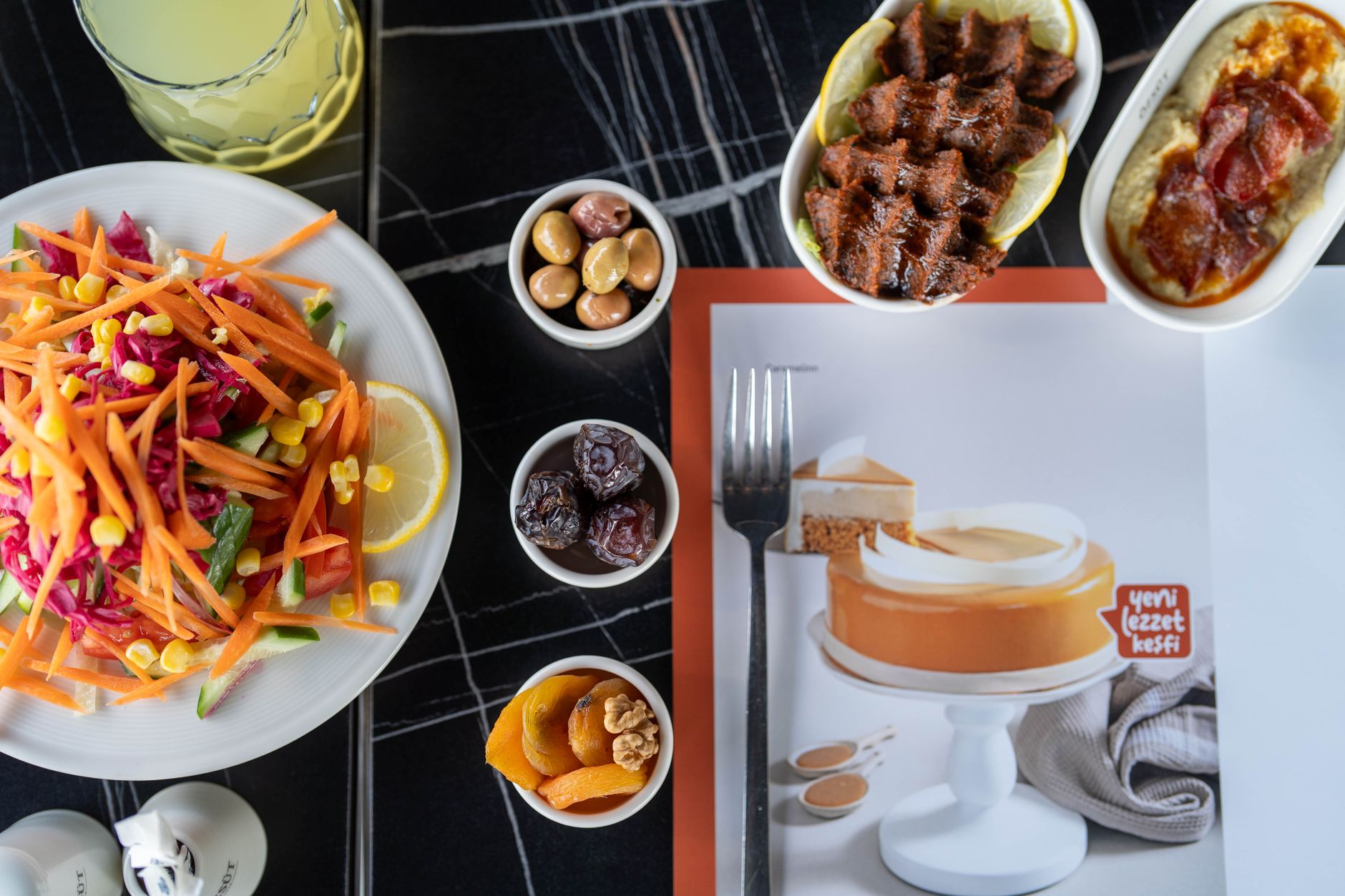
Pomegranate molasses, or nar ekşisi, is a cornerstone of southeastern Turkish cuisine. Made by boiling down pomegranate juice with sugar and lemon, it's a thick, dark syrup with a sweet-sour punch. In Gaziantep and Şanlıurfa, you can visit traditional producers who still use copper cauldrons and wood fires. The molasses is drizzled over kebabs, mixed into salad dressings, and even used as a dipping sauce for bread.
Another must-try is Gavurdağı salad, a tangy mix of finely chopped tomatoes, cucumbers, onions, walnuts, and parsley, dressed with nar ekşisi and olive oil. It's a staple in southeastern meze spreads and perfectly captures the region's love for bold, fresh flavors. In the Aegean, look for nar ekşili köfte—meatballs simmered in a pomegranate sauce—or simply enjoy the arils scattered over yogurt for a refreshing dessert.
Don't miss nar reçeli, a pomegranate jam made from the arils and sugar, often enjoyed with clotted cream (kaymak) at breakfast. And for a savory twist, try nar ekşili dolma, stuffed vegetables with a hint of pomegranate molasses.
Autumn Rituals: More Than Just Eating
In many Turkish villages, pomegranate season is a time for communal activity. Families gather to make nar ekşisi, a process that takes days of boiling and stirring. The air fills with the sweet-sour aroma, and children sneak spoonfuls of the thickening syrup. In the Aegean, pomegranates are dried and hung in doorways as a symbol of prosperity, while in the southeast, the fruit is cracked open at celebrations to ensure good luck.
For travelers, participating in these rituals—even as an observer—offers a deeper connection to Turkish culture. Some boutique hotels and cooking schools in Izmir and Gaziantep offer workshops on making nar ekşisi or pomegranate-based dishes. Alternatively, simply sit in a village tea house and watch the locals sort and press the fruit; you'll be welcomed with curiosity and warmth.
Practical Tips for Pomegranate Lovers
When buying pomegranates, choose fruits that feel heavy for their size—they're juicier. The skin should be glossy and taut, with no soft spots. Store them in a cool, dark place for up to a month, or refrigerate for longer shelf life. To open a pomegranate without staining your clothes, cut off the crown, score the skin along the ridges, and submerge the fruit in a bowl of water to loosen the arils.
If you're traveling with pomegranate molasses in your luggage, pack it in a sealed container and wrap it in plastic—it can leak. Also, note that fresh pomegranates are generally allowed in carry-on luggage for domestic flights, but check international regulations. Finally, embrace the mess: pomegranate juice stains, so wear dark clothing or bring stain remover wipes.
Whether you're sipping fresh juice in a bustling bazaar or savoring nar ekşisi on a quiet Aegean terrace, pomegranate season in Türkiye is a feast for the senses. Come with an open mind, a healthy appetite, and a willingness to get your hands (and maybe your shirt) stained with ruby-red juice. It's an autumn ritual you'll never forget.
Thinking about a trip to Turkey?
Share your contact details and a vetted local expert will follow up with a plan built around you — free, no obligation.