

There's a moment on every Bosphorus ferry when the city holds its breath. The call to prayer echoes off the hills, seagulls dive for simit crumbs, and the skyline of domes and minarets glides past like a living postcard. This isn't a tourist cruise with overpriced tickets and narrated commentary—it's the daily commute for thousands of Istanbulites, and it costs less than a cup of coffee.
For budget-conscious travelers seeking authentic local experiences, Türkiye's public ferries are a revelation. They're frequent, affordable, and offer some of the most spectacular views in the country. From the iconic vapur (ferry) crossing the Bosphorus to the leisurely routes to the Marmara Islands, these boats are more than transport—they're floating observatories where you witness the pulse of a nation.
Why the Vapur Is Istanbul's Best-Kept Secret
Istanbul is a city built around water. The Bosphorus Strait divides Europe and Asia, while the Golden Horn carves into the European side. For centuries, ferries have been the arteries connecting these shores. Today, the vapur (from the French vapeur, meaning steamboat) remains the most romantic way to cross the strait.
Unlike the crowded metro or the traffic-choked bridges, the ferry offers space, fresh air, and uninterrupted views. On a typical morning crossing from Kadıköy to Eminönü, you'll share the deck with commuters sipping çay (tea) from tulip-shaped glasses, students reading novels, and elderly men tossing simit to the seagulls. It's a slice of daily life that no museum can replicate.
The best part? A single ride costs just a few Turkish lira when you use an Istanbulkart. You'll pay more for a bottle of water in the tourist center. And you can ride for over an hour on some routes—perfect for a self-guided sightseeing tour that doesn't feel like one.
"I came to Istanbul for the Hagia Sophia and the Grand Bazaar," says Sarah, a traveler from Melbourne. "But the ferry ride from Europe to Asia at sunset? That's the memory I'll keep forever."
How to Use Istanbulkart and Read Timetables Like a Local
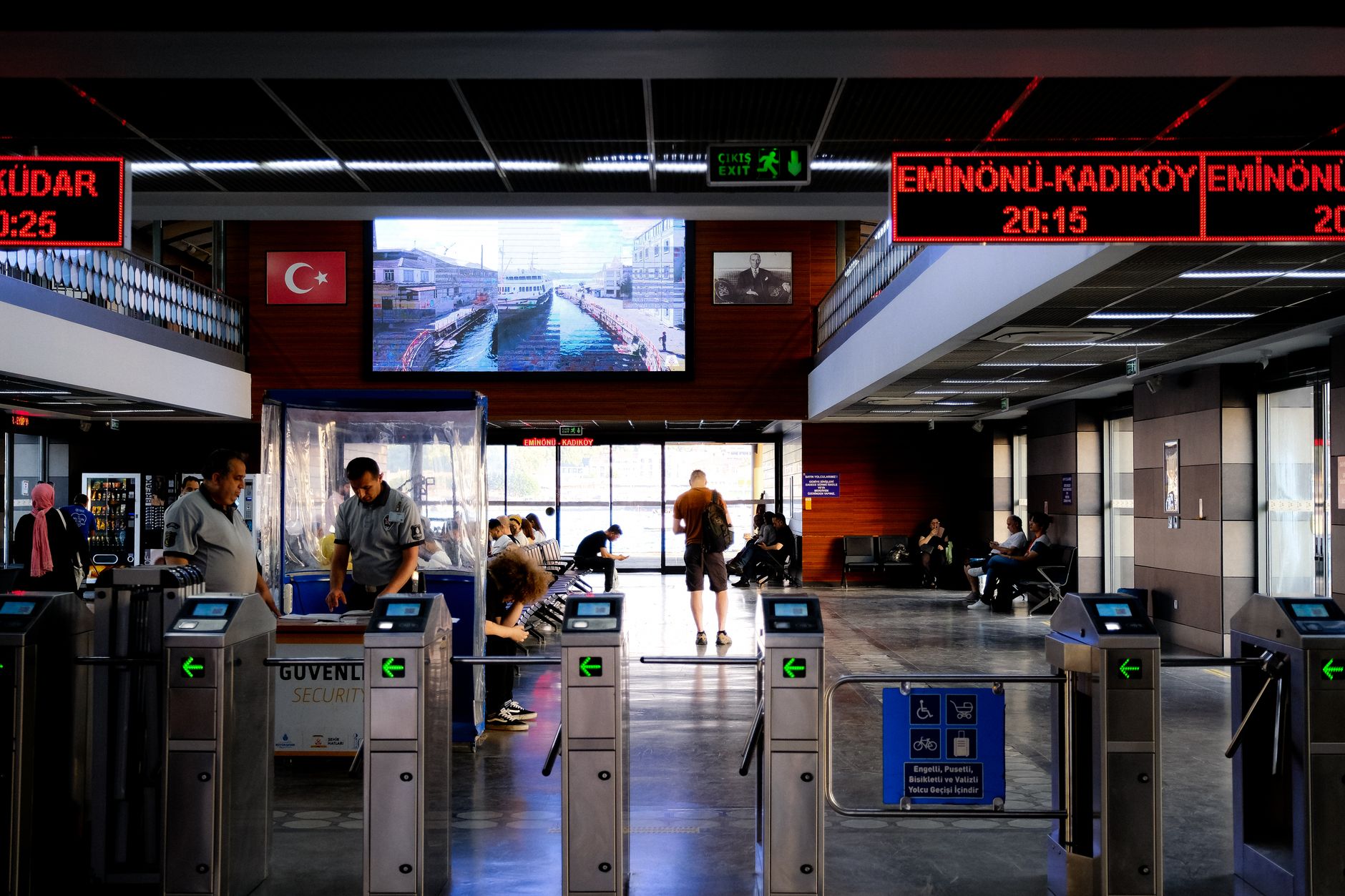
First, get an Istanbulkart. This reusable smart card works on ferries, buses, trams, metro, and even public toilets. You can buy one at kiosks near major ferry terminals or from vending machines at metro stations. The card itself costs a small deposit, then you load credit (called bakiye) at the same machines.
Using it is simple: tap the reader at the turnstile before boarding the ferry. The fare is deducted automatically, and transfers within a certain window come with a discount. Children under 6 ride free, and students get reduced rates. Don't bother with single-use jetons (tokens)—they're slowly being phased out and cost more per ride.
Timetables are posted at every pier, but they can be confusing at first. Look for the route name (e.g., "Kadıköy–Eminönü") and the departure times listed in two columns: Hafta İçi (weekdays) and Hafta Sonu (weekends). During peak hours (7–9 AM and 5–7 PM), ferries run every 10–15 minutes. On weekends and holidays, service is less frequent but still reliable.
For real-time schedules, download the Şehir Hatları app or check their website. It shows live departure times, which is a lifesaver on foggy or windy days when sailings can be delayed. Also, note that some routes—especially to the Princes' Islands—operate only seasonally or with reduced winter schedules.
Pro tip: Buy your Istanbulkart at a less crowded pier like Üsküdar or Karaköy instead of the chaotic Eminönü terminal. You'll save time and get help from friendlier staff.
The Classic Bosphorus Route: Eminönü to Kadıköy and Beyond
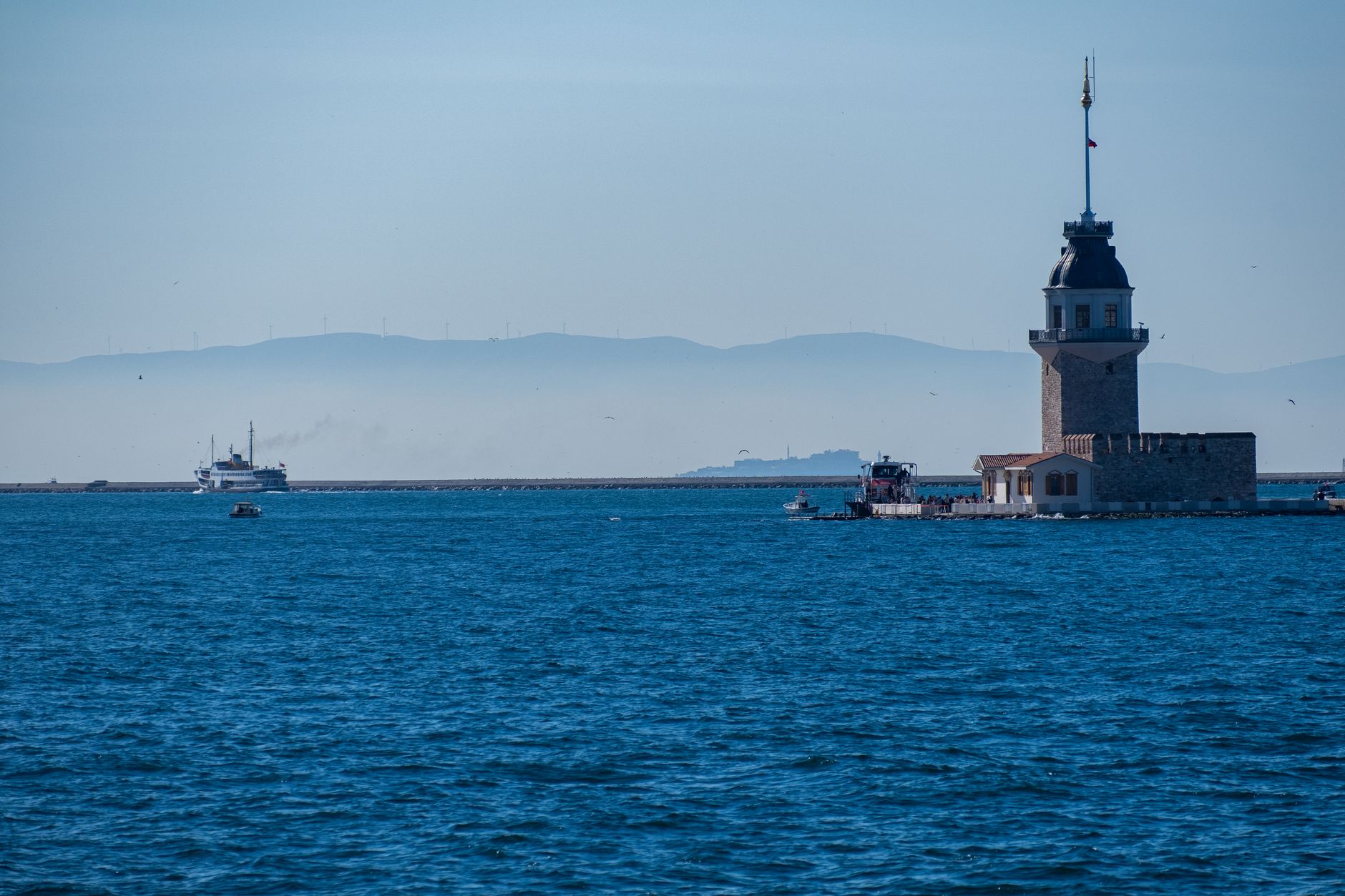
The most famous ferry line is the one connecting Eminönü (on the historic peninsula) to Kadıköy (on the Asian side). The journey takes about 20 minutes, but it packs in a lifetime of sights: the Topkapı Palace, the Hagia Sophia, the Galata Tower, and the Maiden's Tower—all from the water.
For a longer, more scenic ride, take the Bosphorus Tour (Boğaz Turu) operated by Şehir Hatları. This round-trip ferry departs from Eminönü and sails all the way to the Black Sea and back, passing under both the Bosphorus Bridge and the Fatih Sultan Mehmet Bridge. It's a six-hour journey with a stop near the Black Sea, where you can explore the Rumeli Feneri lighthouse or grab lunch.
But even the short commuter routes offer plenty of magic. Try the Karaköy–Kadıköy line for a quick crossing with skyline views, or the Beşiktaş–Üsküdar route for a quieter experience. Each pier has its own character: Karaköy buzzes with street food vendors, while Üsküdar feels like a step back in time with its Ottoman mosques and tea gardens.
If you have time, hop off at Ortaköy to see the ornate Ortaköy Mosque right on the water's edge, then continue to Bebek for a stroll along the upscale waterfront. The ferry network makes it all accessible for pocket change.
Sunrise and Sunset: The Best Sailings for Photographers
Photographers, listen up: the golden hour on the Bosphorus is pure magic. The light turns the water into liquid copper, and the silhouettes of minarets and bridges create dramatic compositions. Here's how to plan your perfect shot.
Sunrise: Take the 6:30 AM ferry from Üsküdar to Eminönü. As the sun rises over the Asian side, it illuminates the historic peninsula, and the morning mist often adds a dreamy quality. The deck is quiet except for a few commuters, so you can claim the best spot at the bow. Use a fast lens and brace yourself—the boat rocks gently.
Sunset: The 7:00 PM (summer) or 5:00 PM (winter) departure from Kadıköy to Eminönü is legendary. The sun sets behind the Galata Tower and the Golden Horn, casting a warm glow on the domes of the Süleymaniye Mosque. For a different angle, take the Karaköy–Kadıköy ferry and shoot back toward the sunset over the Sea of Marmara.
Don't forget the Maiden's Tower (Kız Kulesi). It's best photographed from a ferry passing by at dusk, when the tower is lit up and reflected in the water. The Üsküdar–Beşiktaş route passes close enough for a stunning frame.
"I rode the ferry five times in one day just to get the perfect sunset shot," admits Alex, a travel photographer from London. "Each time the light was different, and I never got tired of it."
For Marmara Island routes, the sunset over the sea is equally spectacular. The ferry from Istanbul to the Princes' Islands (Adalar) takes about 90 minutes, and the return trip at sunset offers views of the city's silhouette from afar—a perspective few tourists ever see.
Marmara Island Routes: A Slow Travel Adventure
Beyond Istanbul, the Sea of Marmara is dotted with islands that feel like a different world. The Princes' Islands (Büyükada, Heybeliada, Burgazada, and Kınalıada) are car-free havens where you can cycle, swim, and eat fresh seafood. Ferries run daily from Bostancı, Kadıköy, and Kabataş, with more frequent service in summer.
The ride itself is part of the experience. As you leave the city behind, the water becomes bluer, and the islands appear on the horizon like green jewels. On board, vendors sell simit and tea, and you can sit on the open deck, feeling the sea breeze on your face. It's a mini-vacation for the price of a metro ticket.
For a longer adventure, head to Marmara Island (Marmara Adası) itself, reachable by ferry from Tekirdağ or Istanbul (seasonal). This island is known for its marble quarries and quiet beaches. The ferry ride takes several hours, but it's a chance to see local life unfold—fishermen mending nets, families picnicking on deck, and the occasional dolphin pod.
Another gem is Avşa Island, famous for its vineyards and beaches. Ferries connect it to Istanbul and other Marmara ports, but schedules are limited, so plan ahead. The journey is long but rewarding, especially if you love the slow rhythm of the sea.
Remember: island ferries can be crowded on weekends, so arrive early to secure a seat. And bring cash for snacks—not all vendors accept cards.
Practical Tips for a Smooth Ferry Experience
Best times to ride: Avoid rush hour (7–9 AM, 5–7 PM) if you want a seat and unobstructed views. Mid-morning and mid-afternoon are ideal. Weekends are busier, especially on sunny days.
What to bring: A jacket (it's windy on deck), sunglasses, sunscreen, and a camera. A simit or a bag of roasted chestnuts from a pier vendor makes the ride even better. Some ferries have indoor cafeterias selling tea, coffee, and snacks, but they're pricier.
Accessibility: Most ferries are wheelchair accessible, with ramps at major piers. However, older boats may have steep stairs. Check with staff if you need assistance.
Safety: Ferries are very safe, but keep an eye on your belongings in crowds. Also, don't lean over the railing—the Bosphorus currents are strong.
Etiquette: Turks are friendly but appreciate politeness. Offer your seat to elderly passengers, and don't hog the best photo spots for too long. A smile and a "teşekkürler" (thank you) go a long way.
Finally, embrace the unpredictability. Ferries can be delayed by fog or strong winds, but that's part of the adventure. Use the extra time to sip tea, chat with locals, or simply watch the seagulls. You're on holiday, after all.
Final Thoughts: The Ferry as a Way of Life
In a world of fast travel and instant gratification, Istanbul's ferries remind us to slow down. They connect not just shores but people—commuters, students, tourists, and dreamers. For a few lira, you get a front-row seat to one of the world's greatest cities and its surrounding seas.
So skip the expensive tour boats. Buy an Istanbulkart, check the timetable, and step aboard. Whether it's a sunrise crossing to Asia or a sunset return from the islands, the vapur will give you memories that last far longer than any souvenir. And who knows? You might just fall in love with the commute.
Thinking about a trip to Turkey?
Share your contact details and a vetted local expert will follow up with a plan built around you — free, no obligation.