

There is a particular sound in an old Ottoman house: the soft groan of a wooden staircase underfoot, a window sash settling in its frame, the muffled call to prayer drifting over tiled rooftops. Staying in a restored konak — the large, timber-framed family mansions built by merchants and officials across Anatolia — is one of the most atmospheric travel experiences Türkiye offers, and often one of the most affordable. You are not paying five-star prices for five-star consistency; you are paying modest rates for hand-carved ceilings, courtyard gardens and a sense of sleeping inside history.
This guide focuses on three towns where heritage accommodation is both authentic and bookable with confidence: Safranbolu in the Black Sea region, Amasya along the Yeşilırmak river, and Birgi in the Aegean hinterland. Each has a protected historic quarter, a cluster of restored houses, and a growing number of family-run guesthouses that make heritage travel practical for ordinary budgets.
What Exactly Is a Konak?
The word konak loosely means "mansion" or "residence," and in the Ottoman context it describes a substantial townhouse — usually two or three storeys, built around a timber frame with stone or brick infill, topped by a wide overhanging roof. The upper floor typically projects over the street or garden, supported by wooden brackets, a design that created extra light and air while preserving privacy for the family inside.
Inside, the layout revolves around a central hall called the sofa or divanhane, off which open small rooms used for sitting, sleeping and receiving guests. Ceilings in the best examples are works of art: painted floral motifs, carved wooden borders, sometimes gilded detailing. Many konaks also have a hayat — an open courtyard or terrace that served as the heart of domestic life.
Restoration projects across Türkiye have converted hundreds of these buildings into boutique hotels, guesthouses and homestays. The quality varies enormously, which is precisely why the booking advice below matters.
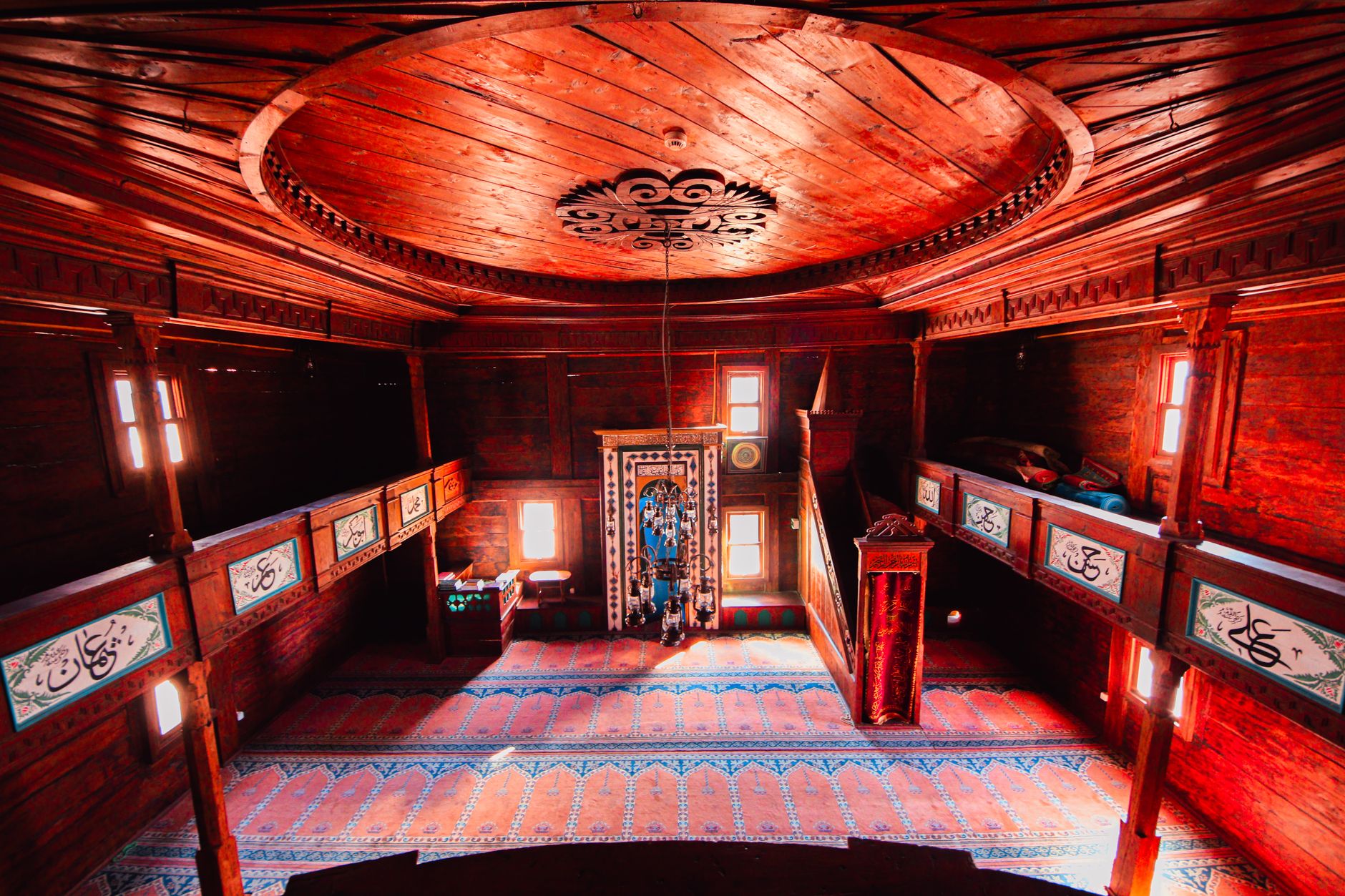
Why a Konak Stay Beats a Generic Hotel
The obvious appeal is aesthetics: thick stone walls that keep summer heat at bay, shuttered windows that open onto mulberry trees, breakfast served on hand-woven kilims. But the deeper pleasure is human. Most restored konaks are run by families or long-term local residents who know the town intimately — which bakery opens earliest, which hammam still has its original dome, where to find the best local sweet.
Cost is the other pleasant surprise. Outside Istanbul and the main coastal resorts, a comfortable double room in a well-reviewed konak often costs less than a mid-range chain hotel, breakfast included. You are trading uniformity for character, and in most cases you are also supporting the preservation of buildings that would otherwise crumble.
The trade-off is predictability. An old house is an old house. Plumbing can gurgle, wifi can be patchy in thick-walled rooms, and heating in winter depends on how the building was retrofitted. If you go in expecting heritage rather than hotel-issue perfection, you will love it.
Safranbolu: The UNESCO Classic
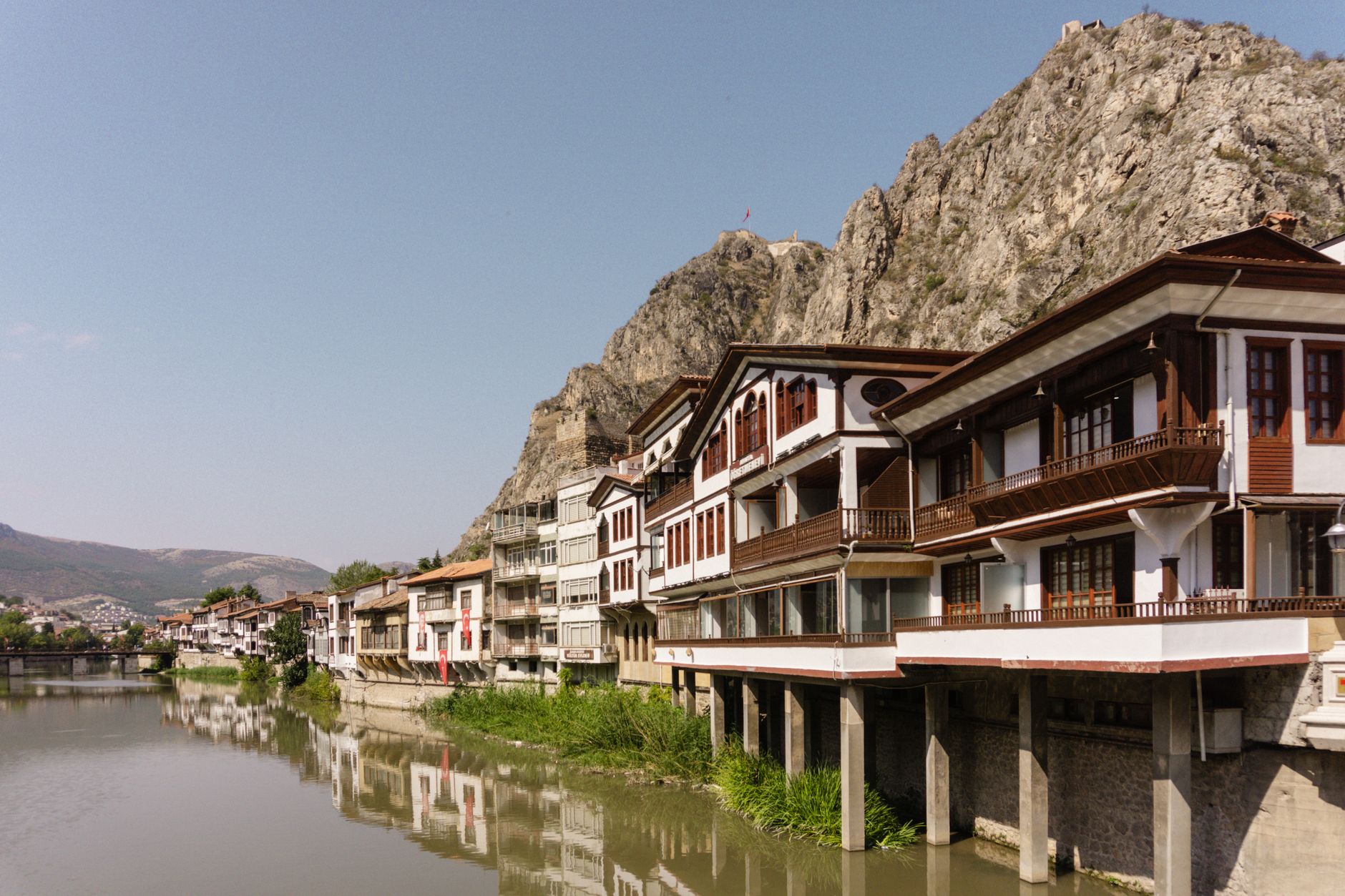
Safranbolu, in Karabük province inland from the Black Sea coast, is the best-known Ottoman house town in Türkiye and a UNESCO World Heritage Site since 1994. The old quarter, known as Çarşı, tumbles down a hillside of cobbled lanes lined with hundreds of registered konaks — some restored, some gently decaying, all photogenic.
The town made its fortune in saffron and later in leather and copper, and the merchant families' houses reflect that wealth. Several have been converted into guesthouses, often retaining original ceiling paintings, built-in cupboards and stone fireplaces. A night or two here pairs naturally with the surrounding region: the Black Sea coast, the market town of Kastamonu, and the historic bronze workshops of the old bazaar.
Book through listings with recent reviews and clear photos of the actual room you will get. Some konaks have a handful of rooms of very different sizes, and the cheapest option may be a compact ground-floor room with a small window. That is not a scam — it is simply an old house — but it should be a conscious choice. If you are travelling in winter, ask specifically about heating.
Amasya: Riverfront Mansions Under the Cliffs
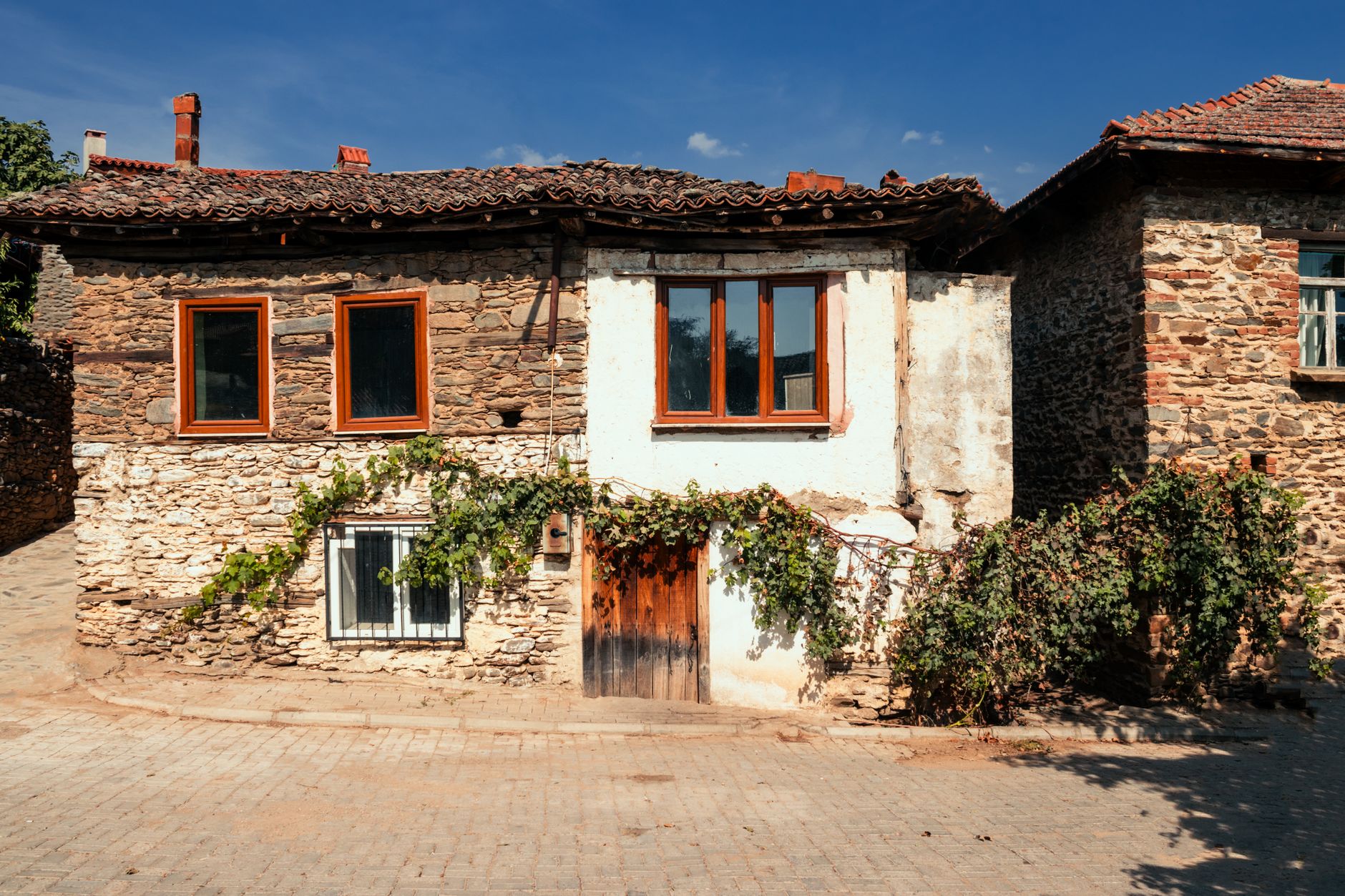
Amasya is one of the most dramatically sited towns in Anatolia: Ottoman houses line the Yeşilırmak river, while rock-cut tombs of Pontic kings stare down from the cliffs above. The historic Hatuniye and Yalıboyu districts preserve rows of riverside konaks, several now operating as hotels and restaurants.
The riverside houses are the atmospheric choice — some rooms look directly across the water to the cliff face, and evening light on the rock tombs is unforgettable. Others sit slightly uphill in the old streets, quieter and often cheaper. Amasya is a compact, walkable city, so wherever you stay in the old quarter you are minutes from the bazaar, the mosques and the riverside promenade.
Amasya suits travellers who want heritage accommodation without a museum-town feel. It is a living city with a university, busy tea gardens and excellent local food — try the stuffed quince and the regional keşkek. A konak here is a base for exploring the wider Yeşilırmak valley, including the rock-cut church at nearby Direkli and the mountain scenery beyond.
Birgi: The Quiet Aegean Gem
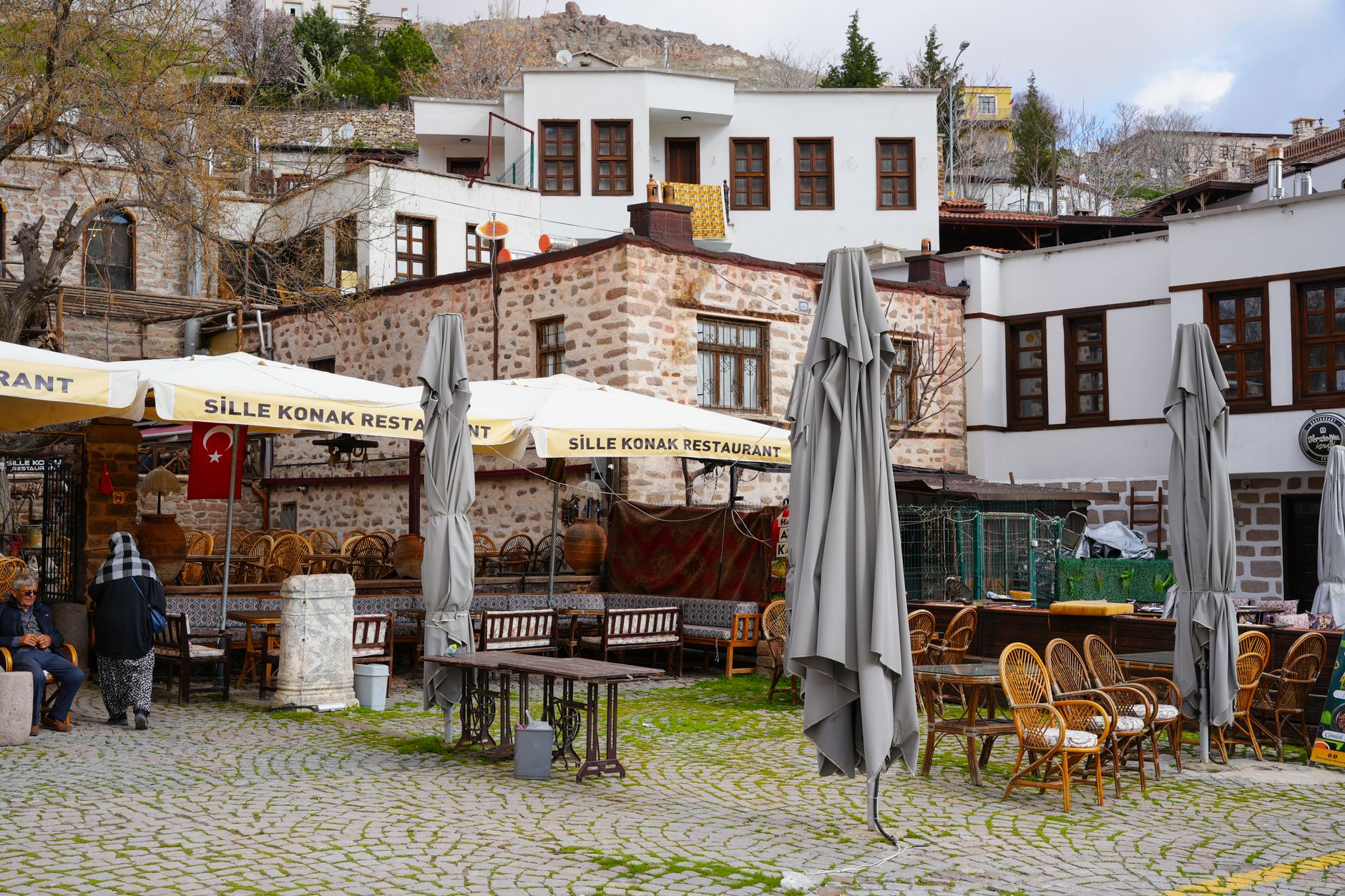
Birgi, in İzmir province near Ödemiş, is the smallest and most intimate of the three. This hillside village was an important centre in the Ottoman period and retains a remarkable concentration of historic houses, mosques and tombs, including the celebrated Aydınoğlu Mehmet Bey Mosque and the Çakırağa Mansion, now a museum.
Tourism here is still low-key. Accommodation is mostly small guesthouses in restored or carefully maintained traditional houses, often with courtyard gardens and home-cooked Aegean breakfasts — olives, cheeses, jams and endless tea. The village rewards slow travel: wander the lanes, climb to the upper terraces for views over the plain, and use it as a base for the surrounding Aegean countryside and the market town of Ödemiş.
Because Birgi's heritage-stay scene is smaller, book earlier in spring and autumn, and confirm directly with the property if you have specific needs such as a ground-floor room or private bathroom.
What to Expect Inside a Historic Building
Old Ottoman houses were built for a different daily rhythm, and that shapes your stay. Expect steep, narrow or uneven staircases — often the only way up to the bedrooms — and compact rooms that may be arranged around a central hall rather than a corridor. Bathrooms in restored konaks are usually modern but can be small, sometimes with a step up or down.
Sound travels. Timber floors creak, doors are often original, and courtyard conversations carry. Light can be limited, because windows were designed for privacy and were traditionally fitted with wooden lattice screens. Beds may be lower or firmer than you are used to. None of this is a defect; it is the fabric of the building.
Heating and cooling vary widely. Some properties have underfloor heating or modern split units discreetly installed; others rely on stoves or radiators. In summer, thick walls and shutters do much of the work, but not every room has air conditioning. If that matters to you, ask before you book — a good host will answer honestly.
How to Choose a Well-Reviewed Konak
Start with reviews, but read them properly. Look for recent comments that mention specifics: water pressure, breakfast, noise, mattress comfort, whether the photos matched reality. A handful of detailed, balanced reviews is worth more than dozens of generic five-star ratings. Photos uploaded by guests are the most reliable guide to room size and light.
Contact the property directly when possible. Ask about the exact room, the number of stairs, parking (many old quarters are pedestrianised or tight for cars) and whether breakfast is included. Family-run konaks often respond warmly and can arrange airport or bus-station transfers for a fee.
Check the location within the old town. "Five minutes from the centre" can mean a steep climb with luggage on cobbles. On our travel tools page you'll find practical resources for planning routes and comparing options, and our guides section covers regional itineraries that pair these towns sensibly.
- Book direct or via a platform with strong review transparency.
- Confirm room specifics in writing — size, floor, bathroom, heating/cooling.
- Ask about accessibility if stairs are a concern; many konaks have no lift.
- Travel light. Cobblestones and narrow stairs punish heavy suitcases.
- Shoulder seasons (spring, early autumn) give the best combination of comfort and availability.
Making the Most of Your Stay
Treat the konak as part of the destination, not just a bed. Eat breakfast slowly in the courtyard. Ask your host about the building's history — many families can tell you who built it, what trade paid for it, and which parts are original. Take an evening walk when the day-trippers have gone and the lanes belong to residents again.
Respect the fact that you are in someone's heritage, and often in their home. Keep voices low after dark, close shutters gently, and remember that the quirks you notice are the same ones that make the place memorable. If you want help shaping a route that links Safranbolu, Amasya or Birgi with the rest of your trip, our trip planner and local experts can help you build something realistic.
Sleeping in a restored Ottoman konak is not about luxury in the spa-and-marble sense. It is about waking in a hand-built room, hearing the town stir outside a lattice window, and knowing that your stay helps keep the roof on a piece of Anatolian history. For the price of an ordinary hotel night, that is a rare bargain.
Thinking about a trip to Turkey?
Share your contact details and a vetted local expert will follow up with a plan built around you — free, no obligation.