
Introduction: The Empire's Highways Still Under Your Feet
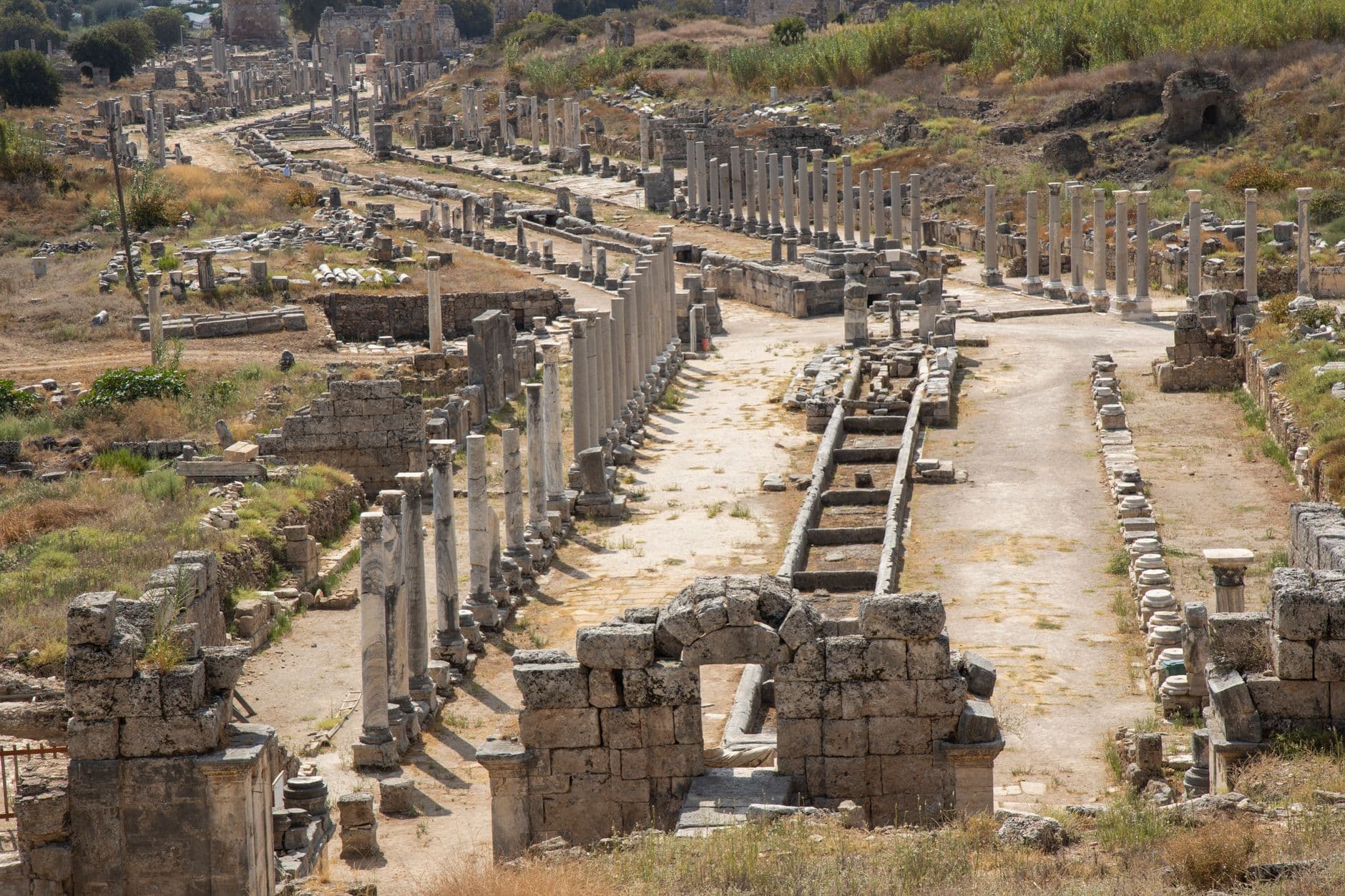
Long before modern motorways, Roman engineers carved a network of roads across Anatolia that connected thriving cities, military outposts, and busy ports. Today, many of those ancient routes survive as cobbled paths, humpback bridges, and inscribed milestones dotting the Turkish landscape. Walking or driving along these traces is not just a history lesson—it's a way to experience the rhythm of rural Türkiye, where a 2,000-year-old road might lead you straight into a town square buzzing with tea gardens and market stalls.
In this guide, we'll explore the most accessible Roman road remnants, from the famous Via Sebaste in the south to lesser-known stretches in the north. We'll show you how to pair these heritage walks with local cafés, what to look for in milestone inscriptions, and how to navigate signage and accessibility. Whether you're a hiker, a history buff, or a road-tripper, these ancient highways offer a tangible connection to the past—and a wonderful excuse to explore Türkiye's timeless towns.
The Via Sebaste: Rome's Grand Highway in Pisidia
The Via Sebaste was a major Roman road built under Emperor Augustus around 6 BC to connect the colony of Antioch in Pisidia (modern Yalvaç) with the port of Attaleia (Antalya) and the eastern frontiers. Today, you can trace its route through the lake district, where well-preserved sections of polygonal paving stones still emerge from pine forests and olive groves.
A highlight is the stretch near the ancient city of Sagalassos, where the road climbs through dramatic mountain scenery. The site itself is spectacular, but the surrounding paths offer a quieter, free way to walk on genuine Roman pavement. Look for the characteristic large, interlocking stones that have survived centuries of weather and foot traffic.
For a deeper dive into the region's history, see our destinations guide, which covers the Turkish Lake District and its archaeological treasures.
Milestones and Inscriptions
Along the Via Sebaste, several Roman milestones have been found, some still in situ. These cylindrical stones typically record the emperor's name, the distance to the next major town, and sometimes the builder of the road. Near the village of Gemen, a milestone from the reign of Hadrian stands by the roadside, its Latin inscription worn but legible. It's a thrilling feeling to read the same words a Roman traveler would have seen 1,900 years ago.
For more on Roman milestones and their significance, check our blog archive for articles on Roman engineering in Anatolia.
Walking the Roman Road from Aphrodisias to Antioch on the Meander
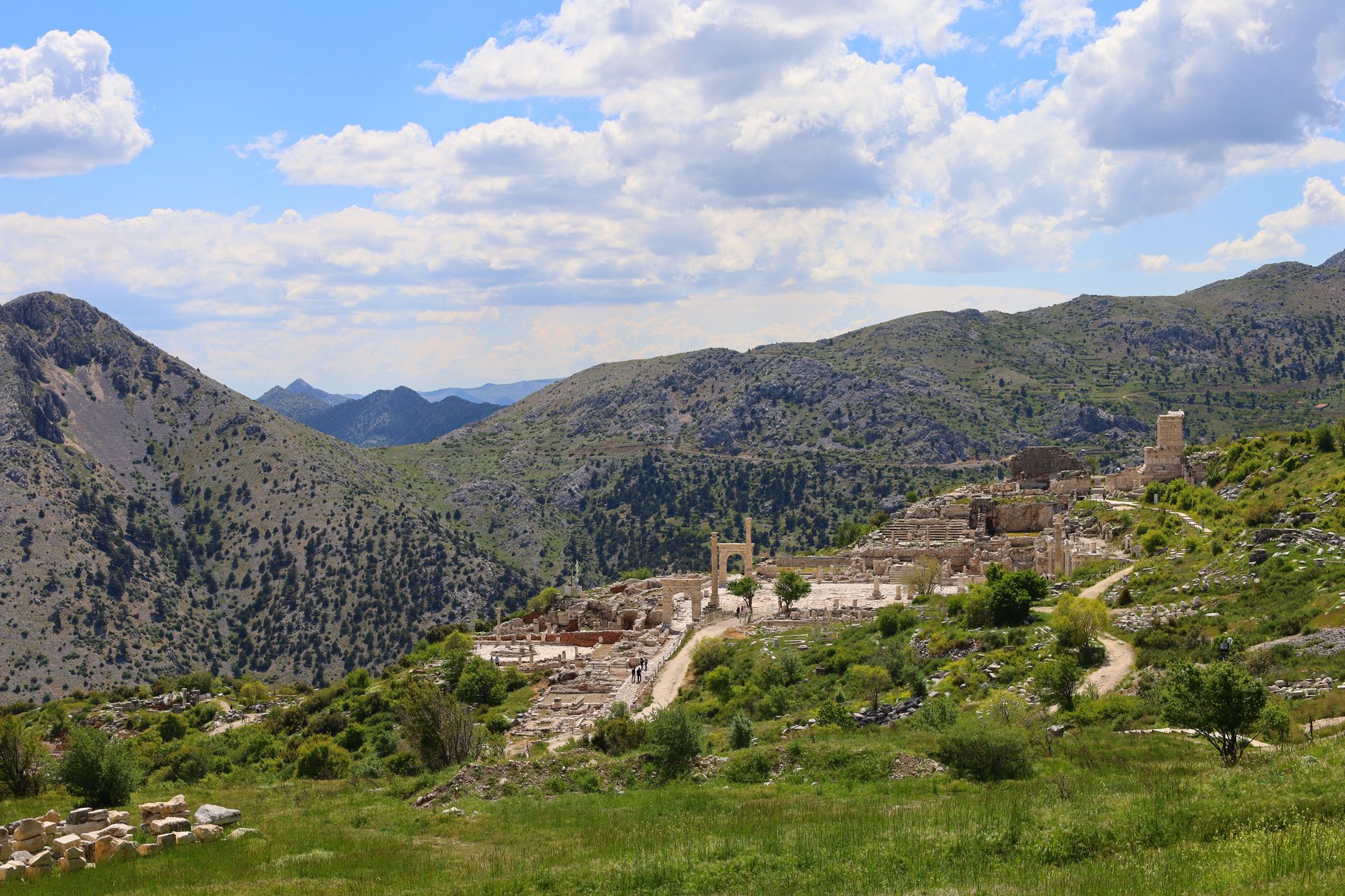
The Roman road connecting Aphrodisias (near modern Geyre) to Antioch on the Meander (near Nazilli) is one of the best-preserved routes in western Türkiye. The road was paved with massive polygonal blocks and lined with milestones, and it served as a vital link between the marble city of Aphrodisias and the fertile Meander Valley.
Today, you can walk a 10-kilometer section that starts near the Aphrodisias archaeological site and winds through farmland and small villages. The path is mostly flat and easy to follow, though some parts are overgrown. It's a peaceful walk, with views of the Aydın Mountains and the chance to spot storks in the spring.
Accessibility note: The terrain is uneven, with loose stones and occasional muddy patches after rain. Sturdy shoes are recommended. Signage is minimal, so bring a map or use a GPS app. The route is not wheelchair-accessible.
Pairing with Local Cafés
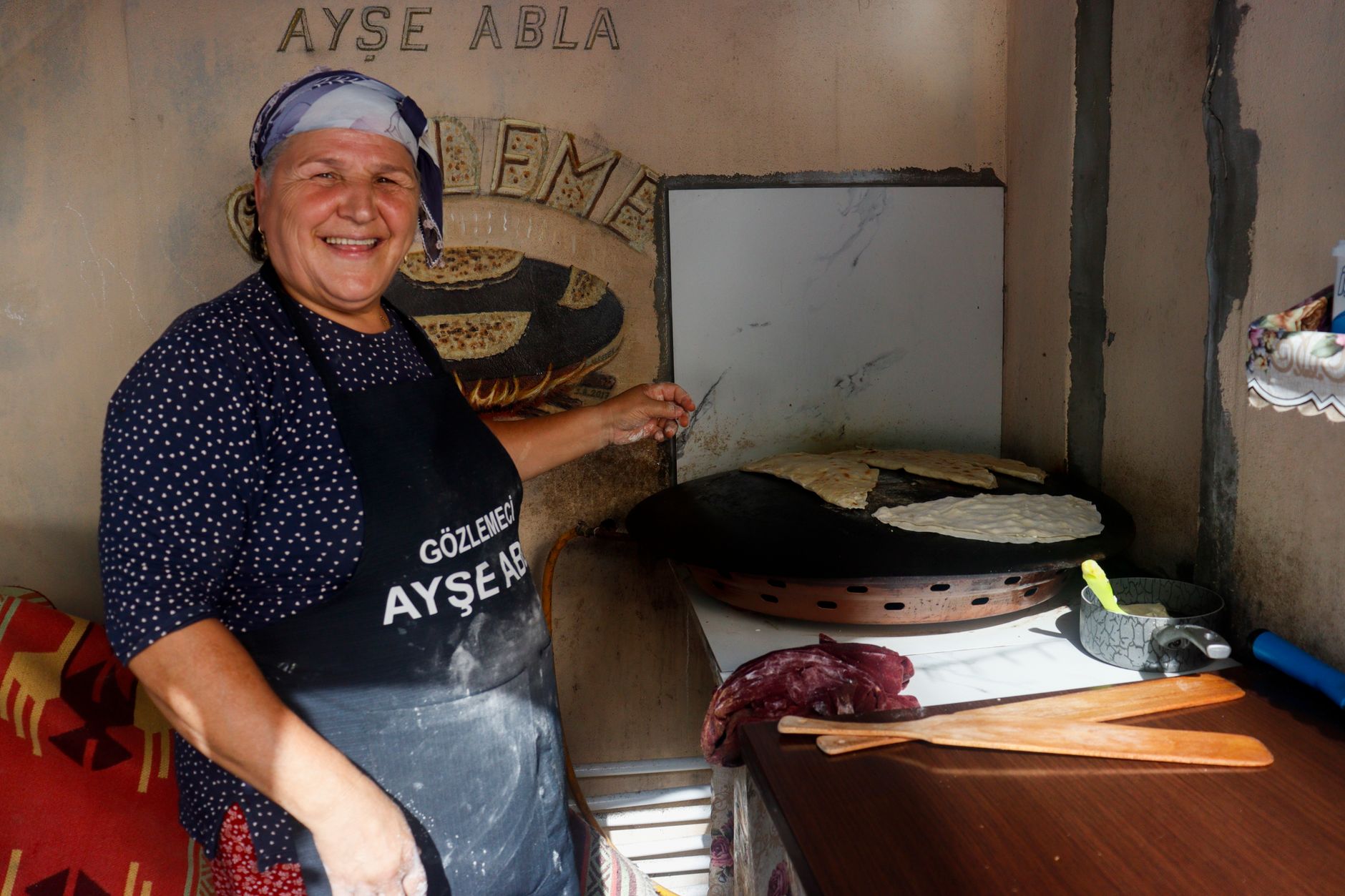
After your walk, head to the village of Geyre, where small cafés serve strong Turkish tea and home-cooked meals. We recommend the gözleme (stuffed flatbread) at the family-run place near the museum entrance. It's a perfect way to refuel and chat with locals, who are often happy to share stories about the ancient stones in their fields.
Roman Bridges of the Çoruh Valley
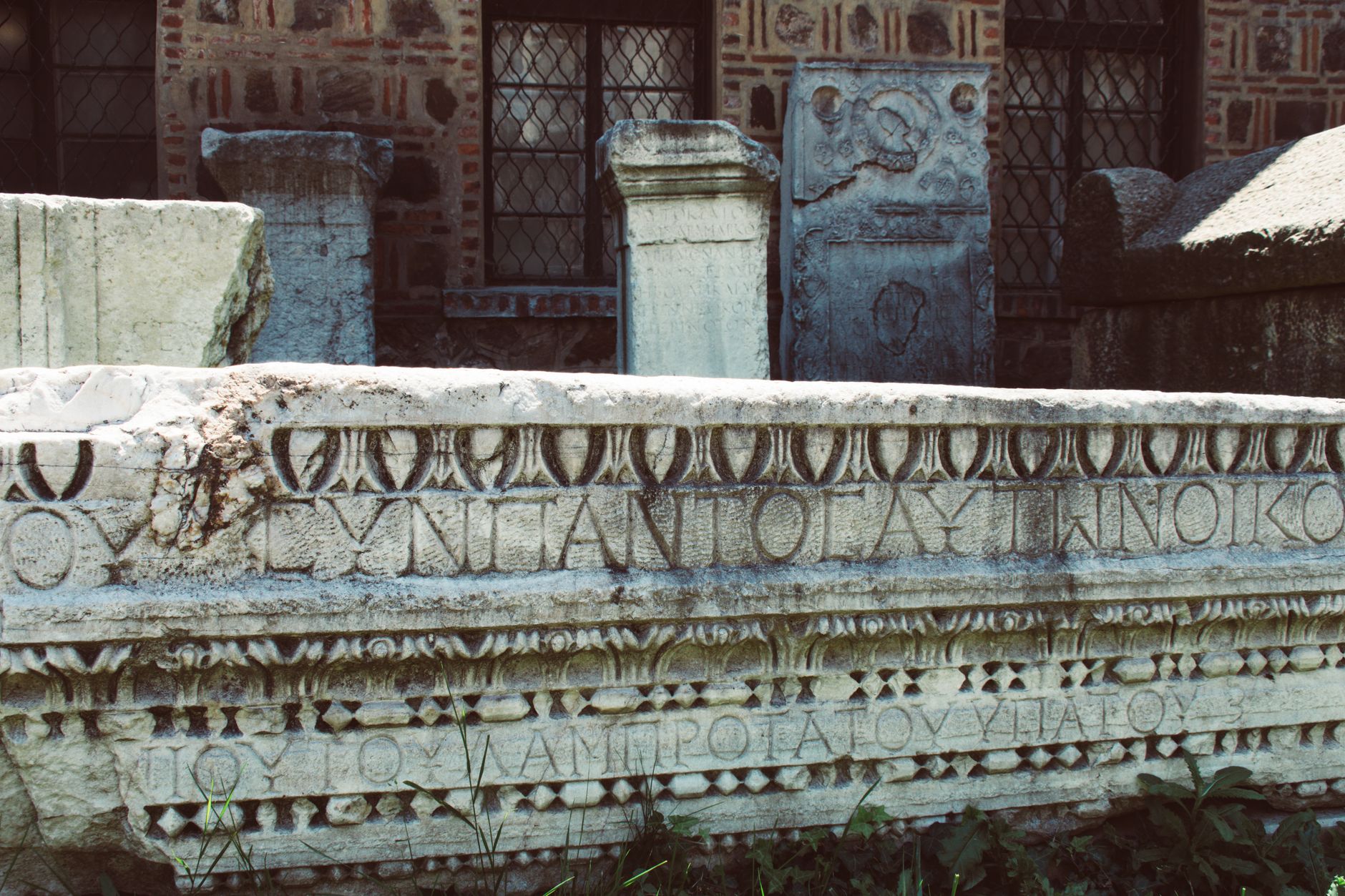
The Çoruh River in northeastern Türkiye cuts through steep gorges, and the Romans built several bridges to cross it. The most famous is the Çoruh Bridge near the town of İspir, a stunning stone arch bridge that has been restored and is still in use today. The bridge dates back to the 6th century AD, but it stands on the site of an earlier Roman crossing.
Driving the D915 road from İspir to Bayburt, you'll follow the river and can stop at several ancient bridge remains. The scenery is dramatic, with fast-flowing water and forested slopes. The bridges themselves are marvels of engineering—some with single arches spanning 30 meters or more.
Accessibility: The bridges are best viewed from the roadside; some have pedestrian walkways, but they are not wheelchair-friendly due to steps and uneven surfaces. For more on scenic drives in Türkiye, see our routes section.
Milestones in the Mountains
Milestones along the Çoruh are rare, but a few have been repurposed as decorative elements in village squares. In İspir, a Roman milestone stands near the mosque, its inscription faded but still a tangible link to the past. Ask locals—they often know the stories behind these stones.
The Via Egnatia in Turkish Thrace
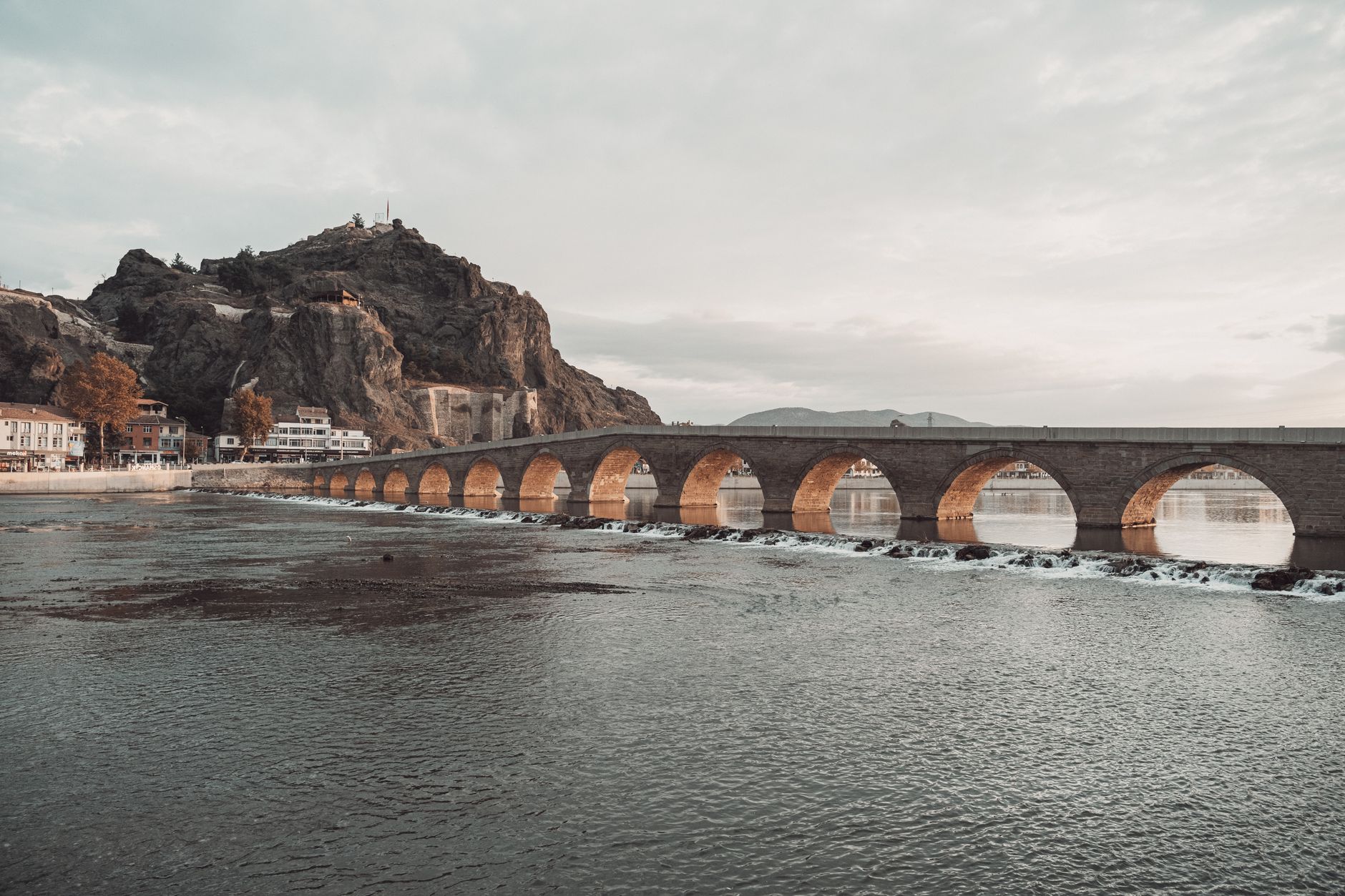
The Via Egnatia was the great Roman road from the Adriatic to Byzantium (later Constantinople), and a significant portion runs through Turkish Thrace. While much of it lies under modern roads, there are stretches where you can still walk on the original pavement, particularly near the town of Lüleburgaz (ancient Bergule).
The road here was built in the 2nd century BC and later paved with stone. A 5-kilometer section outside Lüleburgaz is marked with information boards and is popular with local walkers. The route passes through sunflower fields and vineyards, offering a glimpse of rural Thracian life.
Accessibility: The path is relatively flat and can be navigated with a stroller or wheelchair in dry weather, though some parts are gravel. Signage is good, with explanatory panels in Turkish and English.
Where to Refuel
In Lüleburgaz, stop at the historic Hünkar Çayırı park, where you can enjoy a glass of tea by the river. The town is also famous for its köfte (meatballs), and several family-run restaurants near the road serve excellent versions.
The Roman Road of Dorylaeum (Eskişehir)
Near the modern city of Eskişehir, the ancient Roman road of Dorylaeum connected Ancyra (Ankara) to Nicaea (İznik). A well-preserved section of this road, paved with large stones, runs through the village of Seyitgazi. The road was part of the main route across Anatolia and witnessed the passage of emperors and armies.
Walking this 3-kilometer stretch is like stepping back in time. The stones are worn smooth by centuries of use, and you can still see the ruts left by carts. The route is signposted and easy to follow, though it can be muddy in winter.
Accessibility: The path is not suitable for wheelchairs, but it is a gentle walk for most fitness levels. There are no facilities along the way, so bring water.
Pairing with Phrygian Heritage
Combine your walk with a visit to the Phrygian Valley, where ancient rock-cut monuments and fairy chimneys await. The nearby town of Seyitgazi has a charming café culture, with tea gardens overlooking the valley. For more on the region, see our guides page.
Practical Tips for Exploring Roman Roads in Türkiye
Signage and Navigation
Signage varies widely. Major sites like Aphrodisias and the Via Sebaste near Sagalassos have informative panels, but many rural stretches are unmarked. We recommend downloading offline maps (e.g., Maps.me) and carrying a printed guidebook. The travel tools section of our site offers useful resources for planning.
Accessibility
Most Roman roads are not wheelchair-accessible due to uneven surfaces and lack of paved paths. However, some sites like the Via Egnatia section near Lüleburgaz are more accessible. Always check local conditions and consider hiring a local guide for assistance.
Pairing with Local Cafés
One of the joys of exploring these routes is stopping at village cafés. Look for places with locals playing cards or drinking tea—they're usually the best. Try regional specialties: gözleme in the Aegean, köfte in Thrace, and muhlama (cheese fondue) in the Black Sea region. For food-focused itineraries, see our itineraries.
Best Time to Go
Spring (April-May) and autumn (September-October) offer mild weather and beautiful scenery. Summers can be very hot, especially in the south, so start early if walking. For more details, visit our best time to visit page.
Conclusion: A Journey Through Time
Türkiye's Roman roads are more than just ancient ruins—they are living pathways that connect modern towns and communities. Walking or driving along them, you'll encounter milestones that have stood for millennia, bridges that still carry traffic, and landscapes that have changed little since antiquity. Whether you're a serious history enthusiast or a casual traveler, these routes offer a unique way to experience the country's rich heritage.
Ready to plan your own Roman road adventure? Explore our routes and experts for personalized advice, or check our FAQ for common questions. And don't forget to share your photos in our gallery—we'd love to see your discoveries!
Thinking about a trip to Turkey?
Share your contact details and a vetted local expert will follow up with a plan built around you — free, no obligation.