

Şanlıurfa: The New Epicenter of Neolithic Discovery
In the dusty plains of southeastern Türkiye, a quiet revolution in archaeology is unfolding. Şanlıurfa, already celebrated as the home of Göbeklitepe—the world's oldest known temple complex—is now the focus of fresh excavations that are pushing the boundaries of our understanding of human prehistory. In 2026, ongoing digs at sites like Karahantepe, Sayburç, and Sefertepe continue to reveal monumental structures, intricate carvings, and evidence of a sophisticated ritual culture that thrived some 11,000 years ago.
These discoveries are not just academic headlines; they are transforming Şanlıurfa into a must-visit destination for travelers eager to connect with humanity's deepest roots. The region, often called the cradle of civilization, offers a rare chance to witness active archaeological work and explore a landscape where the first temples, villages, and social gatherings took shape.
For those seeking meaning beyond the ordinary, this is travel at its most profound: standing where our ancestors first built monuments to the gods, and tasting a culture that has flourished for millennia.
Göbeklitepe: The Temple That Changed History
Göbeklitepe, a UNESCO World Heritage Site since 2018, remains the crown jewel of Şanlıurfa's Neolithic heritage. Built around 9600 BCE, it predates Stonehenge by 6,000 years and the Egyptian pyramids by 7,000. The site's T-shaped limestone pillars, some weighing up to 20 tons, are adorned with animal reliefs—foxes, snakes, wild boars—that hint at a complex symbolic world.
Recent excavations have expanded the known footprint of Göbeklitepe, uncovering new enclosures and reinforcing the theory that it was a gathering place for rituals rather than a settlement. Visitors can now walk along a protective walkway that circles the main excavation area, with informative panels and a nearby visitor center that brings the story to life through digital reconstructions.
To make the most of your visit, arrive early to avoid crowds and heat. The site is open daily, but the golden hours of morning offer the best light for photography and a more contemplative experience. A guided tour is highly recommended to grasp the full significance of the carvings and the ongoing research.
Beyond Göbeklitepe: Karahantepe and the Taş Tepeler Project
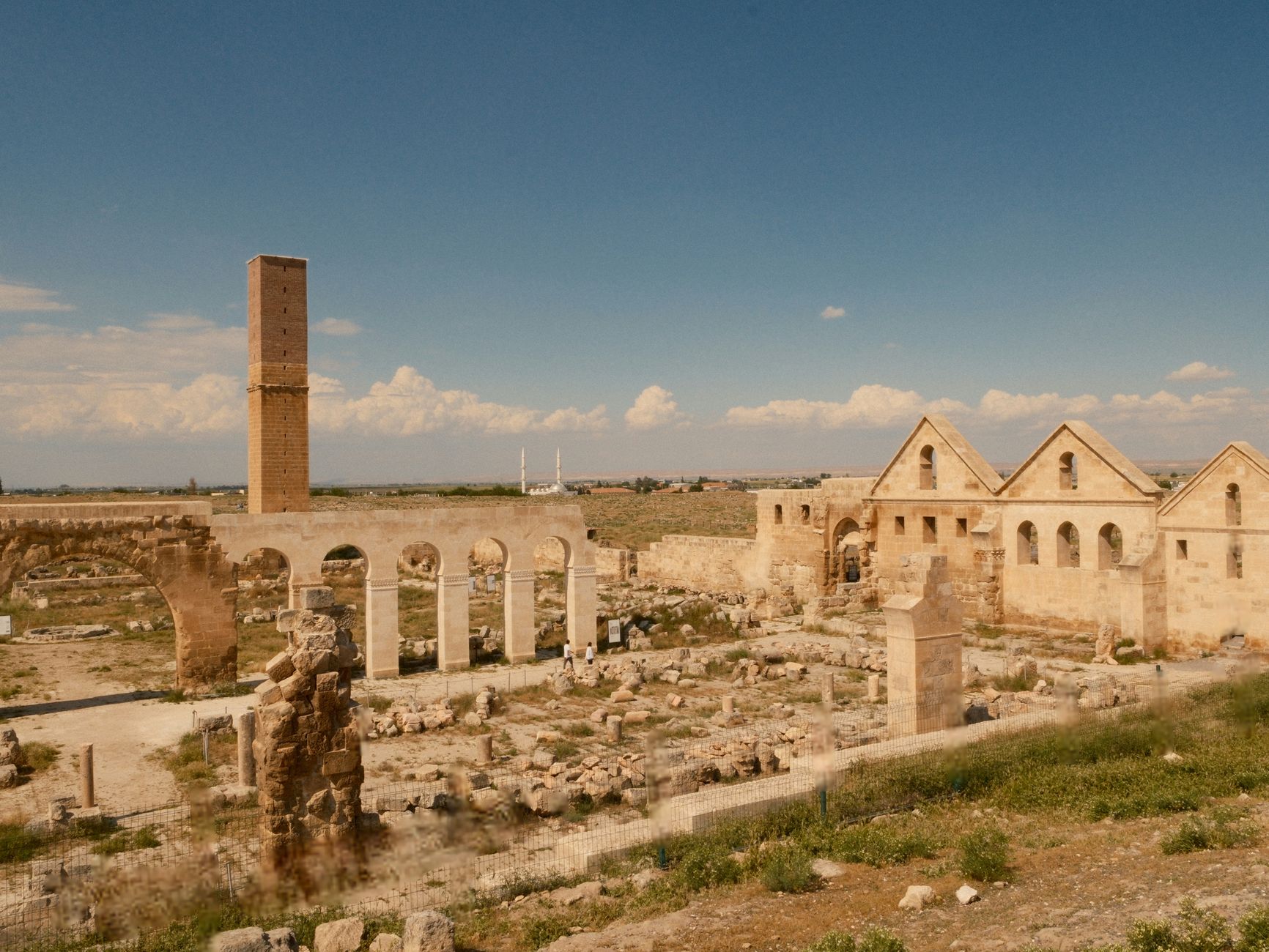
The Taş Tepeler (Stone Hills) project, a massive archaeological initiative spanning 12 sites across the region, is revealing that Göbeklitepe was not an isolated phenomenon. Karahantepe, about 45 kilometers east of Şanlıurfa, has yielded similar T-shaped pillars and a stunning human statue with a leopard-like creature, suggesting a shared ritual tradition across the Neolithic world.
At Sayburç, archaeologists uncovered a rare relief depicting a scene of humans and animals, possibly one of the earliest narrative artworks. Sefertepe and other sites are adding more pieces to the puzzle. Together, these discoveries paint a picture of a networked society that cooperated on monumental construction long before the invention of agriculture or pottery.
For travelers, this means the opportunity to visit multiple excavation sites in a single trip, each with its own story and unique finds. Some sites offer guided tours during the excavation season (typically spring and autumn), while others have viewing platforms and interpretive centers. Check with the Şanlıurfa Museum for current access details.
Practical Itinerary: Combining Göbeklitepe, the Bazaar, and Local Cuisine
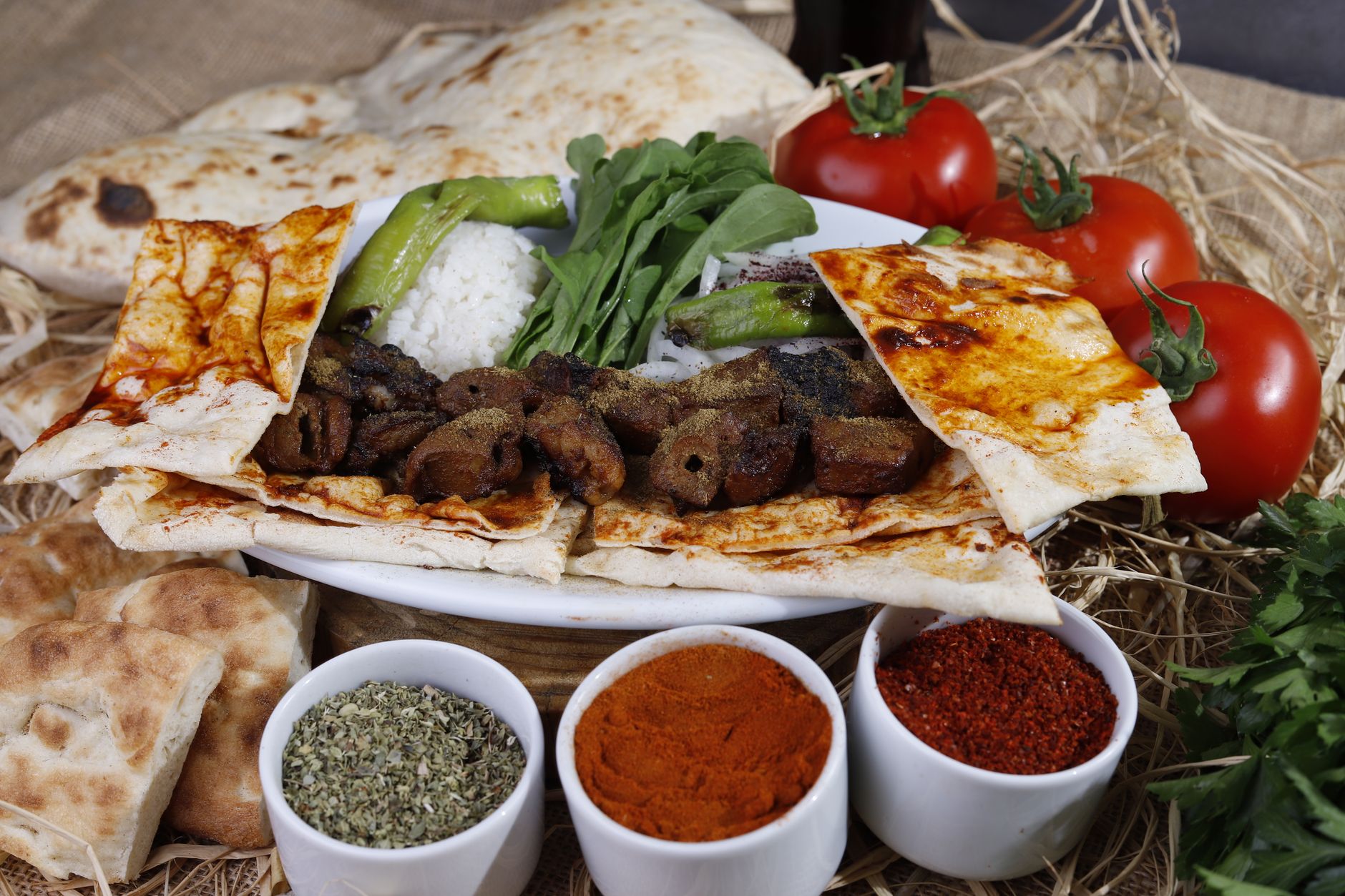
A rewarding southeastern itinerary begins in Şanlıurfa city, where you can spend a full day exploring the old bazaar and the sacred sites before heading to Göbeklitepe. Start with a morning visit to Göbeklitepe (about 20 minutes from the city center), then return for lunch at a local restaurant specializing in Urfa kebab—a minced meat kebab seasoned with red pepper and grilled over charcoal.
In the afternoon, wander through the historic Gümrük Hanı and the surrounding bazaar. This 18th-century caravanserai is a labyrinth of shops selling spices, textiles, and copperware. Don't miss the opportunity to sip a glass of menengiç kahvesi (a caffeine-free coffee made from wild pistachios) while watching the artisans at work.
As evening falls, head to Balıklıgöl (Fish Lake), a sacred site linked to the Prophet Abraham. The lake's carp are considered holy, and the adjacent Halil-Ür-Rahman Mosque offers a serene end to the day. For dinner, try lahmacun, içli köfte, and the region's famous künefe dessert.
Preserving Humanity's Oldest Temples: Türkiye's Commitment
Türkiye has invested significantly in the preservation and promotion of its Neolithic heritage. The Göbeklitepe visitor center, opened in 2019, features a museum with artifacts, multimedia exhibits, and a research lab. The Ministry of Culture and Tourism works closely with international teams to ensure that excavations are conducted responsibly and that finds are properly conserved.
In 2026, new protective shelters and walkways are being installed at several Taş Tepeler sites to safeguard the structures from the elements and manage visitor impact. These efforts reflect a broader commitment to sharing humanity's oldest known temples with the world while keeping them intact for future generations.
Travelers can contribute by following site rules—stay on designated paths, refrain from touching the pillars, and support local guides and businesses. By visiting responsibly, you become part of the ongoing story of discovery and preservation.
When to Go and How to Get There
The best time to visit Şanlıurfa is during spring (April–May) and autumn (September–November), when temperatures are mild and excavations are active. Summer can be extremely hot, with temperatures often exceeding 40°C (104°F), so plan indoor activities during midday if you visit then.
Şanlıurfa is accessible by direct flights from Istanbul and Ankara to Şanlıurfa GAP Airport (GNY), followed by a short taxi or bus ride to the city center. Alternatively, you can take an overnight train from Adana or a long-distance bus from major cities. Once in the city, rental cars, taxis, and guided tours are available for reaching Göbeklitepe and other sites.
Accommodation ranges from boutique hotels in restored Ottoman houses to modern chains. For a truly immersive experience, stay in a traditional courtyard hotel and wake up to the call to prayer echoing over the ancient streets.
Thinking about a trip to Turkey?
Share your contact details and a vetted local expert will follow up with a plan built around you — free, no obligation.