

A Green Escape Just Hours from the City
When most travelers picture Türkiye, they imagine turquoise coastlines, sunbaked ruins, and long afternoons on pebble beaches. But drive a few hours inland from Istanbul or Ankara and the country reveals a completely different mood. Around Bolu, in the western Black Sea region, the air turns cool and damp, the hills fold into one another under dense forest, and a string of glacial lakes sits quietly among the trees like secrets that were never meant to be found by crowds.
This is the Seven Lakes region — Yedigöller in Turkish — and it is the perfect cool, green antidote to a beach holiday. Instead of sunscreen and salt, you get pine-scented breezes, mossy trails, and small tea gardens where a glass of çay costs less than a bottle of water and comes with a view that makes you want to stay all afternoon. After weeks of crowded resorts, the silence here feels almost luxurious.
What makes it even more delightful is how easy it is to reach. From Istanbul, you can be in Bolu in around three hours by car; from Ankara, roughly two and a half. There is no arduous expedition, no expensive flight, no permit. Just a full tank of gas, a winding road, and the promise of pristine nature waiting at the end of it. It is one of Türkiye's most underrated blessings: wilderness this accessible, this beautiful, this close to two major cities.
Understanding Yedigöller: Seven Lakes, One Forest
Yedigöller National Park protects a chain of seven small lakes formed by landslides and streams long ago. Each lake has its own character. Büyük Göl, the largest, is the social heart of the park, with wooden walkways, picnic areas, and a cluster of tea gardens along the shore. Küçük Göl is smaller and more intimate, often wrapped in morning mist. İnce Göl is long and narrow, mirroring the trees above it. Sazlı Göl lives up to its name with reeds that rustle in the wind, while Deringöl, Nazlı Göl, and Kurugöl each offer their own quiet corners.
You do not need to be a serious hiker to enjoy them. The lakes are connected by a network of well-marked forest paths that range from easy 20-minute strolls to half-day loops. The terrain is gentle enough for families and casual walkers, yet varied enough to keep things interesting. You will cross wooden bridges, step over roots, pass waterfalls hidden in the shade, and emerge suddenly at the edge of a lake so still it looks like glass.
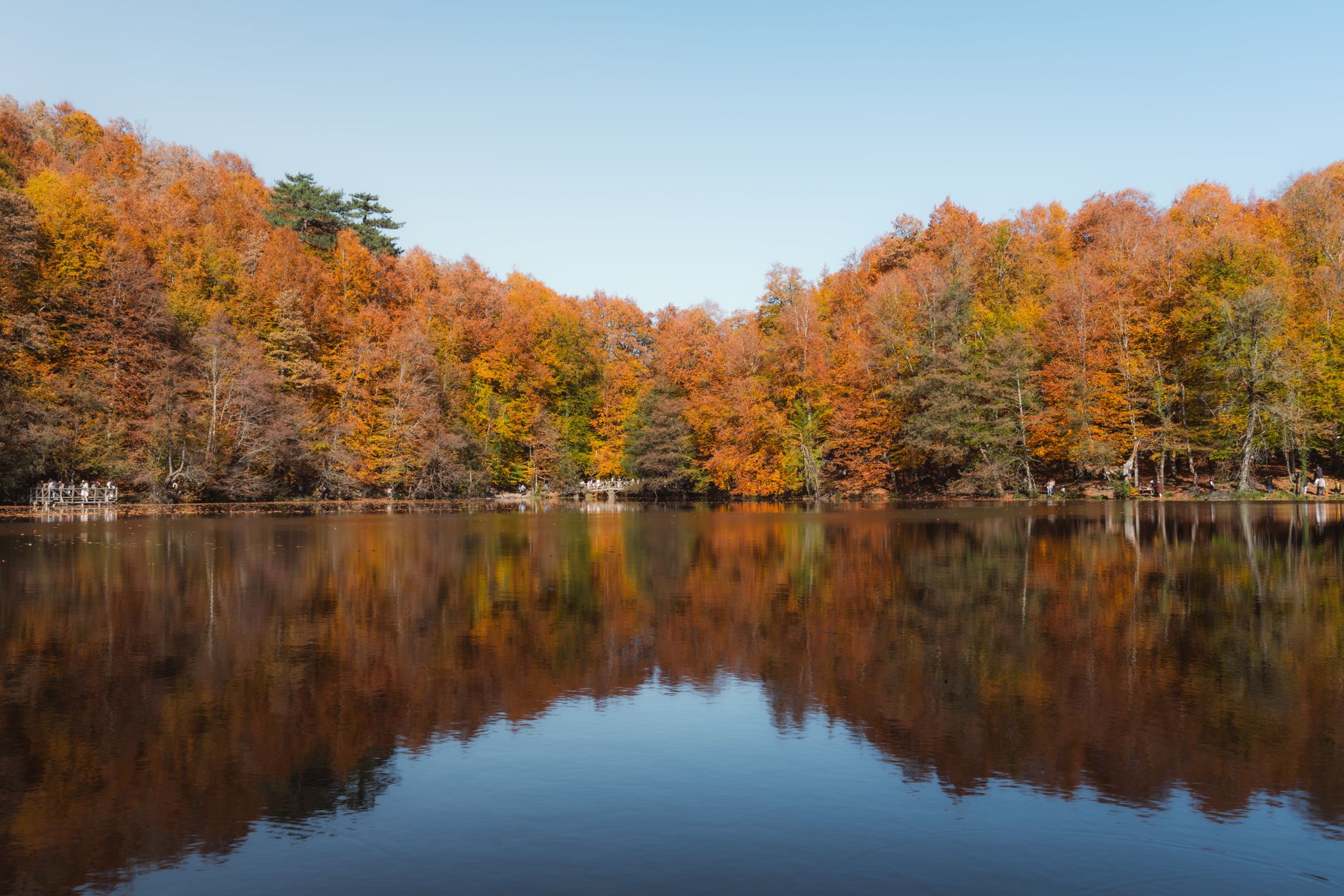
The forest itself is a mix of beech, oak, hornbeam, pine, and fir. In spring, wildflowers and fresh green leaves create a soft, luminous canopy. In summer, the shade keeps the air cool even when the coast is sweltering. Autumn is the region's most famous season, when the trees turn gold, amber, and rust, and their reflections double the color on the water. Winter brings snow and a hushed, almost fairy-tale beauty — though some roads may close, so check conditions before you go.
Lakeside Çay Stops: Where the Day Slows Down
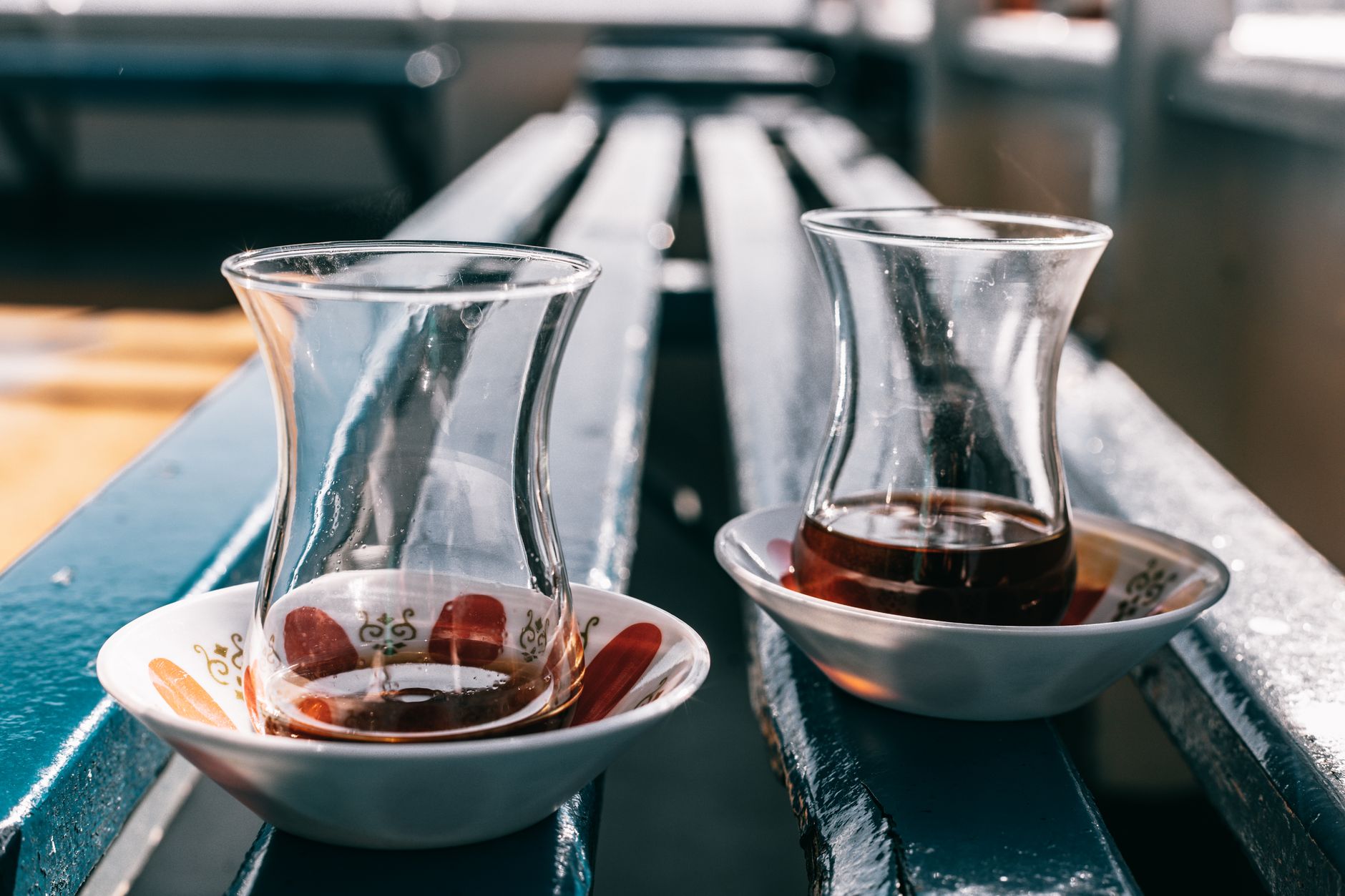
One of the great pleasures of the Seven Lakes is the tea garden culture that flourishes by the water. These are not fancy cafés; they are simple, welcoming spots with plastic chairs, low tables, and a samovar that never seems to stop steaming. You sit, you order a çay, and the day immediately loses its urgency. The glass arrives on a small saucer, deep red and fragrant, with two sugar cubes on the side if you like.
Around Büyük Göl, several tea gardens line the shore, some tucked under tall trees and others right at the water's edge. It is hard to say which is better: the view from a wooden deck over the reeds, or the feeling of sitting with your feet up after a long walk, watching light play on the water. Many places also serve gözleme, pancakes filled with cheese, potato, or spinach, cooked on a griddle by women who have been doing it for decades. Add a slice of homemade cake or a bowl of warm soup, and you have a perfect forest lunch.
Tea here is more than a drink; it is a rhythm. You order one glass, then another, then another. Conversation drifts. Someone points out a fish jumping. A dog naps in a patch of sun. Children chase each other along the shore. Nobody checks the time. This is the slow travel that the Seven Lakes does best, and it costs almost nothing.
Planning a Comfortable Day Hike Between the Lakes
If you want to walk between several lakes in one day, start early. The park is most magical before the tour buses arrive, when mist still clings to the water and the only sounds are birds and your own footsteps. A classic route takes you from Büyük Göl to Küçük Göl, then on to İnce Göl and Sazlı Göl, looping back through the forest. Distances are modest — often 2 to 5 kilometers between lakes — but the paths roll up and down, so allow more time than the map suggests.
Wear sturdy shoes with good grip. Even in dry weather, forest paths can be muddy near streams, and wooden walkways get slippery when wet. Bring a light rain jacket; this is a humid, forested region where showers appear without much warning. Layers are wise, because you will warm up while walking and cool down quickly when you stop for tea. A small backpack with water, snacks, and a power bank for your phone is plenty.
Navigation is generally easy, but signs can be inconsistent. Download an offline map before you arrive, or ask at the park entrance for a trail map. Mobile signal is patchy in the deeper forest, which is part of the charm — and part of the reason to tell someone where you are going. If you are hiking solo, stick to the main trails and start back well before dusk. The forest gets dark quickly, and you do not want to be finding your way by phone light.
For a gentler day, you can simply base yourself at one lake and take short walks in different directions. Many visitors do exactly this: a morning stroll, a long tea break, an afternoon loop, another tea break, and a slow drive out as the sun drops behind the hills. There is no shame in it. The Seven Lakes reward lingering.
Eating by the Water: Trout, Gözleme, and Forest Flavors
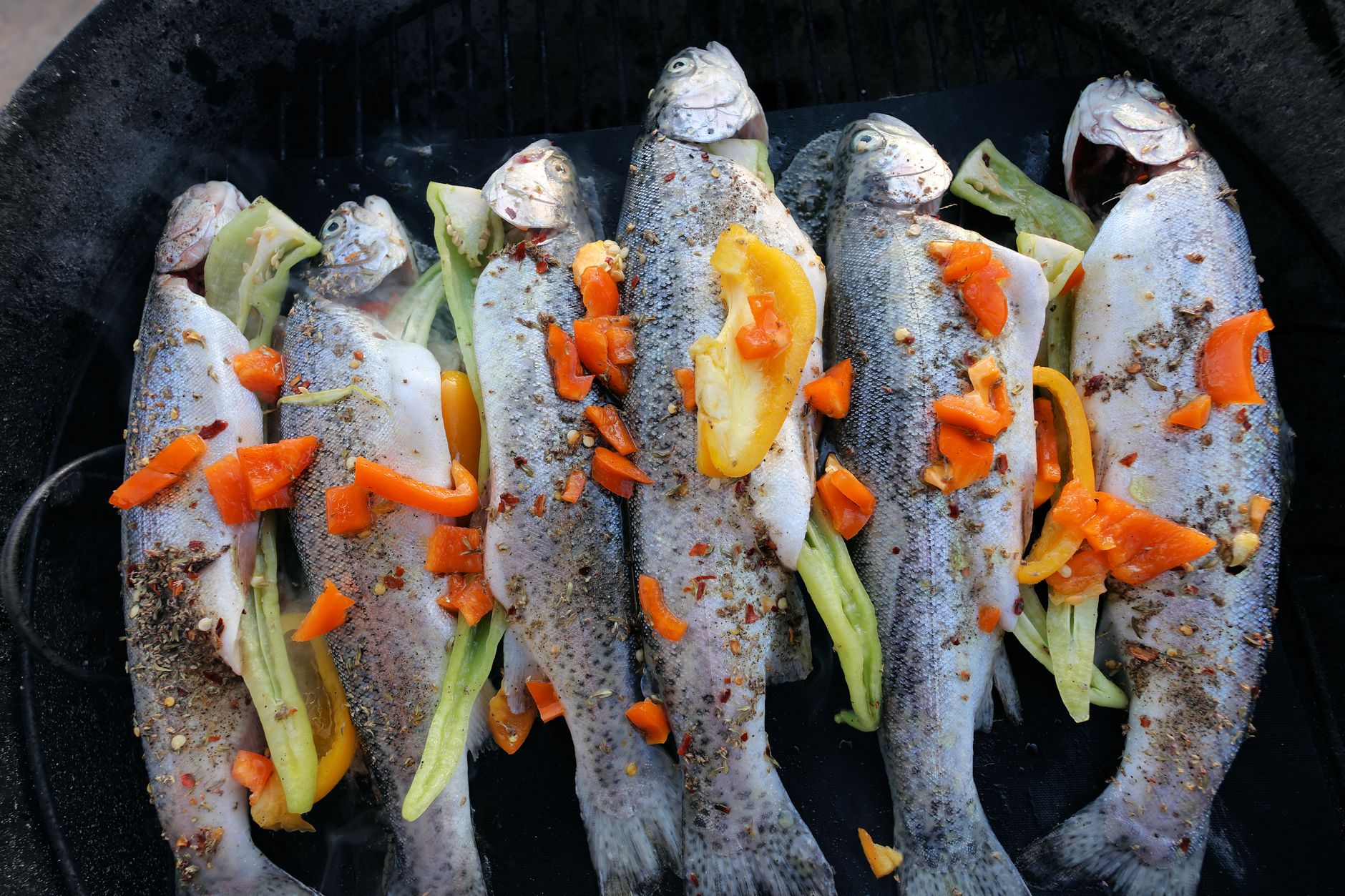
Fresh trout is the signature meal of the region, and there is no better place to eat it than by the water where it was raised. Small restaurants and family-run fish farms around Yedigöller and along the roads near Bolu serve alabalık grilled, fried, or baked in foil with herbs and lemon. The fish is usually incredibly fresh, often pulled from a cold pool just minutes before it hits the grill. Served with a simple salad, bread, and a squeeze of lemon, it is one of the most satisfying meals in Türkiye.
Look for signs reading alabalık tesisi — trout facility — where you can sometimes choose your fish and watch it cooked. Many of these places have outdoor tables set beside streams or ponds, shaded by trees. It is casual, affordable, and deeply pleasant. Pair your trout with a glass of ayran or, if you prefer, a çay to follow. Dessert might be a slice of walnut cake or fresh fruit, depending on the season.
Beyond trout, expect hearty Black Sea-style cooking: cornbread, bean stews, stuffed vegetables, and soups made with lentils or yogurt. In Bolu town, you can also try the region's famous culinary specialties, including Bolu-style mantı and rich, buttery desserts. But honestly, the food tastes best in the forest, with the smell of pine and the sound of water nearby. Bring a little appetite and a lot of patience, because meals here are cooked to order and meant to be savored.
Seasonal Colors and When to Go
Each season paints the Seven Lakes differently, and there is no wrong time to visit — only different pleasures. Spring, from April to June, brings fresh green leaves, rushing streams, and wildflowers along the paths. The air is cool and clean, and the lakes are full from snowmelt. Summer, from July to August, is the most comfortable escape from the coast's heat. Temperatures in the forest are mild, and the long daylight hours are perfect for hiking and lingering over tea.
Autumn, from late September to early November, is the region's showstopper. The beech and oak forests turn brilliant shades of yellow, orange, and red, and the still lakes become mirrors for the foliage. This is when photographers and nature lovers flock to Yedigöller, so expect more visitors, especially on weekends. If you want the colors without the crowds, aim for a weekday in early October or a late-September morning.
Winter, from December to March, transforms the park into a quiet white world. Snow drapes the branches, the lakes freeze at the edges, and the tea gardens huddle under awnings with wood stoves going. Access can be limited by snow, and some facilities close, so check road conditions and opening hours before setting out. For those who do come, the reward is a stillness and beauty that few travelers ever see.
Practical Tips for a Comfortable Visit
Getting there is easiest by car. From Istanbul, take the TEM motorway toward Bolu, then follow signs to Yedigöller via Yeniçağa or Mengen; the final stretch is a winding mountain road with beautiful views. From Ankara, the route via Bolu is similarly straightforward. Public transport exists — buses to Bolu, then local minibuses or taxis — but having your own vehicle gives you the freedom to stop at roadside trout farms and viewpoints. If you prefer not to drive, consider joining a small guided day tour from Bolu or Istanbul.
Entrance to the national park is inexpensive, and facilities are simple. Bring cash for tea gardens, small restaurants, and any parking fees, as card machines can be unreliable in remote areas. Wear comfortable shoes, carry a rain jacket, and pack out whatever you bring in — the park's beauty depends on visitors treating it gently. Drones may be restricted, so check local rules if you plan to fly one.
Finally, embrace the pace. The Seven Lakes are not a checklist to be conquered; they are a place to slow down. Order another çay. Watch the light change on the water. Listen to the wind in the pines. Let the forest do what it does best: remind you that Türkiye's greatest luxury is not a five-star resort, but pristine nature you can reach in a morning's drive — and the time to enjoy it.
Thinking about a trip to Turkey?
Share your contact details and a vetted local expert will follow up with a plan built around you — free, no obligation.