
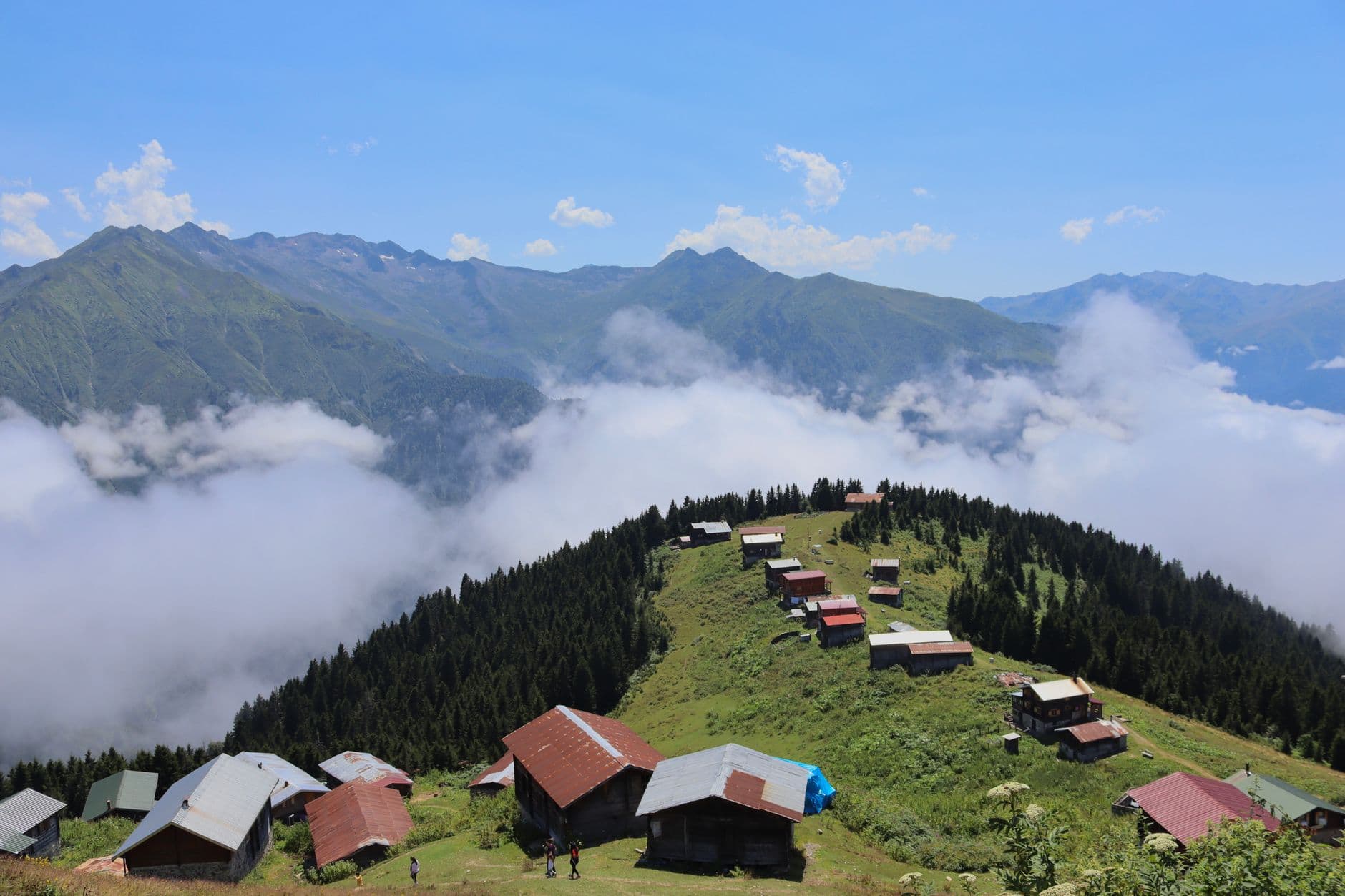
A Trail Made for Slow Travelers
Tucked between the clouds and the hazelnut groves of the Black Sea coast lies one of Türkiye's best-kept walking secrets: the Shepherd's Trail. This long-distance route threads together the ancient yayla pastures — the high summer grazing grounds where families have moved their flocks for centuries — into a series of gentle, achievable stages. It is not a route for bagging peaks. It is a route for breathing deeply, for watching fog lift off a valley at dawn, and for sitting down to breakfast with people who remember when the path was the only road in or out.
What makes this trail special is its rhythm. Rather than demanding heroic daily distances, the Shepherd's Trail invites you to wander. Most stages can be completed in four to six hours of walking, with plenty of time left over for tea, conversation and a nap in a meadow. Because of this, it suits a remarkably wide range of travelers: families with older children, solo walkers looking for a calm introduction to Turkish trekking, and anyone who prefers a homestay bed and a home-cooked dinner to a cold tent.
If you have hiked in other parts of Türkiye and loved it, this is the next chapter. If you have never walked a long-distance route before, there may be no better place to begin. The full trail can be split into shorter sections too, so you can sample a few stages and still feel you have tasted the real thing. Our routes overview is a good place to compare this with other long walks across the country.
The Landscape: Misty Highlands Above the Sea
The Black Sea highlands are a landscape of astonishing contrast. The coast is humid and green, thick with tea bushes and hazelnut orchards. Climb a few hundred meters and the world changes: spruce and fir forests close in, streams tumble over mossy stones, and the fog settles in for the afternoon as if it lives there. Higher still, the trees give way to open meadows — the yayla — where wildflowers bloom in June and the grass stays emerald well into summer.
The mist is not a nuisance; it is part of the charm. It softens ridgelines, silvers the leaves, and makes every sudden clearing feel like a gift. Photographers will find hours slip away chasing the light. Walkers will find the cool air and cloud cover make the gentle climbs feel easier than the maps suggest.
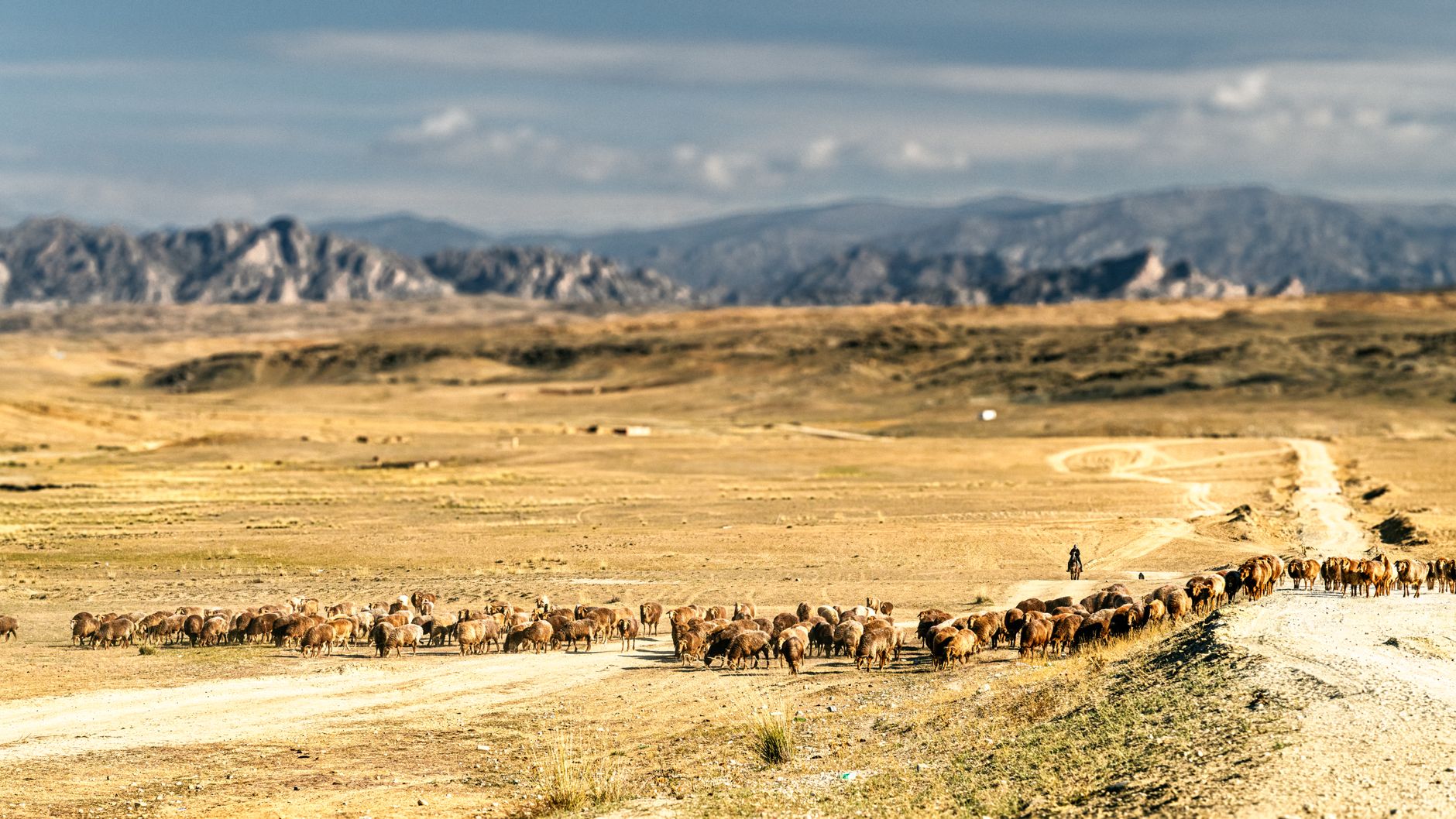
Along the way you pass stone fountains, wooden shepherd huts, old cisterns and cattle tracks that have been in use for centuries. The path is living heritage, not a museum piece — you will likely share stretches with herds of cows or sheep, their bells echoing through the trees. For travelers interested in how people live on this land, it pairs beautifully with the cultural journeys in our destinations guide.
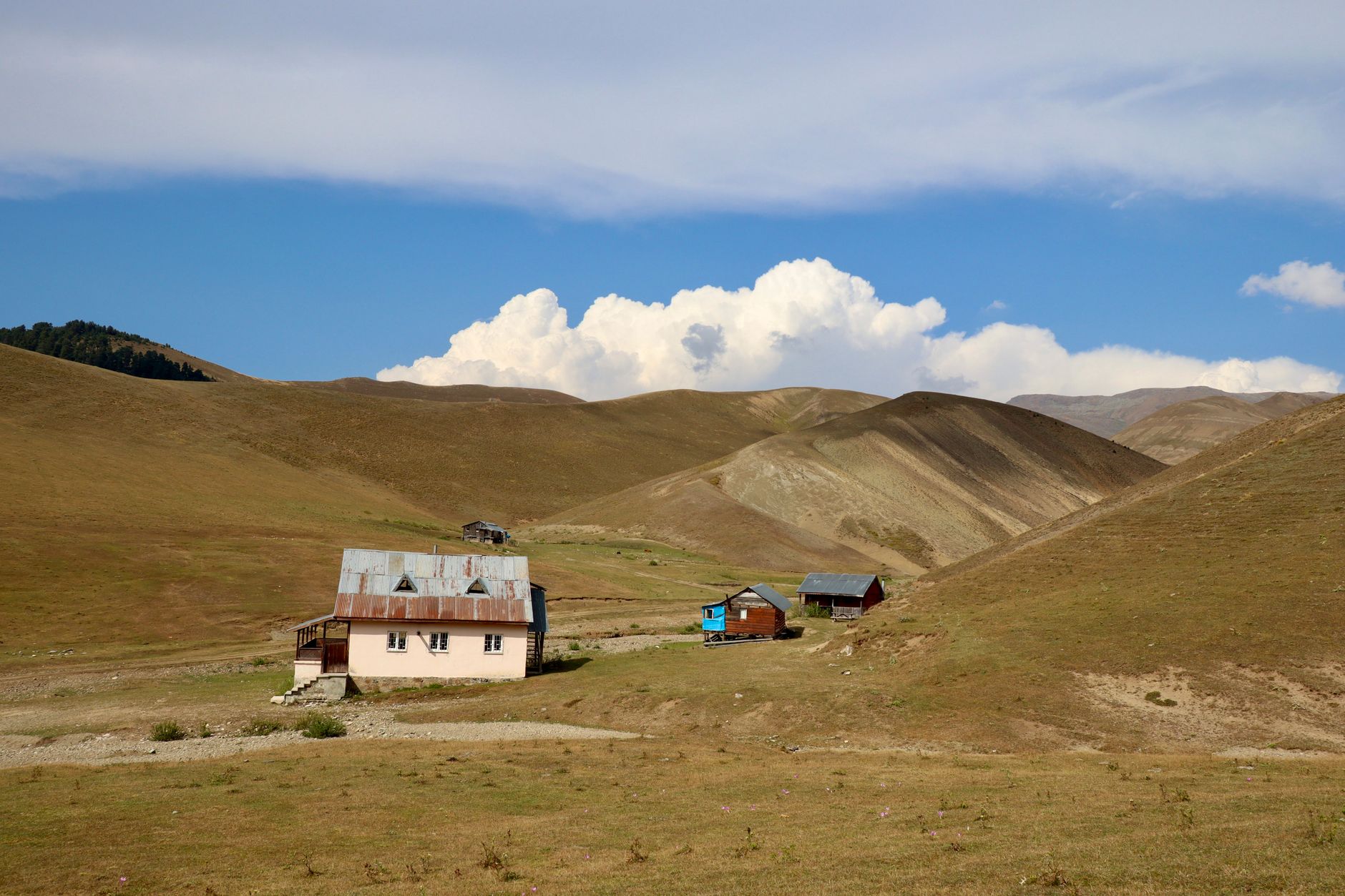
Gentle Stages and How to Plan Your Days
The Shepherd's Trail works best when walked in stages of roughly 10 to 16 kilometers. That sounds modest, and that is the point. The terrain is rolling rather than punishing, and the altitude gains are gradual. Most walkers start around mid-morning after a village breakfast, arrive at the next village by mid-afternoon, and spend the rest of the day exploring, resting, or helping out with small tasks around the farm.
Plan for a week on foot to cover a satisfying central section, or ten to twelve days for the full traverse. Rest days matter here: build one in every three or four days, ideally in a village with a good bakery and a view. If you are short on time, choose a three- or four-stage stretch and arrange transfers to and from the trailheads.
Route-finding is generally straightforward on the marked sections, but waymarking can be faint in places, and fog can hide junctions. Unless you are an experienced navigator with solid map and compass skills, we recommend hiring a local guide for at least the first couple of stages. Local guides do more than keep you on track — they know which farmer sells the best cheese, where the spring water is sweetest, and how to explain what you are seeing. Our guide directory and local experts can help you find someone reliable.
- Daily rhythm: 4–6 hours of walking, with generous stops for tea and photos.
- Terrain: forest tracks, meadow paths and old cobbled lanes; some muddy sections after rain.
- Altitude: moderate — the highest pastures generally sit between 1,500 and 2,200 meters.
- Pack weight: keep it light; luggage transfer between villages is often possible with advance arrangement.
To match the trail with the best weather windows across the country, check our best time to visit advice and then build your own plan using the itinerary ideas page.
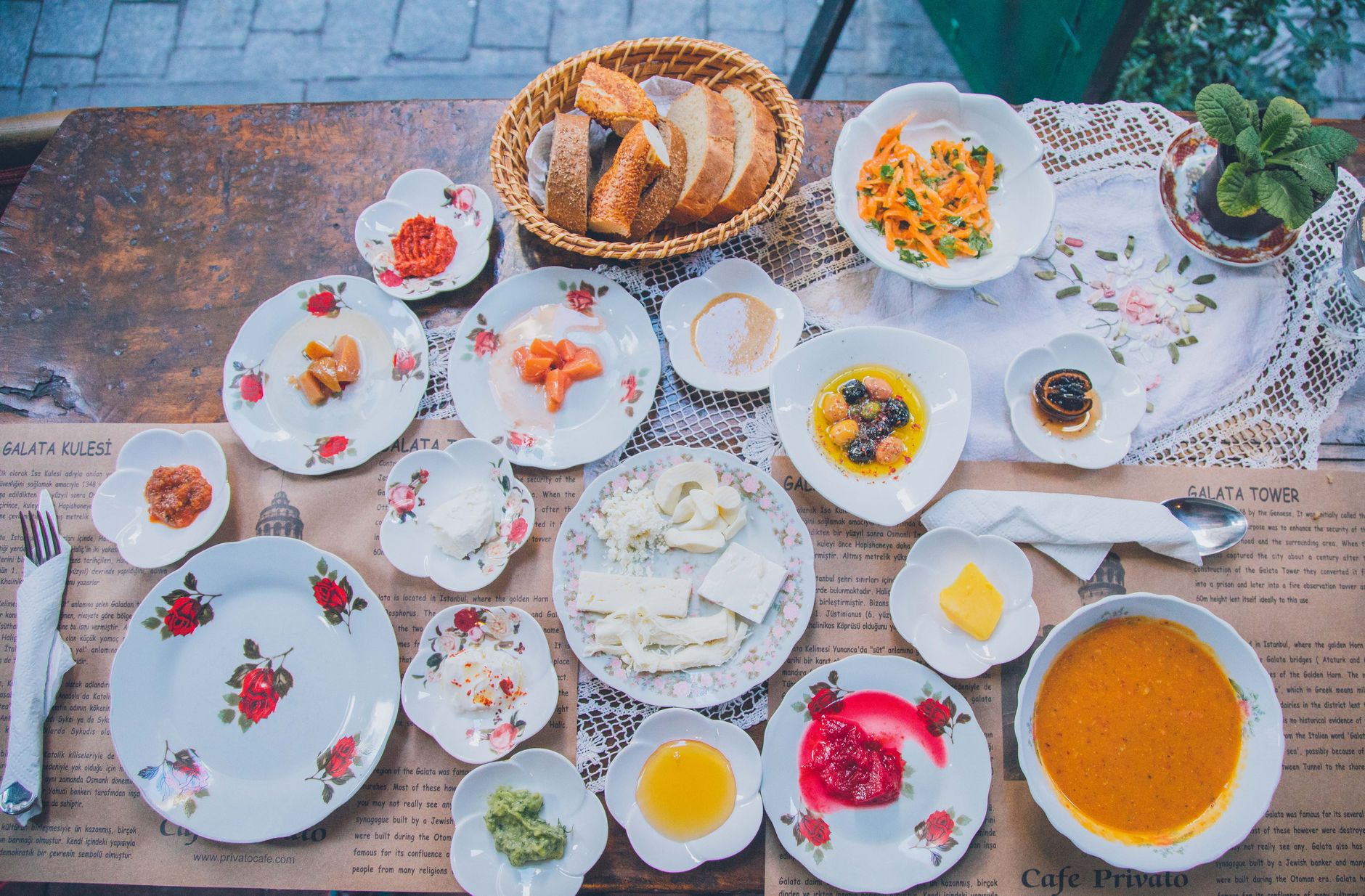
Village Homestays: The Heart of the Journey
Ask anyone who has walked the Shepherd's Trail what they remember most, and the answer is rarely the views — it is the people. Village homestays are the soul of this route. You sleep in simple, spotless rooms in family houses, often with a wood stove, a balcony over the valley, and a garden full of beans and herbs.
The hospitality is genuine and unhurried. You will be offered tea the moment you arrive, then a second glass, then a third. Dinner is likely to be whatever the family has grown, preserved or gathered: bean stew, cornbread, fresh cheese, pickles, yogurt, and perhaps trout from a nearby stream. Breakfast might stretch for an hour with jam, honey, eggs and endless bread. Conversation, even with a handful of shared words, becomes part of the experience.
Hosts are often the trail's unofficial wardens. They will point out the turn you might miss in the fog, lend you a walking stick, warn you about a loose dog, or insist on packing fruit for your day. In turn, staying locally keeps money in the villages that maintain the path. This is the kind of travel that is good for both the visitor and the visited — an idea we care about deeply at TurkeyTripPlanner.
Book homestays in advance in July and August, when Turkish families return to the yayla and rooms fill quickly. Outside high summer, you can often decide on the day, which is part of the freedom of walking here.
Seasons, Weather and What to Pack
The walking season generally runs from late May to early October. June is a favorite: the meadows are in flower, the streams are full, and the air is fresh. July and August are warm and busy with returning families, though the high pastures are pleasantly cool compared with the coast. September brings golden light, ripening hazelnuts and quieter trails; many regulars consider it the finest month of all.
Rain is always a possibility in the Black Sea mountains, so pack a proper waterproof jacket and quick-drying trousers rather than relying on an umbrella in exposed terrain. Mornings can be chilly at altitude, even in midsummer, so layers are essential. Good walking shoes with grip are enough for most stages; poles help on the muddy descents.
- Clothing: layers, waterproof shell, warm fleece for evenings, sun hat.
- Footwear: broken-in walking shoes or light boots with good tread.
- Extras: refillable water bottle, small first-aid kit, headlamp, cash for village shops.
- Etiquette: dress modestly in villages; always accept the offer of tea.
Keep an eye on our travel tools for practical checklists before you set out. If you would like help shaping dates around weather, the trip planner is a useful starting point.
Food, Culture and the Flavor of the Highlands
Food on the Shepherd's Trail is inseparable from the landscape. This is karadeniz cooking at its most honest: butter-rich dishes, cornbread, muhlama (a molten cheese-and-cornmeal comfort dish), stuffed greens, fresh trout and honey that tastes of wildflowers. Tea is the universal currency of hospitality — grown on the coast below and drunk everywhere above it.
“We did not come for the scenery,” one host told us, “though it is beautiful. We come because the mountain is quiet and the bread tastes better here.”
Take time to visit a village market, where you can buy cheese, honey, walnuts and dried fruit directly from the people who produced them. Small purchases go a long way, and the feedback you get — on what to see, where to swim, which path is best — is worth more than any guidebook. For more inspiration on eating your way around the country, browse the blog.
The cultural calendar adds another layer: summer festivals on the high pastures, family gatherings, and the seasonal migration of flocks. Ask your host what is happening nearby; often the best experiences are the ones that never appear in a brochure.
Practical Tips for a Happy Walk
Start slowly and listen to your body. The gentle stages make it tempting to overdo it, but the altitude and humidity can surprise you. Walk at conversation pace, stop often, and treat every village invitation as part of the route.
Learn a few words of Turkish — greetings go a long way — and carry small change for tea houses and markets. Arrange your homestays and any luggage transfer before you leave the city, especially in peak season. Tell your host your plan for the next day; they will be your best safety check.
Finally, respect the living landscape. Close gates, keep a polite distance from livestock, carry your rubbish out, and do not photograph people without asking. The Shepherd's Trail is not a theme park; it is somebody's home, and the generosity you meet along it is the reason it stays so unforgettable. When you are ready to go, our team can help you put the pieces together — and if you are still deciding whether this route is for you, the FAQ covers many common questions.
Thinking about a trip to Turkey?
Share your contact details and a vetted local expert will follow up with a plan built around you — free, no obligation.