
The Cheapest Breakfast in the World (Probably)
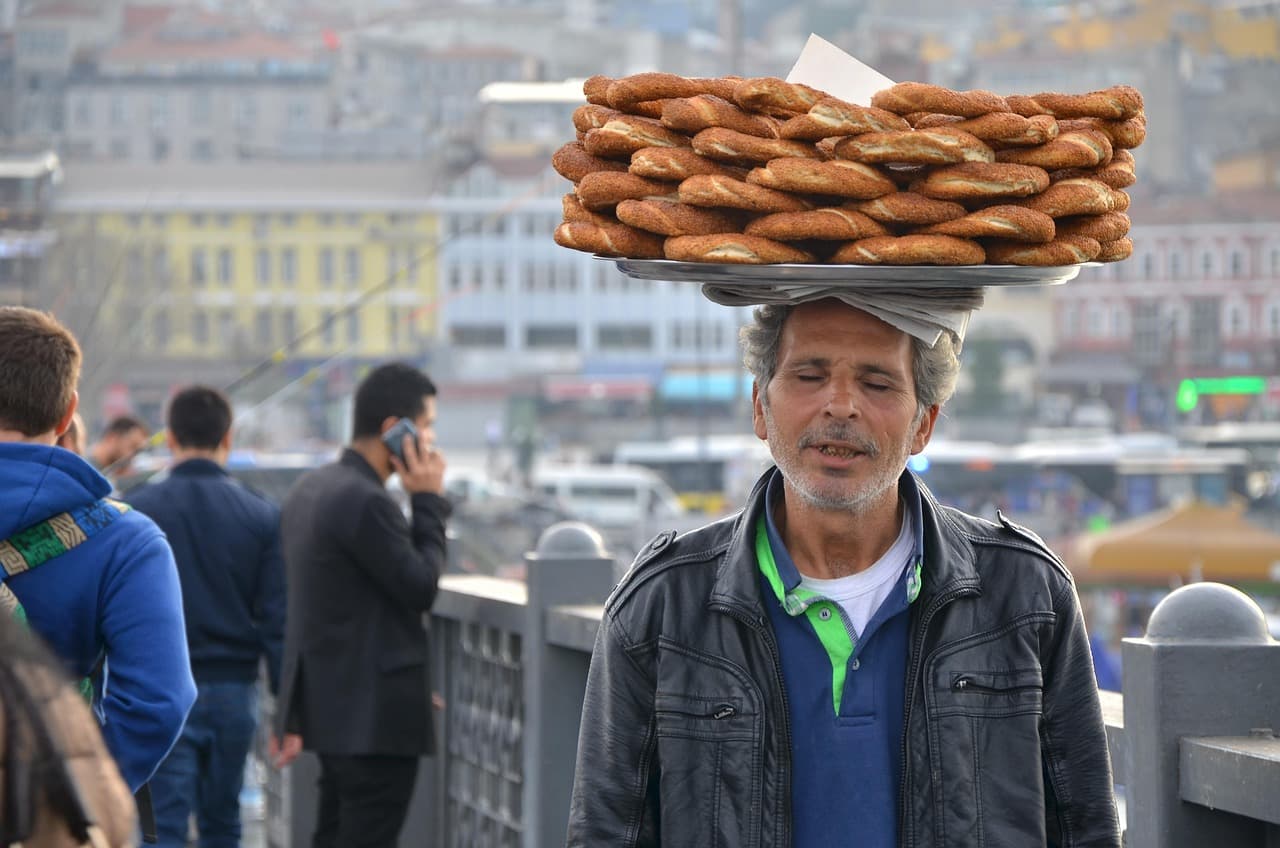
Walk out of any hotel in Türkiye before nine in the morning and you will meet the same scene: a vendor with a tray balanced on his head or a small glass cart trailing steam, a stack of golden rings dusted in sesame, and a line of people who all seem to know exactly what they are doing. For the price of a coffee back home — often genuinely around two lira a simit and a few more for tea — you can have a complete breakfast standing at a counter, watching a city wake up.
This is not a tourist gimmick. It is the actual daily rhythm of millions of people: taxi drivers, students, shopkeepers, and office workers in suits all eating the same thing, at the same time, elbow to elbow. There is something quietly democratic about it. Nobody asks where you are from. The simit costs the same for everyone.
If you want to understand Türkiye quickly, skip the hotel buffet once. Instead, follow the smell of toasted sesame and see where it leads. Our travel guides cover everything from transport to etiquette, but this is the one ritual you can learn in five minutes and enjoy every single morning of your trip.
What Exactly Is Simit?
Simit is a circular bread covered in sesame seeds, dipped in a molasses-and-water wash before baking, which gives it its deep mahogany crust and that faintly sweet, nutty flavour. The dough is chewy rather than fluffy, twisted into a rope and joined into a ring, so it travels beautifully — it does not crumble in a bag and it does not mind being carried under someone's arm for a few blocks.
Italians will see a cousin of the taralli, Greeks will recognise the koulouri, and anyone who has been to the Middle East will know the family resemblance. But Turkish simit has its own personality: slightly denser, generous with the sesame, and best eaten within an hour of baking. After that it turns politely stale — still edible, but no longer magic.
Regional versions exist, and they are worth chasing. In İzmir it is often called gevrek and is a little crisper. In Ankara you will find a thinner, snappier ring. Black Sea bakers sometimes work with corn flour. And in the southeast, look for taş fırın simidi — stone-oven simit, darker and smokier, sold from wood-fired bakeries rather than carts.
The Tea Side of the Equation: Çay in a Tulip Glass
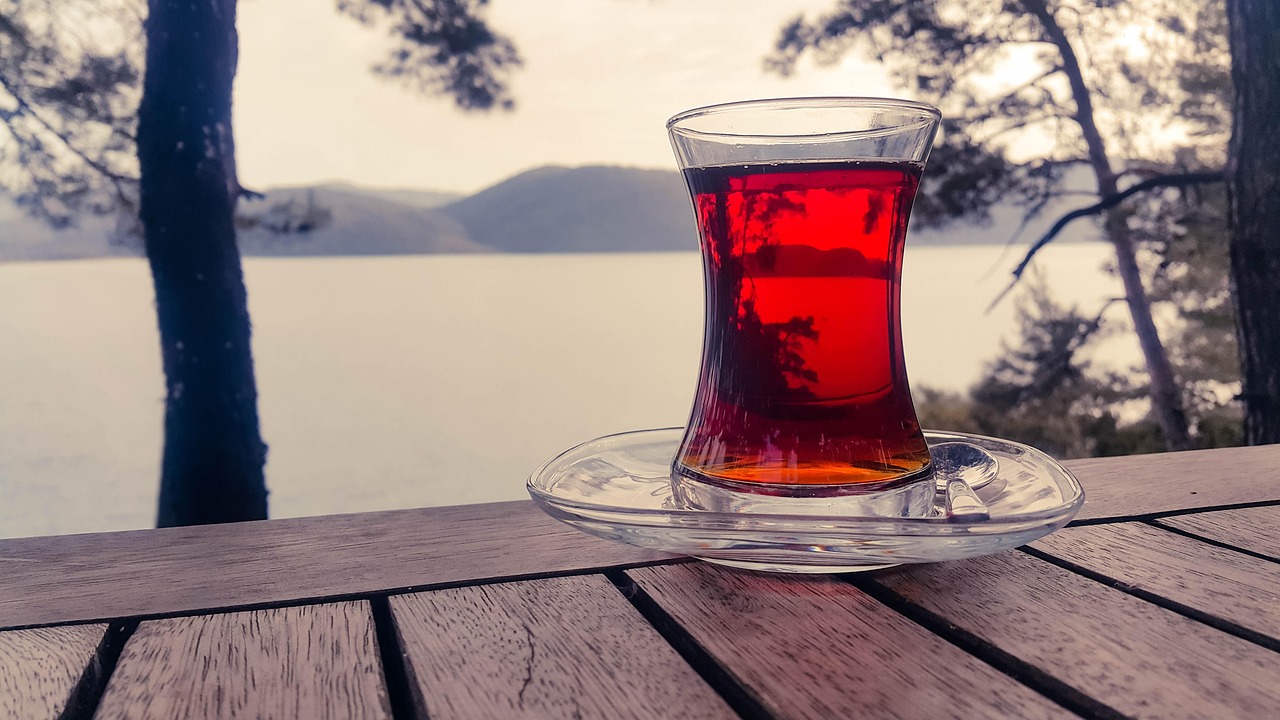
Turkish tea is not a side order; it is the other half of the ritual. Brewed strong in a çaydanlık — a double pot with boiling water below and steeped concentrate above — it is poured into a small tulip-shaped glass so you can see the colour and judge the strength. Ask for açık if you want it light, demli if you want it strong, and expect the glass to arrive on a saucer with two sugar cubes, always, even if you never use them.
The tulip glass is not decoration. Its narrow waist keeps the tea hot while the wide rim lets you sip without burning your lip, and it holds exactly enough to drink before it goes cold. This is why Turks drink many small glasses a day rather than one large mug — it is a rhythm, not a dose.
Do not be surprised if your tea is refilled without asking, or if the çaycı carrying a curved tray through a bazaar seems to teleport around corners. This is a highly refined logistical art. Sit down anywhere for more than four minutes — a barber, a carpet shop, a mechanic's garage — and tea will appear. It is not on the bill. It is simply what happens.
How Locals Actually Eat It
Watch closely and you will see the technique: hold the ring with both hands, break it in half, then tear off pieces rather than biting straight into the circle. It is more elegant, and it keeps the sesame from scattering down your shirt. Some people dunk a torn piece into their tea — a habit some find scandalous and others consider the entire point.
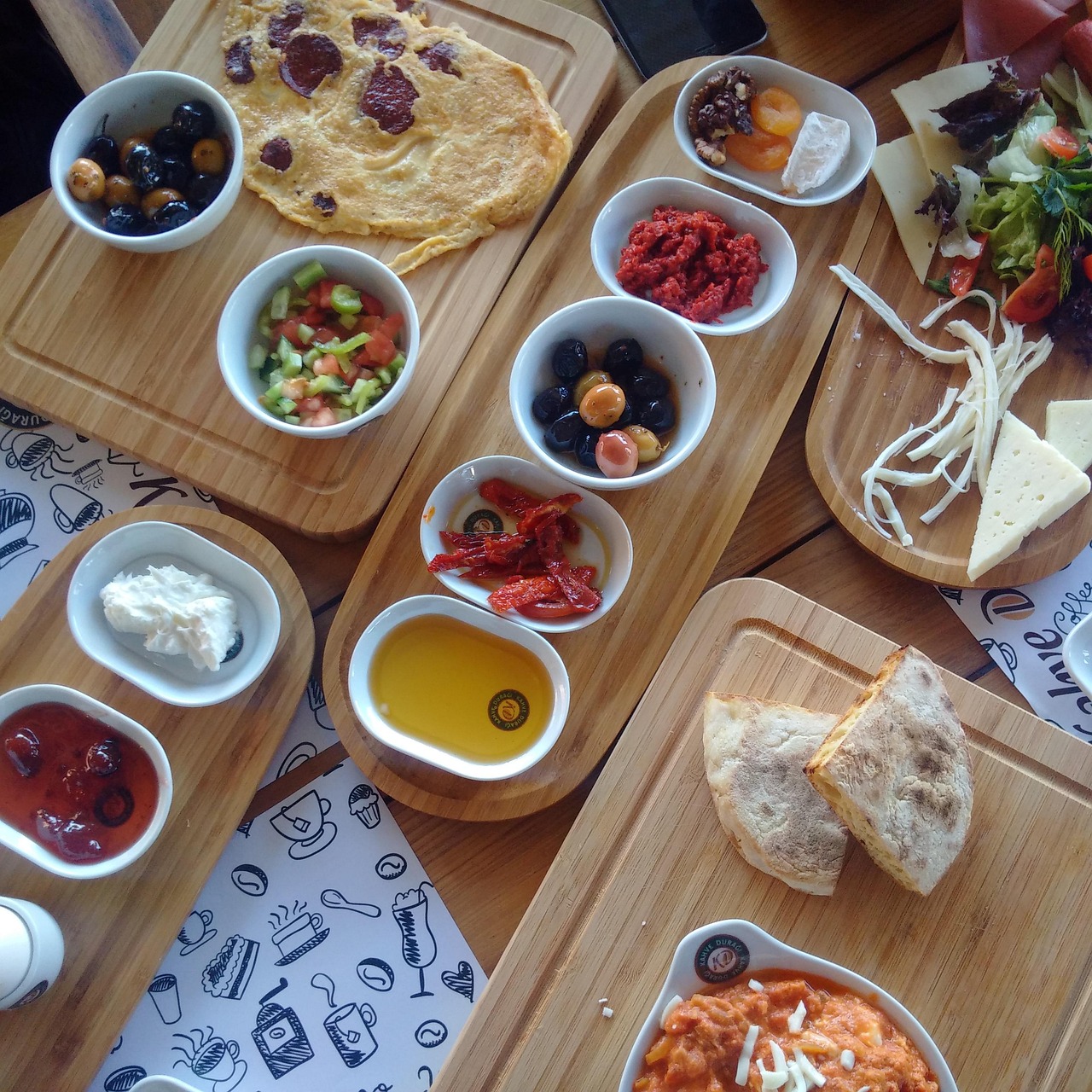
Pairings are where it gets fun, and cheap. The classic trinity is simit, tea, and a triangle of beyaz peynir (white cheese) — salty and creamy against the sweet crust. Equally beloved is a smear of jam, especially sour cherry or rose, or a spoonful of pekmez grape molasses for a winter morning. In summer, a slice of tomato and a pinch of salt is all you need. Some vendors sell small tubs of cream cheese or chocolate spread specifically for this purpose.
For a heartier version, look for a simit tost — the ring split and grilled with cheese and tomato like a panini — or simit dolması, stuffed and warmed. Both cost a few lira more and make a perfectly respectable lunch.
Break it in half, tear, dip, sip. Nobody will judge you for copying the person next to you — they will probably offer you a piece first.
Where to Find the Freshest Rings
Timing beats location. The first wave of simit appears around 6:30–7:00 a.m. and the second, equally important, around 4:00 p.m. for the evening commute. Anything sold at 11 a.m. has been sitting a while, so look for carts with visible steam, a baker still loading, or a line of impatient locals. A queue is the single best quality indicator in Türkiye.
Neighbourhood tips matter more than landmarks. In Istanbul, head to the small fırın (bakery) side streets of Karaköy, Kadıköy's market lanes, or the tea gardens of Çengelköy, where simit arrives by bicycle and the view of the Bosphorus costs nothing. In Ankara, the old lanes around Kızılay and the backstreets of Hamamönü are reliable. In İzmir, the Kordon seafront in the morning, with gulls and a gevrek, is hard to beat. In Gaziantep or Şanlıurfa, skip the cart and go straight to a stone-oven bakery, where the dark, chewy simit comes out on wooden paddles.
Look for the words sıcak simit (hot simit) on a cart or window. Buy two — one to eat immediately, one for later, which you will eat immediately anyway. Our destinations section will help you map bakery-rich neighbourhoods city by city, and best time to visit explains why spring and autumn mornings are the perfect simit weather.
The Generosity That Comes With It
Here is what guidebooks rarely mention: the tea is often free, and the simit is often paid for by someone else. In Türkiye, offering tea is the default gesture of welcome, whether you are buying a carpet, waiting for a bus, or asking for directions. Refusing is possible but takes effort, and the second glass is already being poured.
Try to pay for a round of simit for the people around you and watch what happens. Someone will insist on covering the next one. This quiet back-and-forth — ben ısmarlayayım, let me treat you — is a small social contract, and visitors are invited into it constantly. Accept with a smile and a teşekkürler; the gesture is not about money, it is about acknowledging that you are a guest and, for a moment, a neighbour.
This is the real reason the two-lira breakfast is the best in the world. Not the price. The fact that a stranger handing you a glass of tea and half a simit is one of the most ordinary things in the country — and one of the most memorable things about it.
Practical Tips for Your First Simit Morning
- Carry small cash. Carts rarely take cards, and coins are king.
- Say yes to tea. It comes in a glass; hold it by the rim or the saucer if it is hot.
- Eat it within the hour. Freshness is the whole point — do not save it for the airport.
- Try the local name. Simit in Istanbul, gevrek in İzmir; asking for the local word always gets a smile.
- Look for pigeons. A cart surrounded by birds is a cart with a long, trusted history.
- Recycle the bag. Vendors hand out paper or thin plastic; say poşet yok if you have your own.
Want to build a whole morning around this? Our itineraries include bakery walks and market mornings, and the travel tools page helps you plan costs — where you will notice that breakfast barely registers. If you would rather have a local guide walk you to the best cart in town, our experts can arrange it.
Above all: slow down, find a bench, break the ring in half, and watch the city start its day. You have just discovered the best-value breakfast on earth. We would not be surprised if you repeat it tomorrow. Read more everyday culture and food stories on our blog.
Thinking about a trip to Turkey?
Share your contact details and a vetted local expert will follow up with a plan built around you — free, no obligation.