

Mardin Welcomes South Korean Travelers with Open Arms
In a heartwarming display of Türkiye's renowned hospitality, the historic city of Mardin recently rolled out the red carpet for a group of South Korean visitors. Local residents, artisans, and officials came together to offer a warm welcome, showcasing the city's storied stone architecture and rich cultural tapestry. The event, which quickly gained traction on social media, has sparked renewed interest among South Korean travelers eager to explore Türkiye's southeastern heritage.
Mardin, perched on a rocky hill overlooking the Mesopotamian plains, is famed for its honey-colored limestone buildings, intricate carvings, and a skyline punctuated by minarets and church bell towers. For the South Korean guests, the visit was more than a sightseeing trip—it was an immersion into a living history where diverse faiths and traditions have coexisted for centuries.
The warm reception included traditional music, local delicacies, and guided tours of the old city. "We felt like family," said one visitor from Seoul. "The people of Mardin opened their hearts to us, and we will never forget their kindness."
A Growing Asian Visitor Market for Türkiye
Türkiye has long been a favorite destination for European travelers, but recent years have seen a significant rise in visitors from Asia, particularly South Korea. According to the Ministry of Culture and Tourism, the number of South Korean tourists to Türkiye has steadily increased, driven by direct flights, cultural exchanges, and a shared love for history and gastronomy.
Mardin, with its unique blend of Arab, Kurdish, Turkish, and Syriac influences, offers a distinct experience that resonates with Asian travelers seeking authentic, off-the-beaten-path destinations. The city's inclusion in UNESCO's Tentative List and its appearance in popular Korean travel documentaries have further fueled curiosity.
Local tourism operators have responded by introducing Korean-language guides, halal and vegetarian-friendly menus, and tailored itineraries that highlight Mardin's architectural and spiritual heritage. This proactive approach ensures that visitors from South Korea feel welcomed and understood.
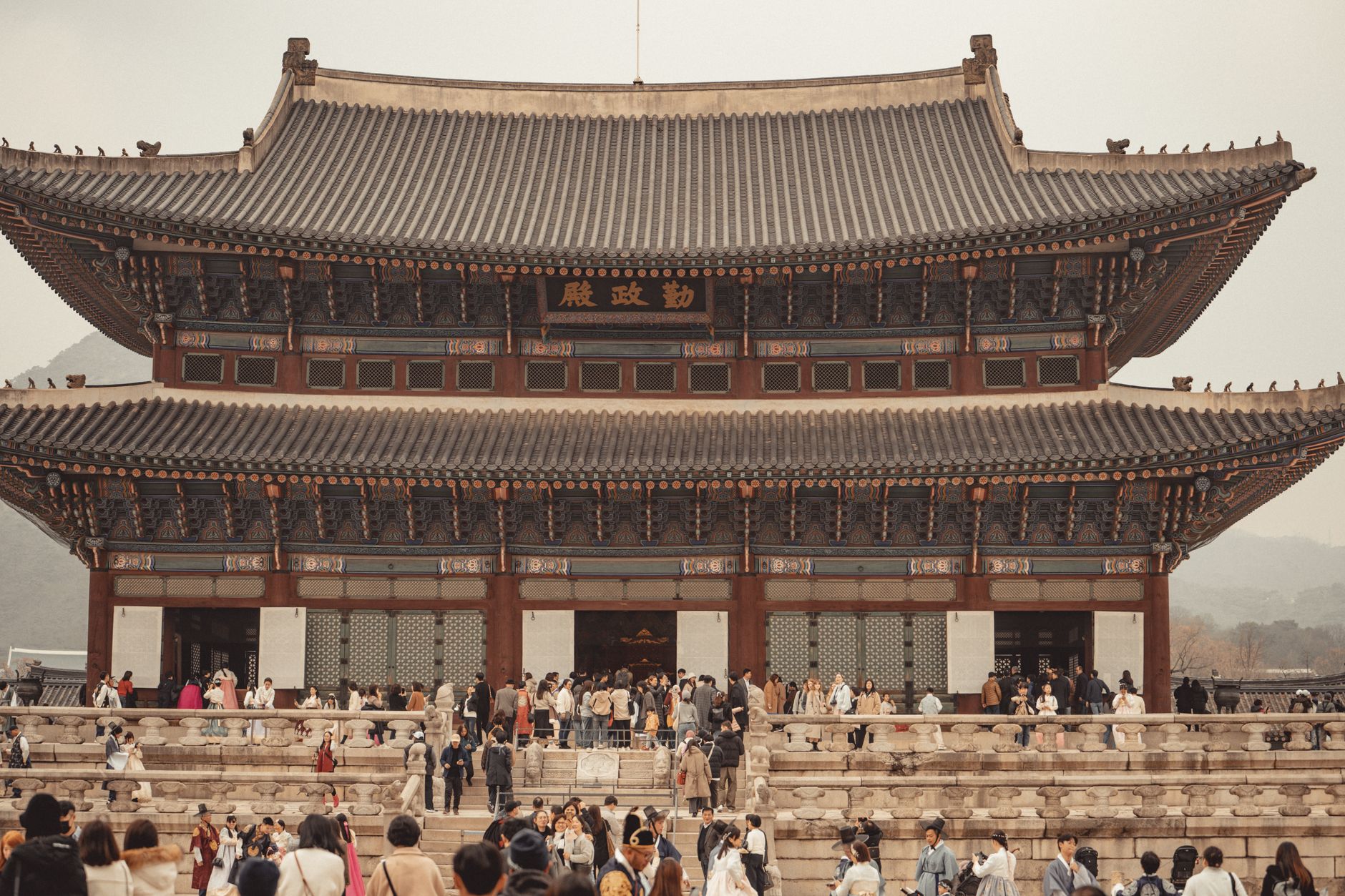
Exploring Mardin's Stone Architecture and Ancient Streets
Mardin's old town is a labyrinth of narrow alleys, vaulted passages, and stone houses that seem to grow out of the hillside. The distinctive Artuqid, Seljuk, and Ottoman architectural styles are evident in landmarks such as the Great Mosque, the Zinciriye Madrasa, and the Kasımiye Madrasa. Walking through these streets is like stepping into an open-air museum.
Visitors can admire the finely carved stone facades, ornate doorways, and traditional courtyards that provide respite from the sun. The city's skyline is dotted with the domes of mosques and the towers of churches, a testament to its multicultural past. Guided walking tours are available, and many local guides speak English and Korean.
For photography enthusiasts, the golden hour casts a magical glow on the stone buildings, offering countless opportunities to capture Mardin's timeless beauty.
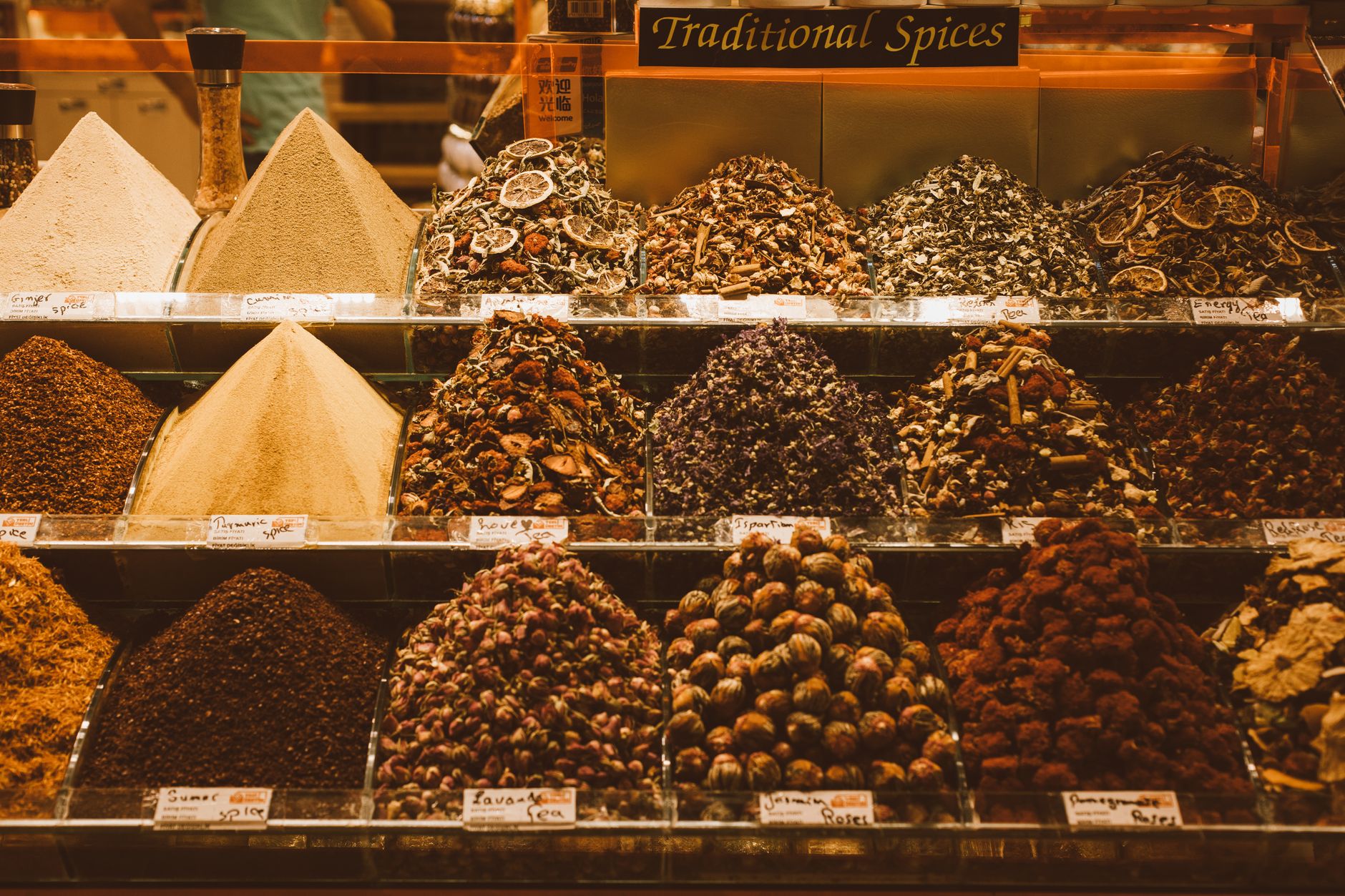
Syriac Monasteries: A Spiritual Journey
Mardin is home to some of the oldest Christian communities in the world, and its Syriac monasteries are treasures of faith and history. The Deyrulzafaran Monastery, just a short drive from the city center, dates back to the 5th century and remains an active religious site. Visitors can explore its ancient chapel, library, and courtyards, and learn about the Syriac Orthodox tradition.
Another notable site is the Mor Hananyo Monastery, also known as the Saffron Monastery, which offers panoramic views of the plains below. These monasteries provide a serene contrast to the bustling bazaars and a chance for quiet reflection.
For South Korean travelers, many of whom appreciate spiritual heritage, these monasteries offer a profound connection to Türkiye's diverse religious landscape. Respectful visits are encouraged, with modest dress recommended.
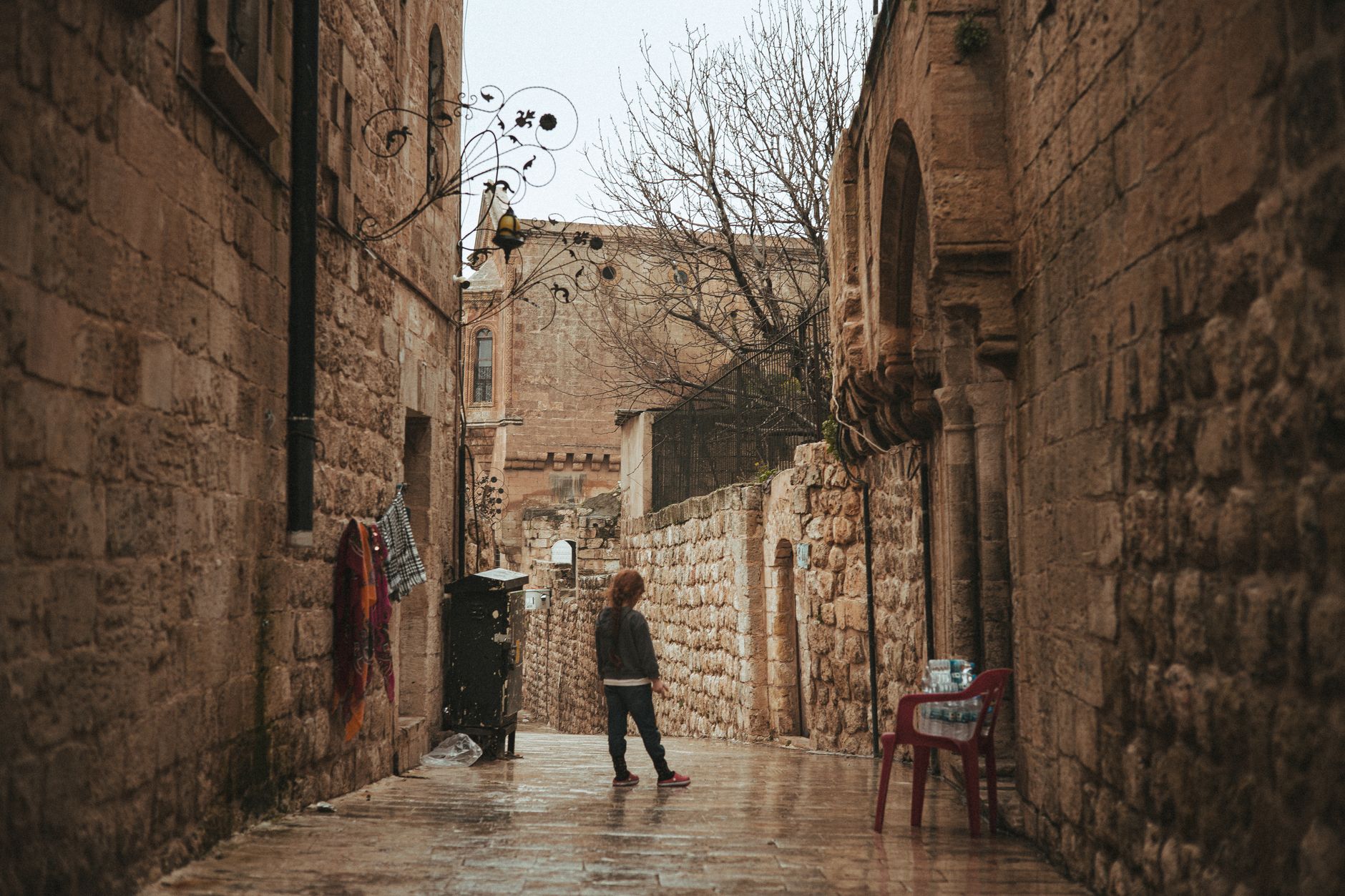
Bazaar Culture and Culinary Delights
No trip to Mardin is complete without exploring its vibrant bazaars. The Revaklı Çarşı and the old bazaar area are filled with shops selling handmade silver jewelry, colorful textiles, spices, and local delicacies. The atmosphere is lively and friendly, with shopkeepers often inviting passersby for a cup of tea.
Mardin's cuisine is a fusion of Turkish, Arab, and Kurdish flavors. Must-try dishes include kaburga dolması (stuffed lamb ribs), içli köfte (bulgur balls), and sembusek (stuffed flatbread). For dessert, the künefe and almond cookies are local favorites. Many restaurants now offer vegetarian and halal options, catering to diverse dietary needs.
The bazaar is also a great place to purchase authentic souvenirs, such as hand-woven rugs, copperware, and traditional Syriac silverwork. Bargaining is common and adds to the fun, but always done with a smile.
Practical Tips for South Korean Travelers
Getting to Mardin is easier than ever. Direct flights operate from Istanbul to Mardin Airport, and from there it's a 20-minute drive to the old city. South Korean citizens can obtain a Turkish e-Visa online before travel. The best time to visit is spring (April-May) and autumn (September-October) when the weather is mild.
Accommodation ranges from boutique hotels in restored stone mansions to modern hotels. Many establishments are accustomed to international guests and can arrange tours. Learning a few words of Turkish or Kurdish, such as merhaba (hello) and teşekkürler (thank you), goes a long way in building rapport.
Respect local customs, especially when visiting religious sites. Dress modestly, remove shoes before entering mosques, and ask before photographing people. The warmth of Mardin's residents ensures that visitors feel safe and welcome. As the South Korean guests discovered, a smile and a shared cup of tea transcend language barriers.
A Bridge Between Cultures
The recent spotlight on South Korean tourists in Mardin is more than a viral moment; it symbolizes the growing ties between Türkiye and Asia. Mardin's legendary hospitality, combined with its breathtaking heritage, makes it an ideal destination for travelers seeking authenticity and connection.
As Türkiye continues to attract visitors from across Asia, destinations like Mardin are poised to shine. The city's ability to embrace diversity while preserving its unique identity serves as an inspiration. For South Korean travelers, and indeed for all who visit, Mardin offers not just a journey through history, but a heartfelt welcome that lingers long after departure.
Plan your trip today and discover why Mardin is becoming a must-visit for those who seek the soul of Türkiye.
Thinking about a trip to Turkey?
Share your contact details and a vetted local expert will follow up with a plan built around you — free, no obligation.