

Travelers watching Türkiye's cultural map have a new reason to look southeast. A freshly promoted Southeastern Heritage Corridor is linking the region's most treasured towns and landscapes into a coherent set of trails, with Mardin and Midyat at its heart. The idea is simple and generous: let visitors move slowly between stone cities, ancient monasteries, village bazaars and open plains, while local communities keep ownership of the story.
For anyone who has wandered Mardin's honey-colored terraces at sunset or heard Syriac chant echo through a Midyat courtyard, this feels less like a new product and more like an invitation to stay longer. The corridor formalizes what locals have long known — that this corner of Türkiye rewards curiosity, patience and a good pair of shoes.
Mardin: A Stone City Made for Wandering
Mardin remains the corridor's crown. Its sandstone houses, carved doorways and honeycomb minarets cascade down a hillside above the Mesopotamian plain, and the old town rewards aimless strolling. Newly marked routes help visitors connect the bazaar lanes, the historic madrasas and the terraced viewpoints without missing the quiet courtyards in between.
Hospitality here is the headline. Family-run boutique hotels occupy restored stone mansions, many with rooftop terraces facing the plain, and hosts are famously quick to offer tea and a story. Travelers can browse stays and local experiences through our destinations guide before booking.
Evenings are for the bazaar and the table. Local restaurants serve kaburga dolması, stuffed lamb ribs, and syrupy ribe desserts, while the smell of menengiç coffee drifts through the alleys. It is the kind of place where dinner becomes a conversation about centuries.
Midyat and the Monastery Villages
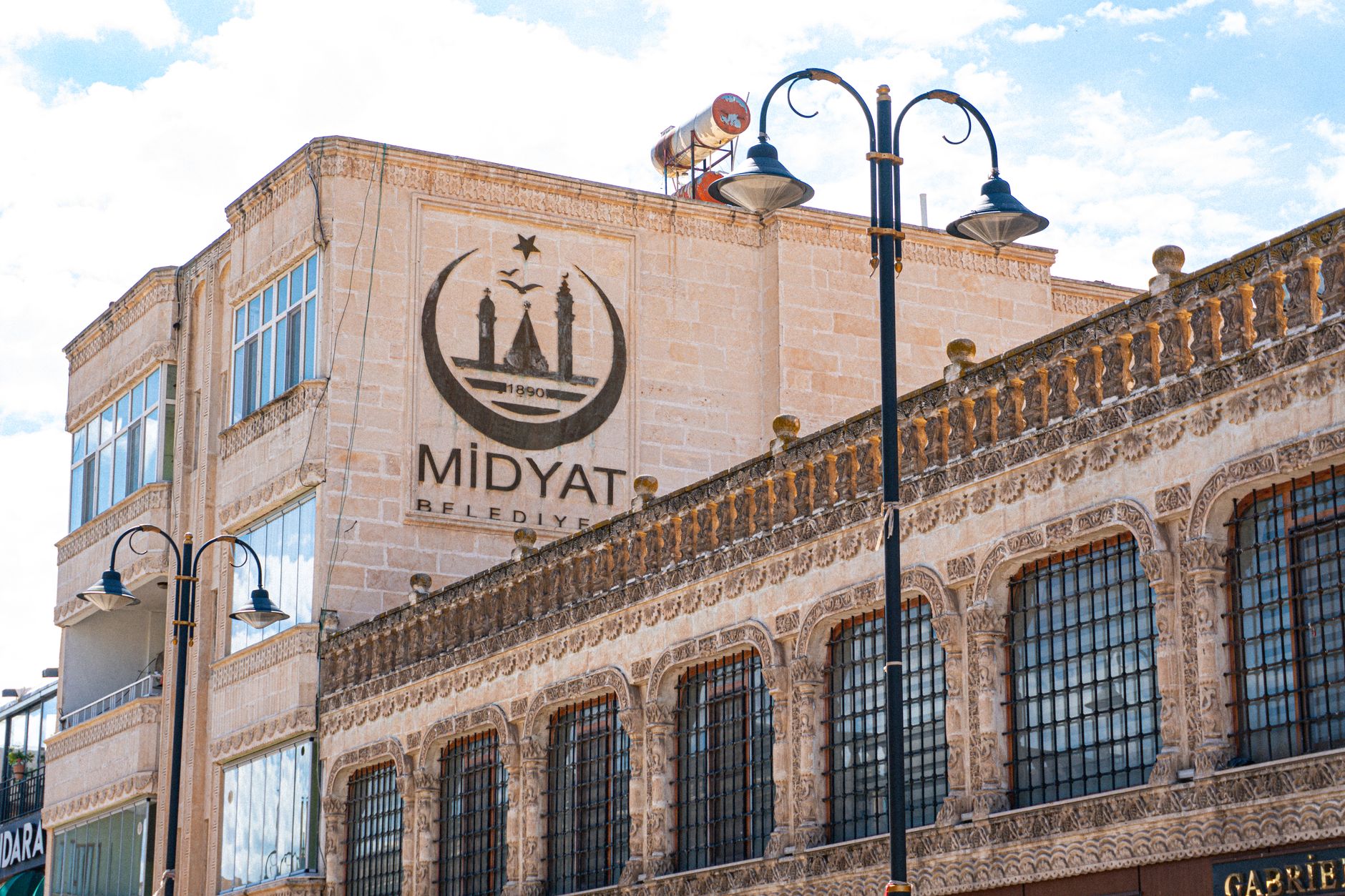
West of Mardin, Midyat is the corridor's second anchor, a town of silver workshops and stone churches set among villages that have preserved Syriac Christian heritage for generations. Guided day trips now make it easy to visit working monasteries, hear Aramaic spoken in the streets, and understand the region's layered faith traditions with respect and context.
"The stones here carry memory," one Midyat host says. "When a guest listens, the whole town feels like a family table."
The surrounding villages — including Anıtlı, Hah and İzbırak — are best reached with a local guide who knows which courtyards welcome visitors and when. Small-group tours are the responsible choice, keeping foot traffic gentle on delicate sites. Our local experts can match travelers with certified guides who speak English, Arabic and Turkish.
Beyond the Two Cities: Deyrulzafaran, Dara and the Plains
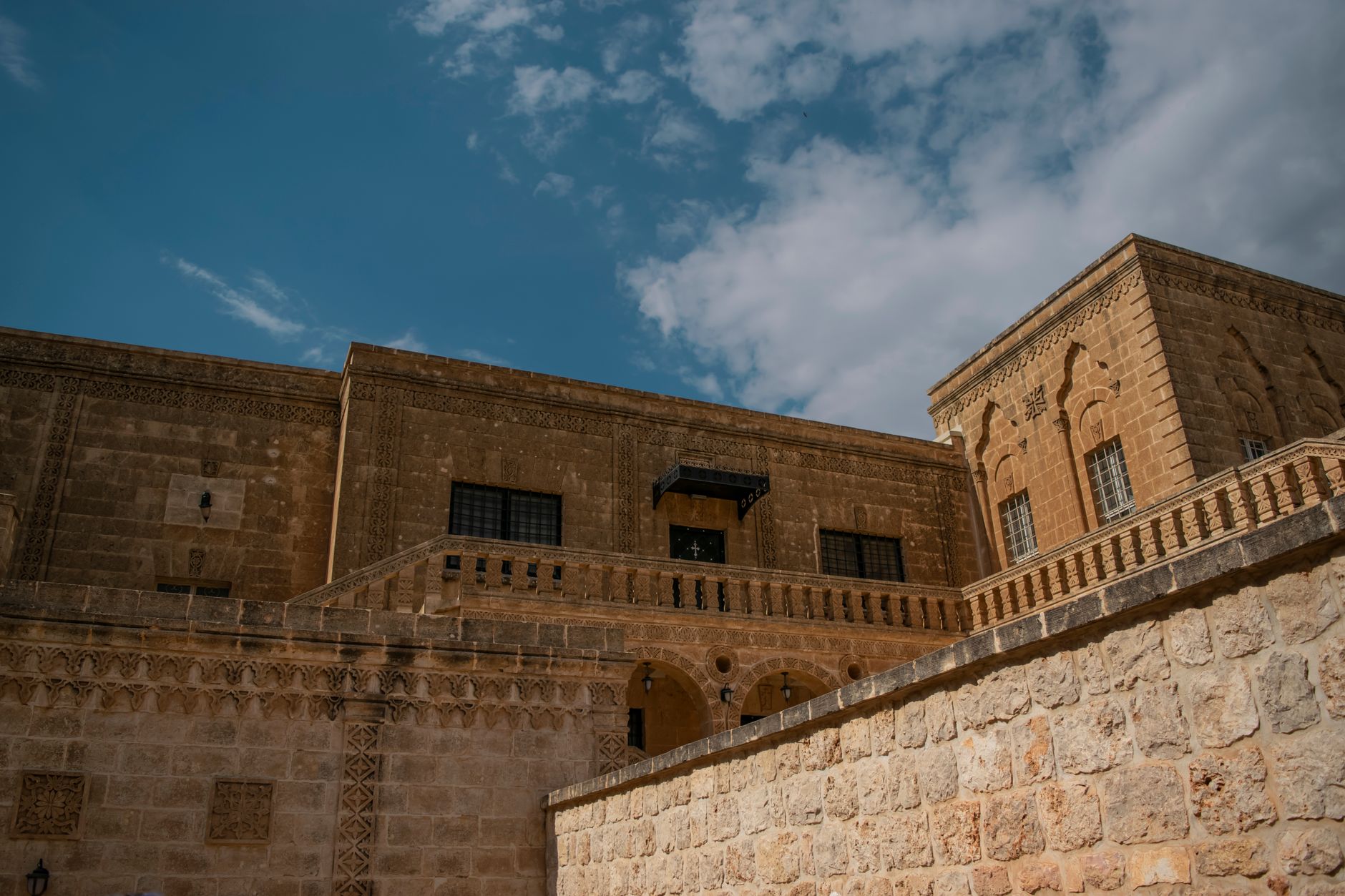
The corridor stretches outward to sites that reward a half-day each. The hilltop Deyrulzafaran Monastery near Mardin offers sweeping views and a stillness that lingers. Farther out, the ancient rock-cut city of Dara and its cisterns remind travelers just how deep Mesopotamia's timeline runs.
Between stops, the landscape opens into wheat fields, olive groves and villages where breakfast is a feast of cheeses, olives, fresh bread and strong tea. These are the moments the corridor was designed to protect: slow, human-scale travel that supports local producers rather than bypassing them.
Practical Connections from Gaziantep and Diyarbakır
Getting there is easier than many travelers expect. Gaziantep Airport and Diyarbakır Airport both offer domestic connections and seasonal international links, and each is a comfortable road transfer from Mardin and Midyat. Renting a car with a driver or joining a guided transfer is straightforward, and the highways are well maintained.
- Fly into Gaziantep for western access, then drive east through Midyat to Mardin.
- Fly into Diyarbakır for northern access and a scenic loop south to Mardin.
- Allow at least three to four nights to cover both anchor towns without rushing.
- Pair spring or autumn visits with the region's harvest markets for the best weather and produce.
Once there, boutique hotels in restored stone houses offer comfortable bases, and day trips can be arranged from either town. Our travel tools help with transfers, timing and packing lists for the region's hot summers and cool evenings.

Flavors of Mesopotamia
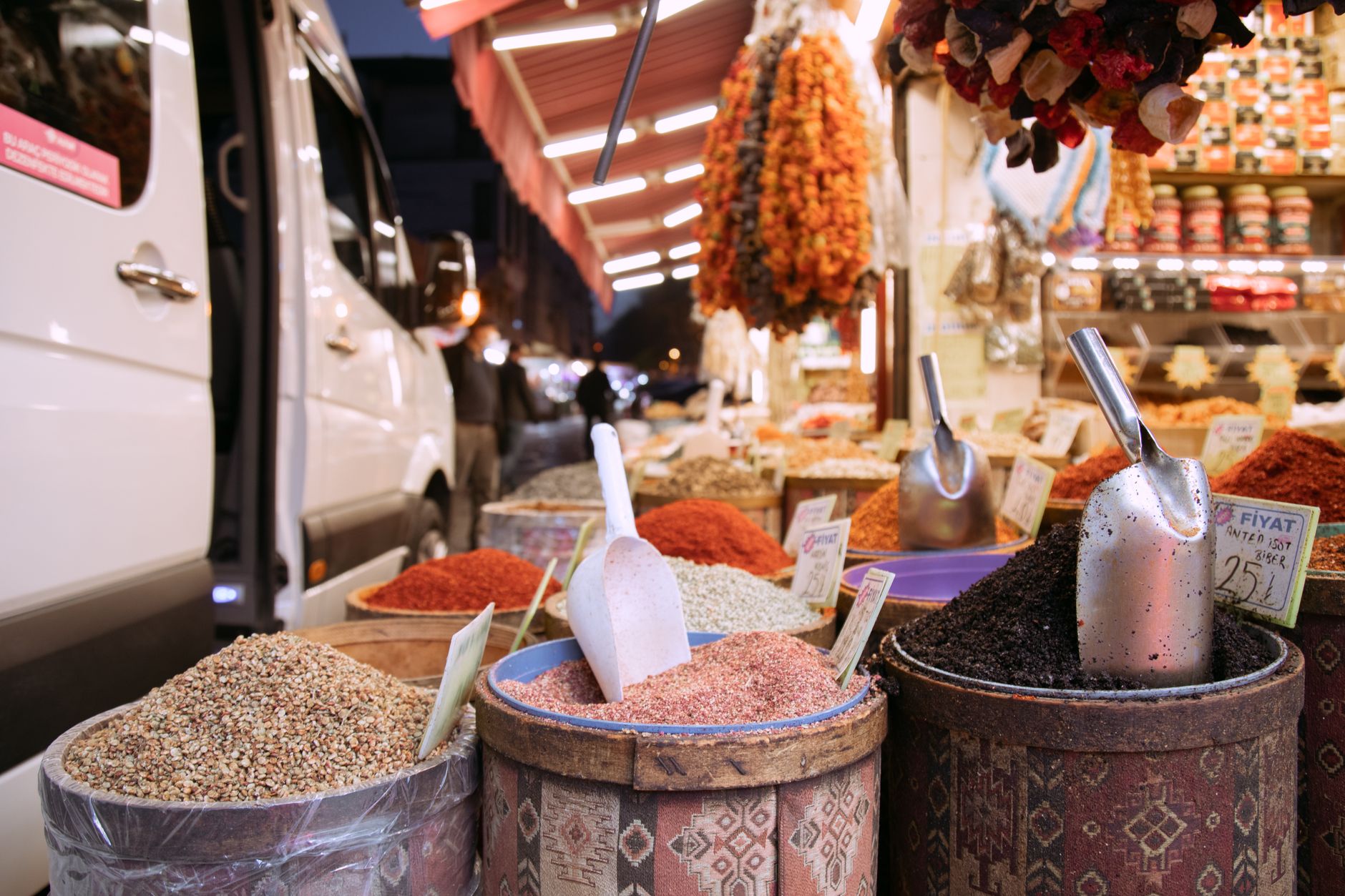
The corridor's culinary identity is unmistakable. Gaziantep contributes its celebrated baklava and pistachio kitchens; Mardin adds slow-cooked lamb, bulgur pilafs and herb-forward salads; Midyat brings its own sweets and silver-lined tea trays. Travelers should arrive hungry and linger at the table.
Food is also a form of preservation. Many restaurants along the corridor are family businesses that source from nearby farms, and cooking workshops let visitors learn a dish or two before heading home. It is heritage you can taste, and it is among the warmest welcomes in Türkiye.
Travel With Respect and Curiosity
The corridor asks travelers to move thoughtfully. Dress modestly when visiting monasteries and mosques, ask before photographing people, and buy directly from artisans and village producers. Small choices keep the region's hospitality economy strong and its heritage protected for the next generation.
Whether you have a long weekend or a fortnight, southeastern Türkiye is ready. Start with our sample itineraries, check the best time to visit, and let the stone cities of Mardin and Midyat do the rest.
Thinking about a trip to Turkey?
Share your contact details and a vetted local expert will follow up with a plan built around you — free, no obligation.