

As the summer sun softens and the Aegean breeze carries the sweet scent of ripening figs, Türkiye's villages come alive with the bustle of harvest. From mid-August through early October, the landscapes of İzmir, Aydın, Manisa, and the Bodrum peninsula transform into a patchwork of orchards and vineyards, inviting travelers to partake in one of the most authentic experiences the country offers: the fig and grape harvest. This is a time when generosity flows as freely as the local wine, and every visitor is welcomed as a friend.
The Sweetest Season: Why Late Summer is Ideal for Agritourism in Türkiye
Late summer in Türkiye is a symphony of flavors. The intense heat of July gives way to balmy days and cool evenings, perfect for exploring the countryside. The fig trees, heavy with fruit, bend their branches toward the earth, while vineyards glow with clusters of grapes ready for the press. This is the season when village life revolves around the harvest, and travelers can step into that rhythm.
Agritourism in Türkiye has grown in recent years, but it remains deeply rooted in tradition. Many families open their orchards and homes to visitors, eager to share not only their produce but also their stories. Participating in the harvest isn't just about picking fruit; it's about connecting with the land and the people who tend it.
The Aegean region is the heart of this abundance. Its Mediterranean climate—hot, dry summers and mild, wet winters—creates ideal conditions for figs and grapes. The soil, enriched by centuries of cultivation, yields produce celebrated since antiquity. Whether you're a foodie, a nature lover, or simply seeking a slower pace, the harvest season offers a unique window into rural Türkiye.
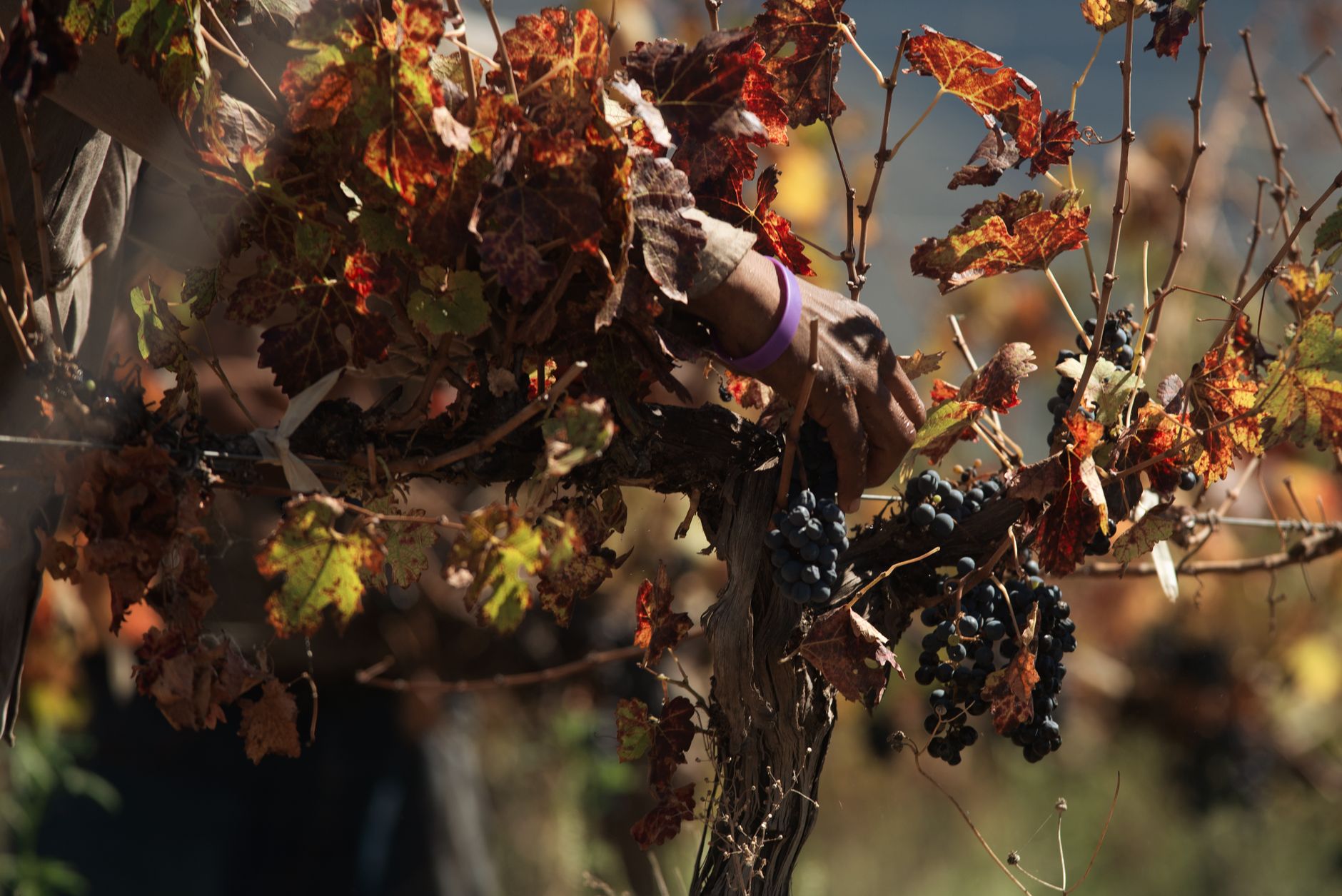
Fig Harvesting in the Aegean: A Hands-On Experience
The fig is one of Türkiye's most iconic fruits, and the Aegean coast is its kingdom. From the moment you arrive at a village like Şirince, near İzmir, or the outskirts of Aydın, you'll notice fig trees everywhere—in gardens, along roadsides, and in dedicated orchards. The harvest typically begins in mid-August and continues into September, depending on the variety.
Picking figs is an art. The fruit must be soft to the touch, its neck bent, and a drop of honey-like nectar at its eye—signs that it's perfectly ripe. Your hosts will teach you the gentle twist that separates the fig from the branch without bruising it. As you fill your basket, you'll inevitably pop a sun-warmed fig into your mouth; its sweetness is unmatched, a taste of pure sunshine.
Many farms offer half-day or full-day experiences. You might start early in the morning to avoid the heat, work alongside local pickers, and then retreat to a shaded courtyard for a breakfast of fresh figs, village cheese, olives, and strong tea. The pace is unhurried, the conversations lively, and the sense of accomplishment real.
For those interested in the drying process, some villages still practice traditional sun-drying. You can watch as figs are laid out on woven mats, turning golden in the sun, later to be strung into garlands or packed for winter. It's a glimpse into the sustainable practices that have sustained these communities for generations.
Vineyard Visits and Grape Picking: From Vine to Glass
While figs capture the imagination, grapes are equally central to Aegean culture. The region is dotted with vineyards, from the boutique wineries of Urla and Çeşme to the family plots around Manisa and Denizli. The grape harvest, known as bağbozumu, usually kicks off in late August and runs through October.
Joining a grape harvest is a joyful affair. You'll learn to snip clusters of grapes—often table varieties like Sultana or wine grapes such as Bornova Misketi—and place them carefully in crates. The work is rhythmic and social, accompanied by songs, laughter, and the occasional swig of şıra (fresh grape juice) or homemade wine.
Many vineyards offer tours that include tastings. You'll sample crisp whites, fruity reds, and perhaps a glass of peyvaz, a traditional wine made from late-harvest grapes. Some estates pair wine with local cheeses and figs, creating a perfect harmony of flavors. For a deeper dive, consider a winemaking workshop where you can stomp grapes (yes, with your feet!) or blend your own vintage.
The social aspect is as important as the agricultural one. Harvest season brings families together, and visitors are often invited to join the communal meals that follow. These are not just meals; they are feasts that celebrate the earth's bounty.
Village Tables: Where Generosity Knows No Bounds
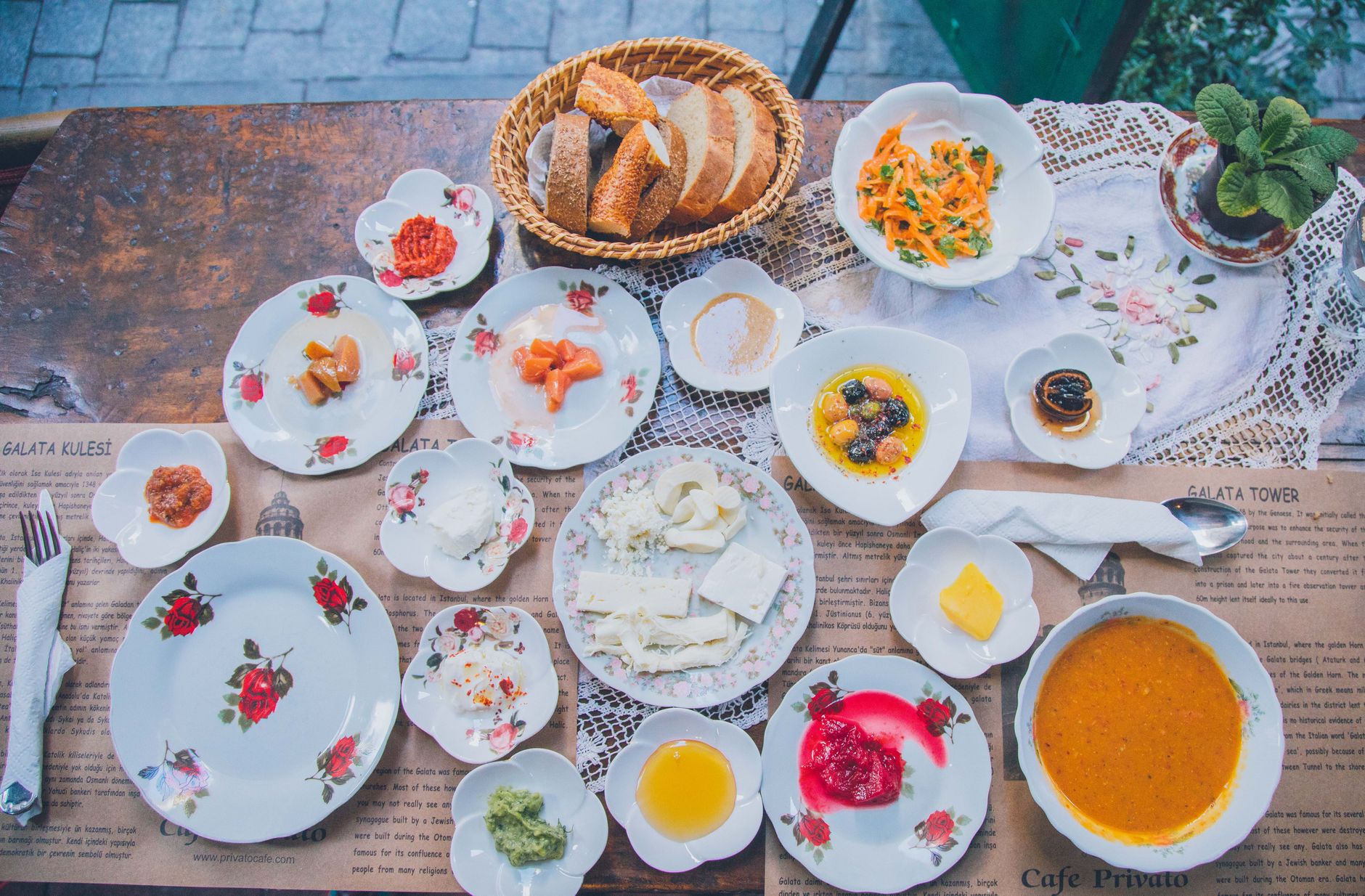
The true magic of the harvest lies in the village tables. After a morning of picking, you'll be welcomed into a home or a communal courtyard where a spread awaits. The table groans with dishes made from the day's harvest: stuffed figs with walnuts, grape leaves dolma, fresh salads with pomegranate molasses, and lamb slow-cooked with grapes and herbs.
Hospitality is sacred in Türkiye, and during harvest, it's amplified. Hosts take pride in offering the best of what they have. You'll be urged to eat more, to try everything, and to take seconds. The conversation flows easily, even if you don't speak Turkish; smiles and shared food bridge the gap.
These meals are also a chance to learn. Your hosts might explain how to preserve figs in syrup, how to make pekmez (grape molasses), or how to pair different grapes with cheeses. You'll leave not only with a full stomach but with recipes and memories to last a lifetime.
Some villages organize harvest festivals with music, dancing, and market stalls. These are wonderful opportunities to immerse yourself in local culture and to taste regional specialties from multiple families.
Regional Highlights: Where to Go for the Best Harvest Experiences
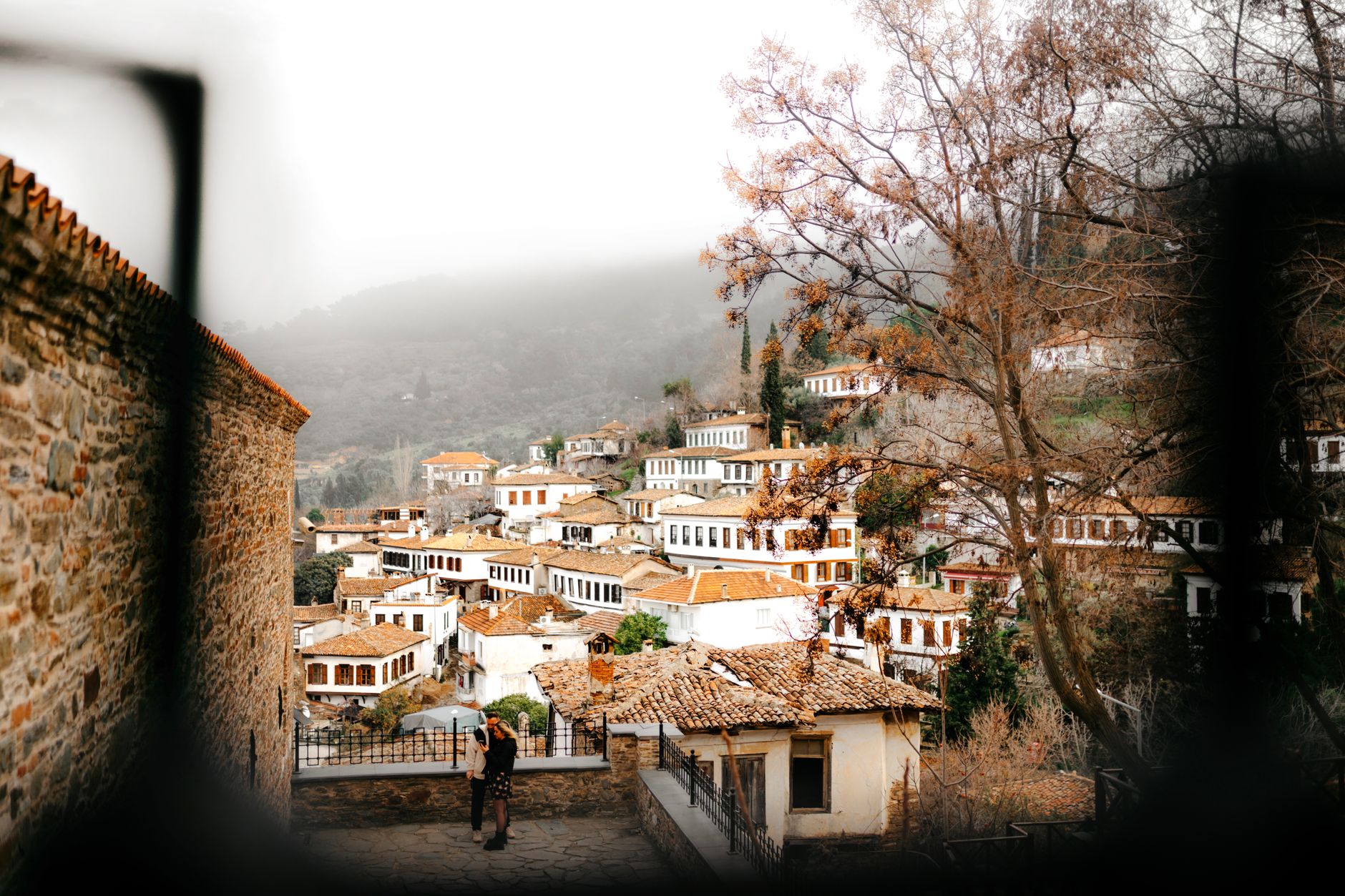
İzmir and Surroundings: The peninsula of Urla is a hotspot for agritourism, with vineyards and olive groves. Şirince, a hilltop village known for its fruit wines, offers fig picking and charming guesthouses. The nearby town of Selçuk, gateway to Ephesus, makes a convenient base.
Aydın: This province is Türkiye's fig capital. The town of İncirliova (literally 'fig plain') hosts fig festivals in August. Many farms here welcome visitors for picking and drying. The ancient city of Aphrodisias is nearby, adding a historical dimension.
Manisa: Known for its grapes, especially Sultana raisins. The vineyards around Salihli and Alaşehir are perfect for harvest tours. The region also boasts the stunning Mount Spil (Sipylus) National Park.
Bodrum Peninsula: While famous for its beaches, Bodrum's interior villages like Etrim and Dereköy offer authentic harvest experiences. The local wineries produce excellent wines from indigenous grapes like Karaova.
Denizli: The vineyards here produce wines from grapes like Çalkarası. Combine a harvest visit with a trip to Pamukkale's travertines.
Practical Tips for Planning Your Harvest Adventure
Timing: Fig harvest peaks from mid-August to mid-September; grape harvest from late August to early October. Check with local farms for exact dates, as they vary by year and variety.
What to Bring: Comfortable clothing, a hat, sunscreen, and closed-toe shoes. A reusable water bottle is essential. Don't forget your camera to capture the golden light of the orchards.
Booking: Many agritourism experiences can be booked through platforms like Airbnb Experiences, or directly with farms. Some family-run guesthouses offer harvest packages that include accommodation and meals. It's best to reserve in advance, especially during festival weekends.
Etiquette: Always ask before picking from a tree, even if it seems abandoned. Accept offers of food and tea—it's a sign of respect. A small gift from your home country is appreciated but not necessary.
Language: While English is spoken in tourist areas, learning a few Turkish phrases like teşekkür ederim (thank you) and afiyet olsun (bon appétit) goes a long way.
Sustainability: Support farms that practice organic or sustainable methods. Avoid wasting fruit; only pick what you can use. Consider purchasing products like dried figs, grape molasses, or wine to take home—it's a direct boost to the local economy.
Conclusion: A Harvest That Feeds the Soul
Türkiye's fig and grape harvest trails offer more than just a culinary adventure; they are a journey into the heart of Anatolian hospitality. The sensory joys—the sticky sweetness of a fresh fig, the burst of grape juice, the aroma of a village feast—are matched only by the warmth of the people who share them. As you sit at a communal table, surrounded by laughter and the clinking of glasses, you'll understand why this season is so cherished.
So, plan your late-summer escape to the Aegean. Let the harvest guide you through orchards and vineyards, and let the village tables remind you of the simple pleasures that connect us all. Whether you're a seasoned traveler or a first-time visitor, this experience will leave you with a full heart and a deeper love for Türkiye.
Thinking about a trip to Turkey?
Share your contact details and a vetted local expert will follow up with a plan built around you — free, no obligation.