

Every spring, something magical happens in Türkiye. As the snow melts and the first warm winds sweep across the Aegean and Mediterranean coasts, village women rise before dawn to comb the hillsides for wild greens—nettle, purslane, sage, and dozens of other edible and medicinal herbs. By mid-morning, these treasures appear in local markets, bundled with twine or piled in woven baskets, their fragrance filling the air with the scent of damp earth and sunshine.
For travelers, this annual ritual offers a delicious and deeply authentic way to connect with Turkish village life. It’s not just about food; it’s about seasonality, tradition, and a profound respect for nature. In this guide, we’ll introduce you to the joyful world of Turkish wild herb markets, explain how to shop and ask questions politely, and show you how to join guided foraging walks that will transform your understanding of Turkish cuisine.
Why Spring Is the Season of Wild Greens in Türkiye
Turkish cuisine is built on fresh, seasonal ingredients, and nowhere is this more evident than in the spring. The country’s varied climate—from the lush Black Sea coast to the dry steppes of Anatolia—produces an astonishing biodiversity of wild plants. For centuries, rural communities have relied on these otlar (wild greens) not only for nourishment but also for their medicinal properties.
Spring is when the hillsides come alive with edible shoots, leaves, and flowers. In the Aegean region, you’ll find ıspanak (wild spinach), kaya koruğu (rock samphire), and deniz börülcesi (sea beans) along the coast. The Mediterranean belt yields zeytin yaprağı (olive leaves), kekik (wild thyme), and sarmaşık (ivy-leaved toadflax). Meanwhile, inland markets stock yabani nane (wild mint) and dağ kekiği (mountain oregano).
This abundance is celebrated in local festivals and daily life. Grandmothers teach grandchildren which leaves to pick and which to avoid—knowledge passed down orally for generations. For visitors, spring is the perfect time to witness this living tradition, taste its results, and even participate.
A Primer on Türkiye’s Most Beloved Wild Greens
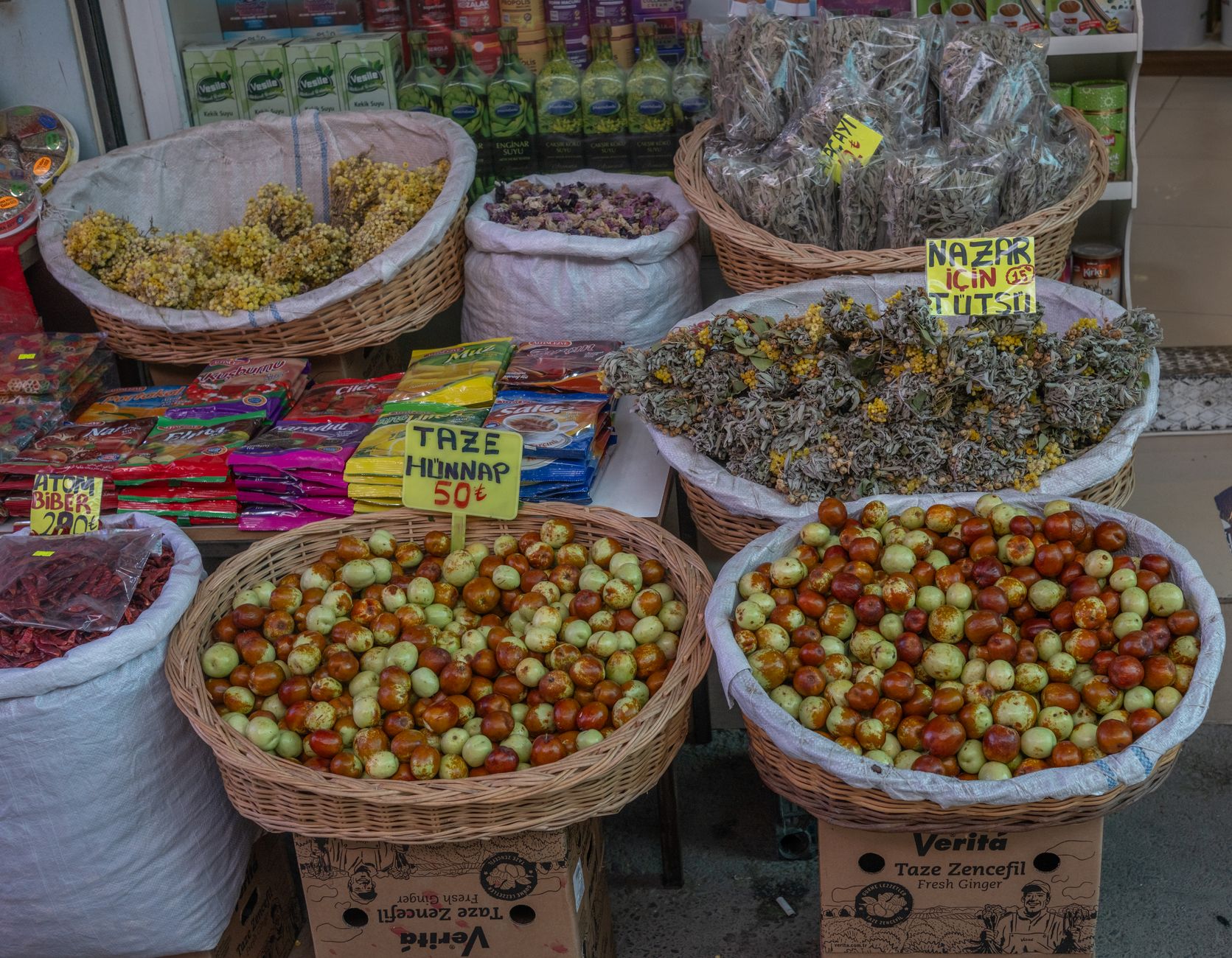
Before you dive into the markets, it helps to know a few stars of the spring harvest. Nettle (ısırgan otu) is perhaps the most famous. Despite its sting, it’s prized for its iron and vitamins, and it’s cooked into soups, sautéed with onions, or mixed into börek. Purslane (semizotu) is a succulent, lemony green often eaten raw in salads with yogurt and garlic, or folded into rice dishes.
Sage (adaçayı) grows wild in the Aegean hills and is dried for tea that soothes sore throats and aids digestion. In markets, you’ll find it fresh in spring, bundled like fragrant wands. Other favorites include sorrel (kuzu kulağı), shepherd’s purse (çoban çantası), and mallow (ebegümeci). Each has its own flavor profile and traditional use—some are bitter and cleansing, others mild and sweet.
What’s remarkable is how these plants are woven into daily cooking. A typical Aegean spring table might feature ısırgan çorbası (nettle soup), semizotu salatası (purslane salad), and ot kavurması—a medley of wild greens sautéed in olive oil. These dishes are simple, honest, and bursting with the flavors of the season.
Where to Find Wild Herb Markets: Aegean and Mediterranean Gems
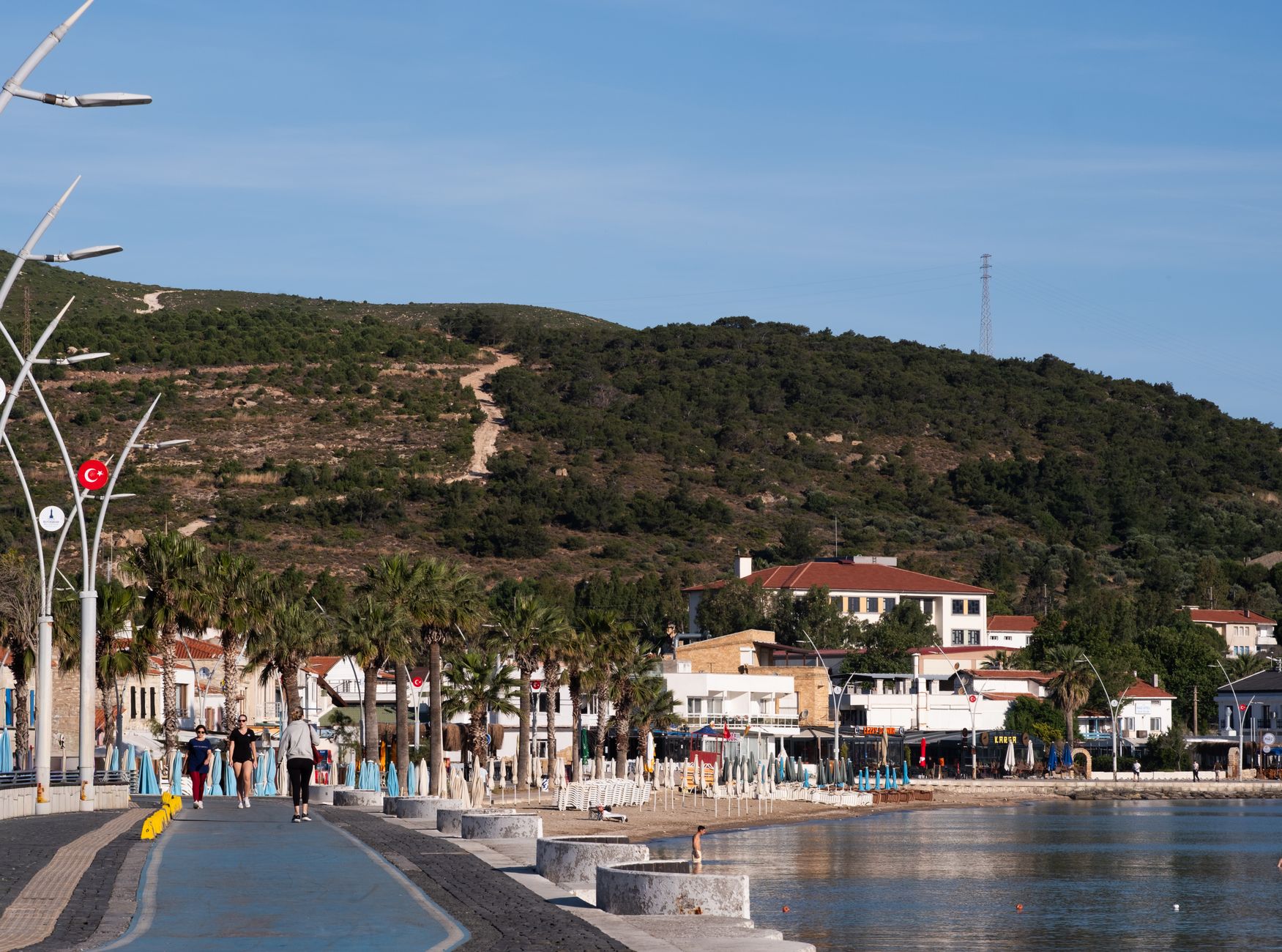
While you can find wild greens in many Turkish markets, some towns are legendary for their spring bounty. In the Aegean, head to İzmir’s Kemeraltı Market, where vendors pile baskets high with nettles, purslane, and sea beans. The nearby town of Çeşme and the Bodrum peninsula also host vibrant weekly markets (pazar) where village women sell freshly foraged greens alongside homemade cheeses and olives.
On the Mediterranean coast, Antalya’s markets are a forager’s paradise. Look for tilkişen (wild asparagus), kapari (capers), and nohutlu ot (chickpea greens). Further east, Mersin and Adana offer their own specialties, influenced by Arab and Kurdish culinary traditions. The Datça peninsula, with its unspoiled flora, is another hotspot—its Sunday market is a must for wild herb enthusiasts.
Don’t overlook smaller villages. Often, the best finds are at roadside stands or weekly pazars in places like Karaburun, Ayvalık, or Kaş. These markets are less touristy and offer a chance to interact with local foragers directly.
How to Shop for Wild Greens Politely and Confidently
Shopping in a Turkish market is a social experience. A few polite phrases go a long way. Start with a smile and a friendly “Merhaba” (hello). If you’re unsure what a particular green is, ask, “Bu nedir?” (What is this?). Vendors are usually happy to explain and may even offer a taste or a recipe suggestion.
It’s customary to let the vendor select your bundle—they know which leaves are tenderest. If you want a specific amount, say “Yarım kilo, lütfen” (Half a kilo, please). Always use “lütfen” (please) and “teşekkür ederim” (thank you). Avoid touching the produce excessively; point instead. And remember, haggling is not common for fresh greens—prices are fair and fixed.
Carry small cash, as many village vendors don’t accept cards. A reusable bag is also appreciated. Most importantly, show genuine curiosity. Ask how to cook the greens, or which ones are best for tea. This opens doors to conversations and often leads to invitations to share a glass of tea or learn more about local foraging spots.
Join a Guided Foraging Walk: Learn from the Experts
For travelers who want a deeper connection, guided foraging walks are increasingly popular in Türkiye. These tours, led by local herbalists, chefs, or botanists, take you into the hills to identify, harvest, and cook wild plants. In the Aegean, outfits like Bodrum Herb Walks and İzmir’s Ege Otları offer half-day excursions that include market visits and a cooking session.
On the Mediterranean, Antalya’s Nature and Herb Tours combine foraging with visits to ancient ruins, while Kaş has walks focused on coastal edibles like sea beans and samphire. These experiences usually cost between 300 and 800 TL per person and last 3–6 hours. They often include a meal featuring the harvested greens.
Booking in advance is wise, especially in April and May. Most tours are conducted in Turkish and English, but check ahead. Wear sturdy shoes, bring a hat, and don’t forget water. The knowledge you gain—how to spot nettle, which mushrooms to avoid, how to prepare a perfect ot kavurması—will stay with you long after your trip.
Taste the Tradition: Wild Greens in Turkish Dishes
Once you’ve gathered your greens, it’s time to eat. Turkish cuisine treats wild herbs with reverence, and you’ll find them in everything from meze to main courses. Nettle soup is a spring staple, velvety and slightly peppery. Purslane salad with yogurt, garlic, and olive oil is refreshing and tangy. Sage tea is the perfect digestive after a hearty meal.
Look for ot böreği, a savory pastry filled with mixed wild greens and cheese. Ebegümeci sarma—mallow leaves stuffed with rice—is another delicacy. In the Aegean, kaya koruğu (rock samphire) is pickled and served as a meze, while deniz börülcesi is boiled and dressed with lemon and olive oil.
Many local restaurants (lokanta) feature daily wild green dishes. In İzmir’s historic bazaar, try Kemeraltı’nda ot yemekleri—small eateries specializing in herb dishes. In Antalya, seek out Antalya usulü ot kavurma. And don’t miss the chance to buy dried sage, thyme, or mint to take home; their aroma will bring back memories of Turkish spring for months to come.
Practical Tips for a Successful Foraging Adventure
To make the most of your wild herb experience, plan your trip for April or May, when diversity peaks. Base yourself in a town with a vibrant market and easy access to countryside—İzmir, Bodrum, Antalya, or Kaş are ideal. Learn a few Turkish phrases related to plants; it shows respect and enhances interactions.
Always forage responsibly: never pick endangered species, take only what you need, and avoid areas sprayed with pesticides. If you’re unsure about a plant’s identity, don’t eat it. Guided tours are the safest way to learn. Also, be mindful that some wild greens are protected; your guide will know the rules.
Finally, embrace the slow pace. Foraging is not a race; it’s a meditation. Sit on a hillside, breathe in the thyme-scented air, and watch village women work their magic. You’ll leave with more than just a bag of greens—you’ll carry a piece of Türkiye’s soul.
Thinking about a trip to Turkey?
Share your contact details and a vetted local expert will follow up with a plan built around you — free, no obligation.