

Türkiye is a photographer's dream, but the magic isn't only in the grand mosques or balloon-filled skies. It's in the quiet details: a turquoise door framed by bougainvillea, a worn stone staircase curving toward a sunlit courtyard, a shadow play of latticework on an old wall. These everyday treasures are free, abundant, and utterly photogenic. You don't need professional gear — just curiosity and a bit of planning. This color trail will guide you through some of the country's most charming corners, with practical tips for respectful photography and the best light.
Why Türkiye's Everyday Details Are a Photographer's Dream
Walk through almost any Turkish town and you'll notice the care that goes into the smallest things: doors painted in vivid blues and greens, cobblestones swept clean, geraniums in recycled tins. This isn't accidental. It's a reflection of local pride and a deeply rooted culture of hospitality. For travelers, it means endless opportunities to capture beauty without rushing from monument to monument.
These details also tell stories. A weathered door might belong to a Greek house in Alaçatı, a carved wooden portal in Safranbolu could be centuries old, and a Mardin stairway might have been walked by generations of the same family. Photographing them is a way of honoring those stories — as long as we do it with respect.
Best of all, this kind of photography is accessible to anyone. A smartphone, good light, and a curious eye are enough. You'll come home with a portfolio that feels personal and alive, not just a checklist of landmarks.
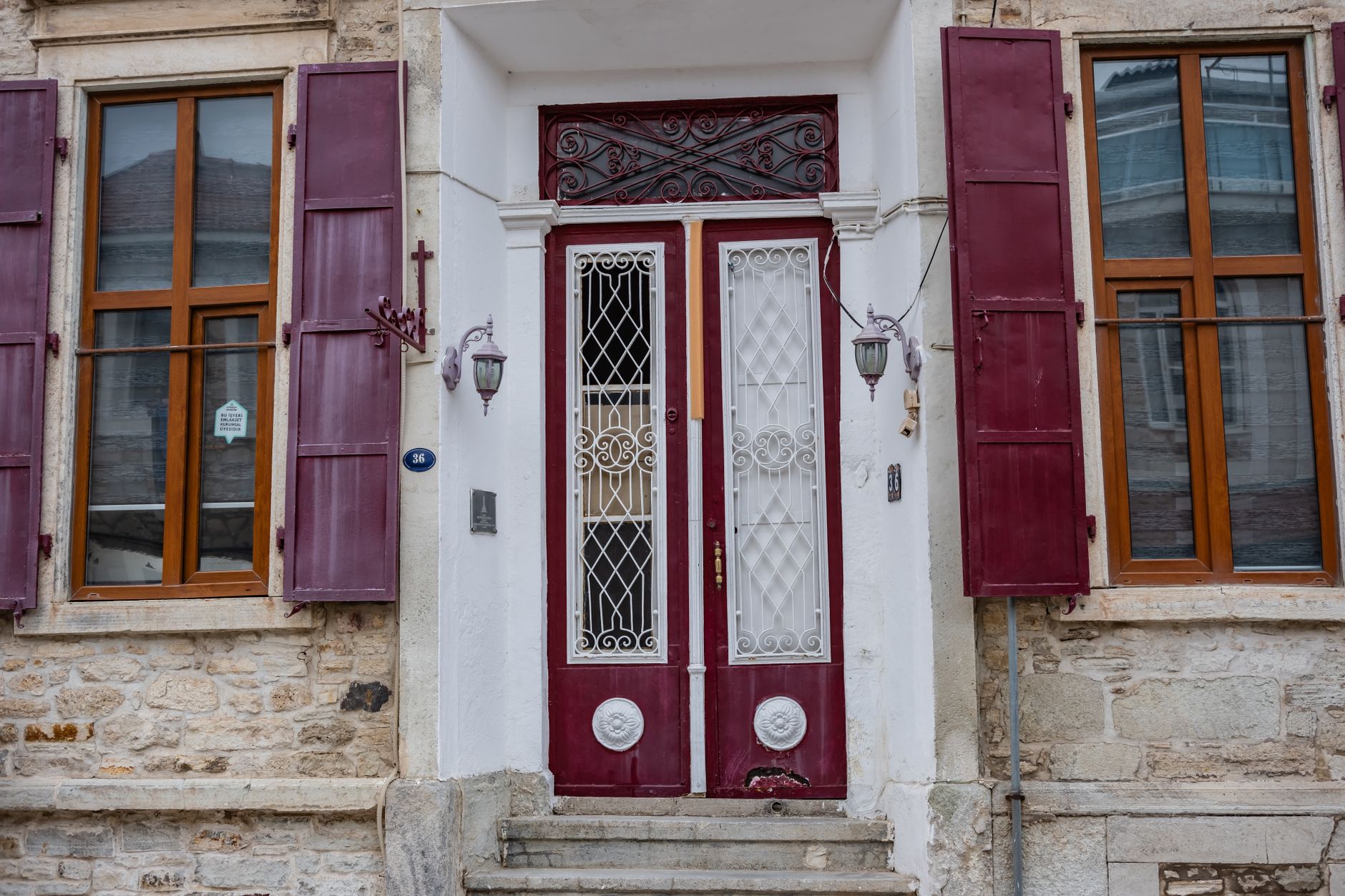
Alaçatı: Pastel Doors and Bougainvillea-Laced Lanes
Alaçatı, on the Aegean coast near Izmir, is perhaps Türkiye's most famous destination for door photography. The old Greek quarter is a labyrinth of whitewashed stone houses with brightly painted doors and shutters in shades of periwinkle, mint, and rose. Bougainvillea spills over walls, and the afternoon sun turns the lanes into a soft, glowing palette.
Start early in the morning to catch the light filtering through narrow streets, or come in late afternoon when the crowds thin and the colors deepen. The doors here are often set against smooth stone walls, making them perfect for minimal, graphic compositions. Look for numbers, brass knockers, and hand-painted details that add character.
While Alaçatı is popular, it's still easy to find quiet corners. Wander away from the main shopping streets and into residential alleys. Remember that these are people's homes: keep your voice down, don't block doorways, and always ask before photographing someone. A friendly merhaba (hello) opens more doors than any lens.
Tip: Midday sun can be harsh, so use it creatively — shoot into shadows for contrast or find a doorway that acts as a natural frame. A polarizing filter (or a quick edit) helps tame glare on painted surfaces.
Mardin: Honey-Stone Stairways and Mesopotamian Light
In southeastern Türkiye, Mardin rises from the plains in a cascade of honey-colored stone. The old city is a maze of stairways, arched passages, and terraces overlooking the Mesopotamian plain. Every turn reveals a new composition: a worn step leading to a carved door, a child running down an alley, a cat sunning itself on a ledge.
The light here is legendary. Golden hour bathes the stone in warm tones, while early morning brings soft, misty layers. Because Mardin is built on a slope, stairways often double as viewpoints, making them ideal for both portraits and landscapes. The famous kabaltı (arched passages) create natural frames and dramatic shadows.
Photography in Mardin requires extra sensitivity. It's a conservative region, so dress modestly and be discreet when shooting people, especially women. Always ask permission. Many locals are proud of their city and happy to point you toward a hidden staircase or a rooftop with a view — a conversation often leads to the best shot.
Ottoman Courtyards: Hidden Havens of Tile, Wood, and Green
Across Türkiye, from Istanbul to Gaziantep, Ottoman-era courtyards offer a serene escape from the street. These inner sanctuaries — found in historic mansions, mosques, and caravanserais — combine stone arches, wooden balconies, fruit trees, and a central fountain. They are masterpieces of light and shade, designed to stay cool in summer and warm in winter.
In Istanbul, visit the courtyards of the Süleymaniye Mosque or the lesser-known mosques of Fatih. In Safranbolu, the UNESCO-listed old town is full of restored Ottoman houses with cobbled courtyards and blooming gardens. Gaziantep's traditional houses, like the Emine Göğüş Mutfak Müzesi, showcase elegant stonework and colorful tiles.
Courtyards are often quiet and welcoming. Some are free to enter; others ask for a small donation or a tea purchase. Use the shade to your advantage: the contrast between sunlit walls and dark recesses creates depth. Look for repetitive patterns — arches, windows, tiles — and use them to lead the eye through your frame.
The Best Light for Doors, Stairs, and Courtyards
Light is everything in detail photography. The good news is that you don't need to be a pro to read it. Here's a simple guide:
- Golden hour (first hour after sunrise, last hour before sunset): Warm, soft, and directional. Perfect for bringing out texture in stone and wood. Shadows are long and gentle.
- Blue hour (just before sunrise and after sunset): Cool, even light that makes painted doors pop against deep blue skies. Great for moody, atmospheric shots.
- Overcast days: Nature's softbox. Colors are saturated and shadows are minimal — ideal for courtyards and busy scenes.
- Midday: Harsh and contrasty. Use it for graphic shadows and architectural abstracts, or find shade under awnings and arcades.
If you're shooting with a smartphone, tap to focus on the brightest part of the scene and adjust exposure manually. For cameras, Aperture Priority (f/5.6–f/8) gives you sharp details, while a slightly higher ISO helps in shaded courtyards.
Respectful Photography: How to Capture Beauty Without Intruding
Türkiye is incredibly welcoming, but remember that you're often photographing people's homes and daily lives. A few simple guidelines go a long way:
- Ask first. A smile and a gesture toward your camera are usually enough. If someone says no, thank them and move on.
- Don't block entrances or paths. Step aside for residents and deliveries.
- Be mindful of children. Never photograph minors without a parent's clear permission.
- Respect privacy. Avoid shooting through windows or into open doorways where people are visible.
- Support local businesses. Buy a tea, a postcard, or a small souvenir. It shows appreciation and often leads to friendly conversations.
Many Turks are genuinely proud of their photogenic streets and will happily share tips — the best time for light on a particular door, or a hidden courtyard you'd never find alone.
Practical Tips for Your Color Trail
Ready to plan your own photo journey? Here are a few practical pointers to make it smooth and rewarding:
- Travel light. A mirrorless camera or smartphone with a good lens is enough. Tripods are useful for blue hour but can be cumbersome in narrow lanes.
- Wear comfortable shoes. You'll be walking on uneven cobblestones and climbing many stairs.
- Learn a few Turkish phrases. Merhaba (hello), teşekkürler (thank you), and fotoğraf çekebilir miyim? (may I take a photo?) are golden.
- Check local customs. In more conservative areas, dress modestly and be extra cautious about photographing people.
- Back up your photos. Bring extra memory cards or use cloud storage — you'll shoot more than you expect.
Finally, slow down. The best images come when you linger: wait for a cat to walk through the frame, for a ray of light to hit a doorknob, for a resident to open a shutter. Türkiye rewards patience with scenes you'll treasure forever.
Your Color Trail Awaits
From the pastel doors of Alaçatı to the honey-stone stairways of Mardin and the tranquil courtyards of Istanbul, Türkiye's everyday beauty is a gift to any traveler with a camera. You don't need expensive gear or professional skills — just an eye for color, a respect for local life, and a willingness to wander. So pack your bags, charge your battery, and follow the trail. Every door, stair, and courtyard is a story waiting to be captured.
Thinking about a trip to Turkey?
Share your contact details and a vetted local expert will follow up with a plan built around you — free, no obligation.