

A Riviera That Doesn't Sleep
As the mercury drops across Europe, Türkiye's Mediterranean coast is quietly rewriting the winter travel rulebook. From Antalya's palm-lined boulevards to Alanya's cliffside fortress and Side's marble colonnades, the Turkish Riviera enjoys more than 300 days of sunshine a year, with winter daytime temperatures often reaching 16–20°C (61–68°F).
This is not a secret to locals, but increasingly it is a revelation to European travellers. Hotels that once closed in November now stay open year-round, and the region's famed hospitality – çay poured before you ask, shopkeepers who offer directions before you finish the question – is a constant regardless of the season.
Between November and March, the coast offers a rare blend: beach-walk weather, cultural depth without crowds, and prices that make summer rates look like a different era.
Antalya: Hadrian's Gate and Fresh Orange Juice
Antalya in winter is a city returned to its residents. The old town, Kaleiçi, is a labyrinth of Ottoman houses, boutique hotels, and courtyards where you can sip Turkish coffee in the sun without elbowing for a table. Hadrian's Gate, the Roman triumphal arch built in 130 AD, stands at the entrance to this quarter, and in January you can photograph it without a single stranger in the frame.
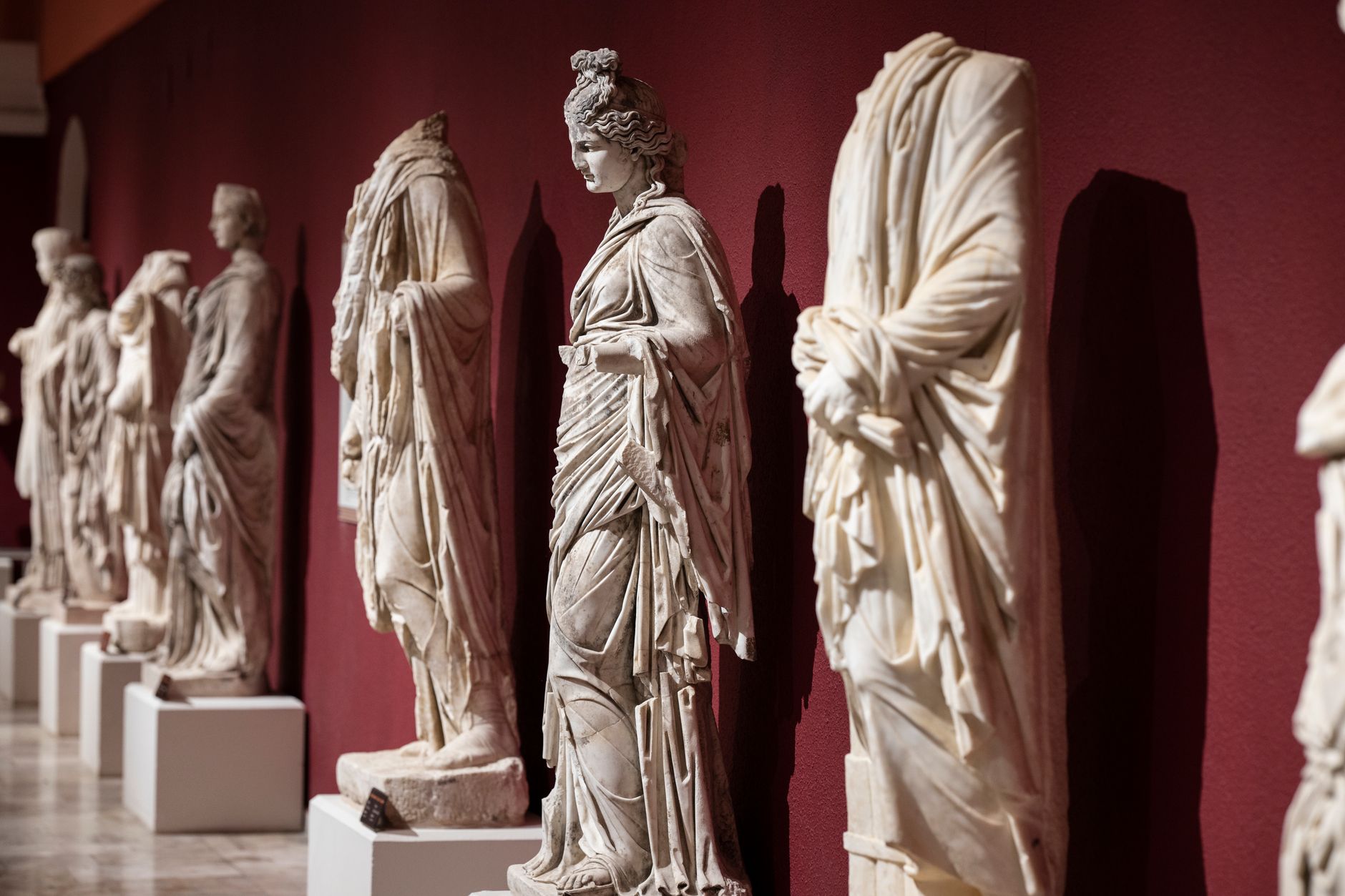
The Antalya Museum, home to one of Türkiye's finest collections of Roman statuary, is a perfect winter stop – indoors, peaceful, and rarely rushed. Down at the old harbour, fishing boats bob beside tour boats that now offer short winter cruises along the cliffs to the Düden Waterfalls.
And then there is the simple pleasure of a fresh orange juice squeezed while you wait, from fruit grown just outside the city. In winter, the citrus stalls are at their peak, and the juice tastes like bottled sunshine – a fitting metaphor for the whole season here.
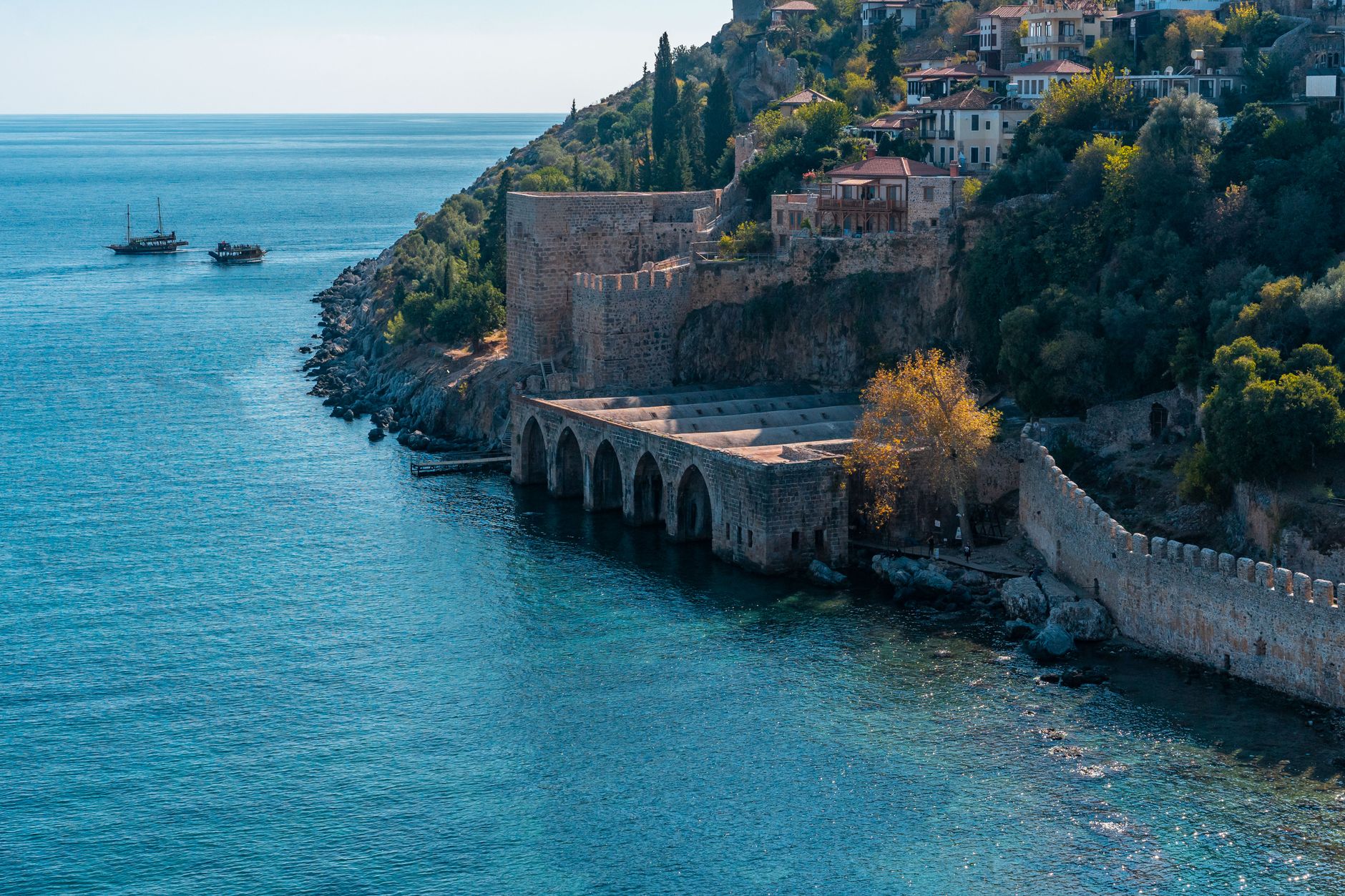
Alanya: Castle Views, Hammam Rituals, and Winter Golf
Alanya's Byzantine-era castle sits atop a rocky peninsula, and in winter the walk up is a genuinely pleasant hour – cool air, pine trees, and panoramic views over the harbour and the Red Tower. The castle's inner citadel and the nearby shipyard (tersane) are open daily, and the lack of summer queues means you can linger.
Below the castle, the Cleopatra Beach promenade is quiet enough for a morning jog or a slow stroll with a simit (sesame ring) in hand. The sea is too cool for most swimmers, but the brave – and the locals – still take a dip on sunny afternoons.
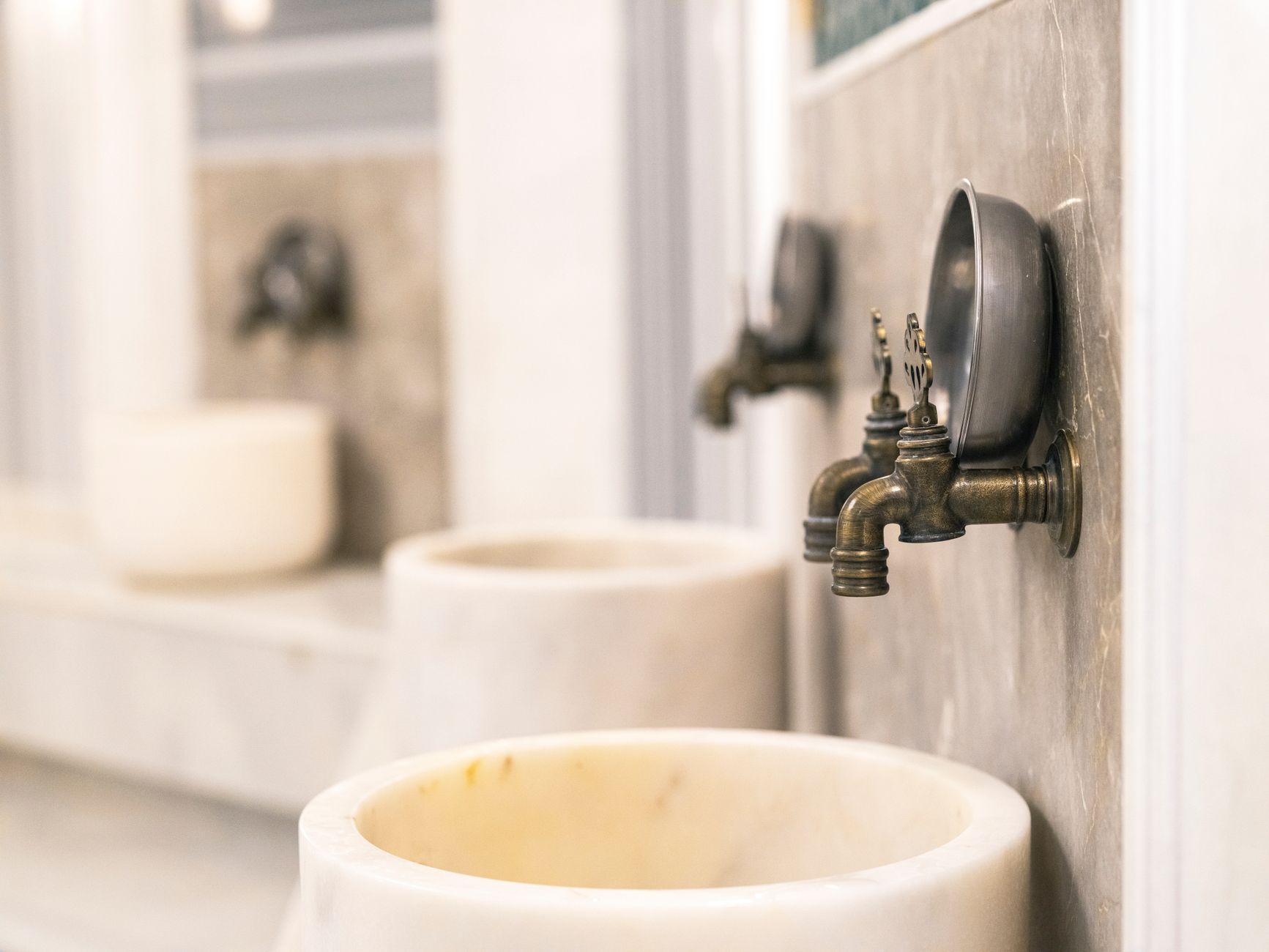
For a different kind of warmth, Alanya's historic hammams offer the full ritual: steam room, vigorous scrub with a kese mitt, olive-oil soap massage, and a glass of çay in the cooling room. A traditional hammam experience here costs a fraction of what you'd pay in a European spa – and many hotels now include a hammam in their winter packages.
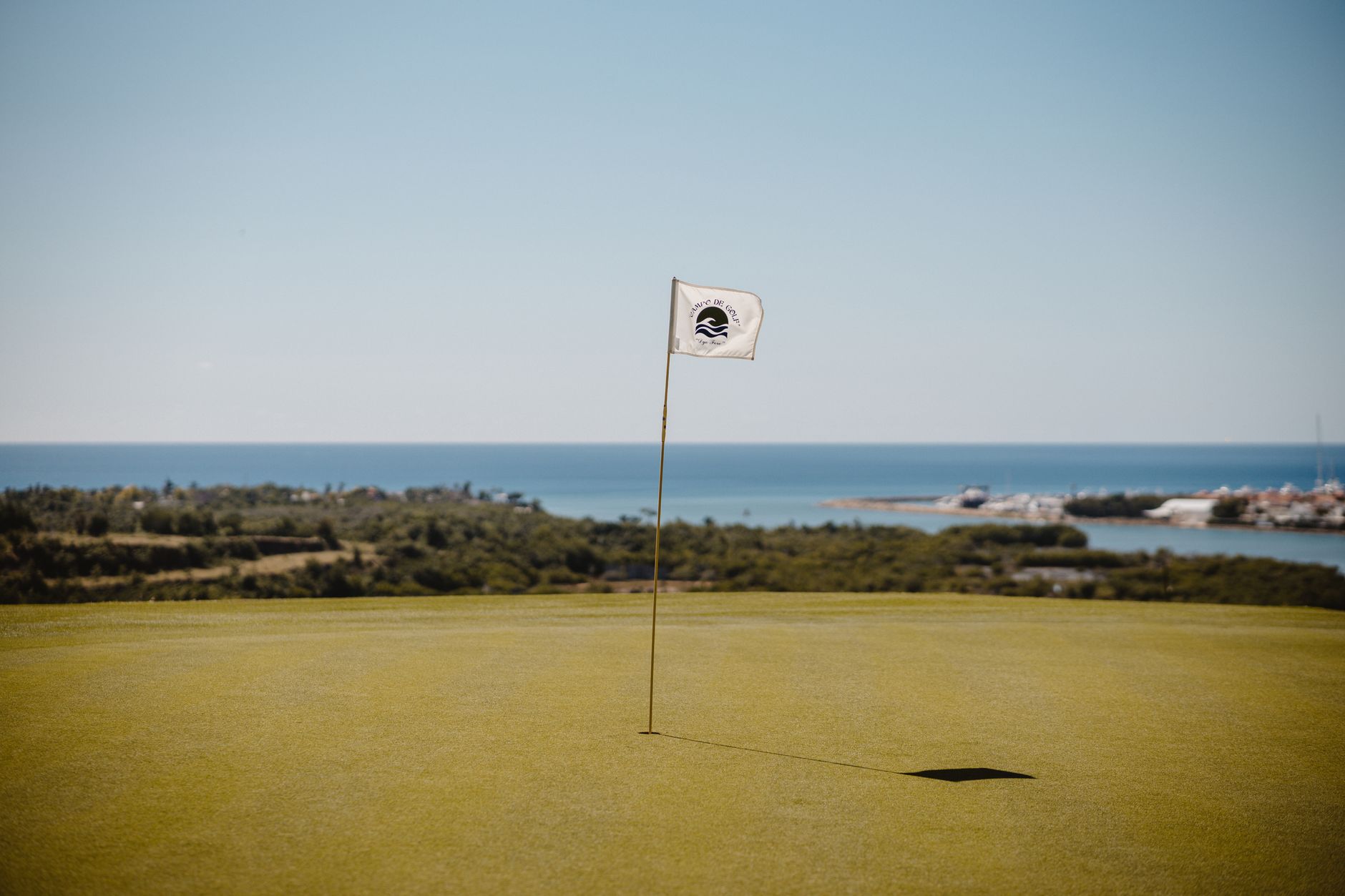
Golfers, meanwhile, are discovering the Belek and Antalya golf corridors, just an hour from Alanya. With courses designed by the likes of Nick Faldo and Colin Montgomerie, winter golf here means green fairways, blue skies, and tee times that aren't booked solid months in advance.
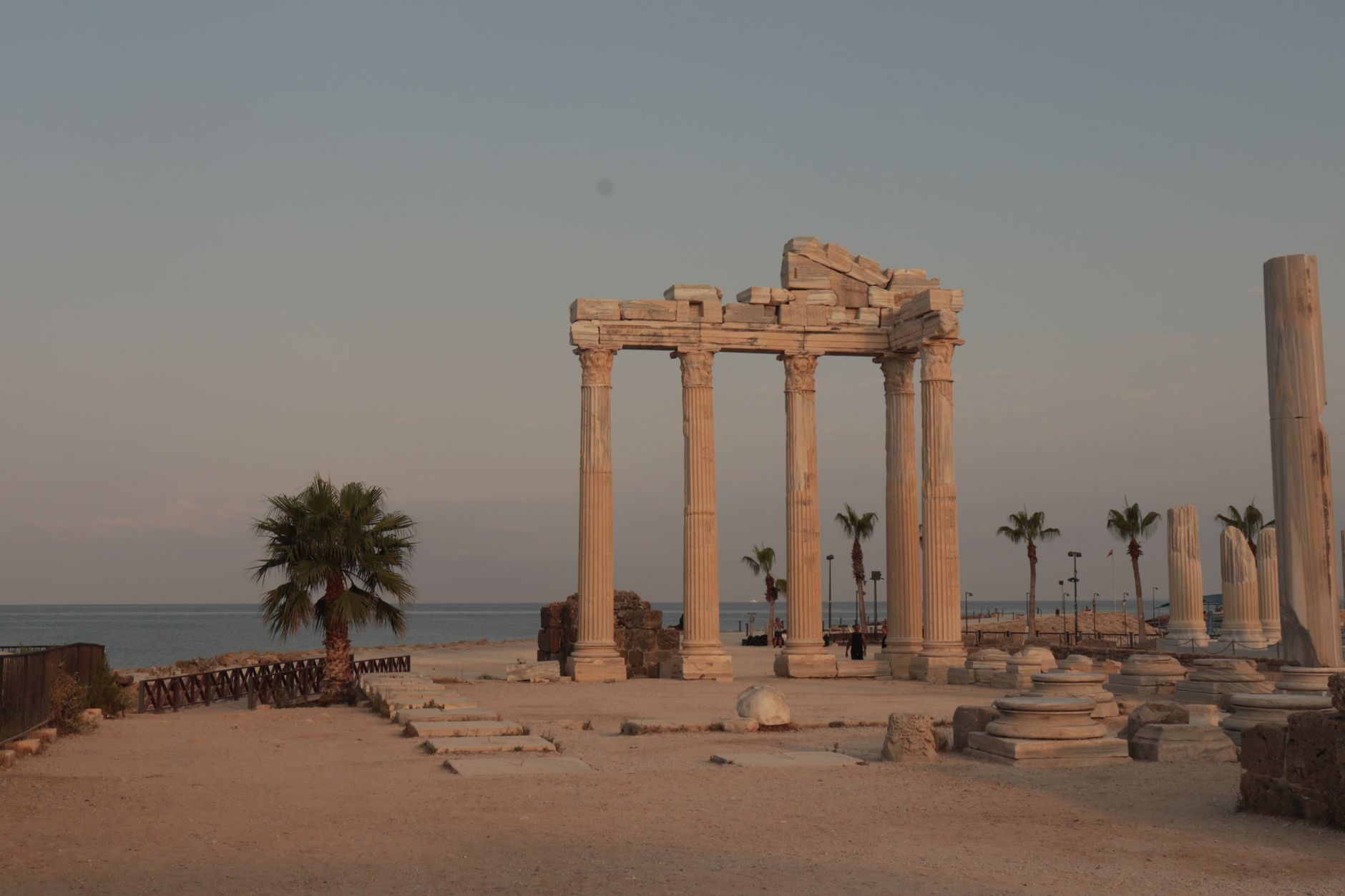
Side: Ancient Ruins Without the Crowds
Side is perhaps the most atmospheric winter stop on the coast. The Temple of Apollo, its columns silhouetted against the sea, is open year-round and free to visit. In summer, sunset here is a scrum of selfie sticks; in winter, you might share the moment with a handful of others.
The nearby theatre, once seating 15,000 spectators, and the Roman baths (now a museum) are similarly peaceful. Walking the marble streets of Side in February, with the wind off the sea and wildflowers already appearing in the cracks, feels like having a UNESCO site to yourself.
Side's cafés and restaurants remain open in winter, though some beach clubs close. The harbour-front fish restaurants still serve grilled sea bass and mezes, and the local pomegranate juice is a winter treat.
What's Open and What to Know
One of the most common winter travel myths is that the Turkish Riviera shuts down. In reality, most four- and five-star hotels in Antalya, Belek, and Side remain open, often with indoor pools, spas, and entertainment programmes. Smaller boutique hotels in Kaleiçi and Alanya's old town also operate year-round.
Ancient sites – including Aspendos, Perge, Termessos, and the Alanya Castle – follow winter opening hours (typically 8:30 am to 5:00 pm) and are rarely crowded. The Antalya Museum and Side Museum are open daily. Golf courses in Belek are in peak condition, with temperatures ideal for walking the course.
Hammams, both historic and hotel-based, operate as usual. Boat trips along the coast run on a reduced schedule but still depart on calm days. And the local markets – from Antalya's Kaleiçi flea market to Alanya's Friday bazaar – are lively, selling winter citrus, olives, and textiles.
Value, Weather, and the Warmth of Hospitality
Winter on the Turkish Riviera offers exceptional value. Hotel rates can be 40–60% lower than in July and August, flights are cheaper, and restaurant bills are gentler. A week in a four-star Antalya hotel with breakfast might cost less than a long weekend in a European capital.
The weather is mild, not hot: expect daytime highs of 16–20°C, cooler evenings, and occasional rain showers. Pack layers, a light jacket, and comfortable walking shoes. The sea temperature hovers around 17–18°C, which is bracing but not impossible for a quick swim.
Yet the real warmth of a Turkish winter is human. It's the hotel manager who remembers your name, the waiter who insists you try the local specialty, the hammam attendant who wraps you in a towel like family. Turkish hospitality is not seasonal – it's a year-round embrace, and winter is the season to feel it fully.
Thinking about a trip to Turkey?
Share your contact details and a vetted local expert will follow up with a plan built around you — free, no obligation.