

Why Türkiye's Aromatic Festivals Are a Must-Experience
Türkiye is a country where the seasons are celebrated with open arms, and few things capture the nation's vibrant spirit like its rose, thyme, and wildflower honey festivals. These events are not just about agriculture—they are joyful gatherings filled with music, dance, food, and the unmistakable scents of nature's bounty. From the rose fields of Isparta to the thyme-covered hills of the Aegean and the honey-producing plateaus of the Black Sea region, travelers can immerse themselves in traditions that have been passed down for generations.
What makes these festivals so special is their family-friendly atmosphere. Children run through fields, locals share stories over cups of tea, and visitors are welcomed as friends. Whether you're a foodie, a photographer, or simply someone who loves the idea of a fragrant escape, these celebrations offer a unique window into Türkiye's rural culture. And because they happen throughout the warmer months, you can easily plan a trip that aligns with your travel dates.
In this guide, we'll take you through the most delightful aromatic festivals in Türkiye, what to taste, what to bring home, and how to plan your journey around these blooming events. Get ready to follow your nose to some of the most beautiful corners of the country.
The Rose Festival in Isparta: A Sea of Pink and Petals
Every May and June, the province of Isparta in southwestern Türkiye transforms into a breathtaking sea of pink. Known as the "City of Roses," Isparta produces a significant portion of the world's rose oil, and its annual rose harvest is a time of celebration. The Isparta Rose Festival typically kicks off in late May and continues into early June, with the exact dates varying each year. Travelers should check local listings closer to the time, but generally, the festivities span a week or two.
During the festival, you can join guided tours of the rose fields, where you'll learn how roses are hand-picked at dawn to preserve their fragrance. Watch as locals distill rose oil and rose water using traditional methods, and don't miss the chance to taste rose-flavored delights like lokum (Turkish delight), ice cream, and even rose petal jam. The streets come alive with parades, folk dances, and concerts, making it a fantastic experience for all ages.
Beyond the official events, the surrounding villages offer a more intimate glimpse into rose farming life. Many families open their gardens to visitors, serving homemade rose tea and sharing stories of the harvest. It's a wonderful way to connect with the local culture and understand why roses are so deeply cherished here.
What to Taste and Bring Home from Isparta
While in Isparta, indulge in rose-scented Turkish delight, rose honey, and rose petal preserves. For a savory twist, try rose water added to certain meat dishes—a surprising but delicious local specialty. To bring home, consider purchasing pure rose oil, rose water, or artisanal soaps. These make fragrant souvenirs that capture the essence of the festival. Ensure you buy from reputable producers to guarantee authenticity and quality.
Thyme Festivals in the Aegean: Aromatic Hills and Herbal Traditions
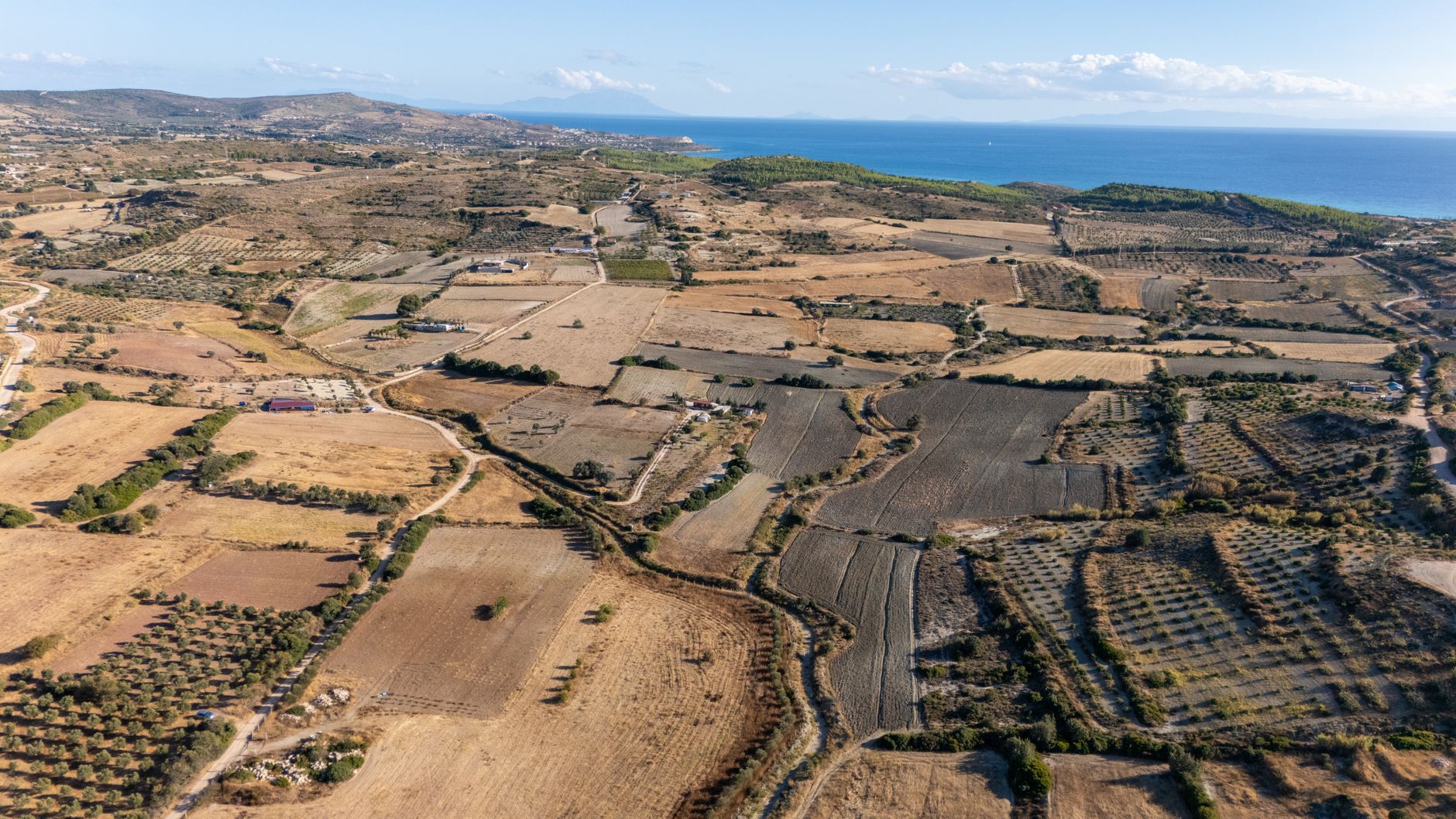
The Aegean region of Türkiye is famous for its wild thyme, which blankets the hillsides in a fragrant carpet. In towns like Bodrum, Çeşme, and Ayvalık, thyme festivals are held in late spring and early summer, usually in June. These festivals celebrate the herb's culinary and medicinal uses, as well as its role in local culture. The exact dates change annually, so it's best to consult local tourism websites or social media pages for updates.
A typical thyme festival includes workshops on herb drying and essential oil extraction, cooking demonstrations featuring thyme-infused dishes, and markets selling everything from thyme honey to thyme-scented candles. Families can enjoy nature walks through thyme fields, where the air is filled with a calming aroma. Children often participate in herb-gathering activities, making it an educational and fun outing.
The festivals also highlight the importance of sustainable harvesting. Locals take pride in protecting wild thyme populations, and visitors are encouraged to learn about responsible foraging. It's a great opportunity to appreciate how traditional knowledge and modern conservation go hand in hand.
What to Taste and Bring Home from the Aegean
Feast on dishes like grilled fish with thyme, thyme-infused olive oil, and fresh cheeses sprinkled with the herb. Thyme honey is a star product—drizzle it over yogurt or cheese for a simple, sublime treat. As souvenirs, pack dried thyme bundles, thyme essential oil, or thyme-based balms. These items are lightweight and carry the scent of the Aegean wherever you go.
Wildflower Honey Festivals: Sweet Celebrations Across Türkiye
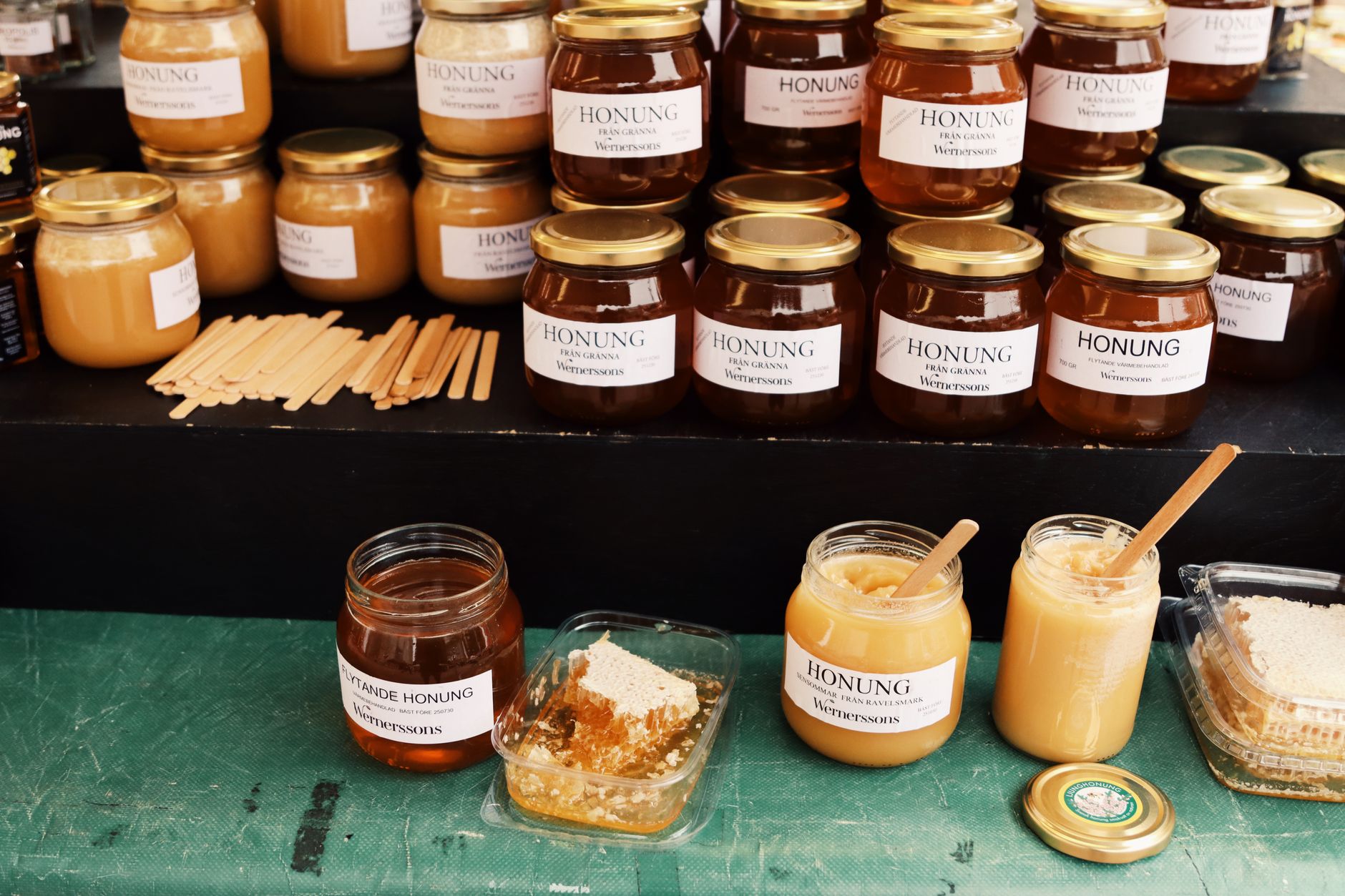
Honey is a cornerstone of Turkish cuisine and culture, and wildflower honey festivals pop up in various regions from late spring to early autumn. The Black Sea region, particularly around Ordu and Rize, is renowned for its high-quality honey, thanks to the area's rich flora. Festivals here often take place in July and August, celebrating the honey harvest with tastings, beekeeping demonstrations, and honey-themed bazaars.
In the Mediterranean, towns like Antalya and Muğla host honey festivals in conjunction with other harvest events. The exact dates vary by location, but most occur between June and September. These festivals are a hit with families—kids love learning about bees (from a safe distance) and sampling different honey varieties. You'll find honey paired with local cheeses, nuts, and fruits, creating a symphony of flavors.
One of the most charming aspects of these festivals is the emphasis on community. Beekeepers share their journeys, and visitors can often tour apiaries to see how honey is extracted. It's a sweet reminder of the vital role bees play in our ecosystem.
What to Taste and Bring Home from Honey Festivals
Sample honey varietals like pine honey, chestnut honey, and wildflower honey. Each has a distinct taste profile—pine honey is dark and malty, while wildflower honey is light and floral. Pair them with Turkish cheeses, kaymak (clotted cream), or fresh bread. For souvenirs, choose jars of raw honey, honeycomb, or honey-based products like propolis. Just be sure to check customs regulations before flying home.
Planning Your Trip Around Türkiye's Aromatic Festivals
To make the most of these fragrant celebrations, start by researching the approximate dates for the year you plan to travel. While exact dates can shift, most festivals occur during the following windows: Isparta Rose Festival in late May to early June; Aegean thyme festivals in June; and honey festivals from June to September across various regions. Once you have a rough timeline, you can build an itinerary that combines multiple events.
Türkiye's excellent transportation network makes it easy to hop between regions. Domestic flights connect major cities like Istanbul, Izmir, and Antalya, while buses and rental cars offer flexibility for exploring rural areas. Consider staying in boutique guesthouses or farm stays to fully immerse yourself in the local culture. Booking accommodations early is wise, especially during peak festival times.
When packing, bring comfortable walking shoes, a hat, and sunscreen for field visits. A reusable water bottle and a tote bag for souvenirs are also handy. Most importantly, come with an open mind and a willingness to engage with locals—they are often the highlight of the experience.
Tips for an Unforgettable Festival Experience
Arrive early to festivals to avoid crowds and get the best picks at markets. Learn a few Turkish phrases like "merhaba" (hello) and "teşekkür ederim" (thank you)—locals appreciate the effort. Always ask before taking photos of people, and respect any signage about not entering fields. If you're interested in buying products, look for official stalls or cooperatives to ensure quality.
For families, check if the festival has dedicated children's activities. Many do, from face painting to honey-tasting games. Keep an eye on little ones near beehives and distillation equipment. And don't forget to stay hydrated—festivals often take place under the warm Turkish sun.
Finally, be flexible. Festival schedules can change due to weather or other factors. Embrace the spontaneity—sometimes the best memories come from unplanned detours to a roadside honey stand or a chance encounter with a rose farmer.
Bringing Home the Essence of Türkiye
The aromatic bounty of Türkiye's festivals makes for meaningful souvenirs. Rose oil, thyme bundles, and honey jars are not just products—they are stories of the land and its people. When you use them at home, you'll be transported back to the fragrant fields and warm smiles of the festivals.
Before you buy, consider sustainability. Choose items that are ethically produced and packaged. Many cooperatives support local communities, so your purchase helps preserve traditional livelihoods. Also, check airline and customs rules for transporting liquids like oils and honey. Pack them securely in checked luggage to avoid spills.
As you leave Türkiye, you'll carry more than just souvenirs—you'll carry the scents of roses, thyme, and wildflowers, and the joy of celebrating nature's gifts with newfound friends. These festivals are a testament to Türkiye's rich cultural tapestry and its deep connection to the earth.
Thinking about a trip to Turkey?
Share your contact details and a vetted local expert will follow up with a plan built around you — free, no obligation.