

Introduction: A Nation That Sips by Season
In Türkiye, drinks are not just beverages—they are rituals, markers of time, and expressions of hospitality. The Turkish year unfolds in a delicious rhythm: as the first chill settles over Istanbul, street vendors begin steaming salep, and by the time summer's heat arrives, the same streets offer frosty glasses of limonata and ancient şerbet. This is a drink calendar shaped by climate, tradition, and an unshakable national pride.
Whether you're wandering the Grand Bazaar in January or lounging on the Aegean coast in July, what you sip will connect you to centuries of Turkish culture. This guide walks you through Türkiye's seasonal beverages, where to find the best versions, and how to order like a local—including what to expect in portion sizes and prices.
So grab a glass, pull up a chair, and let's toast to Türkiye's liquid traditions, one season at a time.
Çay: The Year-Round Constant
No discussion of Turkish drinks can begin without çay (tea). This amber elixir is consumed from morning to midnight, in every city, every season. Grown along the Black Sea coast—particularly in Rize—çay is brewed in a double teapot (çaydanlık) and served in tulip-shaped glasses that show off its color.
Ordering çay is simple: just say "bir çay, lütfen" (one tea, please). It arrives piping hot, often with sugar cubes on the saucer. In winter, it warms your hands; in summer, it's still consumed hot, a habit that baffles some visitors but delights locals.
Where to sip: Anywhere. But for atmosphere, head to Istanbul's Çorlulu Ali Paşa Medresesi near the Grand Bazaar—a former madrasa turned tea garden. In Ankara, try the historic Kızılay district; in Izmir, the Kordon waterfront. A glass costs 5–10 TL (about $0.25–0.50) in most places.
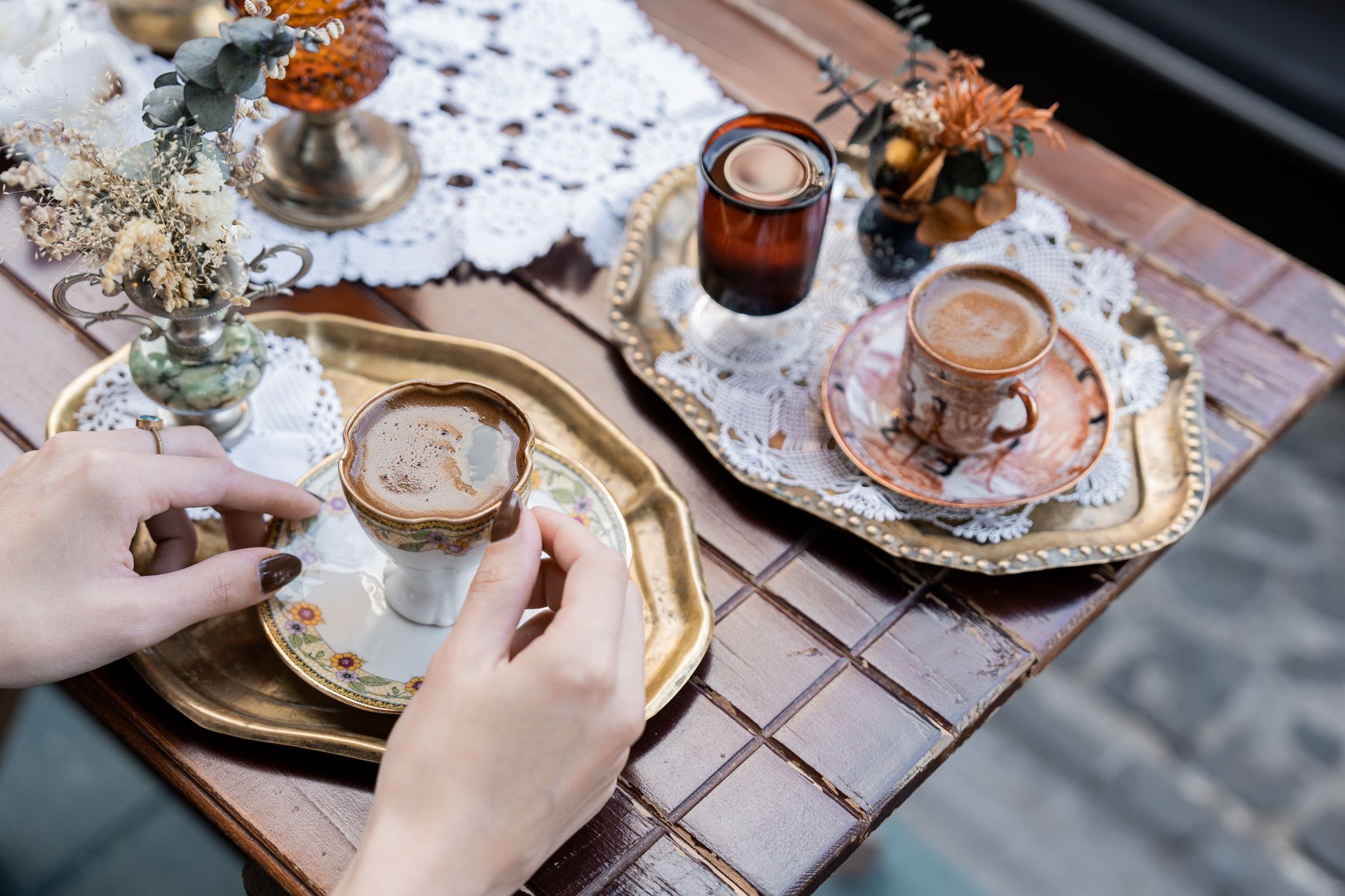
Winter Warmers: Salep, Boza, and Sahlep
When temperatures drop, Türkiye turns to creamy, spiced salep (often spelled sahlep). Made from orchid tubers, milk, sugar, and cinnamon, this thick, velvety drink is the quintessential winter treat. It's served hot in glass mugs, dusted with cinnamon, and often accompanied by a piece of simit or roasted chestnuts.
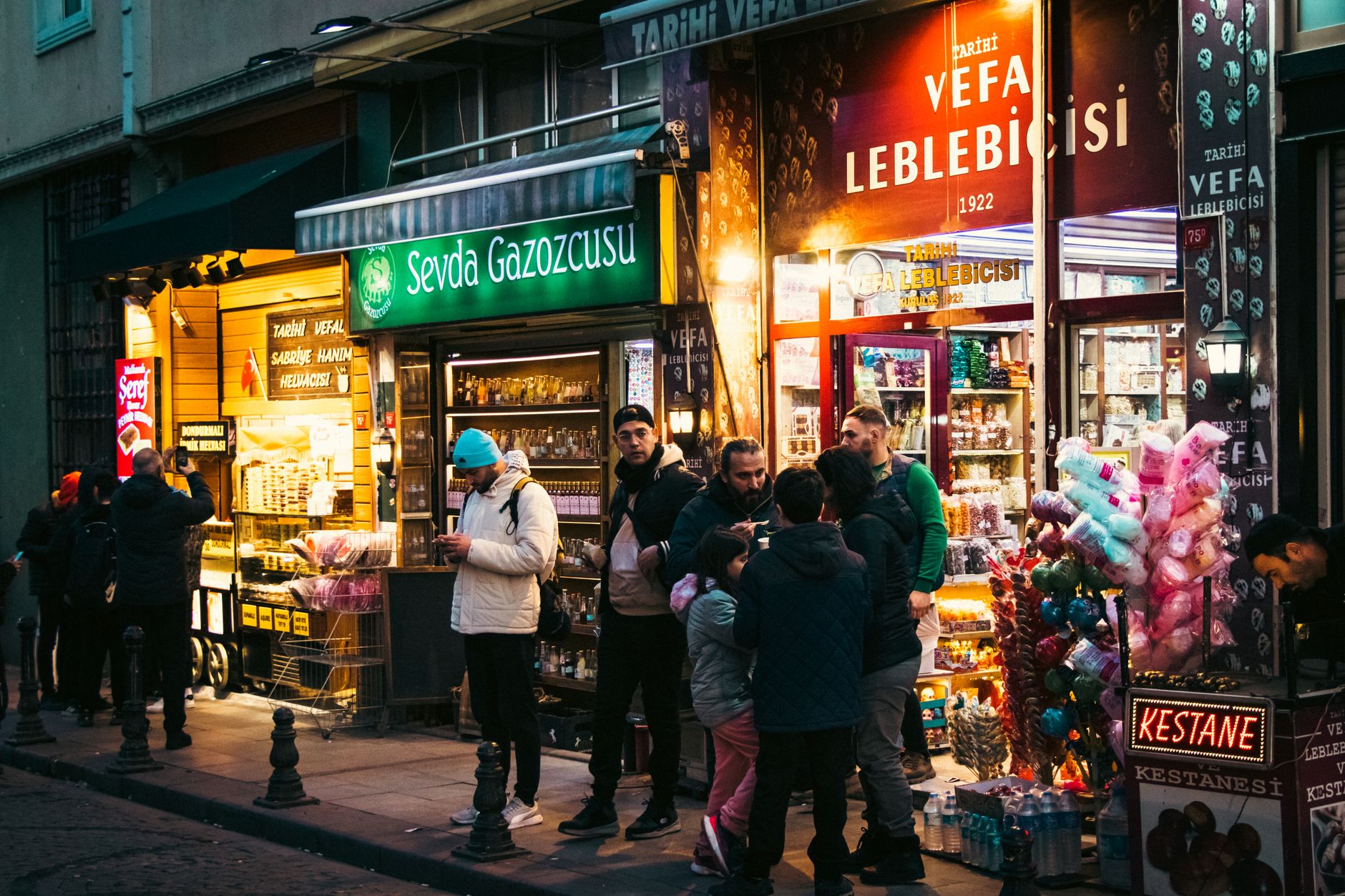
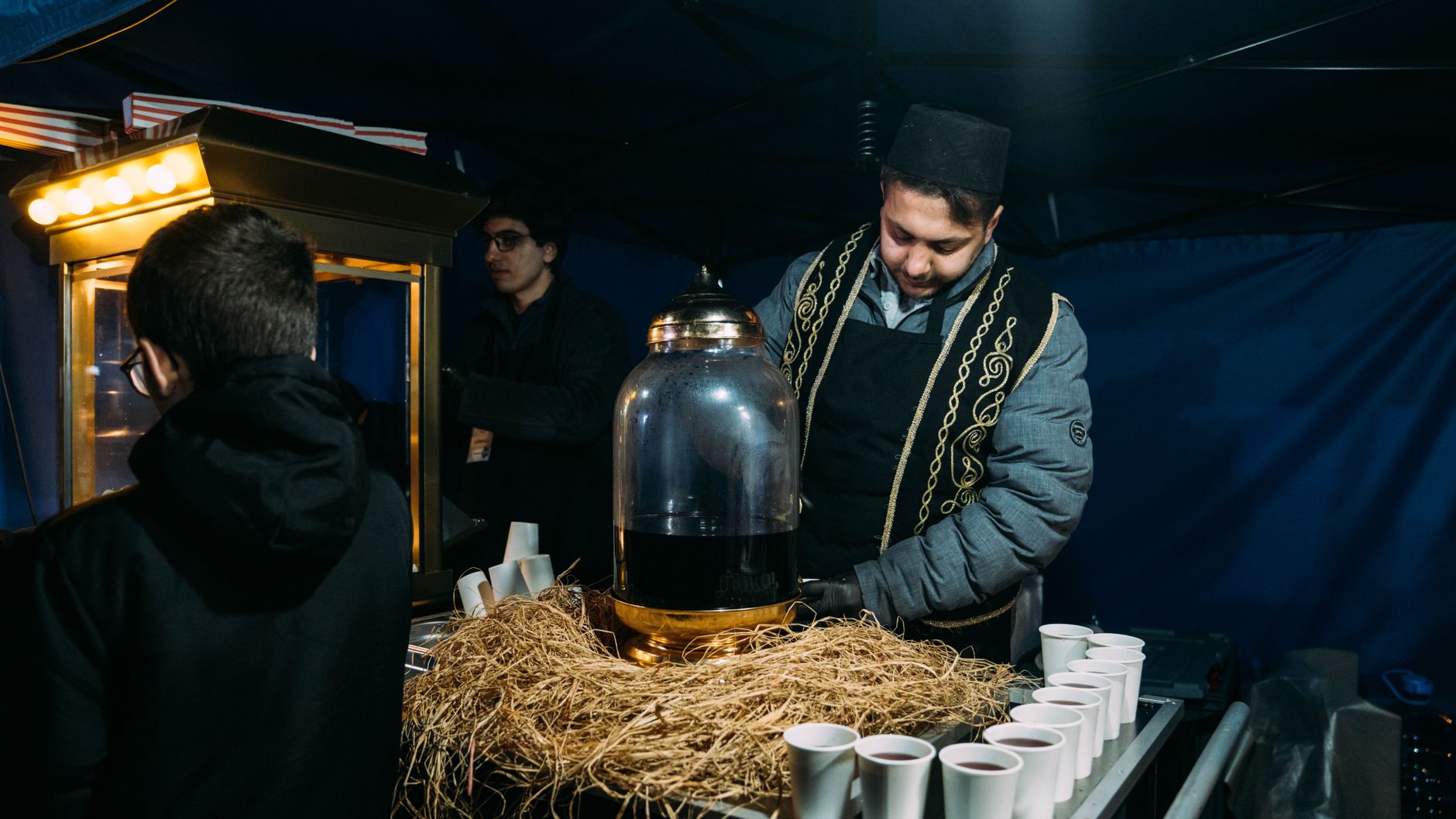
Another winter classic is boza, a fermented drink made from bulgur, millet, or maize. It has a slightly sour, malty flavor and a thick, pudding-like consistency. Boza is traditionally sold by street vendors—bozacı—who call out in the evening, especially in Istanbul's neighborhoods like Vefa, Beyoğlu, and Üsküdar. The most famous boza shop is Vefa Bozacısı, operating since 1876.
Where to sip: In Istanbul, Vefa Bozacısı (Fatih) is a pilgrimage for boza lovers. For salep, try Saray Muhallebicisi in Beyoğlu or any muhallebici (pudding shop). In Ankara, Ulus and Kızılay have cozy cafés. In Bursa, the Koza Han courtyard serves excellent salep in winter.
Prices: Salep 15–25 TL; boza 10–15 TL per glass. Boza is also sold in plastic bottles for home consumption.
Spring and Autumn: Şerbet, Şalgam, and Ayran
As the weather transitions, Turks enjoy refreshing and sometimes acquired tastes. Şerbet is a sweet, fruit- or flower-based drink with Ottoman roots. Varieties include demirhindi (tamarind), gül (rose), and menekşe (violet). It's often served at weddings and festive occasions, but you can find it in historic cafés and some restaurants.
Şalgam is a fermented turnip juice, tangy and slightly spicy, often paired with rakı or grilled meats. It's a staple in southern Türkiye, especially Adana and Mersin. Meanwhile, ayran—a yogurt-based drink—is the ultimate everyday refresher. It's served with almost every meal, especially with kebabs, and is a favorite in spring and autumn.
Where to sip: For şerbet, visit Sarayburnu or Eminönü in Istanbul, or the Kemeraltı Bazaar in Izmir. Şalgam is best in Adana's Kazancılar Çarşısı or any kebab house in Gaziantep. Ayran is ubiquitous—try it at Çiya Sofrası in Istanbul's Kadıköy or Adana Kebapçısı in Ankara.
Prices: Şerbet 10–20 TL; şalgam 5–10 TL; ayran 5–10 TL.
Summer Coolers: Limonata, Şıra, and Ice-Cold Çay
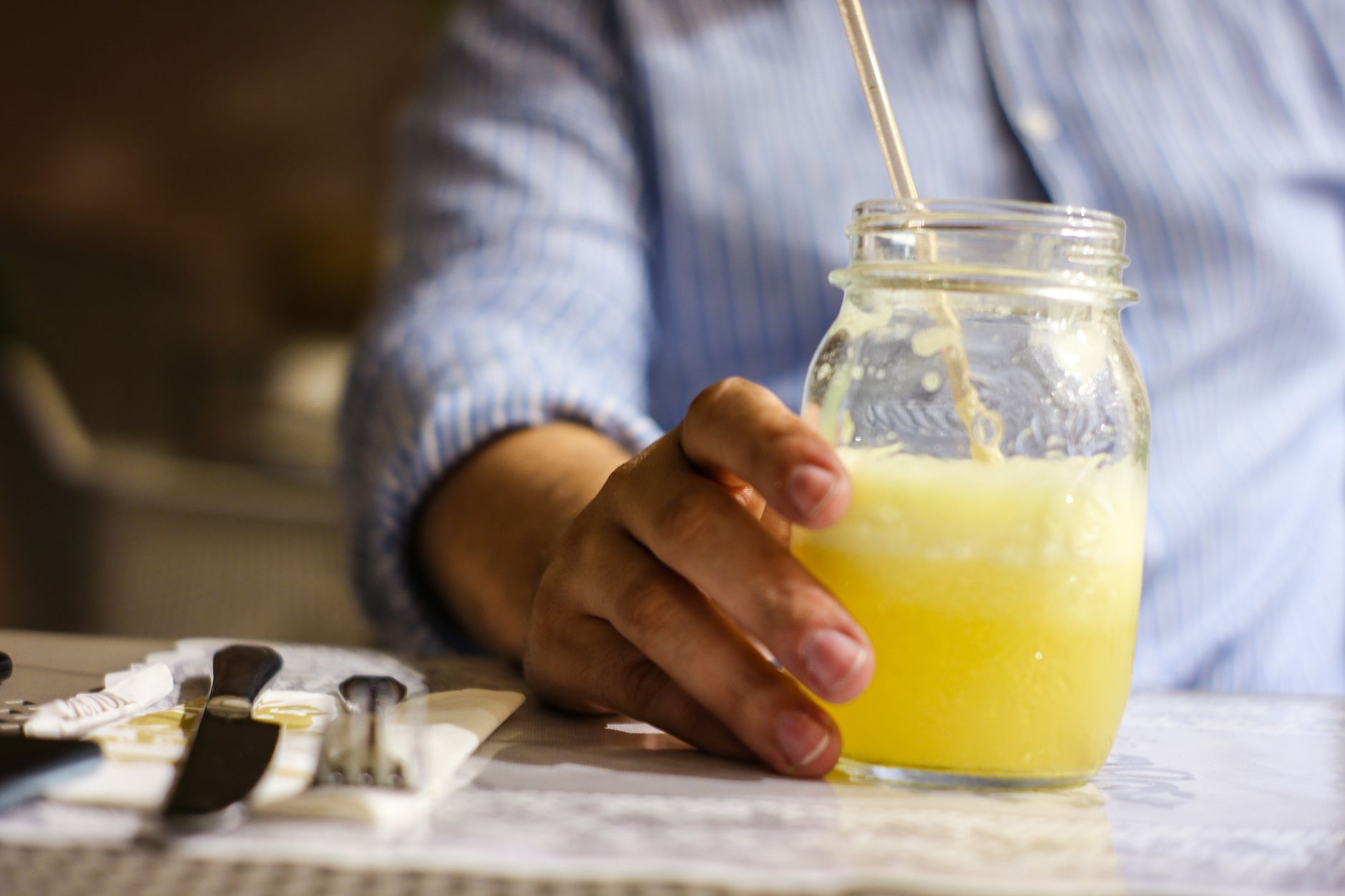
Turkish summers demand icy relief. Limonata is freshly squeezed lemonade, often with mint or a hint of orange blossom. It's sold from street carts and in cafés, and it's the perfect antidote to the midday sun.
Şıra is a fermented grape juice, slightly sweet and fizzy, popular in wine regions like Nevşehir and İzmir. It's a traditional drink during grape harvest and is also used in some regional cuisines.
Even çay gets a summer twist: soğuk çay (iced tea) is increasingly popular, though many purists still sip it hot. For a truly local experience, try menengiç kahvesi—a caffeine-free coffee made from wild pistachio, served cold in summer.
Where to sip: In Istanbul, Ortaköy and Bebek waterfront cafés serve excellent limonata. In Izmir, Alsancak is the place for şıra. In Antalya's Kaleiçi, find fresh limonata stands. For menengiç kahvesi, head to Gaziantep or Şanlıurfa.
Prices: Limonata 10–20 TL; şıra 8–15 TL; menengiç kahvesi 15–25 TL.
Practical Tips: Ordering, Portions, and Prices
Ordering drinks in Türkiye is easy, but a few phrases help: "Bir çay, lütfen" (one tea), "Bir ayran, lütfen" (one ayran), "Sıcak/Soğuk" (hot/cold). Portions are generally small—tea in tulip glasses, ayran in small tumblers—so don't hesitate to order a second round.
Prices vary by city and venue. In Istanbul's tourist areas, expect to pay double. In local neighborhood cafés (kahvehane), prices are lower. Tipping is not mandatory for drinks, but rounding up is appreciated.
Street vendors are safe and hygienic; boza and salep vendors are especially common in winter. Always check the freshness of şalgam and şıra—they should be refrigerated.
Regional Specialties and Where to Find Them
Türkiye's drink culture is deeply regional. In the southeast, menengiç kahvesi and mırra (bitter, cardamom-spiced coffee) reign. In the Black Sea region, kuşburnu (rosehip tea) is popular. The Aegean offers adaçayı (sage tea) and ıhlamur (linden).
For a deep dive, visit Gaziantep for its coffee and şerbet culture, Rize for tea gardens, Adana for şalgam, and Izmir for şıra and limonata. In Istanbul, the Eminönü and Kadıköy markets are treasure troves.
Wherever you go, embrace the ritual. Drinks in Türkiye are not rushed; they are savored, shared, and celebrated. Afiyet olsun!
Thinking about a trip to Turkey?
Share your contact details and a vetted local expert will follow up with a plan built around you — free, no obligation.