

Why Türkiye Is a Paradise for Secondhand Book Lovers
Türkiye has one of the oldest continuous reading cultures in the world, and that history shows up in its streets. Ottoman medreses, Armenian printing houses, Greek booksellers and Republican-era publishing all left layers of paper behind — and today those layers are stacked in the open air, in bazaars, courtyards and narrow lanes where a paperback costs less than a cup of specialty coffee.
For travelers, this is one of the great underrated pleasures of the country: a low-cost, high-joy afternoon that costs almost nothing and leaves you with a battered novel, a vintage map or a 1960s poetry collection as a souvenir. Unlike a museum, a secondhand book street invites you to touch, flip, haggle gently and linger.
This guide follows a reader's trail through the best of them — Istanbul's Beyazıt and Kadıköy, Ankara's Kızılay, Izmir's Kemeraltı, Bursa and Antalya — with practical tips on gentle haggling, hunting down English-language finds, and pairing every book stop with the right coffeehouse.
Sahaflar Çarşısı: Istanbul's Original Book Bazaar
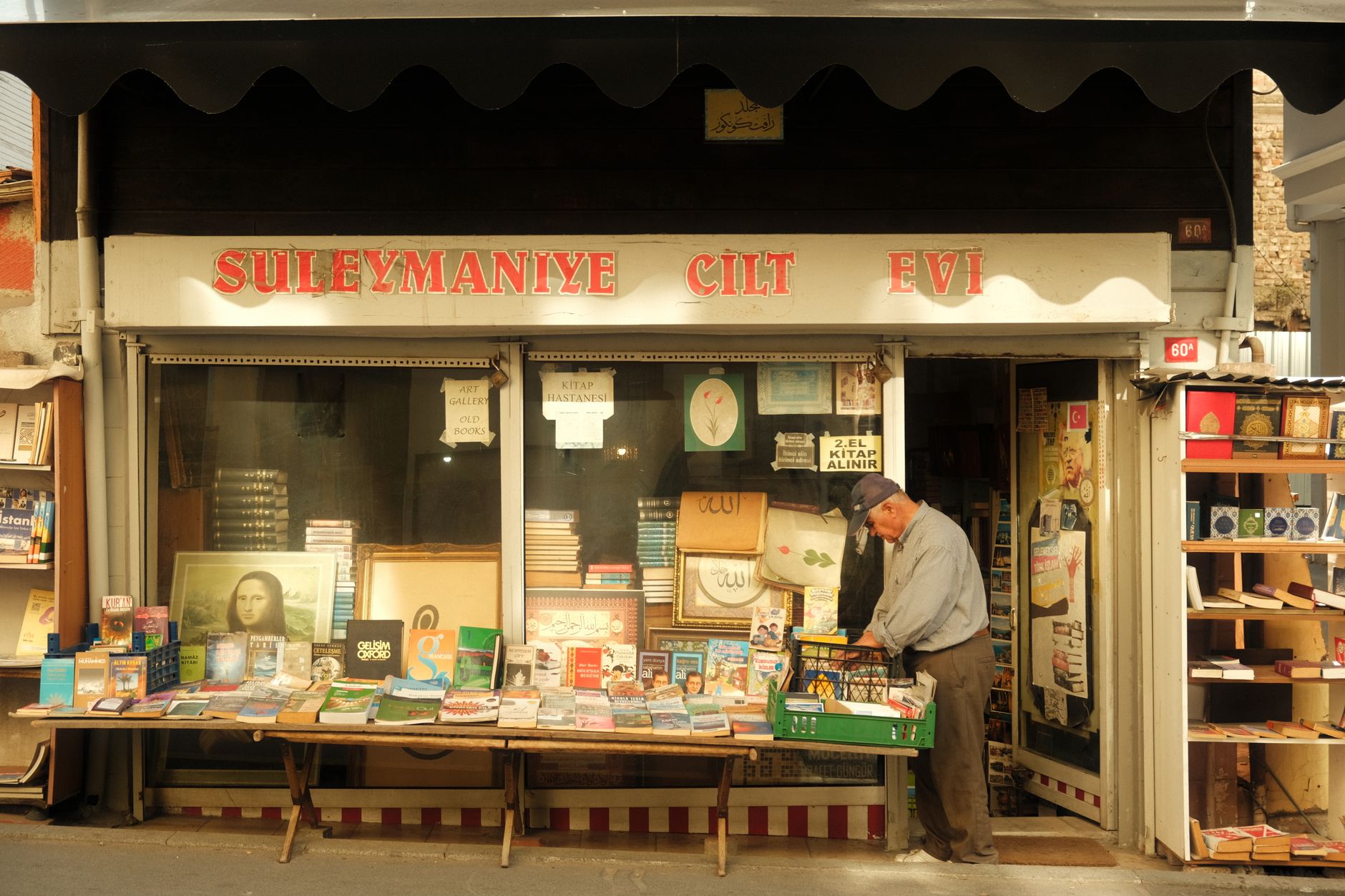
Start at the source. Tucked between Beyazıt Square and the Grand Bazaar, Sahaflar Çarşısı has been a book market since Byzantine times — it served the scholars of the surrounding medreses long before printing presses arrived. The courtyard you walk into today is small enough to cross in a minute and dense enough to lose an hour in.
The stalls here are stacked floor to ceiling: Ottoman Turkish in Arabic script, early Republican Latin-script editions, out-of-print history, Sufi classics, and piles of cheap paperbacks. Prices are modest, especially for anything modern. Vendors are used to browsers; many will ignore you happily until you ask a question, at which point they may pull down five more volumes you didn't know you wanted.
Come on a weekday morning if you want unhurried conversation. The light in the courtyard is beautiful around mid-morning, and a few stallholders speak enough English to talk about what they have. Even if you buy nothing, the atmosphere — cats on the poetry boxes, tea glasses on the counter, call to prayer drifting from Beyazıt Mosque — is worth the detour.
Beyazıt to Çemberlitaş: A Full Afternoon Loop
Turn Sahaflar into a half-day itinerary. Leave the courtyard and walk downhill toward Çemberlitaş, where a handful of secondhand shops cluster along the side streets. These are more commercial than the bazaar — better organized, slightly pricier — but they carry art books, photography monographs and academic remainders that rarely surface in the open stalls.
Then loop back through the Grand Bazaar's book and paper sellers. Several han (courtyard) shops specialize in old maps, Ottoman postcards and calligraphy supplies. If you are hunting for something specific — a 1970s travel guide, a Turkish-English dictionary from the 1980s — ask; stock rotates constantly and vendors will often check other shops for you.
Finish at a coffeehouse near Istanbul University. The lanes around Beyazıt are full of student cafés where a glass of çay costs coins and you can sit with your new purchase for as long as you like. This is the rhythm of the neighborhood: buy a book, read three pages, order another tea, repeat. Budget for the whole loop: less than the price of a museum ticket.
Kadıköy: Istanbul's Anatolian-Side Book District
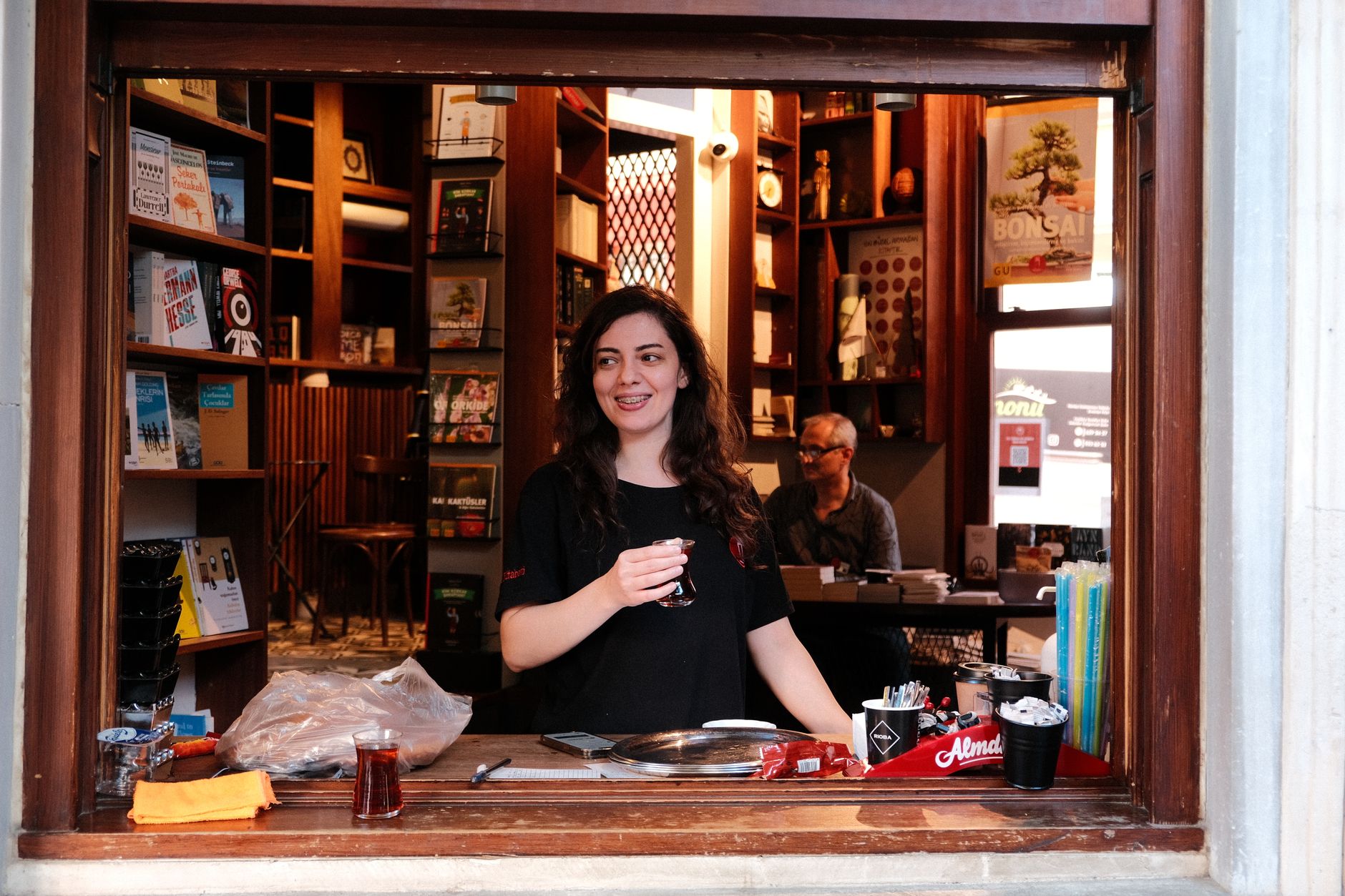
Cross the Bosphorus and the book scene changes character. Kadıköy's lanes around the fish market and the Akmar Pasajı are packed with secondhand bookshops, zine sellers, record stores and tiny publishers. It is younger, more political, more alternative than Beyazıt — and, for many readers, more fun.
Akmar Pasajı is the anchor: a multi-floor arcade where you can find Marxist classics, Turkish sci-fi, art journals and boxes of foreign-language books sold by the kilo. Around it, streets like Tellalzade and Pavlonya Caddesi hide shops with hand-written English signs offering "used books, cheap prices, good tea." Several owners deliberately stock English fiction for the expat and exchange-student crowd.
Kadıköy is also the best place in Istanbul for a coffeehouse pairing. Specialty roasters, third-wave cafés and old-school çay bahçesis sit within a few minutes of the bookshops. Buy a novel at Akmar, walk to a café overlooking the Marmara ferries, and read the first chapter while the light goes soft. This is the classic Kadıköy afternoon.
Izmir's Kemeraltı: Books Inside a Living Bazaar
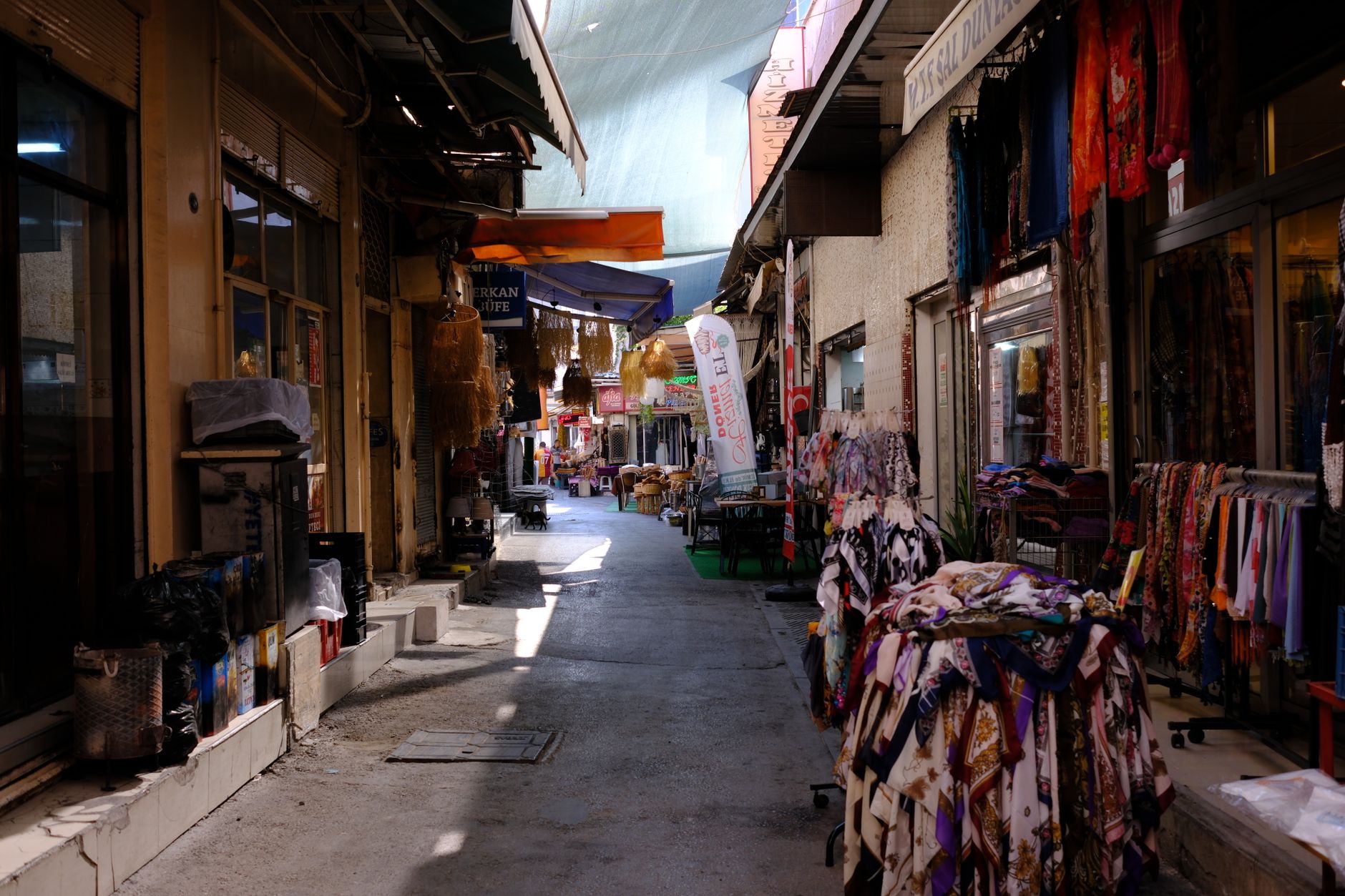
Izmir's Kemeraltı Bazaar is one of the largest open-air markets in the world, and its book section is woven right into the fabric — between spice stalls, hardware shops and coffee merchants. The result is less a dedicated book street than a book ecosystem you wander into.
The secondhand shops here lean toward Turkish-language fiction, school textbooks, old magazines and religious texts, with the occasional box of English paperbacks near the tourist lanes. Prices are among the lowest in the country. Vendors are chatty; expect to be offered tea within thirty seconds of showing real interest in a spine.
Pair Kemeraltı with the historic Kızlarağası Hanı, a restored caravanserai a few minutes away where you can drink Turkish coffee in a courtyard full of antiques and crafts. It is one of the most atmospheric coffee stops in Türkiye and a perfect place to start reading. Late morning to early afternoon is the sweet spot — the bazaar is busy but not yet overwhelming.
Ankara, Bursa and Beyond: Smaller Book Trails
Ankara rewards readers who look past the monuments. Kızılay and the streets around the old town hold several secondhand bookshops, and the capital's student population keeps demand — and turnover — high. You will find more academic and political material here than in Istanbul's tourist-facing shops.
Bursa's covered bazaars include modest book corners, and the city's older bookshops specialize in regional history. Antalya's old town has a few secondhand dealers mixed in with handicraft shops, useful if you are on the coast and need a beach read. In almost every Turkish city of any size, there is a street or passage where used books dominate — ask at a local café; someone will know it.
Outside Istanbul and Izmir, English-language stock thins out fast. If you specifically want English books, do your hunting in Beyazıt, Kadıköy and Kemeraltı, and treat the smaller cities as opportunities for Turkish-language finds, postcards and maps.
How to Haggle Gently (and When Not To)
Turkish book vendors generally price fairly, and haggling is a light social ritual rather than a battle. The polite approach is to gather several books, ask the total, and then respond with a mild smile and something like "İndirim yapabilir misiniz?" — "Can you make a discount?" A modest reduction on a bundle is normal; aggressive bargaining over a single cheap paperback can feel rude.
Useful phrases: "Ne kadar?" (How much?), "Çok pahalı" (Very expensive) — said with humor, never hostility — and "İngilizce kitabınız var mı?" (Do you have English books?). If a vendor quotes a price you like, pay it. Goodwill is worth more than a few lira, especially in shops where you plan to return.
Rule of thumb: haggle on bundles and on anything above the price of a coffee. Pay full price on very cheap items, and never haggle in a way that turns browsing into confrontation. The point of a book bazaar afternoon is joy, not victory.
Finding English-Language Gems
English stock exists but is scattered. The best bets are Kadıköy's Akmar Pasajı and nearby streets, Sahaflar Çarşısı's modern-paperback stalls, and the shops around Istanbul University. In Izmir, check the boxes at the edge of the tourist lanes in Kemeraltı. Hotel book exchanges and hostel shelves are another cheap source — often free, sometimes surprisingly good.
What you will realistically find: mid-century Penguin paperbacks, airport thrillers, literary fiction from the 1980s and 90s, guidebooks a decade out of date, and the occasional classic. What you will rarely find cheaply: recent bestsellers and academic English titles. Treat the hunt as part of the pleasure, not a shopping list.
One underrated category: English books about Türkiye — travel memoirs, history, archaeology — often turn up in secondhand shops near tourist areas. These make excellent, lightweight souvenirs that deepen the rest of your trip.
Pairing Books With Coffeehouses: The Perfect Afternoon
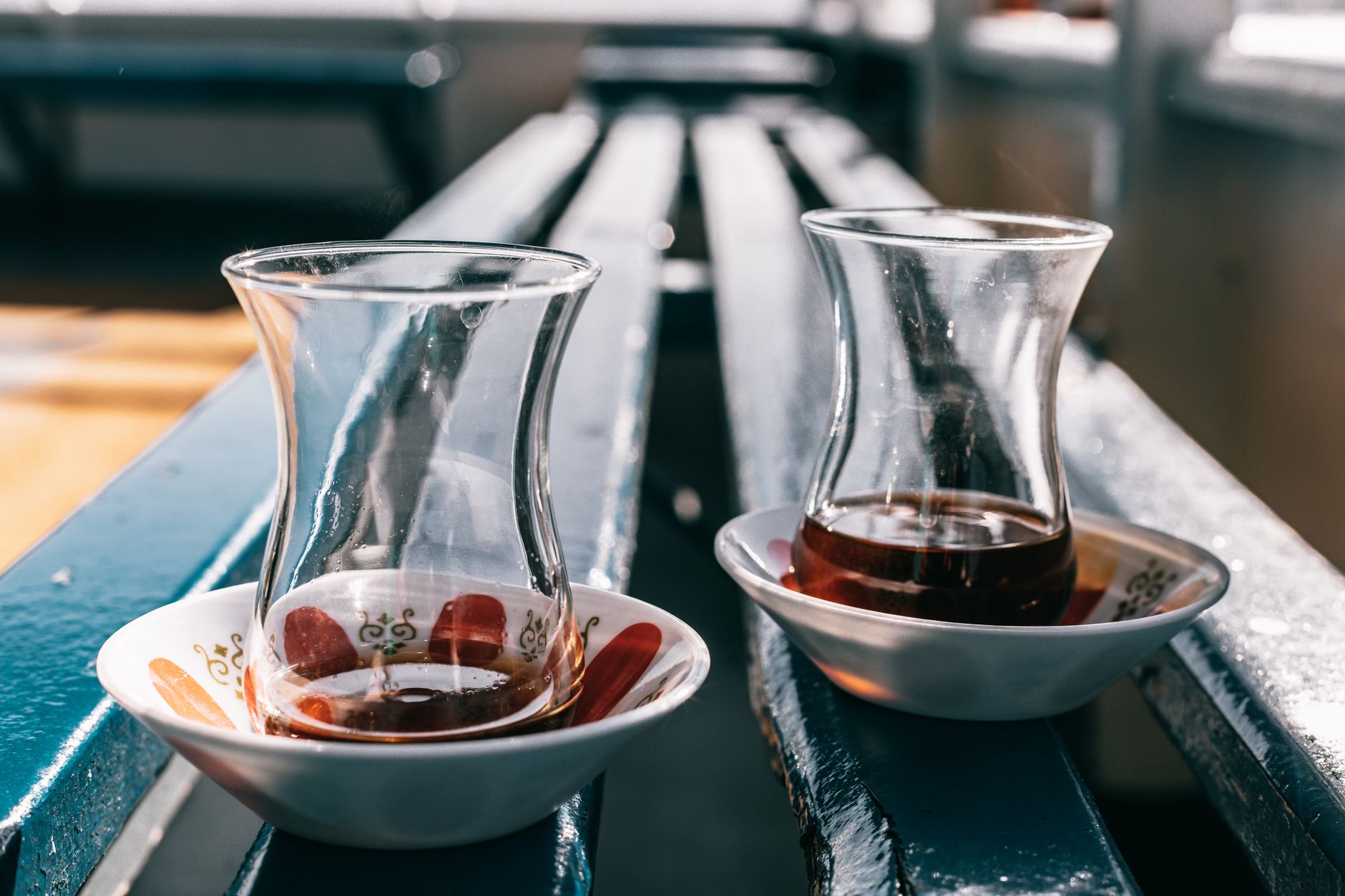
The Turkish book-buying ritual is inseparable from tea and coffee. In Sahaflar, vendors will hand you a çay while you browse. In Kadıköy, carry your find to a specialty café and read for an hour. In Kemeraltı, retreat to Kızlarağası Hanı for Turkish coffee in a caravanserai courtyard.
Aim for this shape to your afternoon: browse for 60–90 minutes, buy one or two books, then sit for at least an hour somewhere with a view or a courtyard. Order a second drink before you leave. This rhythm — hunt, buy, sit, read — is what makes the day feel generous rather than transactional.
Cost-wise, you can do the whole thing for the price of a sandwich: a couple of used books, two teas, one coffee. That is the quiet argument for book bazaars as travel: they are the cheapest way to spend an afternoon inside Turkish daily life, surrounded by locals doing exactly what you are doing.
Practical Tips for Your Reader's Trail
- Days and times: Weekday mornings are calmest; Saturday afternoons are liveliest but crowded. Many shops close on Sundays.
- Cash: Carry small lira notes. Cards are increasingly accepted but not universal in bazaars.
- Language: Learn a few phrases. "Sadece bakıyorum" — "I'm just looking" — buys you peaceful browsing time.
- Weight: Paperbacks are heavy. If you are flying, weigh your bag before you fall in love with a 900-page hardback.
- Etiquette: Ask before photographing stalls or vendors. Most will say yes; some prefer not to.
- Combining: Sahaflar pairs with the Grand Bazaar and Beyazıt Mosque; Kadıköy pairs with the ferry and the fish market; Kemeraltı pairs with Kızlarağası Hanı.
Pack a tote bag, wear comfortable shoes, and leave room in your luggage. Türkiye's secondhand book streets are not just shopping — they are a doorway into the country's reading life, and one of the warmest, cheapest cultural afternoons any traveler can have.
Thinking about a trip to Turkey?
Share your contact details and a vetted local expert will follow up with a plan built around you — free, no obligation.