

There is a stretch of Anatolia where the past is not behind glass. It is in the stone walls you can touch, the tea glass you are handed before you even ask, and the courtyard where a camel caravan once unloaded its silk, spices, and stories. This is the Seljuk Silk Road, and in Türkiye you can still drive it — stopping at caravanserais that have been restored not as museums alone, but sometimes as places to eat, drink tea, and even sleep.
Why Türkiye Is the Best Place on Earth to Drive the Silk Road
The Silk Road was never a single road. It was a web of routes linking China, Persia, the Levant, and Europe, and the Anatolian plateau was its great bridge. When the Seljuk Turks ruled here in the 12th and 13th centuries, they did something remarkable for a trading empire: they built a state-funded network of roadside inns, the kervansaray, spaced roughly a day's caravan journey apart — about 30 to 40 kilometers.
These were not rough shelters. They were fortified oases with massive portals, vaulted halls, stables for animals, rooms for merchants of every faith, mosques, baths, kitchens, and infirmaries. The Seljuk state guaranteed security and, according to surviving inscriptions, offered free food and lodging to travelers. A merchant could cross thousands of kilometers knowing that tonight there would be a bed, a meal, and a locked gate.
What makes Türkiye unique is that hundreds of these buildings survive — many in excellent condition, some still standing in open farmland where you can walk in alone at sunset and hear nothing but wind and swallows. Few countries offer such an intact, drivable chain of medieval hospitality infrastructure. You do not need a tour bus or a permit. You need a car, a map, and curiosity.
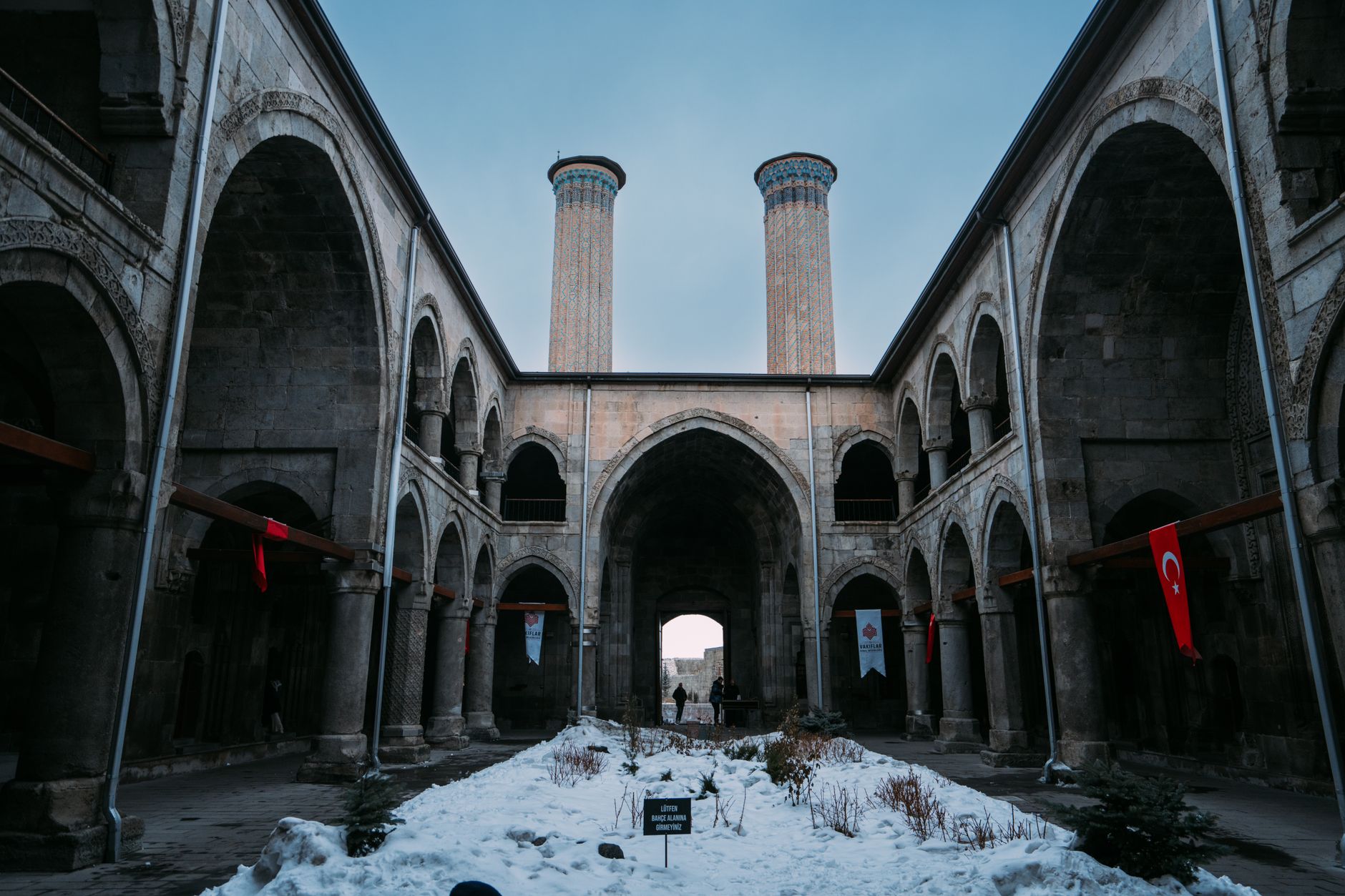
The Classic Route Logic: Konya, Aksaray, Kayseri
The most rewarding stretch for a self-drive trip runs across the central Anatolian plateau between Konya, Aksaray, and Kayseri. Each city is a Seljuk capital in its own right, and the road between them is dotted with caravanserais. The distances are short — Konya to Aksaray is about 145 kilometers, Aksaray to Kayseri about 130 — so you can drive the whole thing in a day and still stop everywhere.
I recommend basing yourself in Konya for two nights, Aksaray for one or two, and Kayseri for two. Konya is the spiritual heart of Seljuk Anatolia, home to the Mevlana Museum and the whirling dervish tradition. Aksaray sits beside the extraordinary Sultanhanı caravanserai and the stark beauty of Tuz Gölü, the salt lake. Kayseri, ancient Caesarea, was a major Seljuk trading city and remains a gateway to Cappadocia.
The logical driving order is Konya → Aksaray → Kayseri, following the D300 and D330 highways that roughly trace the medieval route. Drive west to east if you want the afternoon light on the caravanserai facades, or east to west if you prefer morning photography. Either way, plan on driving no more than two hours at a stretch, because every stop deserves an hour of wandering.
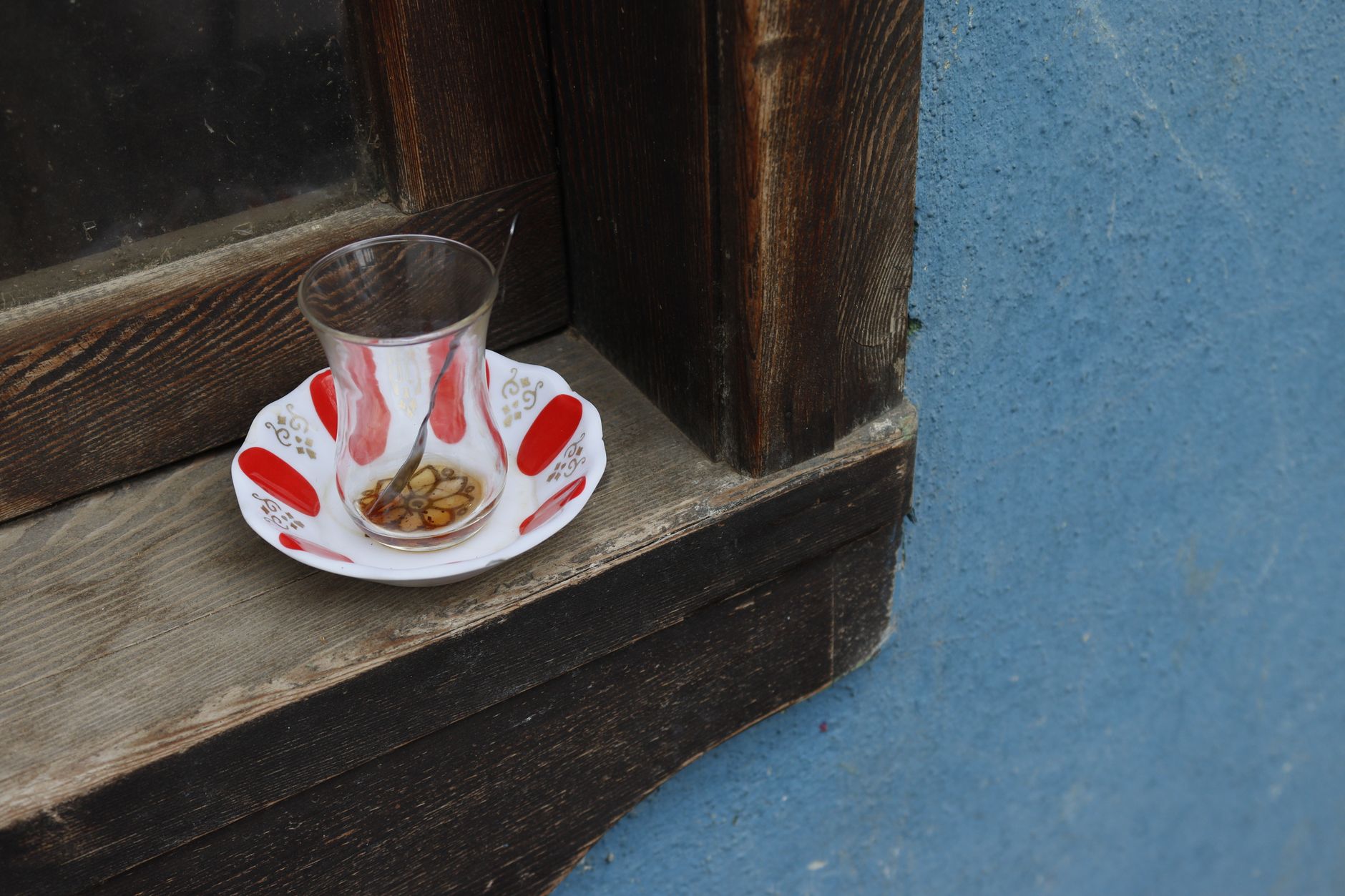
Caravanserais You Can Visit — and Sometimes Sleep In
Start with Sultanhanı Caravanserai, about 40 kilometers west of Aksaray on the Konya road. Built in 1229 by the Seljuk sultan Kayqubad I, it is the largest and most magnificent in Türkiye. Its carved crown portal, massive courtyard, and long vaulted stable hall are unforgettable. There is a small tea garden and a restaurant beside it, and in summer the courtyard hosts concerts and whirling dervish performances under the stars. You cannot sleep inside, but the nearby town of Sultanhanı has simple guesthouses.
An hour northeast of Aksaray, near the village of Tuzhisar, stands Ağzıkara Han, one of the most beautifully restored caravanserais in Anatolia. Its dark stone portal is covered in intricate geometry, and the interior halls feel almost untouched. There is a café and a small hotel attached, and some rooms allow guests to stay in a converted wing — a rare chance to sleep within the old walls.
Further east toward Kayseri, detour to Karatay Han near the village of Karadayı. Built in 1249, it is smaller and quieter, often completely empty. Its mosque, bath, and courtyard are intact, and local families sometimes picnic outside. For an overnight stay, the best-known option is Horozlu Han near Konya, which has been converted into a restaurant and event venue rather than a hotel, but the nearby Obruk Han on the Konya–Aksaray road has a simple guesthouse where you can sleep in a restored caravanserai room.
If you want the full experience, book ahead at Tuzhisar Caravanserai Hotel or ask at local tourist offices in Aksaray and Kayseri about restored inns with accommodation. Even where sleeping is not possible, most caravanserais are free or low-cost to enter, and they are rarely crowded outside midday tour hours.
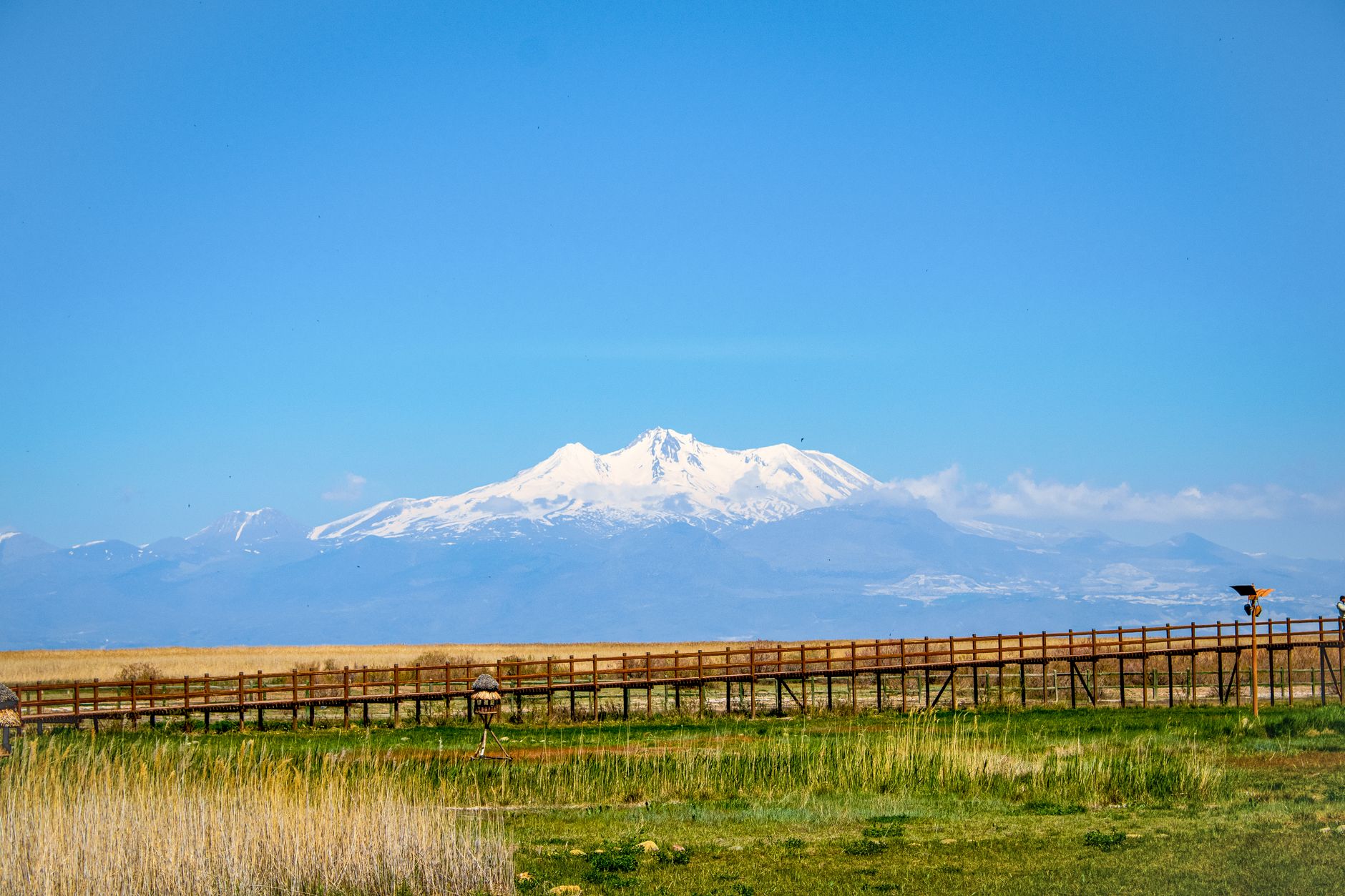
Photo Tips for Caravanserai Hunting
Caravanserais are made of pale cut stone, which means light is everything. The golden hour — the first hour after sunrise and the last before sunset — turns the facades honey-colored and throws long shadows across the courtyards. Aim to arrive at Sultanhanı by late afternoon and stay until the gate closes; the crowds thin and the light softens beautifully.
Bring a wide-angle lens for the courtyards and portals, and a telephoto for details: inscriptions, muqarnas carvings, and the way a single arched window frames the plateau beyond. A polarizing filter helps cut glare from the stone. Inside the vaulted halls, light is dim; a tripod or a camera with good low-light performance is useful, but be respectful of any worshippers or caretakers.
Do not overlook the human details. A caretaker pouring tea, a cat asleep on a stone step, a farmer walking a donkey past the portal — these are the photos that tell the story of a living Silk Road.
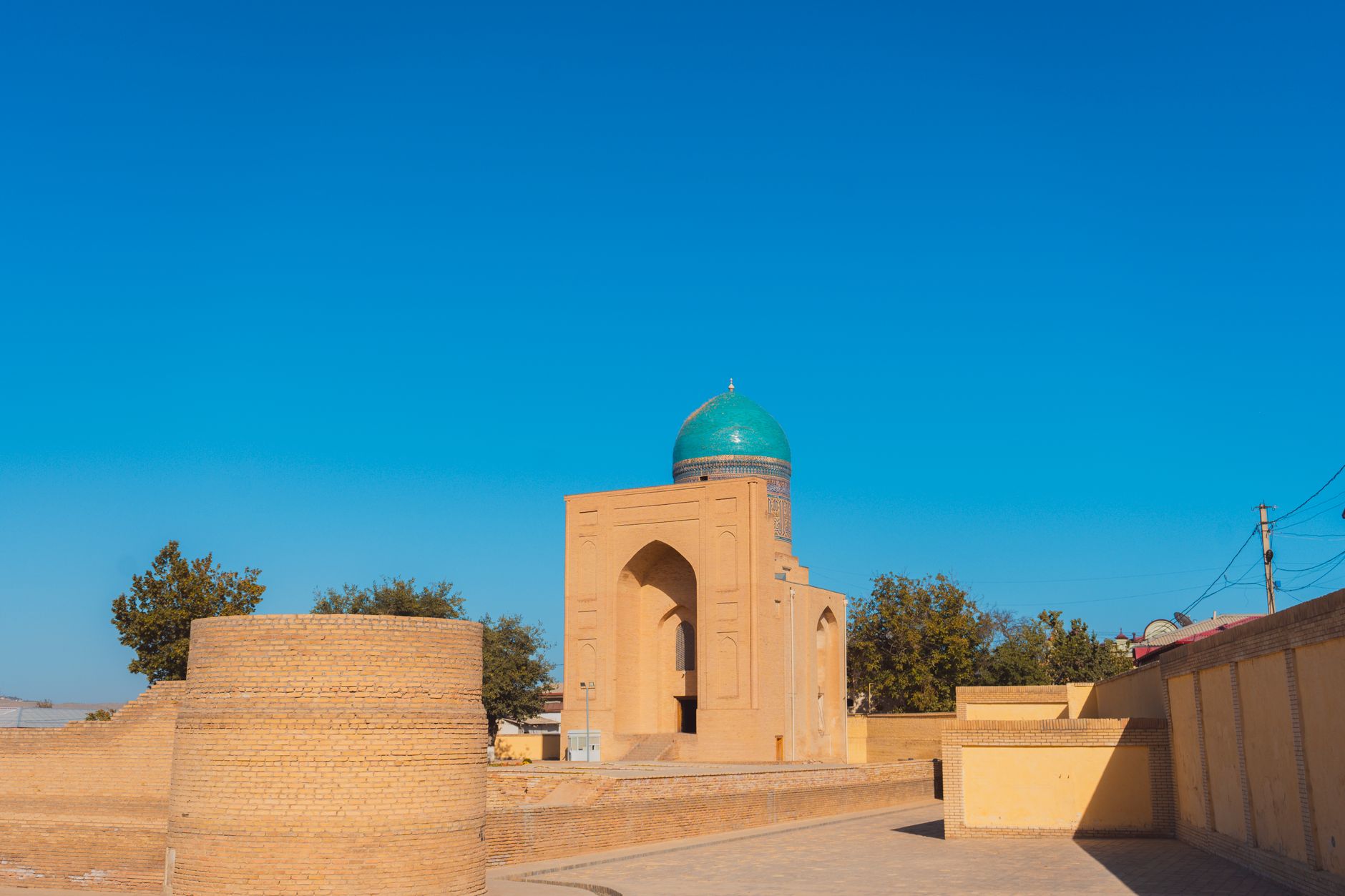
Tea Stops and Turkish Hospitality: The Caravanserai Legacy
The Seljuk caravanserai was founded on a principle that still runs deep in Turkish culture: no traveler should be turned away, and no guest should leave without being fed. That tradition is alive today. Pull over anywhere on the Konya–Aksaray road and within minutes someone will offer you çay — tea in a small tulip-shaped glass — usually with a sugar cube and a smile.
At Sultanhanı, the tea garden beside the caravanserai is a perfect introduction. Order a glass, sit on a plastic chair in the shade of the stone wall, and watch the road that has carried merchants for a thousand years. Near Ağzıkara Han, the café attached to the restored inn serves strong tea and simple snacks; the owner will often tell you stories about the building if you ask.
The hospitality extends beyond tea. In Aksaray and Kayseri, you will find restaurants serving Seljuk-era dishes like tirit (bread soaked in broth), mantı (tiny dumplings), and slow-cooked lamb. In Kayseri, try pastırma and sucuk, the cured meats that were once caravan provisions. In Konya, do not miss fırın kebab and the city's famous etli ekmek, a long flatbread topped with minced meat.
This is the real Silk Road experience: not just the stones, but the unbroken habit of welcoming strangers. When a farmer waves you down to offer grapes from his vineyard, or a gas station attendant insists you take a second glass of tea, you are experiencing the same ethic that built the caravanserais. It is Türkiye's greatest gift to the traveler.
Practical Driving Advice for the Seljuk Route
You will need a car — rental agencies are plentiful in Konya, Kayseri, and Nevşehir, and the roads are generally excellent. The D300 and D330 are wide, well-marked highways, though secondary roads to some caravanserais can be narrow and unsigned. A GPS app with offline maps is essential; signal can be spotty on the plateau.
Fuel up in cities rather than villages, and keep cash for small entrance fees and tea stops. Most caravanserais have no credit card facilities. Carry water, sunscreen, and a hat in summer; the plateau is high, dry, and unforgiving. In winter, snow can close roads, so check conditions before setting out.
Speed limits are enforced, and radar traps are common on the long straight stretches. Drive defensively; local drivers can be assertive. If you are not comfortable driving, consider hiring a private driver-guide for the caravanserai stretch — it is affordable and lets you fully enjoy the scenery.
"A caravanserai is a house of hospitality, open to all who travel. Its door is open from the day it is built until the end of time." — traditional Seljuk inscription
Driving the Seljuk Silk Road is not just a road trip. It is a chance to move at the pace of a camel caravan, to sleep where merchants slept, and to be welcomed as they were. Türkiye has preserved this heritage in a way few places on earth can match. Bring your camera, your appetite, and your curiosity — and let the old stone walls do the rest.
Thinking about a trip to Turkey?
Share your contact details and a vetted local expert will follow up with a plan built around you — free, no obligation.