

The Romance of the Sea: Why Ferries Are Türkiye's Best-Kept Travel Secret
There's a moment on every Turkish ferry when the city chaos fades into a gentle hum. The call to prayer echoes from a distant minaret, the gulls circle overhead, and a waiter in a white shirt balances a tray of tulip-shaped glasses filled with steaming çay. You're not rushing through a bus terminal or crammed into a minibus. You're gliding across the Bosphorus, the Marmara Sea, or the Aegean, watching the coastline unfold like a slowly turning page.
In a country obsessed with speed — high-speed trains, domestic flights, and motorways — the slow ferry remains a deliberate, almost nostalgic alternative. It's how Istanbulites commute, how islanders stock up on supplies, and how savvy travelers stitch together Türkiye's coasts without breaking the bank. For the price of a couple of simits, you can sail from Europe to Asia, from the bustle of Istanbul to the pine-scented Princes' Islands, or from the Aegean port of Kuşadası to the Greek island of Samos.
This guide is a love letter to the Turkish ferry. We'll explore the most scenic routes, share practical tips on schedules and fares, and dive into the onboard culture that makes every crossing feel like a mini-vacation. Forget the airport treadmill — the best way to see Türkiye is from the deck, with the wind in your hair and a glass of çay in your hand.
Istanbul's Ferry Network: The Princes' Islands and Beyond
Istanbul's ferries are not just transport; they're an integral part of the city's rhythm. The iconic Şehir Hatları (City Lines) ferries, with their yellow-and-white livery, have been crisscrossing the Bosphorus since 1851. The most beloved route for visitors is the journey to the Princes' Islands (Adalar) — a car-free archipelago where horse-drawn carriages and bicycles rule the roads.
Depart from Eminönü or Kabataş and sail past the Maiden's Tower, the grandiose Dolmabahçe Palace, and the verdant hills of the Asian side. The ferry stops at Kınalıada, Burgazada, Heybeliada, and finally Büyükada, the largest island. The full journey takes about 90 minutes, but you'll wish it were longer. Onboard, vendors sell simit (sesame-crusted bread rings) and glasses of çay, while families spread out picnics on the benches.
For a shorter taste of ferry life, take the commuter route from Eminönü to Kadıköy or Üsküdar. It's a 20-minute crossing that locals do daily, but for travelers, it's a mini-cruise with skyline views that rival any paid boat tour. The best part? It costs less than a cup of coffee. Check the Istanbulkart app for schedules — ferries run every 15–30 minutes from early morning until late evening.
The Marmara Islands: A Slow Hop from Istanbul to the Aegean
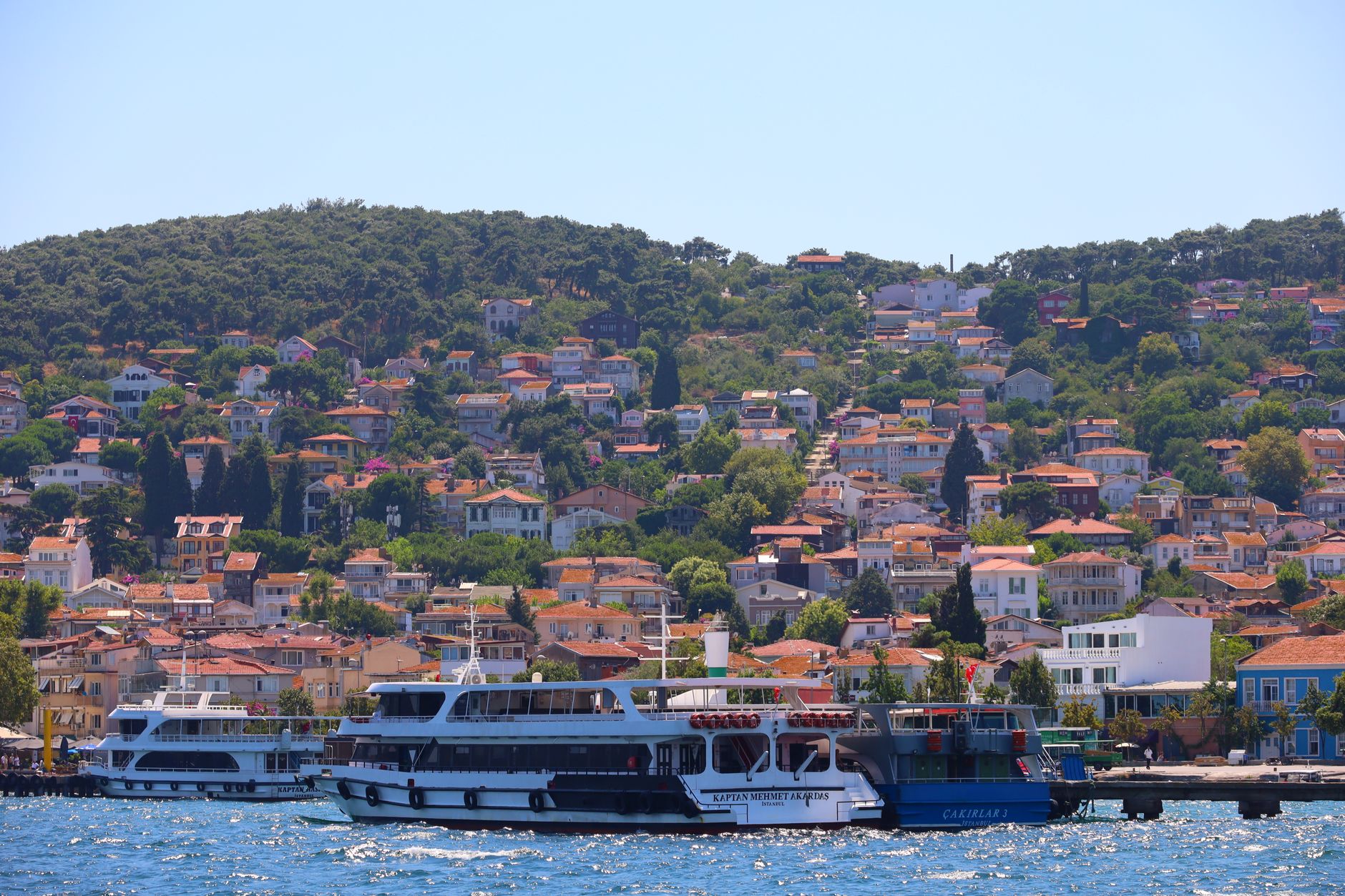
Beyond the Princes' Islands, the Sea of Marmara hides a string of lesser-known islands perfect for a slow itinerary. Avşa, Marmara, and Gündoğdu islands are reachable by ferry from Istanbul (Yenikapı) and Tekirdağ. These are not glitzy resorts; they're working islands where vineyards, olive groves, and fishing boats define the pace.
The ferry from Istanbul to Avşa takes about 4–5 hours, but it's a journey worth savoring. You'll sail past the Marmara Ereğlisi coastline, watch dolphins play in the wake, and arrive in time for a sunset swim. Fares are remarkably low — around 150–250 TL one-way — and you can bring your own bicycle for a small fee. During summer, additional ferries run from Tekirdağ and Erdek, making it easy to island-hop without a car.
For those heading further south, the ferry from Istanbul to Bandırma is a gateway to the Aegean. From Bandırma, you can catch a bus to İzmir, Çanakkale, or the charming seaside town of Ayvalık. The ferry crossing itself takes about 2 hours and offers a peaceful alternative to the long drive around the bay. Onboard, you'll find a cafeteria serving toasted sandwiches, strong tea, and sometimes even live music on weekends.
Aegean Ferries: From Kuşadası to Bodrum and the Greek Islands
The Aegean coast is where Turkish ferry travel truly shines. The route from Kuşadası to the Greek island of Samos is a favorite among travelers combining Türkiye with the Greek Isles. The journey takes just 1.5 hours, and in summer, there are multiple daily departures. Fares start at around €30 one-way, and you'll need your passport for border formalities, which are handled efficiently at the port.
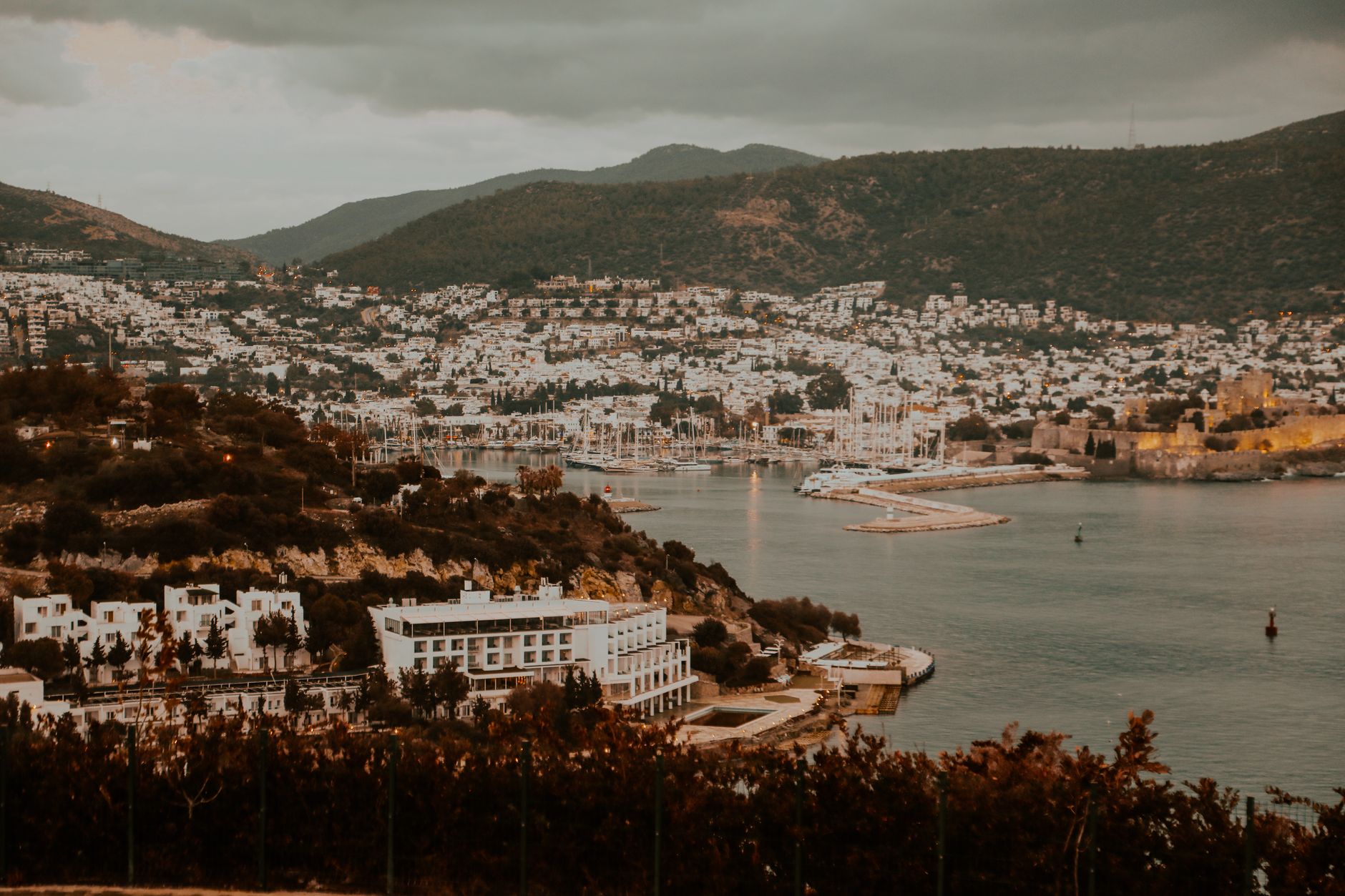
For domestic Aegean hopping, consider the ferry from Bodrum to Datça. This route winds through the Gulf of Gökova, passing hidden coves and rugged peninsulas. The ferry takes about 2 hours and is a scenic alternative to the winding coastal road. Another gem is the Çeşme to Chios (Sakız) ferry, a short 30-minute hop that feels like stepping into another world. Chios is famous for its mastic gum, and the ferry ride is so short you'll barely finish your çay before docking.
In recent years, Türkiye has invested in modernizing its ferry fleet, with comfortable seats, outdoor decks, and reliable schedules. Companies like İDO, BUDO, and Dentur Avrasya operate most routes, and you can book tickets online or at the port. During peak season (July–August), book at least a few days in advance, especially for international routes.
Onboard Çay Culture: The Heart of the Ferry Experience
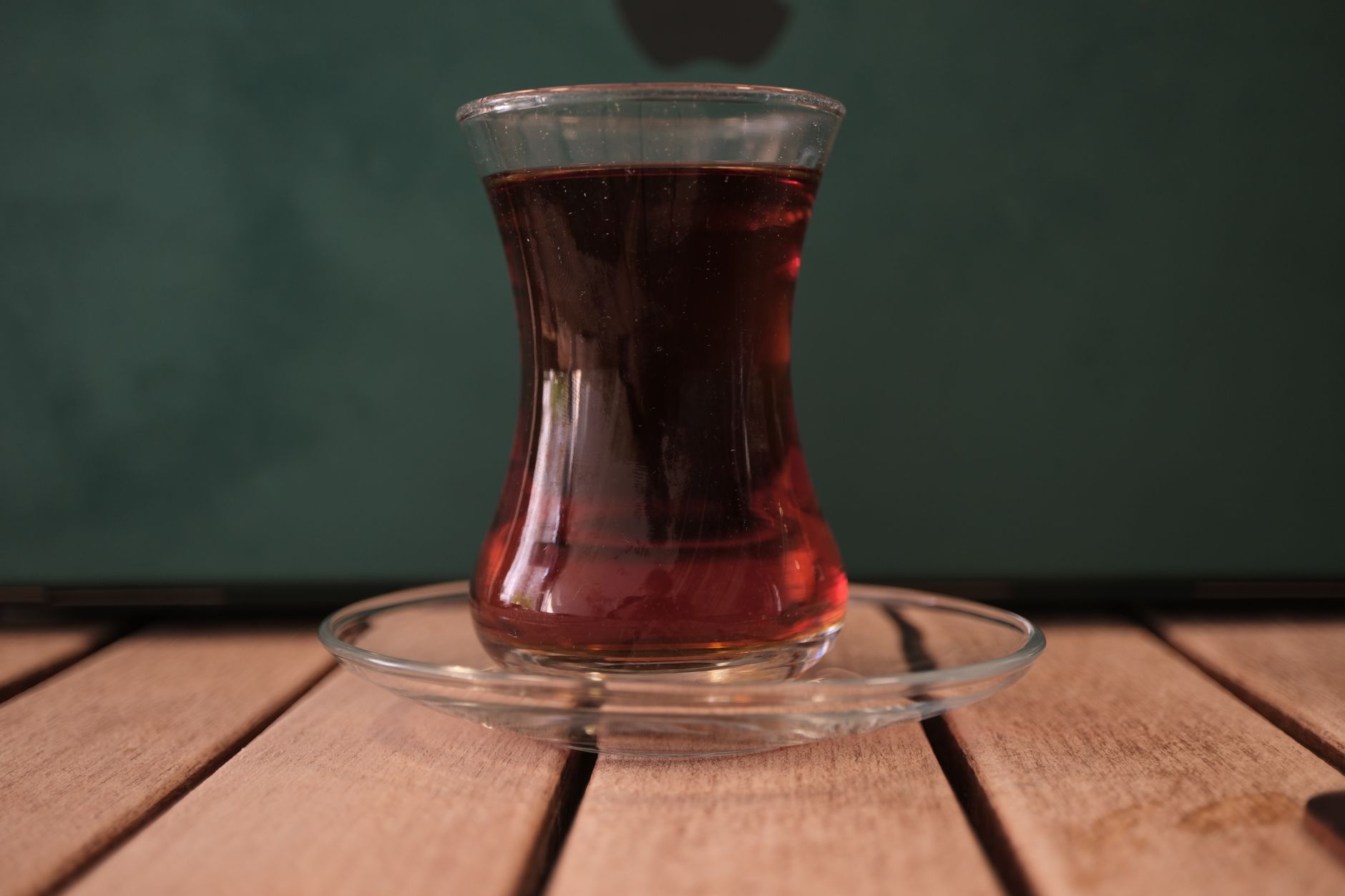
No Turkish ferry journey is complete without çay. As soon as the ferry pulls away from the dock, the onboard çaycı (tea waiter) springs into action, balancing a tray of tulip-shaped glasses. The tea is brewed strong and served with two sugar cubes on the saucer. It's a ritual that turns a simple crossing into a social event. Locals sip and chat, travelers snap photos, and everyone slows down.
On longer routes, you'll also find a small buffet offering simit, poğaça (savory pastry), and sometimes hot meals like köfte or chicken rice. Prices are surprisingly reasonable — a glass of çay costs around 10–15 TL, and a simit is about the same. Many ferries have outdoor seating at the stern, where you can watch the wake trail behind you and feel the sea spray on your face. It's the perfect spot to write postcards or simply daydream.
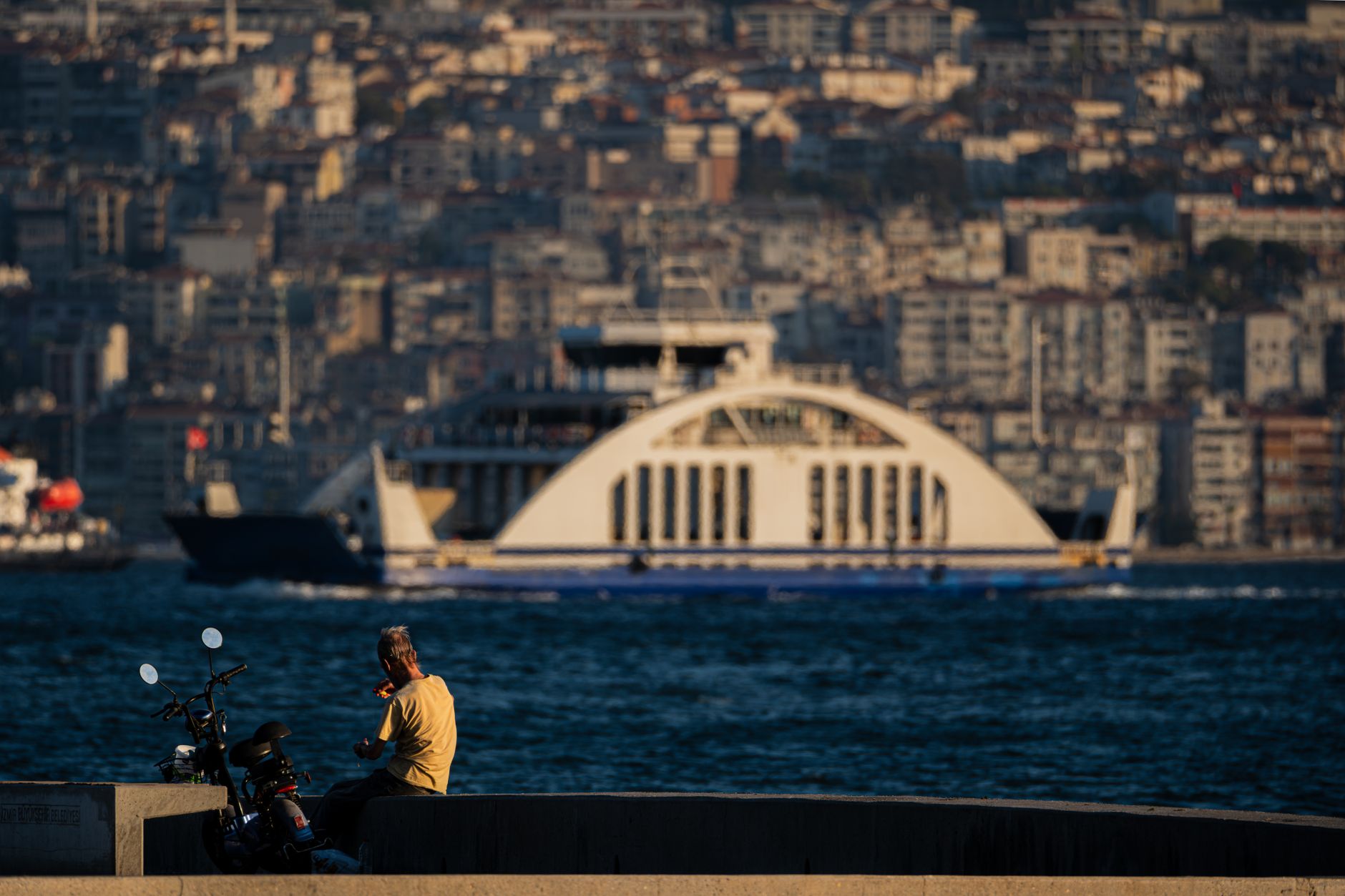
For an authentic experience, try a ferry that locals use for their daily commute. The Eminönü–Kadıköy line is a great example: in the morning, you'll see businessmen in suits and students with backpacks, all clutching glasses of çay. It's a slice of real Istanbul life that no museum can replicate. And if you're lucky, you might even catch a spontaneous conversation with a retired fisherman who shares stories of the sea.
Practical Tips: Schedules, Fares, and Booking Your Ferry Adventure
Turkish ferry schedules vary by season and route. In summer, services are frequent — often hourly on popular routes — while winter schedules are reduced. Always check the official websites or apps of operators like İDO, Şehir Hatları, and BUDO. For international routes, such as Kuşadası–Samos or Çeşme–Chios, you'll need to clear passport control, so arrive at least an hour before departure.
Fares are incredibly budget-friendly. A Istanbulkart ride on a city ferry costs about 15–20 TL, while longer routes like Istanbul–Bandırma range from 200–350 TL. International ferries to Greece typically cost €30–50 one-way. Students, seniors, and children often get discounts, so carry your ID. You can pay with cash, credit card, or Istanbulkart at the port, but for international routes, book online in advance.
Packing tips: bring a light jacket, as it can get breezy on deck, and sunscreen for sunny crossings. If you're prone to seasickness, choose a seat in the middle of the boat and avoid heavy meals before sailing. Most ferries have restrooms and sometimes Wi-Fi, but don't count on it — this is your chance to disconnect. Finally, embrace the slow pace. Ferries are not just transport; they're an experience. So order another çay, find a spot on the rail, and watch Türkiye's coastline drift by. You'll arrive relaxed, inspired, and with a new favorite travel memory.
Thinking about a trip to Turkey?
Share your contact details and a vetted local expert will follow up with a plan built around you — free, no obligation.