

The Heartbeat of Turkish Hospitality: Çay
In Türkiye, tea—known as çay (pronounced "chai")—is far more than a beverage. It is the liquid language of hospitality, a symbol of friendship, and the daily ritual that binds together bazaars, ferries, offices, and homes. From the moment you arrive, you'll notice the constant, comforting rhythm of tea glasses clinking on small saucers, carried on gleaming trays by the ubiquitous çaycı (tea servers), often young boys or men, who navigate crowded streets and steep staircases with remarkable grace.
This guide invites you to immerse yourself in Türkiye's vibrant çay culture. Whether you're haggling in the Grand Bazaar, gliding across the Bosphorus, or simply sitting in a park, a glass of tea is never far away. Embrace it, and you'll unlock a deeper connection with the Turkish people and their timeless traditions.
The Çaycı: Türkiye's Unsung Heroes
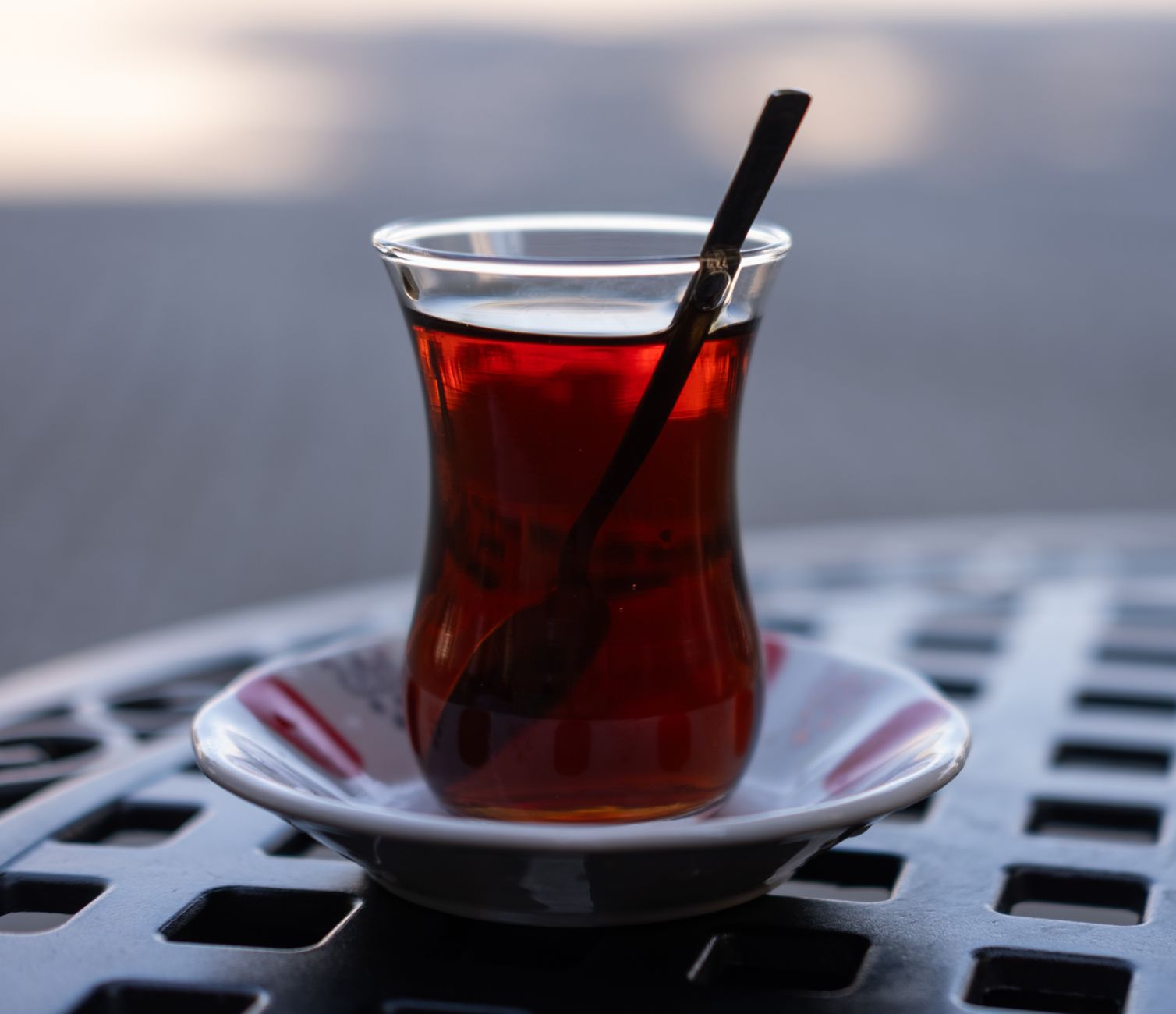
The çaycı is a beloved fixture of Turkish daily life. These tea runners, often young apprentices, dart through bazaars with trays balanced on their fingertips, delivering tiny tulip-shaped glasses of steaming amber tea to shopkeepers, customers, and passersby. In offices, a designated tea maker might wheel a cart from desk to desk, while on ferries, a waiter weaves through passengers with a tray of çay and simit (sesame bagels).
What makes the çaycı so special is their role as social connectors. They carry not just tea, but news, smiles, and a sense of community. In the Grand Bazaar, for instance, a çaycı might serve a dozen shops in one trip, and the tea break becomes a moment for shopkeepers to exchange gossip or strike deals. For travelers, accepting a glass of tea from a çaycı is an invitation to slow down and observe the intricate social fabric of Türkiye.
The tradition dates back to the early 20th century, when tea cultivation began in the Black Sea region of Rize. As tea became affordable and widespread, the çaycı profession emerged as a vital service. Today, it's estimated that Turks consume over 1,000 cups of tea per person annually—more than any other nation—and the çaycı remains at the heart of this caffeine-fueled camaraderie.
Where to Experience Çay Culture: Bazaars, Ferries, and Beyond
Çay culture thrives in every corner of Türkiye, but certain settings offer particularly magical experiences. Start at the Grand Bazaar in Istanbul, where the air is thick with the aroma of spices and the constant call of "Çay! Çay!" Shopkeepers will often offer you a glass as you browse, and accepting it is a sign of respect and openness. Sit on a stool, sip your tea, and watch the world bustle by—it's a quintessential Istanbul moment.
Next, hop on a ferry crossing the Bosphorus. As you glide between Europe and Asia, a çaycı will appear with a tray of çay and simit. There's nothing quite like sipping tea on deck, seagulls trailing behind, as the city's skyline unfolds. It's a ritual that transforms a simple commute into a scenic adventure.
Don't overlook offices and homes. If you're invited to a Turkish home or business meeting, tea will be offered within minutes. Accepting it is not just polite—it's a bonding experience. In offices, the tea break is a sacred pause, a time to chat and recharge. Wherever you are, the offer of çay is an offer of friendship.

How to Order and Accept Çay Like a Local
Ordering tea is simple: just say "Bir çay, lütfen" (One tea, please). You can specify açık (weak) or demli (strong), and şekersiz (without sugar) or şekerli (with sugar). Most places serve tea in small tulip-shaped glasses, which keep the tea hot and allow you to see its rich color. If you're in a bazaar or ferry, you might not even need to order—a çaycı will likely offer it to you.
When accepting tea, use your right hand or both hands to receive the glass. It's customary to hold the glass by its rim or the saucer to avoid burning your fingers. If you don't want sugar, simply say "Şekersiz, lütfen" when ordering. Stirring is optional; many Turks don't stir, as the sugar will eventually dissolve.
To thank your server, a simple "Teşekkür ederim" (Thank you) suffices. If you're leaving, you might say "Elinize sağlık" (Health to your hands) to compliment the tea maker. These small phrases go a long way in endearing you to locals.
The Etiquette of Tea: Dos and Don'ts
Tea etiquette in Türkiye is relaxed but rooted in respect. Here are key points to remember:
- Always accept the first offer. Refusing tea can be seen as a rejection of hospitality. If you truly don't want it, say "Sağ olun" (I'm fine, thank you) politely, but be prepared to be asked again.
- Hold the glass correctly. Use your thumb and index finger to grip the rim, or hold the saucer. Never touch the bowl of the glass, as it's hot.
- Don't blow on your tea. Let it cool naturally. Blowing is considered impolite.
- Finish your tea. Leaving tea unfinished can imply you didn't enjoy it. If you've had enough, place your hand over the glass when offered more.
- Engage in conversation. Tea is a social drink—chat, make eye contact, and enjoy the moment.
Remember, these rules are flexible. The most important thing is to be present and appreciative. Turks are forgiving of foreign mistakes and will appreciate your effort to embrace their customs.
Beyond the Glass: The Ritual of Turkish Tea Making
Turkish tea is brewed using a çaydanlık, a two-tiered teapot. The bottom pot holds boiling water, while the top pot contains a strong tea concentrate. To serve, the concentrate is diluted with hot water to taste—açık (light) or demli (dark). This method allows each person to customize their strength.
The tea itself is usually grown in the Black Sea region, particularly Rize, and is known for its robust flavor and reddish-brown hue. It's served without milk, often with a sugar cube or two. In recent years, herbal teas like ıhlamur (linden) and kuşburnu (rosehip) have also gained popularity, but classic black çay remains the undisputed king.
To deepen your appreciation, consider visiting a tea garden (çay bahçesi) in cities like Istanbul, Izmir, or Antalya. These outdoor cafes are perfect for people-watching and sipping tea for hours. Some, like the famous Çınaraltı in Istanbul, offer stunning views of the Bosphorus.
Tips for Travelers: Making the Most of Çay Culture
To fully enjoy çay culture, keep these tips in mind:
- Carry small change. While tea is often free in shops, you may want to tip the çaycı a few liras.
- Learn basic phrases. A few words in Turkish go a long way. Try "Çay çok güzel" (The tea is very nice) to compliment.
- Visit a tea house. Traditional tea houses (çay ocağı) are male-dominated, but tourists are generally welcome. In more modern cafes, everyone is welcome.
- Try local variations. In the east, you might find tea served with cardamom; in the south, with fresh mint.
- Be mindful of caffeine. Turkish tea is strong! If you're sensitive, ask for açık or switch to herbal.
Above all, relax. Çay culture is about slowing down, connecting, and enjoying the moment. Let the warmth of the glass seep into your hands and the warmth of the hospitality into your heart.
Savoring the Spirit of Türkiye, One Glass at a Time
Çay is more than a drink—it's a window into the Turkish soul. It's the friendly smile of a çaycı in a chaotic bazaar, the shared silence on a ferry at sunset, the animated debates in an office break room. By embracing çay culture, you're not just tasting tea; you're participating in a centuries-old tradition of generosity and community.
So next time you're offered a glass, say yes. Hold it gently, sip slowly, and let the warmth remind you that in Türkiye, you're never truly a stranger. Afiyet olsun! (Enjoy your meal—or in this case, your tea!)
Thinking about a trip to Turkey?
Share your contact details and a vetted local expert will follow up with a plan built around you — free, no obligation.