

Why Türkiye Is the Heartland of Byzantine Heritage
For over a thousand years, the Byzantine Empire shaped the art, architecture and spirituality of Anatolia. Its churches and monasteries still stand across the country — some in the middle of bustling Istanbul, others clinging to cliffs above the Black Sea or hidden inside the soft stone of Cappadocia. Together they form one of the world's great heritage trails.
What makes Türkiye so rewarding for lovers of Byzantine history is the sheer diversity. You can stand beneath the vast dome of Hagia Sophia in the morning, wander past frescoed chapels carved into volcanic rock by afternoon, and end your journey in a mountain monastery whose walls seem to grow out of the rock itself. Türkiye's official care for these sites, and the painstaking restorations carried out over recent decades, make them unexpectedly accessible to the curious traveler.
This guide follows a gentle route through three regions — Istanbul, Trabzon and Cappadocia — offering context, practical visiting advice and etiquette notes so you can explore respectfully and peacefully.
Istanbul: Mosaics, Domes and Living History
Istanbul is the natural starting point. As the capital of the Byzantine Empire, it was known as Constantinople, and its skyline is still punctuated by churches that have witnessed emperors, councils and conquests. The most famous is Hagia Sophia, whose immense dome changed the course of architecture. Even after centuries of change, its golden mosaics and sheer scale remain deeply moving.
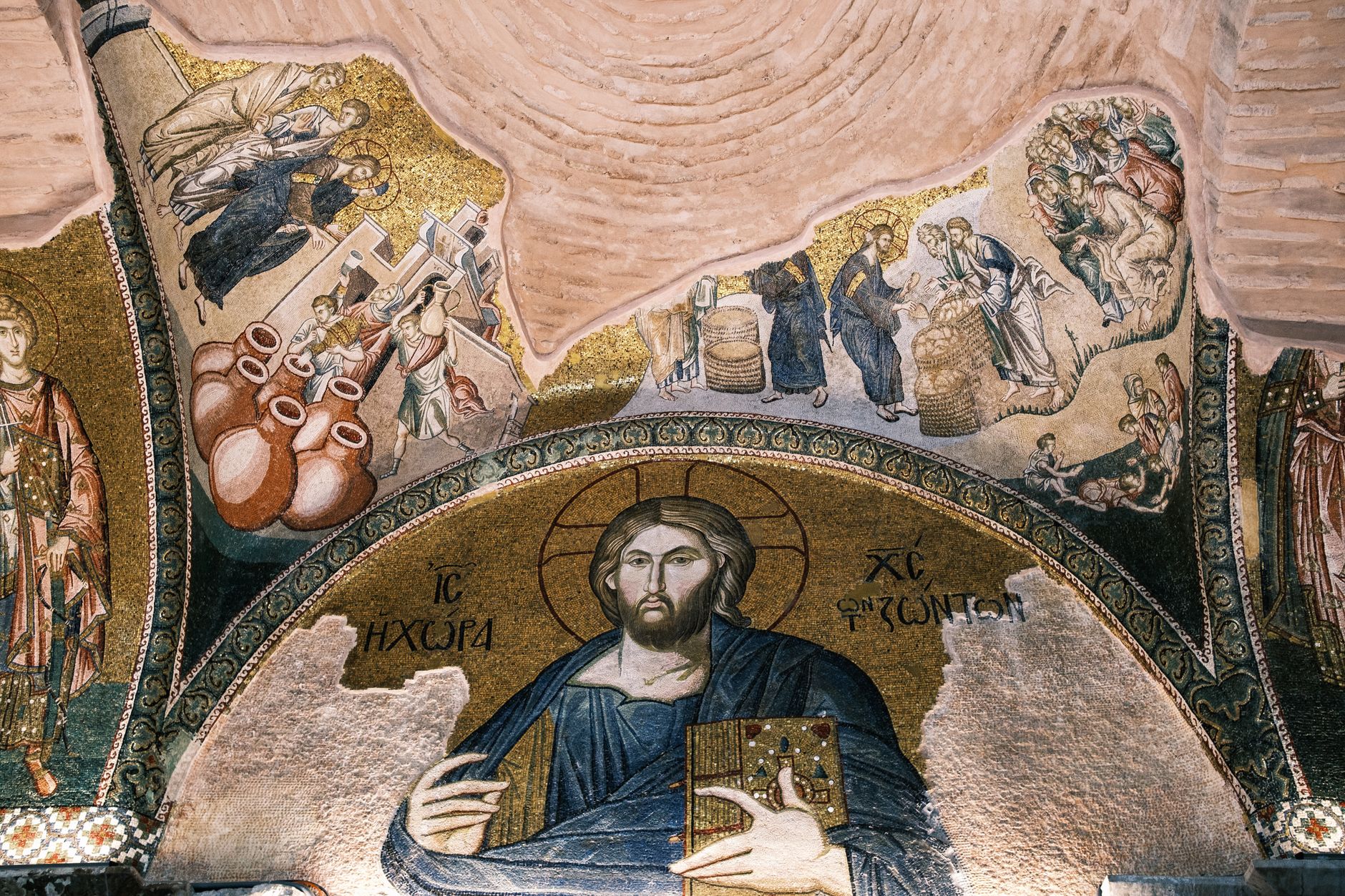
A short walk away, the Chora Church (Kariye Mosque) houses what many consider the finest Byzantine mosaics and frescoes in existence. Scenes from the life of Christ and the Virgin Mary glow with a warmth that feels startlingly intimate. Nearby, the Church of St. Saviour in Chora's quiet courtyard offers a peaceful pause from the city's energy.
For a sense of daily Byzantine life, head to the Church of Saint Irene in the Topkapi Palace grounds, one of the few churches never converted into a mosque, and the Pammakaristos Church (Fethiye Mosque), where a side chapel preserves a stunning mosaic of Christ Pantocrator. The Church of St. Mary of the Mongols, the only Byzantine church in Istanbul that has remained a Greek Orthodox place of worship continuously, is a small, humbling treasure.
Istanbul's Byzantine sites are scattered but well connected by tram and metro. Allow at least two full days to do them justice, and consider a licensed guide for Chora and Pammakaristos to fully understand the iconography.
Trabzon and the Sumela Monastery: A Cliffside Wonder
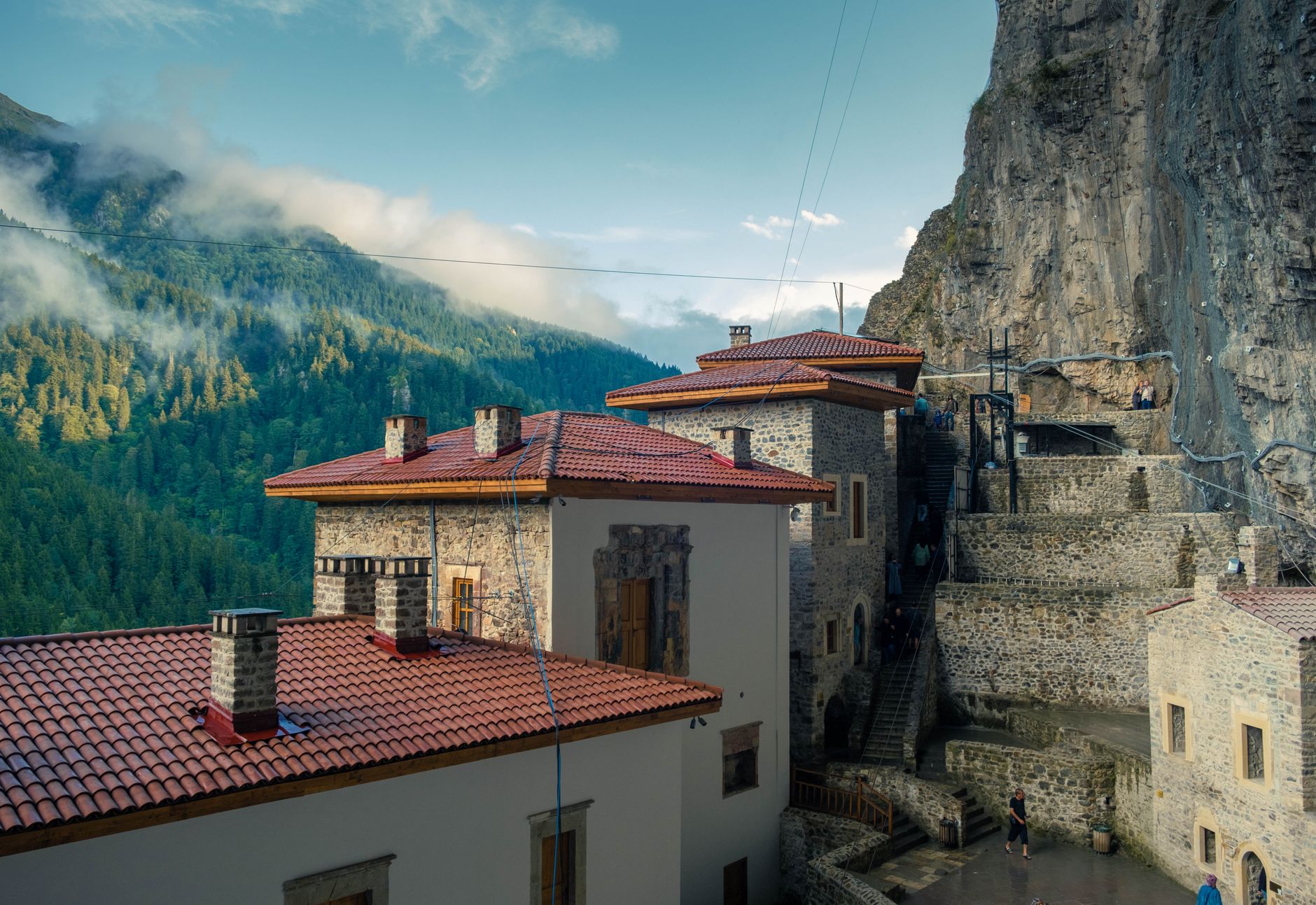
On Türkiye's lush Black Sea coast, Trabzon was a Byzantine stronghold and later the capital of the Empire of Trebizond. Its most breathtaking monument is the Sumela Monastery, founded in the 4th century and rebuilt over the centuries, clinging dramatically to a sheer cliff face in the Altındere Valley. The journey there — through forested mountains and past a short uphill walk — feels like a pilgrimage in itself.
Inside Sumela, frescoes of the Virgin Mary and Christ cover the rock church's interior and exterior walls. Although some have faded, their colors still surprise visitors, especially in the morning light. The monastery reopened to visitors after extensive restoration, and pathways have been improved to make the site safer and more accessible.
In Trabzon city, don't miss the Hagia Sophia of Trabzon, a beautifully proportioned 13th-century church with vivid frescoes and a peaceful garden overlooking the sea. The Church of St. Anne, one of the oldest in the region, and the Panagia Chrysokephalos (now Fatih Mosque) add layers to the city's Byzantine story.
Modest dress is expected in Trabzon's active mosques and religious sites. A light scarf and clothing covering shoulders and knees will keep you comfortable and respectful. Spring and early autumn are ideal for visiting Sumela, when the surrounding forests are green and the weather is mild.
Cappadocia: Rock-Cut Chapels and Painted Caves
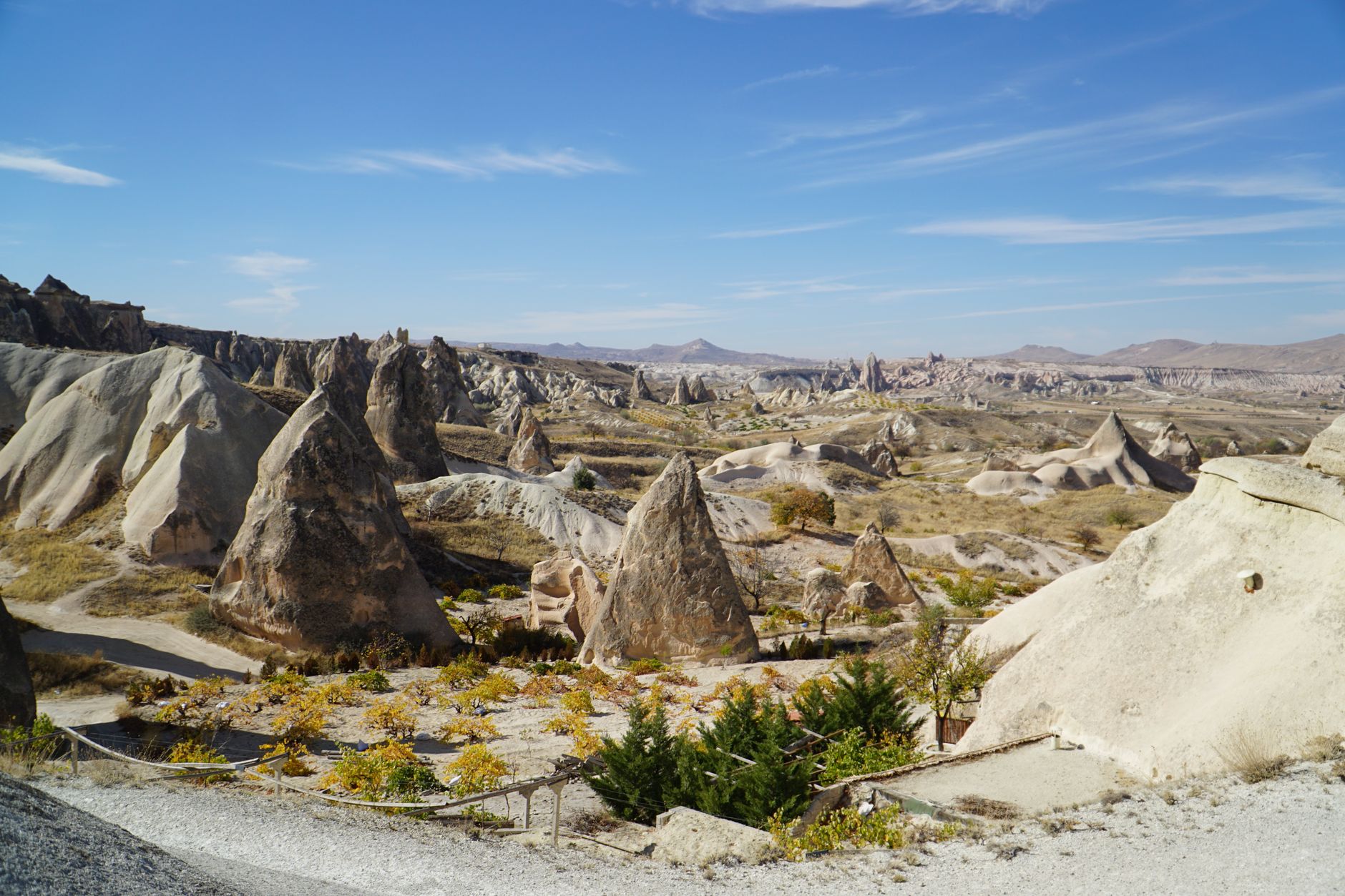
Cappadocia's surreal landscape of fairy chimneys and soft tuff rock became a refuge for early Christian communities. They carved churches, monasteries and entire underground cities into the stone, decorating many with frescoes that depict scenes from the Bible. The result is an open-air museum unlike anywhere else on earth.
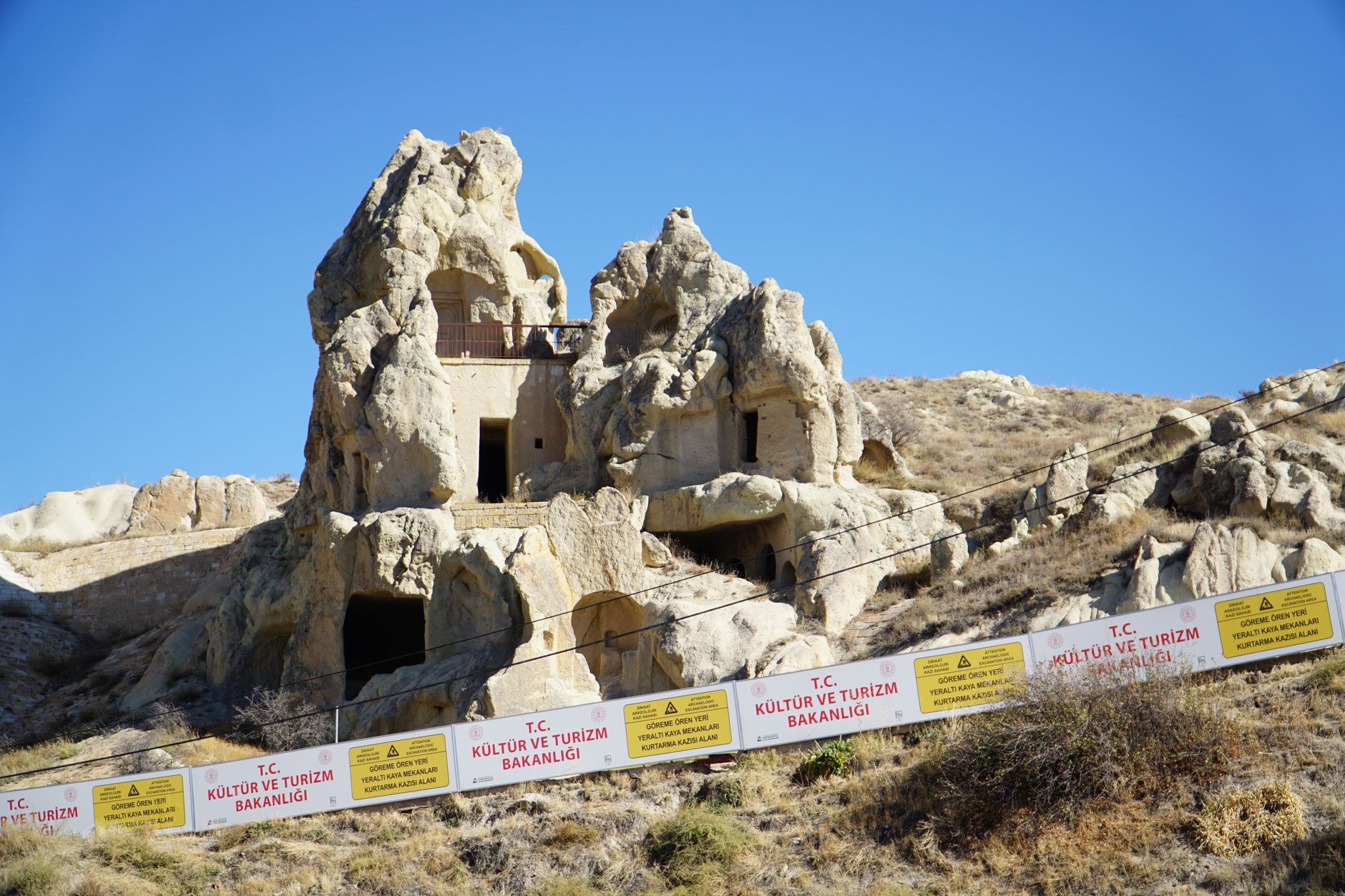
The Göreme Open Air Museum is the centerpiece, a UNESCO World Heritage Site containing more than thirty rock-cut churches. The Dark Church (Karanlık Kilise) is the star, its vivid frescoes of the Annunciation, Nativity and Last Judgment preserved by limited light exposure. The Buckle Church (Tokalı Kilise) and Elmali Church are equally rewarding, with rich narrative cycles.
Beyond Göreme, the Rose Valley and Red Valley hide smaller chapels and monasteries that you can reach on foot. Zelve Open Air Museum and the Çavuşin Church offer quieter alternatives away from the crowds. For a truly peaceful experience, visit early in the morning when the valleys are silent and the light is golden.
Cappadocia is best explored over several days. Wear sturdy shoes for uneven rock paths, carry water, and remember that many chapels are active heritage sites — avoid touching the frescoes, which are fragile and easily damaged by skin oils.
Practical Visiting Tips for a Smooth Journey
Best times to visit: Spring (April–June) and autumn (September–November) offer mild weather, fewer crowds and beautiful light. Summer can be hot in Cappadocia and busy in Istanbul, while winter brings snow to Cappadocia and occasional closures at Sumela.
Tickets and guides: Many sites are covered by the Museum Pass Türkiye, which can save money and time. Hiring a licensed guide at major sites like Chora, Sumela and Göreme enriches the experience enormously, as the iconography and history are complex.
Accessibility: Istanbul's sites are largely accessible by public transport. Sumela involves a steep walk or shuttle from the parking area. Cappadocia's churches often require climbing steps or squeezing through narrow openings, so plan accordingly.
Photography: Flash photography is usually prohibited inside frescoed churches to protect the art. Look for signage and follow staff instructions. Tripods may require special permission.
Respectful Etiquette: Visiting Sacred Spaces
Many Byzantine churches in Türkiye now serve as mosques or museums, and some remain active places of worship. When entering a mosque, remove your shoes and carry them in a bag. Women should cover their hair and shoulders, and everyone should wear clothing that covers knees and shoulders. A lightweight scarf is a traveler's best friend.
Speak softly, especially during prayer times, and avoid walking in front of someone who is praying. If a service is underway, wait quietly at the back or return later. Ask before photographing people, and never touch frescoes or mosaics.
At active monasteries and churches, donations are welcome and help with maintenance. A small contribution, given respectfully, is a meaningful way to support the preservation of these extraordinary places.
Planning Your Peaceful Heritage Trail
A logical route is to begin in Istanbul, fly to Trabzon for Sumela and the Black Sea coast, then fly to Kayseri or Nevşehir for Cappadocia. This itinerary can be comfortably completed in ten to fourteen days, allowing time for reflection and unhurried exploration.
What makes this trail special is not just the art and architecture, but the atmosphere. These sites invite quiet attention. Whether you are standing beneath a mosaic of Christ Pantocrator or gazing at a rock-cut chapel in the Cappadocian hills, you are connecting with centuries of faith, craftsmanship and resilience.
Türkiye's care for its multi-layered history — Byzantine, Seljuk, Ottoman and modern — is evident in the ongoing restoration and thoughtful presentation of these monuments. Travelers who approach them with curiosity and respect will find a peaceful, illuminating journey that stays with them long after they return home.
Thinking about a trip to Turkey?
Share your contact details and a vetted local expert will follow up with a plan built around you — free, no obligation.