
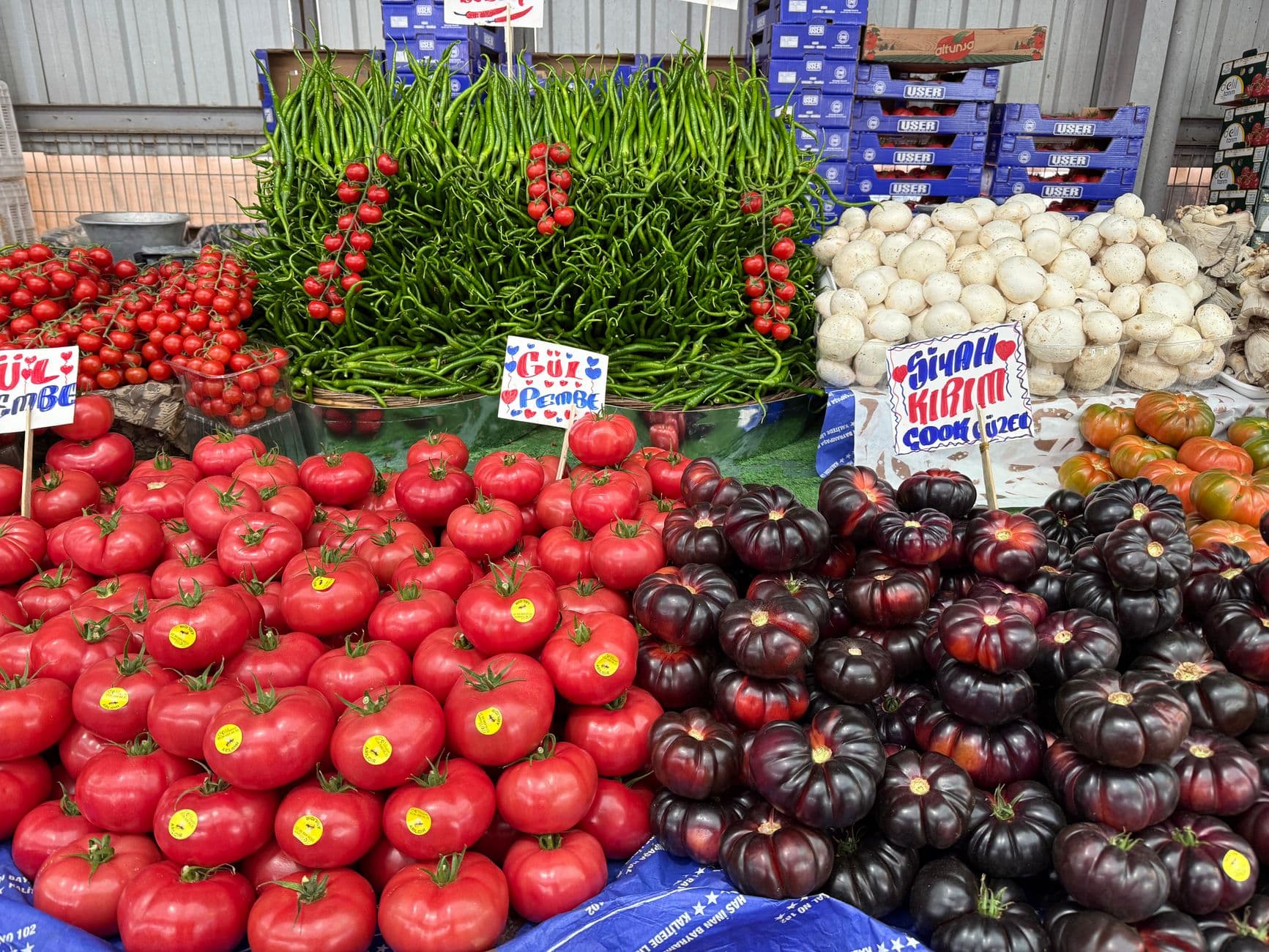
Why Turkish Farmer Markets Are a Traveler's Delight
Travelers to Türkiye often marvel at the country's ancient ruins and stunning coastlines, but some of the most memorable experiences happen in the bustling pazar – the weekly farmer market. These markets are the heartbeat of local communities, where farmers from surrounding villages bring their freshest produce, homemade cheeses, preserves, and more. The atmosphere is joyful and abundant, with vendors calling out prices, offering tastes, and sharing stories. For visitors, a trip to a Turkish market is not just about shopping; it's about connecting with the culture and the people.
Turkey's diverse geography means that each region boasts its own unique market specialties. Whether you're wandering through the aromatic spice stalls of the southeast or filling your basket with olives along the Aegean coast, every market offers a distinct taste of place. In this guide, we'll take you on a journey through Türkiye's farmer markets by region, highlighting the freshest stalls and seasonal treasures you shouldn't miss. Along the way, we'll share practical tips on market days, tasting etiquette, and how to shop with a smile.
So grab a reusable bag and get ready to explore the colorful world of Turkish pazars. Your taste buds – and your Instagram feed – will thank you.
Marmara Region: Bounty of the Bosphorus
The Marmara region, encompassing Istanbul and its surroundings, is a melting pot of cultures and flavors. Here, markets benefit from the region's fertile soils and proximity to both the sea and major cities. In Istanbul, the Kadıköy Tuesday Market is legendary, sprawling through the streets with stalls piled high with fruits, vegetables, and artisanal products. On the European side, the Beşiktaş Saturday Market offers a more local vibe, where you can find everything from fresh fish to homemade tarhana (a dried soup mix).
Beyond Istanbul, the town of Bursa is famous for its İnegöl meatballs and Kestane Şekeri (candied chestnuts), but its weekly market also showcases the region's high-quality olives and olive oil from the nearby Gemlik area. In Çanakkale, the Saturday market is a great place to sample local cheeses, including the salty beyaz peynir (white cheese) and the moreish ezine peyniri, a crumbly cheese perfect with fresh bread.
Spring brings a wealth of artichokes to Marmara markets, while summer overflows with peaches, apricots, and cherries. In autumn, look for pumpkins and quince, and in winter, citrus fruits from the south supplement the local greens. Don't miss the chance to try muhlama, a Black Sea–style cornmeal and cheese dish, or a warm glass of salep, a creamy winter drink made from orchid tubers.
For travelers based in Istanbul, a visit to the Kadıköy Market is a must. It's easily accessible by ferry and offers a sensory explosion of colors and aromas. Remember to go early to avoid the crowds and get the best selection. And don't forget to check our best time to visit guide to align your trip with peak market seasons.
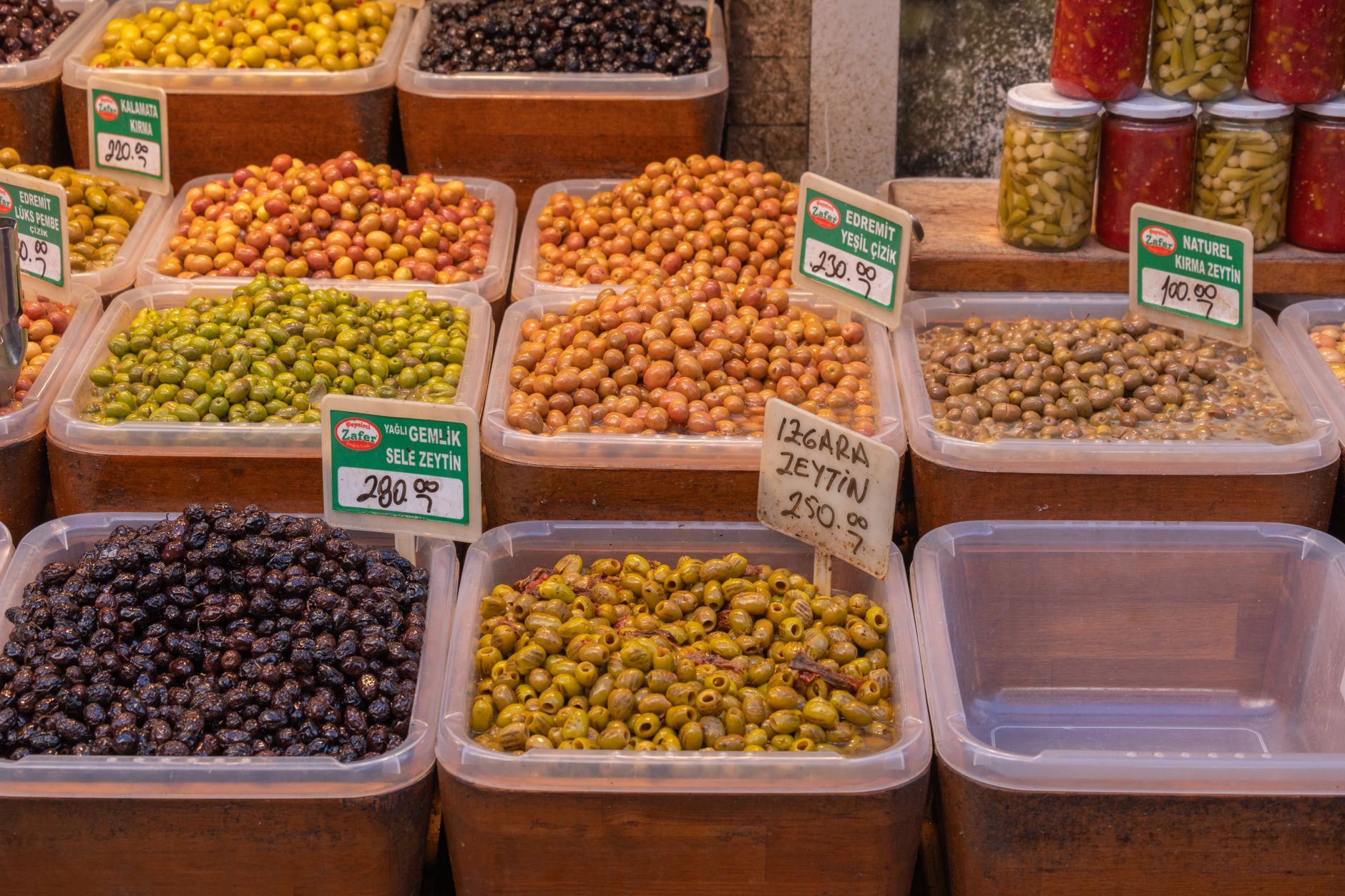
Aegean Region: Olive Oil and Herbs
The Aegean coast is synonymous with olive groves, vineyards, and a relaxed lifestyle. The region's markets reflect this abundance, with stalls groaning under the weight of fresh produce and artisanal products. In Izmir, the Kemeraltı Market is a historic bazaar where you can find everything from lokum (Turkish delight) to dried figs. But for a true farmer's market experience, head to the Bornova Market on Wednesdays, where local farmers sell their harvest directly.
Further south, Bodrum hosts a vibrant market on Tuesdays, attracting both locals and travelers. Here, you'll find stalls selling olive oil from the surrounding villages, often pressed from Memecik olives, known for their fruity flavor. The region is also famous for its herbs – look for fresh kekik (thyme), nane (mint), and maydanoz (parsley), as well as wild greens like turşu otu (pickling herb).
Cheese lovers should seek out lor, a soft, ricotta-like cheese often served with honey, and çökelek, a tangy cheese made from buttermilk. In Ayvalık, the Thursday market is a paradise for olive enthusiasts, with countless varieties of olives and olive-based products. Don't miss the chance to taste zeytinyağlı enginar (artichoke hearts in olive oil), a local specialty.
Seasonal highlights include spring artichokes, summer tomatoes and peppers, and autumn figs and grapes. The Aegean is also a major producer of cotton, but you won't find that in the market – instead, look for pamuk (cotton) byproducts like cottonseed oil.
For a deeper dive into the region's culinary treasures, explore our destinations page, where you can learn more about the Aegean's food and culture.
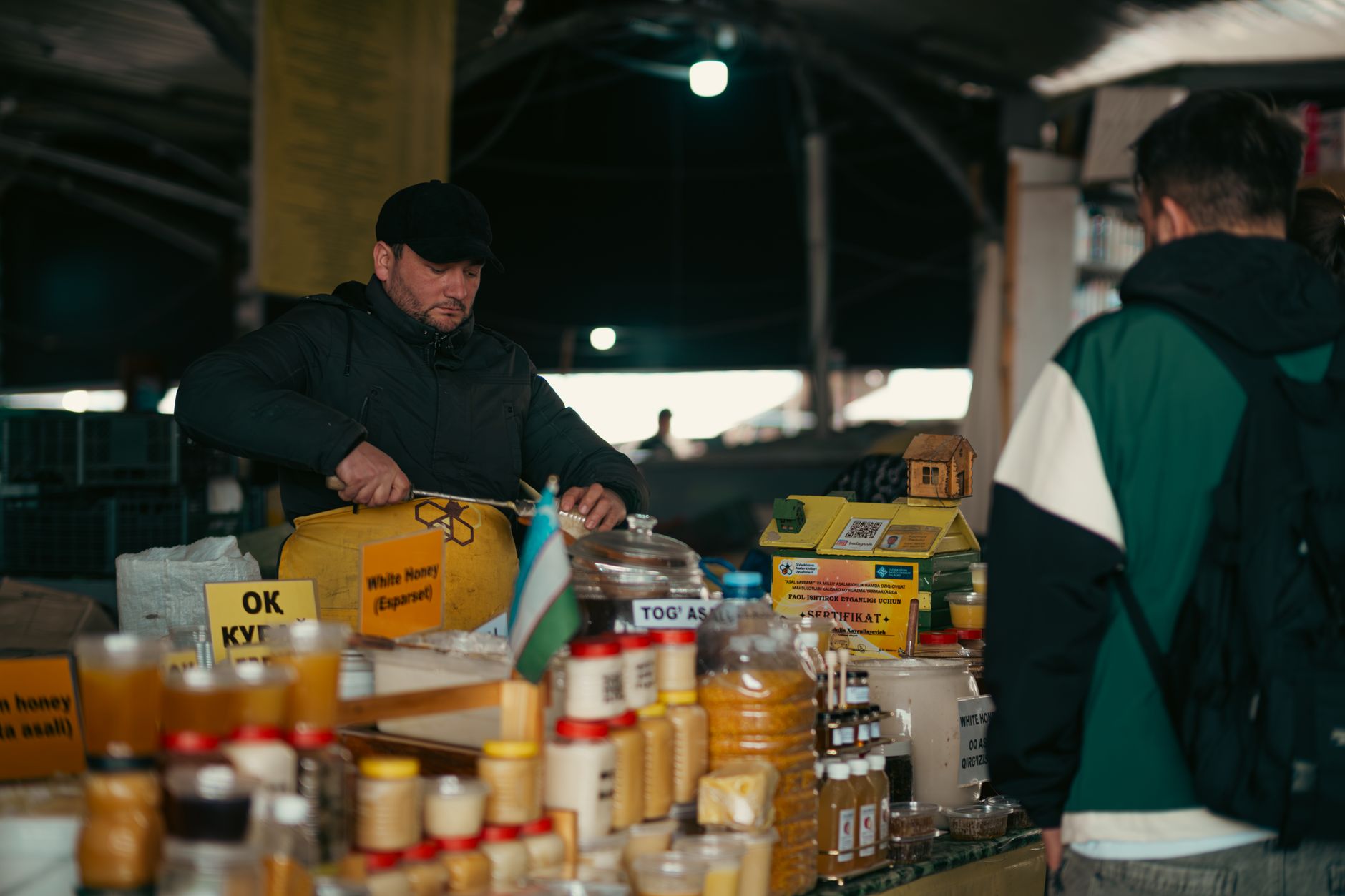
Black Sea Region: Tea, Hazelnuts, and Honey
The Black Sea region is characterized by lush, green landscapes and a cool, humid climate, perfect for growing tea, hazelnuts, and a variety of fruits. Markets here are a feast for the senses, with the aroma of roasting hazelnuts and the sweet scent of honey filling the air. In Trabzon, the Çömlekçi Market is a bustling hub where you can find fresh hazelnuts (both raw and roasted), tea from the nearby Rize plantations, and honey from the high plateaus.
Speaking of honey, the Black Sea is famous for its anzer balı, a rare and expensive honey produced from the nectar of wildflowers in the Anzer plateau. While you may not find it at every market, specialty stalls often carry it. Another must-try is kuymak, a fondue-like dish of cornmeal and cheese, often served at market breakfast stalls.
Cheese lovers will delight in kolot peyniri, a firm, aged cheese from the region, and minzi, a string cheese similar to mozzarella. In Rize, the Thursday market is a great place to stock up on tea and local crafts. The region's kiwis and persimmons are also not to be missed in autumn.
Seasonal produce includes cherries and plums in summer, apples and pears in autumn, and cabbages and leeks in winter. For a unique taste, try muhlama (also spelled kuymak), a comforting cornmeal and cheese dish that's perfect on a chilly day.
To experience the best of the Black Sea's markets, consider visiting in late summer when the tea harvest is in full swing. Check our itineraries for suggestions on how to incorporate market visits into your trip.
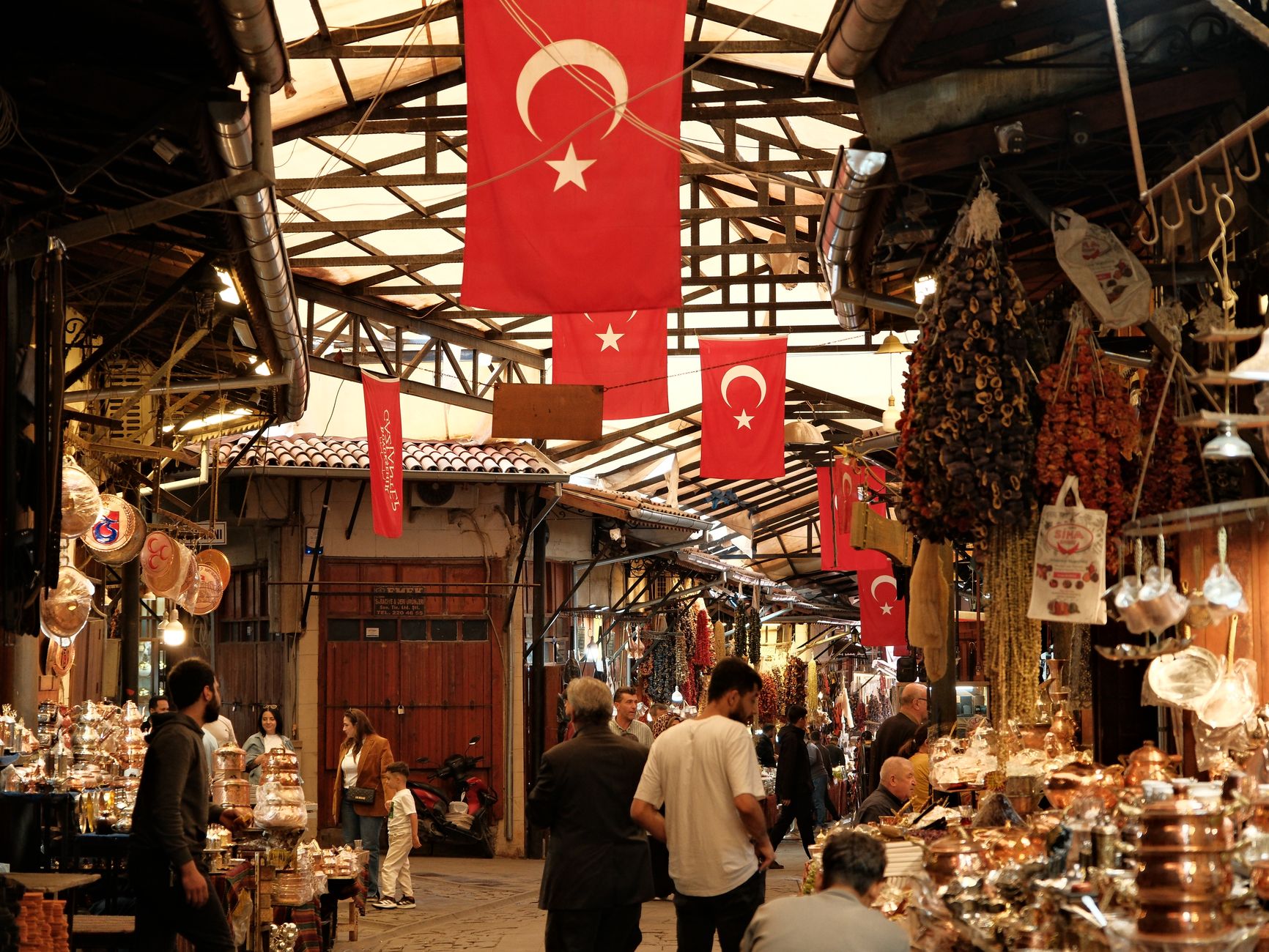
Central Anatolia: Wheat, Cheese, and Dry Goods
Central Anatolia is the breadbasket of Türkiye, vast plains of wheat and barley. Markets in cities like Konya, Ankara, and Kayseri reflect this agricultural wealth, with stalls selling an array of grains, legumes, and dried fruits. In Konya, the Meram Market is a local favorite, where you can find bulgur, tarhana, and a variety of cheeses, including the region's own Konya küflü peyniri, a moldy cheese with a distinctive flavor.
Ankara's Çankaya Market is a good spot to sample Ankara tava, a hearty dish of lamb and chickpeas, but for fresh produce, head to the Ulus Market. Kayseri is renowned for its pastırma (cured beef) and sucuk (spicy sausage), which you can buy at the Kayseri Market. The region is also known for its honey, particularly from the Kayseri and Niğde areas.
In autumn, look for quince, pomegranates, and walnuts. Winter brings oranges and mandarins from the south, while spring offers fresh herbs and greens. A visit to a Central Anatolian market is a step back in time, where traditional methods of food preservation are still practiced.
For a taste of authentic Anatolian cuisine, don't miss the chance to try mantı (tiny dumplings) or etli ekmek (flatbread with meat), often sold at market food stalls. And be sure to check our guides for more on Turkish cuisine.
Eastern and Southeastern Anatolia: Spices and Sweets
Eastern and Southeastern Anatolia are where the flavors of the Middle East and Anatolia meld, creating a market experience unlike any other. In Gaziantep, the Bakırcılar Çarşısı (Coppersmiths' Bazaar) is a must-visit, but for fresh produce, head to the Gaziantep Farmers Market, where you'll find pistachios (the city is famous for them), peppers, and eggplants in abundance. The region's antep fıstığı (pistachio) is a prized ingredient in many sweets.
In Şanlıurfa, the Sıra Gecesi (traditional music nights) often include market-fresh foods, and the local market is a great place to buy isot pepper and çiğ köfte ingredients. Mardin's Revaklı Çarşı is a historic market where you can find almonds, dried fruits, and spices like sumac and za'atar.
Cheese lovers should try otlu peynir, a herbed cheese popular in the east, and çeçil peyniri, a stringy cheese similar to mozzarella. The region is also known for its honey, particularly from the Hakkari region, and walnuts from Bitlis.
Seasonal highlights include apricots from Malatya in summer, pomegranates in autumn, and citrus in winter. The southeast is also a major producer of cotton and pistachios, so you'll see these products in various forms, from raw to roasted.
For a sweet treat, try baklava made with local pistachios, or künefe, a cheese pastry soaked in syrup. The markets in this region are vibrant and full of friendly vendors eager to share their wares.
Practical Tips for Shopping with a Smile
Shopping at a Turkish farmer market is about more than just transactions; it's a social experience. Here are some tips to make the most of your visit and engage with vendors respectfully and joyfully.
Market Days: Most markets operate on specific days of the week, often starting early (around 7 or 8 AM) and winding down by late afternoon. Check local listings or ask at your hotel for the schedule. The earlier you go, the fresher the produce and the more relaxed the atmosphere.
Tasting Etiquette: Vendors often offer free samples of fruits, cheeses, or olives. It's polite to accept a small taste, but don't overindulge. If you taste something you like, it's good manners to buy some. A simple teşekkürler (thank you) goes a long way.
Bargaining: While bargaining is common in bazaars, farmer markets often have fixed prices, especially for produce. However, buying multiple items or larger quantities might earn you a small discount. Always ask with a smile and respect the vendor's price.
Bring Cash: Many vendors prefer cash, especially smaller stalls. Carry small bills and coins for convenience.
Reusable Bags: Bring your own bags to reduce plastic waste. Vendors appreciate the eco-friendly gesture.
Learn a Few Words: Knowing basic Turkish phrases like merhaba (hello), ne kadar? (how much?), and çok güzel (very beautiful) can enhance your experience and bring smiles.
Respect the Culture: Dress modestly, especially in more conservative areas. Ask before taking photos of people or stalls. And always be patient; markets can be crowded and hectic.
For more travel tips, visit our travel tools section, where you'll find useful resources for your trip.
Seasonal Highlights: What to Look For
Turkey's diverse climate means that each season brings a new array of fresh produce to the markets. Here's a quick guide to what you can expect throughout the year:
- Spring (March–May): Artichokes, fresh herbs (mint, parsley, dill), green almonds, strawberries, and wild greens.
- Summer (June–August): Tomatoes, peppers, cucumbers, cherries, apricots, peaches, melons, and figs.
- Autumn (September–November): Grapes, apples, pears, quince, pomegranates, walnuts, and pumpkins.
- Winter (December–February): Citrus fruits (oranges, mandarins, grapefruits), cabbages, leeks, spinach, and root vegetables.
Cheeses and preserves are available year-round, but each region has its specialties. For example, in the Aegean, look for fresh lor in spring; in the Black Sea, honey is best in autumn after the flowering season.
By aligning your visit with the seasons, you'll experience the markets at their most vibrant and abundant.
Conclusion: Embrace the Market Experience
Türkiye's farmer markets are more than just places to buy food; they are windows into the country's rich culinary heritage and the warmth of its people. From the bustling streets of Istanbul to the remote villages of the east, each market offers a unique slice of Turkish life. By following our tips and exploring the regional specialties, you'll not only find the freshest ingredients but also create lasting memories.
So next time you plan a trip to Türkiye, make sure to include a market visit in your itinerary. Check our routes for ideas on how to incorporate markets into your journey, and don't hesitate to ask the experts for personalized recommendations. Happy shopping, and afiyet olsun (enjoy your meal)!
Thinking about a trip to Turkey?
Share your contact details and a vetted local expert will follow up with a plan built around you — free, no obligation.