

Why the Aegean Interior Deserves a Slow Drive
Most travelers race along Türkiye's Aegean coast, hopping from Bodrum to Kuşadası, barely glancing inland. But the true soul of the region lies in its interior—a landscape of rolling hills blanketed with silver-green olive trees, ancient stone villages, and a pace of life that invites you to slow down. Here, the air smells of thyme and pine, and the only traffic you'll encounter is a farmer herding goats. This is where you'll find some of the best olive oil in the world, produced by families who have tended the same groves for generations.
A slow driving route through the Aegean interior is not about covering distance; it's about savoring moments. It's about stopping at a roadside stall to buy a jar of golden oil, sharing tea with a village elder, and watching the sun set over a mosaic of olive terraces. The region is vast, but the roads are good, and the rewards are immense. In this guide, we'll map out a suggested itinerary, share practical driving advice, and reveal the best villages for overnight stays and the finest spots to buy olive oil and soap directly from producers.
Planning Your Route: Gateway Cities and Roads
The most convenient starting points for an Aegean interior adventure are İzmir, Bodrum, and Denizli. İzmir, with its international airport and modern highway connections, is ideal. From İzmir, head south on the O-31 and then E-87 toward Aydın, but quickly leave the motorway behind. The real magic begins on the secondary roads (D550, D525) that wind through the valleys of the Büyük Menderes and Küçük Menderes rivers.
Your route might look like this: İzmir → Tire → Ödemiş → Birgi → Şirince →Kemalpaşa → back to İzmir, or continue to Bergama. This loop covers about 400 km, but with stops, it's a perfect 5-7 day journey. Alternatively, start from Bodrum and explore the Datça Peninsula and the Gulf of Gökova's hinterland. For a more eastern flavor, begin in Denizli (near Pamukkale) and weave through the olive-rich plains around Tavas and Kale.
Don't overplan. The beauty of this region is in spontaneous detours. When you see a sign for "zeytinyağı" (olive oil) or "köy kahvaltısı" (village breakfast), follow it. You won't be disappointed.
Practical Driving Advice for the Aegean Interior
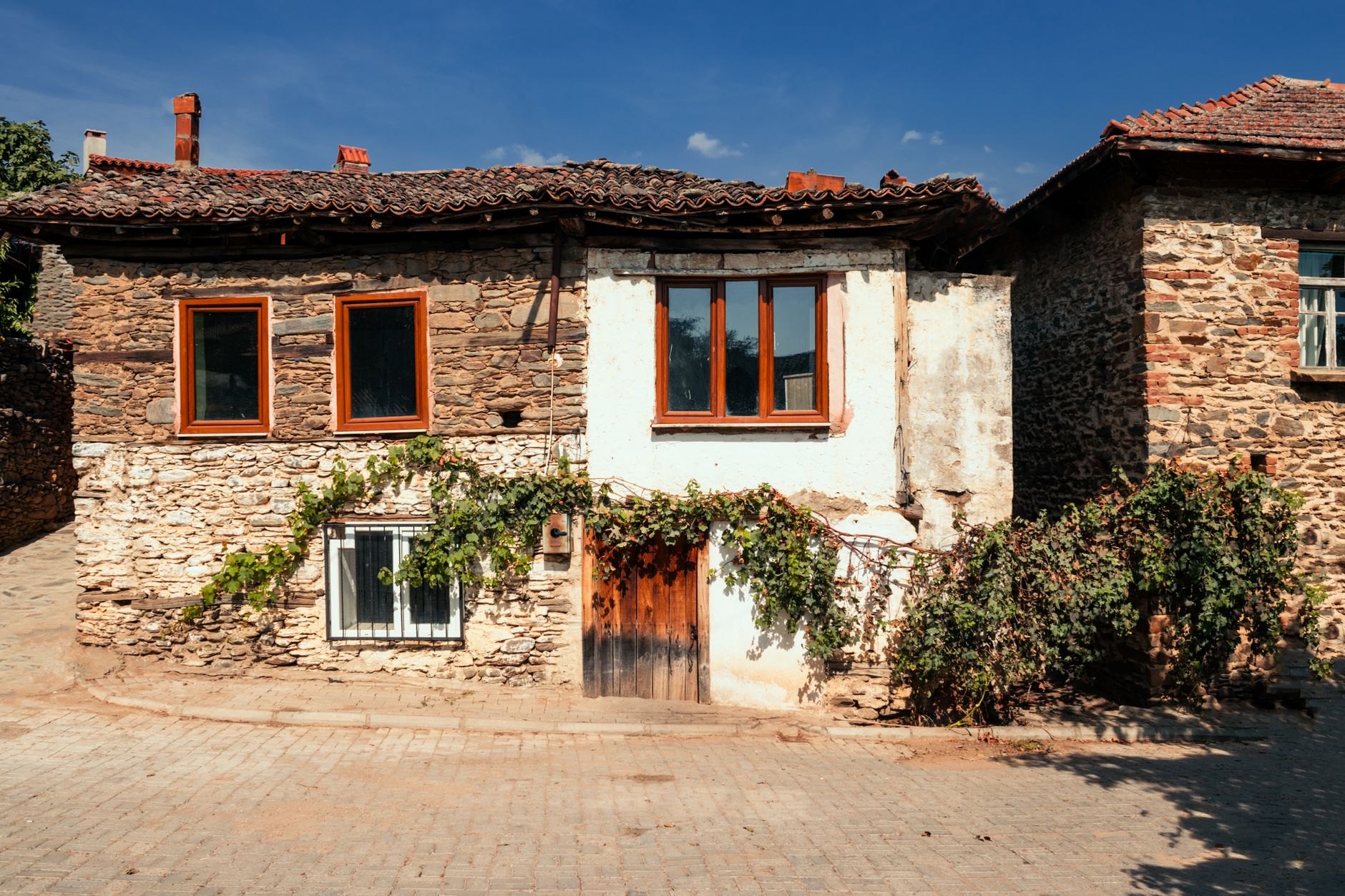
Driving in Türkiye is generally easy, but the interior requires a bit more caution. Roads are often two-lane, winding, and shared with tractors and horse-drawn carts. Speed limits are 50 km/h in villages, 90 km/h on rural roads, and 120 km/h on highways. Radar traps are common, so keep an eye on signs. Fuel stations (benzinlik) are plentiful in towns but scarce in remote areas; fill up when you can.
Renting a car is straightforward; international licenses are accepted for up to six months. Choose a compact car for narrow village streets, but a slightly larger vehicle for comfort on long drives. Manual transmission is standard, but automatics are available. Always carry your passport, driver's license, and insurance documents. A green card (international motor insurance) is recommended if you're bringing your own car.
Navigation: Google Maps works well in cities, but in rural areas, signals can be spotty. Download offline maps before you go. Road signs are in Turkish, but they're logical: "Zeytinyağı" for olive oil, "Kahve" for coffee, "Tuvalet" for toilet. Learn a few phrases—"Merhaba" (hello), "Teşekkürler" (thanks)—and you'll be greeted warmly.
Safety: Drive defensively, especially at night when unlit carts and animals can appear. Avoid driving after dark in remote areas if you're not confident. Parking in villages is usually free but tight; look for designated spots or ask a shopkeeper.
Must-Visit Villages and Towns for Overnight Stays
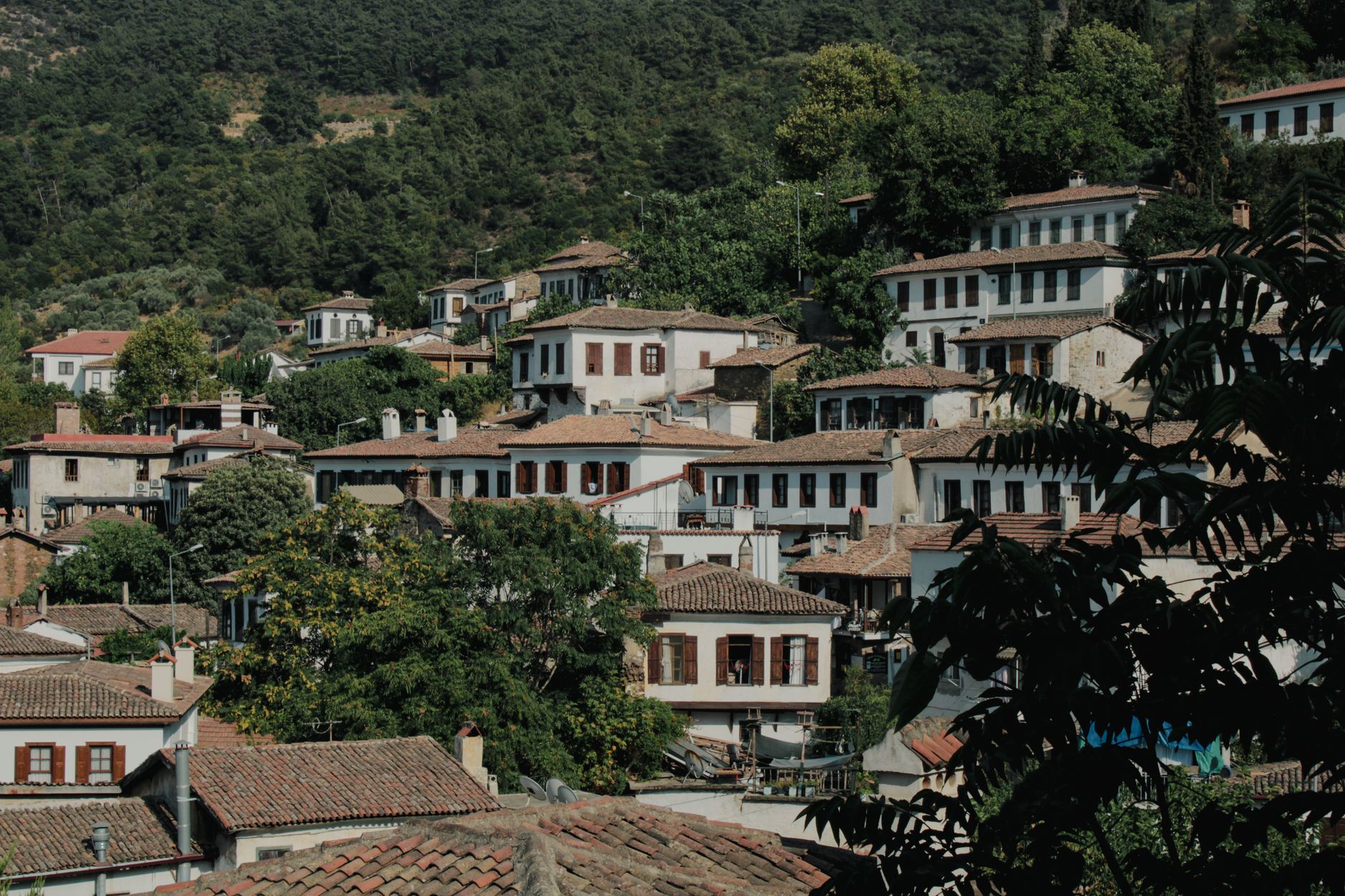
Birgi (Ödemiş, İzmir): A UNESCO World Heritage tentative site, Birgi is a perfectly preserved Ottoman town with cobblestone streets, historic mansions (konaks), and a tranquil atmosphere. Stay at a boutique hotel like Birgi Butik Otel and enjoy a breakfast of local olives, cheeses, and jams. Don't miss the Aydınoğlu Mehmet Bey Mosque and the Çakırağa Mansion.
Şirince (Selçuk, İzmir): Perched on a hill, Şirince is famous for its fruit wines and stone houses. It's touristy but still charming, especially in the early morning or evening. For a more authentic experience, stay in a guesthouse run by a local family. The view over the vineyards and olive groves is magical.
Tire (İzmir): A market town known for its Tuesday bazaar, Tire is less visited but offers a genuine slice of Aegean life. The old quarter has traditional houses and a lively food scene. Try the Tire köftesi (meatballs) and lokma (sweet fried dough).
Kemalpaşa (İzmir): Nestled at the foot of Mount Nif, Kemalpaşa is surrounded by cherry orchards and olive groves. The Nif Mountain is a popular hiking spot. Stay at a village pension and enjoy home-cooked meals.
Datça (Muğla): Although on the coast, Datça is the gateway to the Datça Peninsula, where almond and olive trees abound. The old town of Datça has stone houses and a relaxed vibe. It's a perfect base for exploring the peninsula's ancient ruins and secluded bays.
Bergama (İzmir): Home to the ancient Acropolis of Pergamon, Bergama is a must for history buffs. The town itself has a charming old quarter with a bazaar and traditional crafts. Stay in a restored Greek house for a unique experience.
Each of these villages offers a different flavor of Aegean hospitality. Book ahead in high season (June-September), but in spring and autumn, you can often find rooms on the spot.
Buying Olive Oil and Soap Directly from Producers
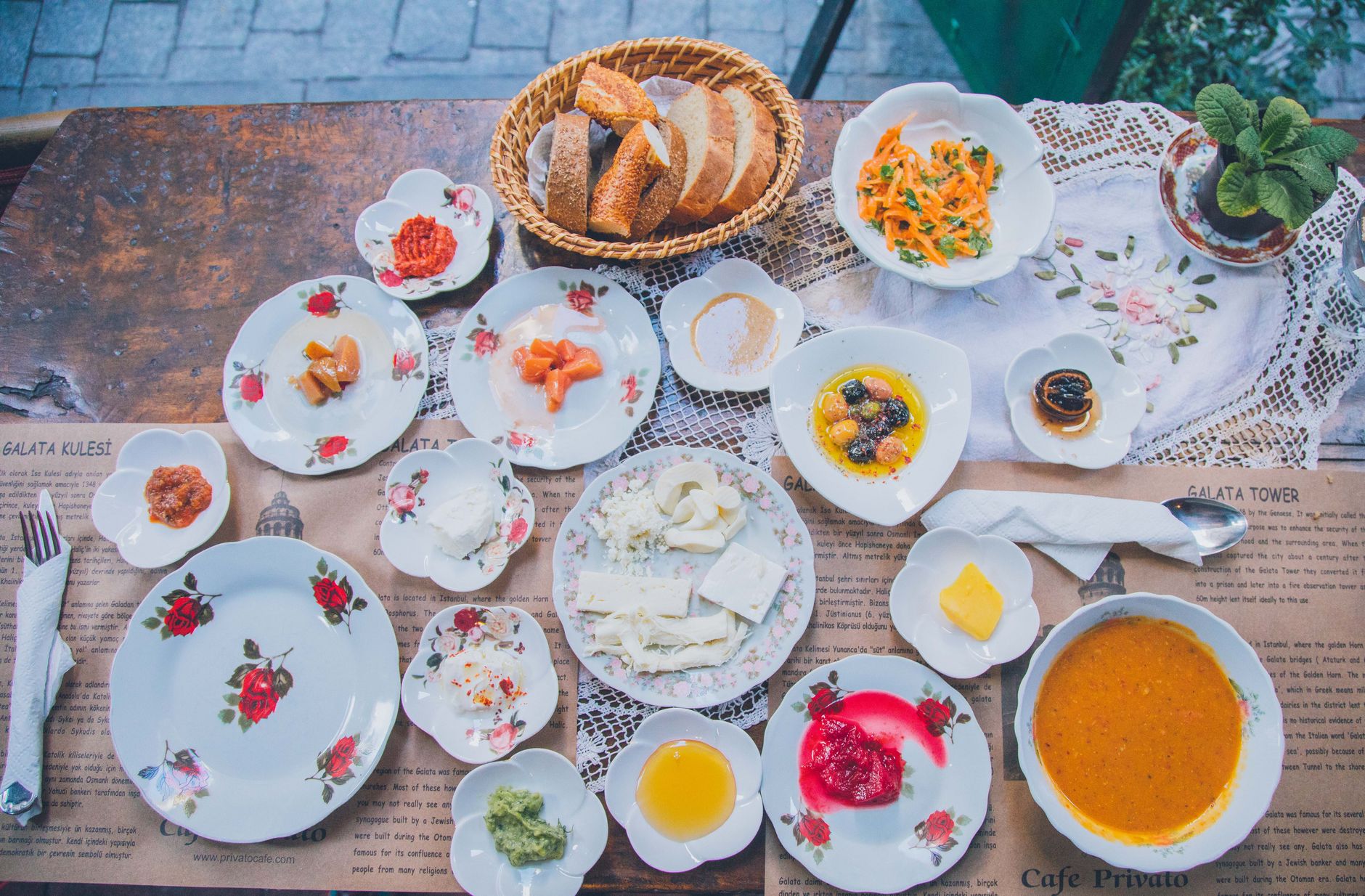
The Aegean interior is olive oil country. The best way to buy is directly from a producer—you'll get fresher oil at a fraction of the price, and you'll meet the people behind it. Look for signs that say "Zeytinyağı Satışı" (olive oil for sale) or "Üreticiden Satış" (sale from producer). Many farms have small shops or sell from their homes.
When buying, ask about the harvest date. Extra virgin olive oil is best within 18 months, and the first cold-press (soğuk sıkım) is the highest quality. Taste before you buy: good oil should be peppery and slightly bitter, with a fresh aroma. Bring your own bottles or buy directly into glass containers; plastic is okay for short-term but not for long storage.
Olive oil soap (zeytinyağı sabunu) is another treasure. Made from 100% olive oil, it's gentle and moisturizing. You'll find it in village markets and at producers' stalls, often cut from large blocks. Look for soap that is beige or greenish—not brightly colored, which indicates additives. Buy a few bars; they make great gifts and last for years.
Some recommended producers and cooperatives: Tariş (a major cooperative with shops in İzmir and Ayvalık), Kırkağaç (known for its olives), and small family farms around Ödemiş, Tire, and Milas. In Şirince, you can visit the Şirince Zeytinyağı Müzesi (Olive Oil Museum) and buy from their shop. In Birgi, ask at the local cooperative (Tarım Kredi Kooperatifi) for names of producers who welcome visitors.
Don't be shy to ask for a tour; many producers are proud to show you their groves and press. If you're driving, you can easily transport several liters. Just make sure to pack them securely to avoid leaks.
Local Food and Culinary Experiences
Aegean cuisine is a celebration of fresh, simple flavors. Olive oil is the star, used generously in everything from vegetables to seafood. In the interior, you'll find dishes that are hard to find elsewhere: zeytinyağlı enginar (artichokes in olive oil), kabak çiçeği dolması (stuffed zucchini flowers), and ot kavurması (sautéed wild greens).
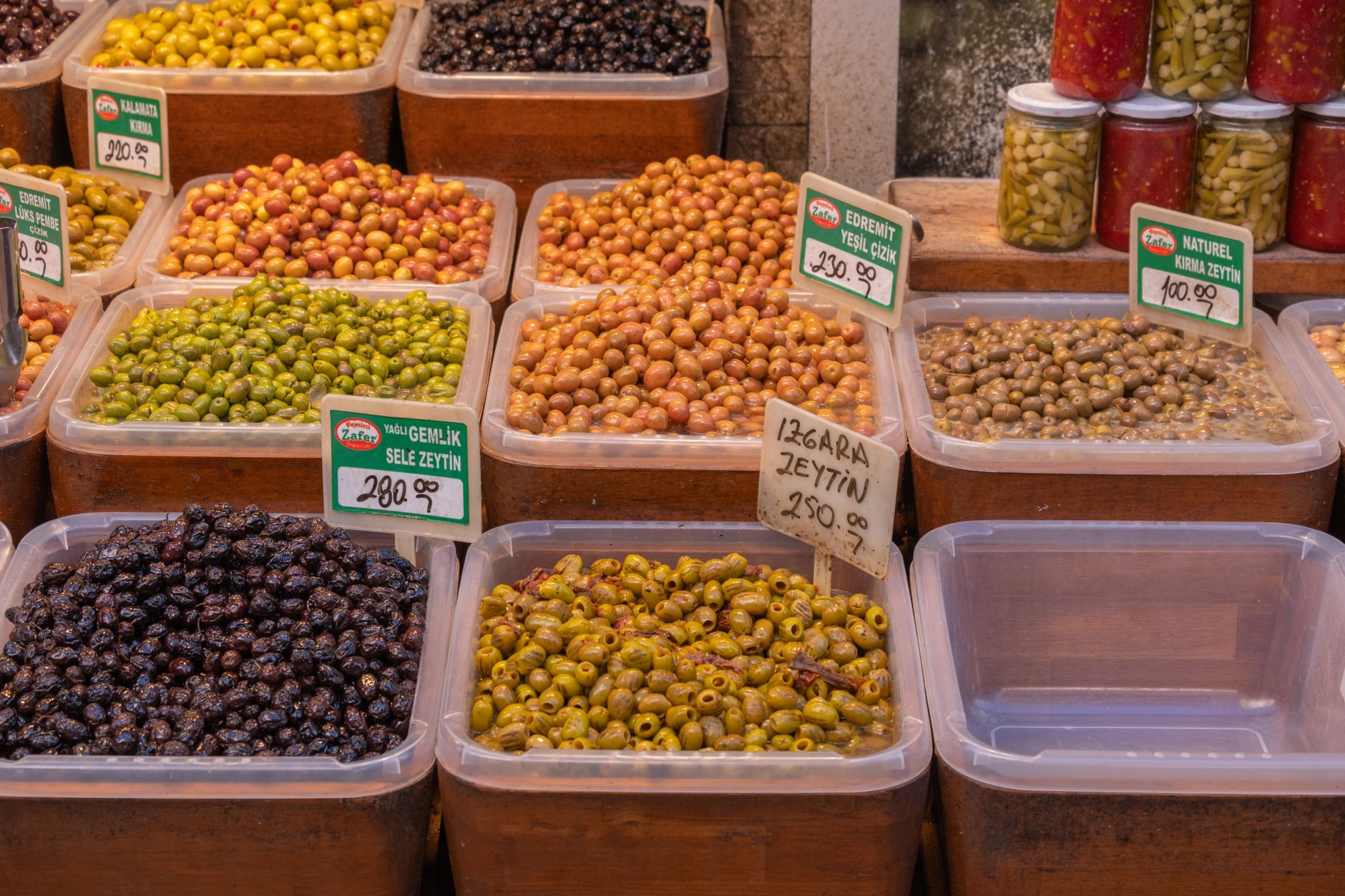
Breakfast is a highlight: village kahvaltı includes olives, olive oil, cheeses, jams, honey, fresh bread, and endless cups of tea. In Tire, try Tire köftesi; in Ödemiş, don't miss Ödemiş köfte and the local keşkek (a hearty wheat and meat dish). For dessert, lokma and helva are popular.
Wine lovers should explore the vineyards around Şirince and Urla. Şirince is famous for fruit wines (pomegranate, blackberry), while Urla has award-winning boutique wineries. Many wineries offer tastings and tours.
Markets are a feast for the senses. The Tuesday market in Tire is one of the largest in the region, selling everything from olives to textiles. In Ödemiş, the Saturday market is equally vibrant. Go early, bring cash, and be ready to bargain—though prices are often fixed for tourists.
When to Go and What to Pack
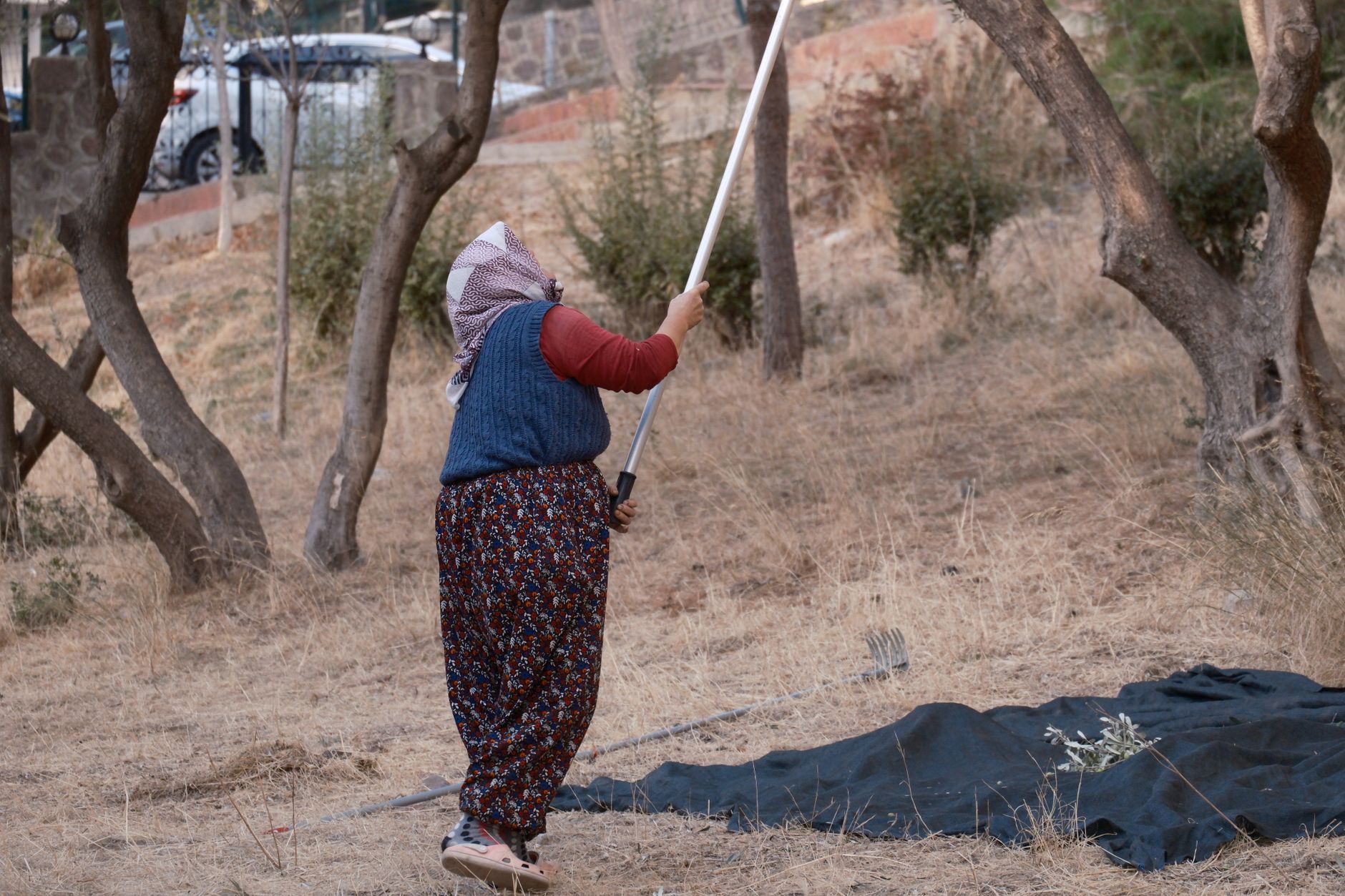
The best time to explore the Aegean interior is spring (April-May) and autumn (September-October). Temperatures are mild, wildflowers bloom in spring, and the olive harvest happens in late autumn (October-November), when you can watch the picking and pressing. Summer (June-August) is hot, but the coast offers relief; the interior can be stifling, so plan indoor activities midday.
Pack comfortable walking shoes, a hat, sunscreen, and a light jacket for evenings. A reusable water bottle is essential. Bring a small cooler if you plan to buy olive oil and soap—it'll keep them from overheating. A phrasebook or translation app will help with menus and signs.
Cash is king in villages; while credit cards are accepted in larger towns, small producers and markets prefer Turkish lira. ATMs are available in towns but not in remote areas, so withdraw ahead.
Final Thoughts: Embracing the Slow Journey
The Aegean interior of Türkiye is not a destination to be rushed. It's a place to wander, to taste, and to connect with a way of life that has remained unchanged for centuries. By driving slowly, staying in stone villages, and buying directly from producers, you become part of the landscape rather than just a passerby. You'll return home with more than just bottles of olive oil—you'll carry the warmth of Aegean hospitality and the memory of sun-drenched groves.
So leave the motorways behind, follow the scent of olive oil, and let the Aegean interior reveal its quiet magic. Whether you have a week or a month, this slow driving route promises an unforgettable journey through Türkiye's most serene and delicious landscapes.
Thinking about a trip to Turkey?
Share your contact details and a vetted local expert will follow up with a plan built around you — free, no obligation.