

Clean Beauty Rooted in Anatolian Tradition
Türkiye has been a crossroads of natural skincare for millennia. The Aegean coast, with its endless groves of olive trees, gave birth to a soap-making tradition that remains alive in family workshops from Ayvalık to Bodrum. Long before “clean beauty” became a marketing buzzword, Turkish artisans were pressing olives, harvesting roses, and blending herbs into soaps and elixirs prized across the Ottoman Empire.
Today, these traditions offer travelers something increasingly rare: authentic, affordable wellness products that are as kind to your skin as they are to your wallet. Whether you’re after a bar of pure olive-oil soap or a full hammam ritual, Türkiye delivers an experience that feels both timeless and deeply personal.
In this guide, we’ll explore the best places to buy olive-oil soap and rose products, explain the rituals of the Turkish bath, and share practical tips for bringing a piece of the Aegean home. You’ll also discover why buying directly from local producers is not just good value—it’s a way to support communities and preserve heritage.
The Aegean’s Liquid Gold: Olive-Oil Soap
Olive-oil soap (known as zeytinyağı sabunu in Turkish) is the cornerstone of Turkish natural care. Made from olive oil, water, and lye—nothing more—it is biodegradable, gentle, and remarkably versatile. The Aegean region, particularly around Ayvalık, Edremit, and the Bodrum peninsula, produces some of the finest varieties. These soaps are traditionally cured for months, resulting in a hard, long-lasting bar that cleanses without stripping natural oils.
You’ll find olive-oil soap in countless forms: plain, scented with lavender or rosemary, enriched with honey, or blended with Donkey milk for extra softness. Prices are delightfully low—often between 20 and 50 Turkish Lira (about $1–$2.50) per bar—making them ideal gifts or personal treats. Many producers still use cold-press methods and age-old recipes passed down through generations.
For the best quality, look for soaps stamped with the local cooperative’s seal or sold at farmers’ markets. In Ayvalık, visit the Saturday market or small ateliers where you can watch the soap being cut and wrapped by hand. The scent alone—earthy, slightly green, and clean—will convince you to fill your suitcase.
Rose, the Queen of Turkish Natural Care
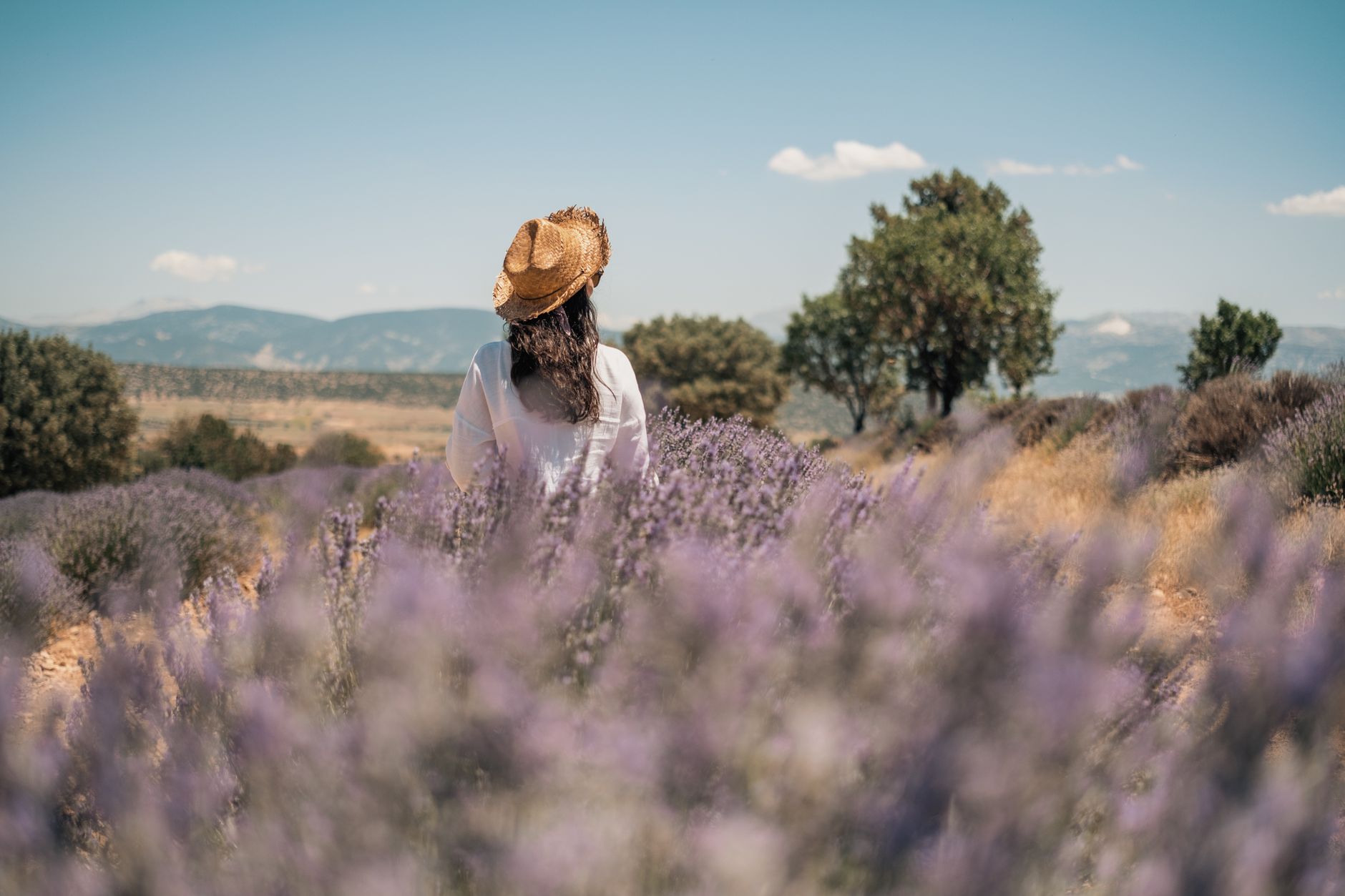
While olive oil dominates the Aegean, the rose reigns in Isparta, often called the “City of Roses.” Every May and June, the fields around Isparta bloom with Rosa damascena, harvested at dawn when the essential oil is most concentrated. This rose is transformed into oils, waters, creams, and soaps that are exported worldwide—but buying directly from local distilleries is far more affordable and rewarding.
Rose water (gül suyu) is a staple in Turkish households, used as a toner, a refreshing mist, and even in desserts. Rose oil, though precious (it takes about 4,000 kilograms of petals to produce 1 kilogram of oil), is available in small, affordable bottles. Rose-scented soaps combine the benefits of olive oil with the calming, hydrating properties of rose, making them a perfect souvenir.
Beyond Isparta, you’ll find rose products in Istanbul’s Spice Bazaar and in boutique shops across the country. But for the full experience, consider a day trip to a rose farm during harvest season. Many distilleries offer tours and sell products at wholesale prices—often half of what you’d pay in tourist areas.
The Turkish Hammam: A Ritual of Renewal
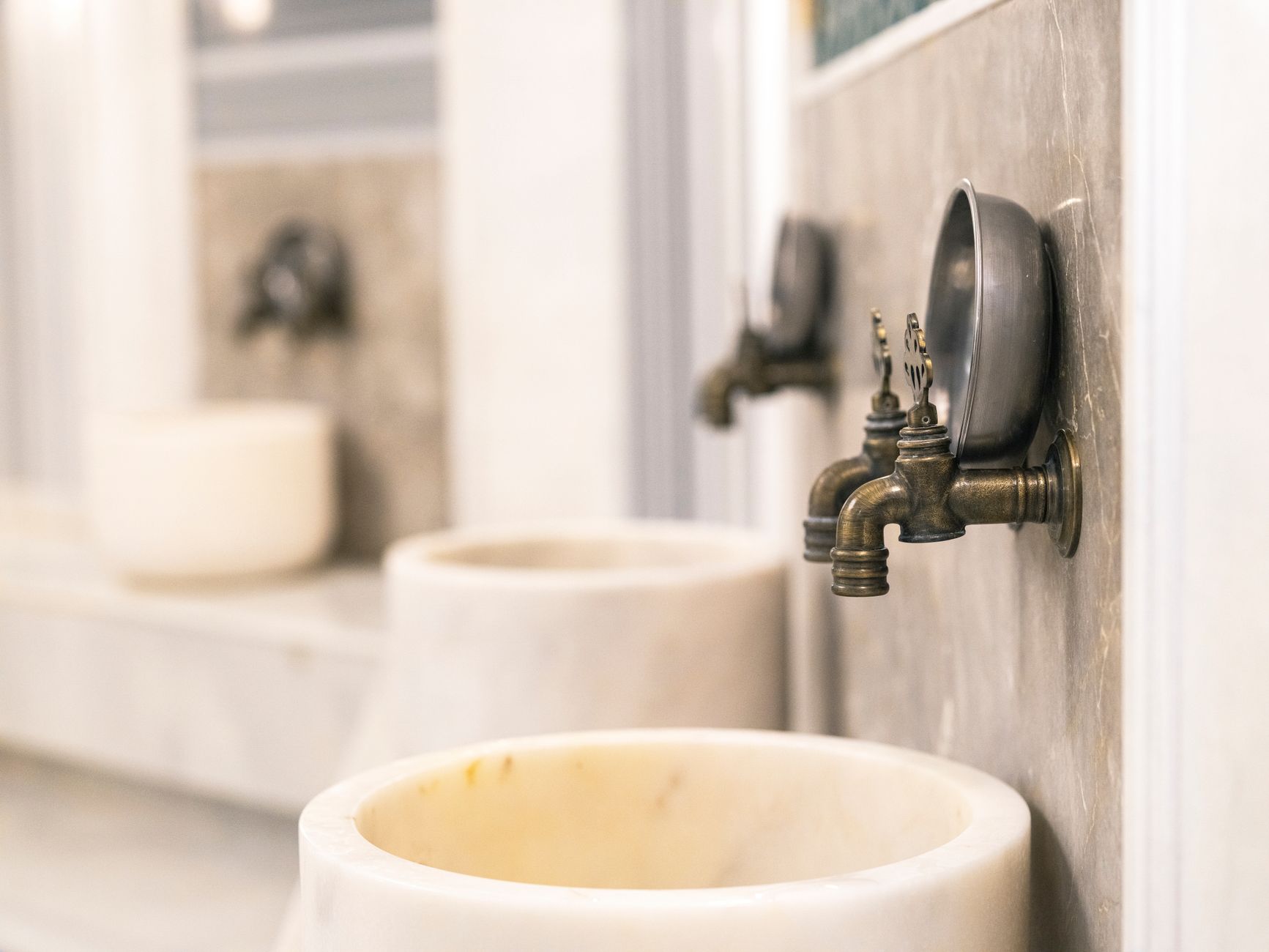
No discussion of Turkish natural care is complete without the hammam. This traditional bathhouse is more than a place to wash—it’s a social institution, a wellness ritual, and a cornerstone of Turkish culture. The experience typically involves a steam room, a marble slab for exfoliation, and a vigorous scrub with a kese (a rough mitt) followed by a foam massage.
Hammams can be found in every city, from grand Ottoman-era complexes in Istanbul to modest neighborhood baths. Prices vary: a basic self-service hammam might cost 50–100 TL, while a full ritual with scrub and foam massage ranges from 150 to 400 TL (about $7–$20). That’s a fraction of what you’d pay for a similar spa treatment in Europe or North America.
For a truly authentic experience, visit a historic hammam like the Çemberlitaş or Kılıç Ali Paşa in Istanbul. Remember to bring a swimsuit, a towel, and a sense of adventure. The attendants are friendly and will guide you through the steps—don’t be shy. The result is skin that feels reborn and a deep sense of relaxation.
Where to Shop: Markets, Cooperatives, and Boutiques
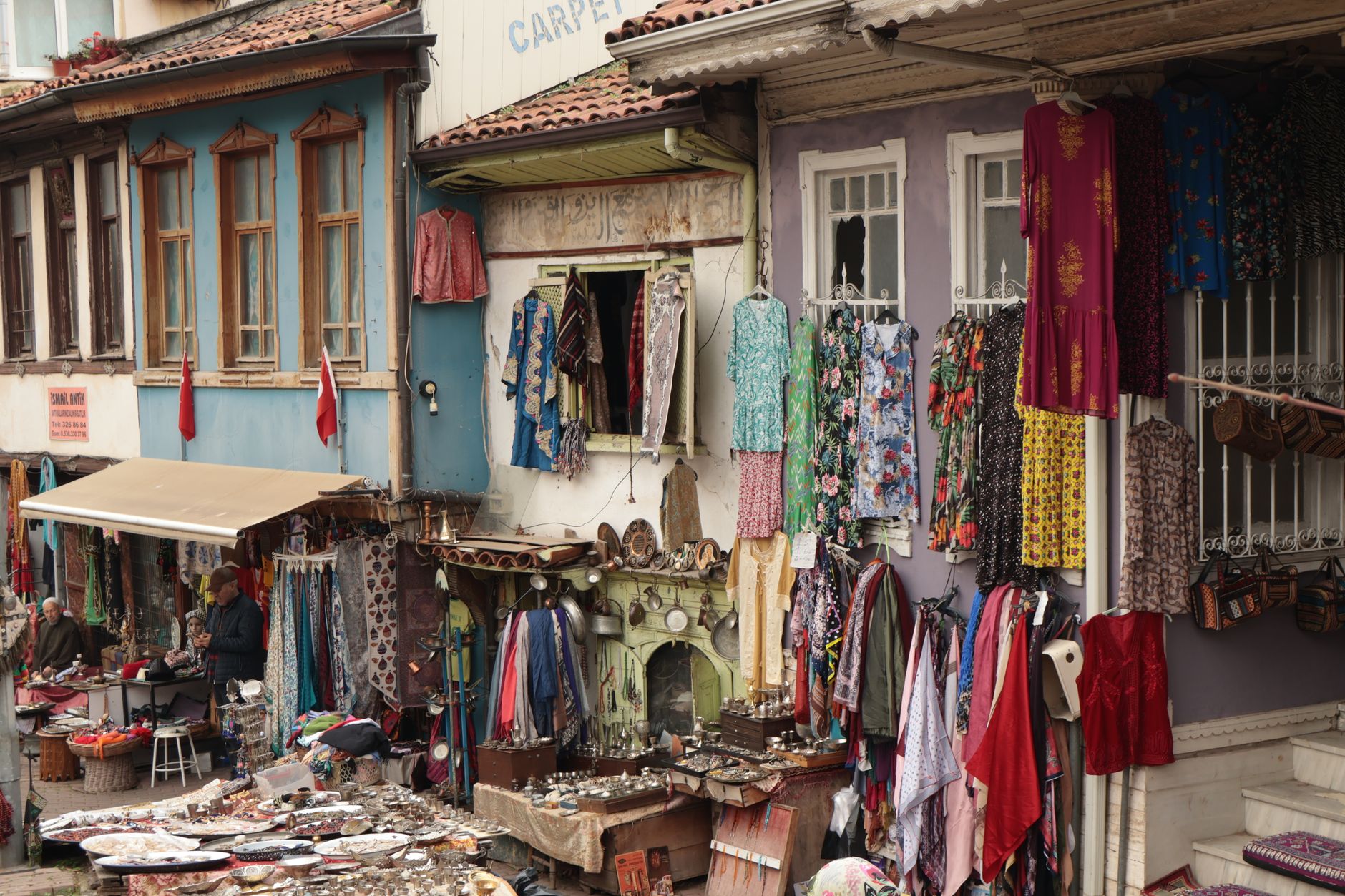
Finding high-quality natural products is part of the fun. Here are some of the best places to shop:
- Aegean village markets: Ayvalık, Cunda, and Bodrum host weekly markets where local producers sell soaps, oils, and herbs. Go early for the best selection and chat with the makers—they’re often happy to share their stories.
- Isparta rose distilleries: Many family-run distilleries welcome visitors. You can buy rose water, oil, and soaps directly, often with a discount for cash purchases.
- Istanbul’s Spice Bazaar and Arasta Bazaar: These historic markets offer a huge variety, but quality varies. Look for shops that allow you to sample and ask about ingredients. Avoid heavily perfumed soaps with synthetic fragrances.
- Cooperatives and ateliers: Organizations like the Ayvalık Olive Oil Cooperative or small workshops in Şirince sell certified products. Purchasing here supports local farmers and ensures authenticity.
Prices for natural soaps typically range from 20 to 80 TL, while rose oil can cost 100–300 TL for a small vial. Always check labels for “doğal” (natural) and avoid products with parabens or artificial colors.
Practical Tips for Buying and Using Turkish Natural Products
To make the most of your clean-beauty haul, keep these tips in mind:
- Test before you buy: Many shops offer samples. Rub a little soap or oil on your skin to check for allergies and to feel the texture.
- Pack smart: Solid soaps travel well, but wrap them in cloth or beeswax wraps to prevent them from absorbing moisture. Liquids like rose water should be sealed in a plastic bag.
- Store properly: Keep olive-oil soap in a dry place; it improves with age like fine wine. Rose water should be kept away from direct sunlight.
- Support local: Buying directly from producers means more money stays in the community. It also allows you to ask questions and learn about traditional methods.
Don’t forget to check customs regulations for bringing liquids and agricultural products home. Most soaps and cosmetics are fine, but some countries restrict plant-based items.
Wellness Experiences Beyond the Hammam
If you’re looking to deepen your wellness journey, Türkiye offers more than just hammams. Many boutique hotels and retreats in the Aegean region organize olive-oil soap-making workshops, where you can create your own bars using local ingredients. In Isparta, rose harvest tours let you pick petals and distill your own rose water.
For a holistic escape, consider a stay at a thermal spa in places like Pamukkale or Yalova, where mineral-rich waters have been used for healing since Roman times. These experiences are surprisingly affordable and often include access to pools, mud baths, and massages.
Whether you’re shopping for souvenirs or seeking a spa day, Türkiye’s natural care traditions offer an authentic, budget-friendly way to connect with the land and its people. The friendliness of local producers—always ready with a sample and a smile—makes every purchase feel like a gift.
Bringing the Aegean Home
As you plan your trip, consider dedicating a day to exploring these natural treasures. Use our guides to find regional highlights, or check our destinations page for inspiration. If you’re mapping out a broader itinerary, our itineraries can help you weave wellness stops into your journey.
Remember, the best souvenirs are those that tell a story. A bar of olive-oil soap from Ayvalık or a bottle of rose water from Isparta carries the scent of Anatolia and the care of the hands that made it. It’s clean beauty in the truest sense—rooted in tradition, kind to the earth, and wonderfully affordable.
So next time you’re in Türkiye, skip the generic souvenirs. Head to a local market, strike up a conversation, and let the natural rituals of the Aegean become part of your own wellness routine.
Thinking about a trip to Turkey?
Share your contact details and a vetted local expert will follow up with a plan built around you — free, no obligation.