

Walking in the Footsteps of Empires
There's a quiet magic in standing on a bridge that has endured for over two thousand years. In Türkiye, the past isn't just behind glass in a museum—it's under your feet, stretching across rushing rivers and tranquil streams. Roman engineers, with their genius for arches and concrete, built bridges that still carry farmers, schoolchildren, and curious travelers today. These aren't ruins; they're living monuments.
From the soaring arches of the Eurymedon Bridge to the multiple crossings of the Penkalas, Türkiye offers an extraordinary collection of ancient bridges you can actually walk across. Each one tells a story of conquest, commerce, and craftsmanship. And around them, you'll find charming towns, scenic hikes, and warm Turkish hospitality that make for an unforgettable journey.
In this guide, we'll introduce you to some of the most magnificent Roman and Ottoman bridges, explain the engineering that made them possible, and help you plan a trip that combines history with the serene beauty of the Turkish countryside.
The Eurymedon Bridge: A Masterpiece of Roman Engineering
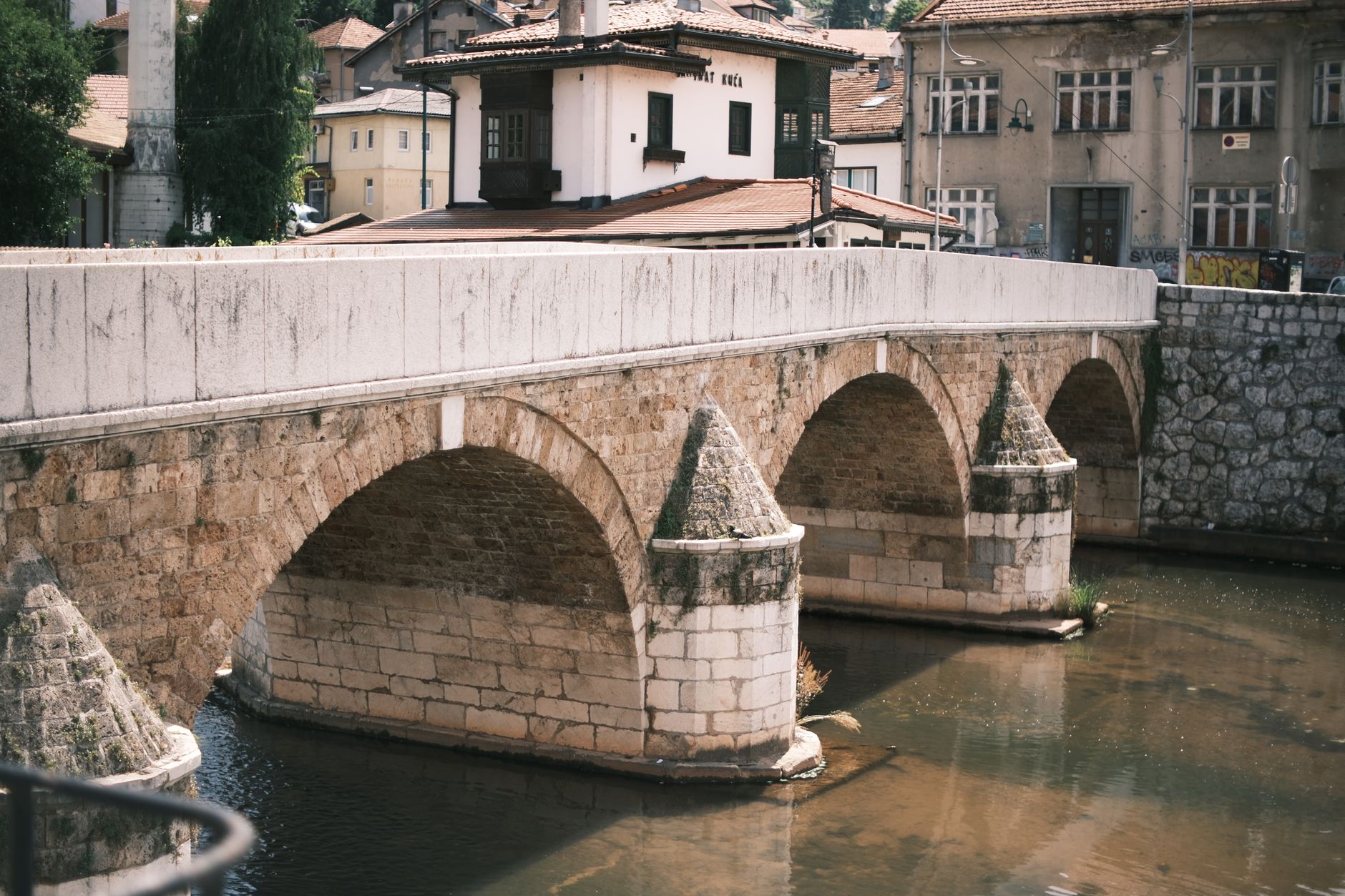
Spanning the Köprüçay River near the town of Selge, the Eurymedon Bridge (also known as Oluk Köprü) is a breathtaking sight. Originally built by the Romans in the 2nd century AD, it was later rebuilt by the Seljuks and Ottomans, but its ancient foundations remain. The bridge's arches rise gracefully from the turquoise water, framed by pine-clad mountains—a perfect photo opportunity.
What makes the Eurymedon Bridge so remarkable is its resilience. Earthquakes, floods, and centuries of traffic haven't destroyed it. Walking across, you can almost hear the footfalls of Roman legions and Ottoman caravans. The setting is idyllic: the river is popular for rafting, and the surrounding Köprülü Canyon National Park offers hiking trails that lead to hidden waterfalls and ancient ruins.
Nearby, the town of Beşkonak makes a great base. From there, you can explore the ancient city of Selge, with its well-preserved theater and aqueducts, or simply enjoy a riverside picnic. The bridge itself is a testament to Roman engineering—its precise cut stones and efficient drainage system are still visible today.
The Penkalas Bridge: Where History Meets Serenity
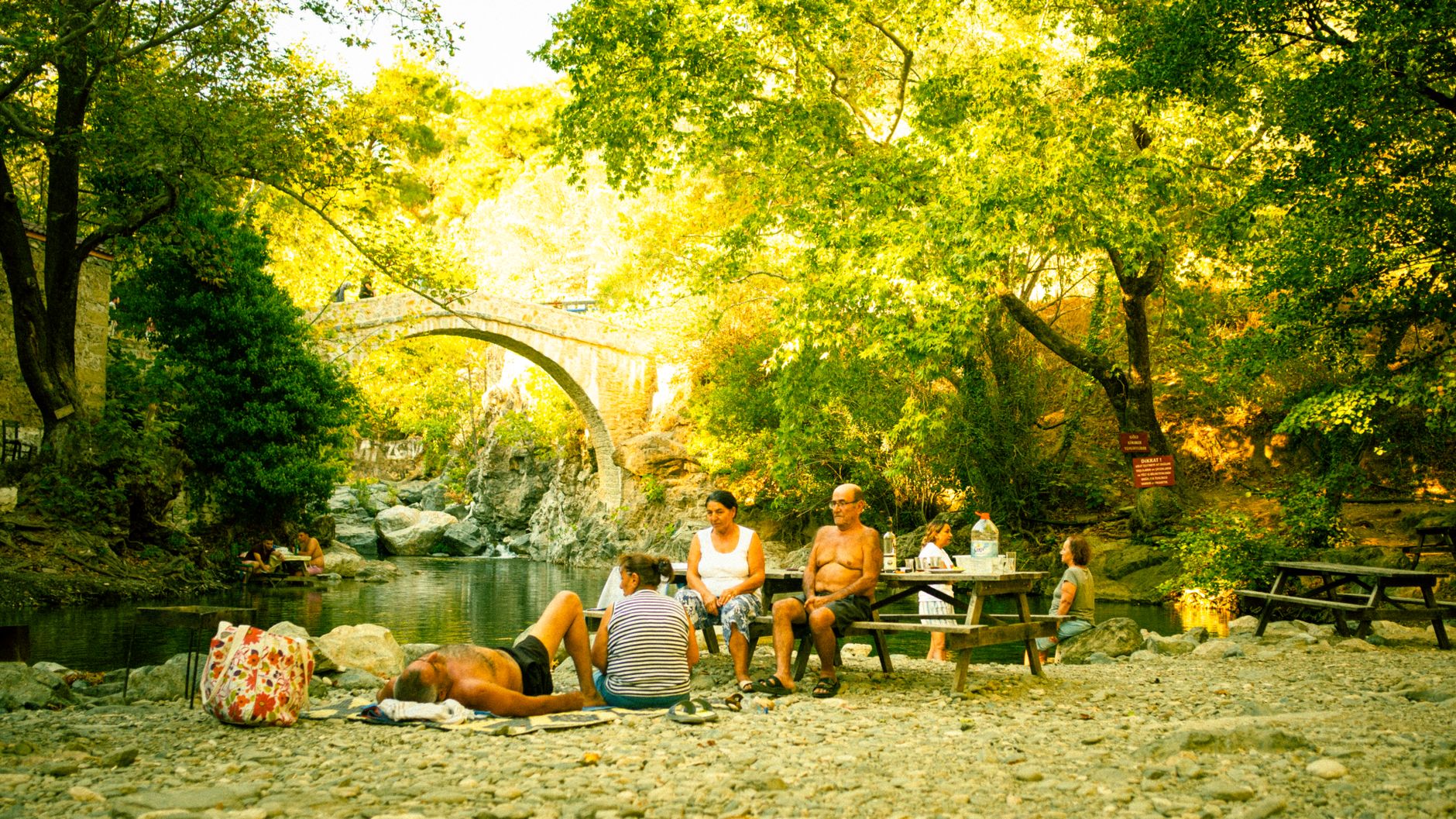
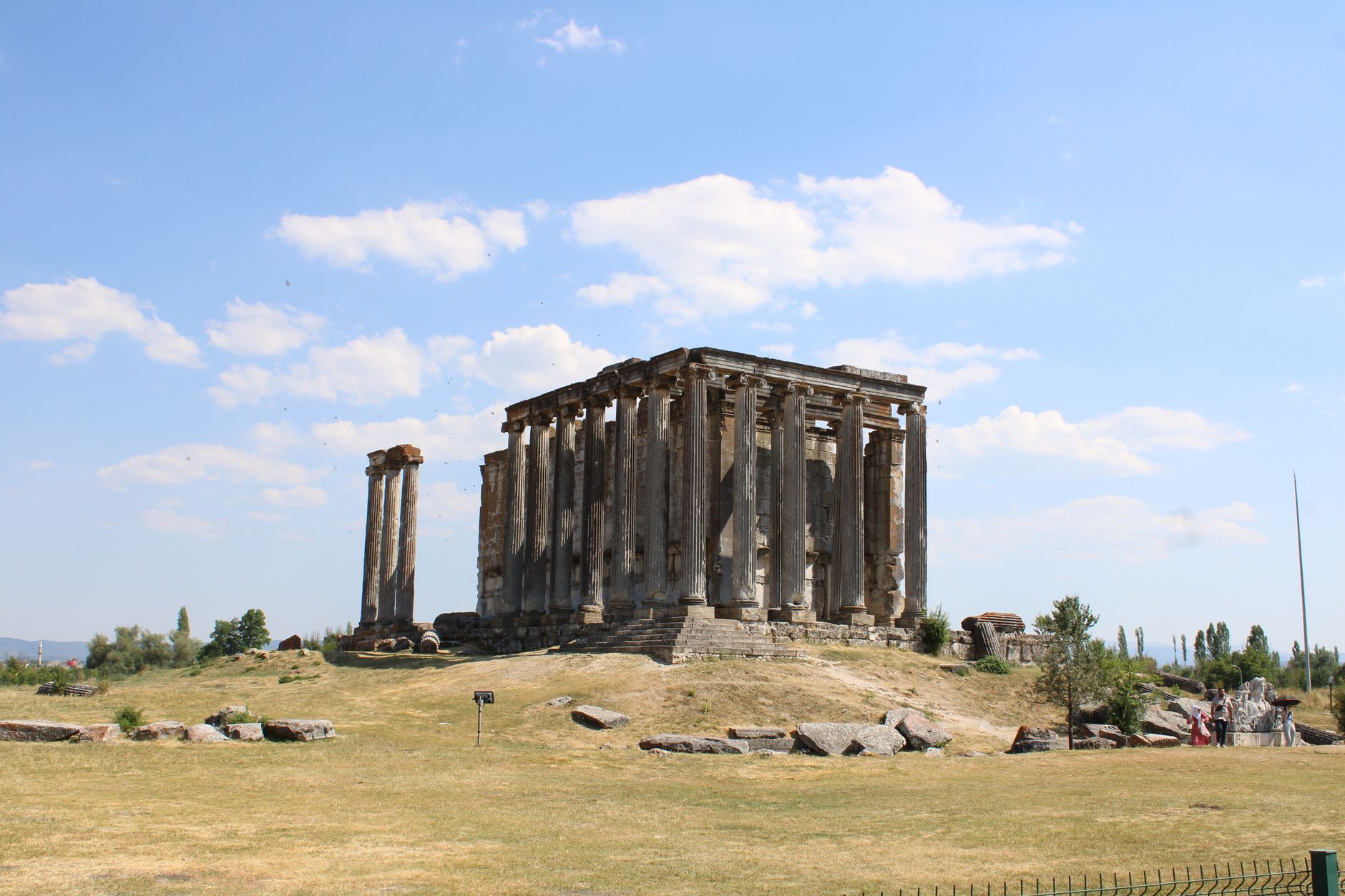
In the charming town of Aizanoi (modern Çavdarhisar), the Penkalas Bridge crosses the river of the same name. Built in the 2nd century AD, this Roman bridge is part of a larger archaeological site that includes one of the best-preserved temples to Zeus in Anatolia. Walking across the Penkalas, you're following a route that has been in continuous use for nearly two millennia.
The bridge is a low, sturdy structure with multiple arches, and its stones are worn smooth by time. It's a peaceful spot, with willows dipping into the water and ducks paddling by. The nearby Temple of Zeus is a must-see, and the site also features a fascinating combined theater-stadium, unique in the ancient world.
Çavdarhisar is a small town with a few guesthouses and restaurants serving delicious local cuisine. It's an easy day trip from Kütahya, which is known for its ceramics. Combining a visit here with a hike in the surrounding hills makes for a perfect day of history and nature.
Other Roman Bridges Worth a Detour
Türkiye is dotted with ancient bridges, each with its own character. The Bridge of Justinian (Sakarya Bridge) near Adapazarı was built by the Byzantine emperor Justinian I in the 6th century AD and still stands proudly over the Sakarya River. Its massive stone arches are a sight to behold, and the surrounding area offers peaceful walks along the riverbank.
In the south, the Bridge of Aspendos is another gem. Though partially ruined, its remaining arches hint at its former grandeur. It's located near the magnificent Aspendos Theater, one of the best-preserved Roman theaters in the world. A visit here can easily be combined with a trip to Side or Antalya.
For those exploring the Aegean region, the Bridge at Pergamon (modern Bergama) is a fascinating stop. The ancient city of Pergamon is a UNESCO World Heritage Site, and its bridge, though less famous, offers a glimpse into Roman infrastructure. The nearby Asclepion, an ancient healing center, is also worth exploring.
Engineering Marvels: How Roman Bridges Lasted
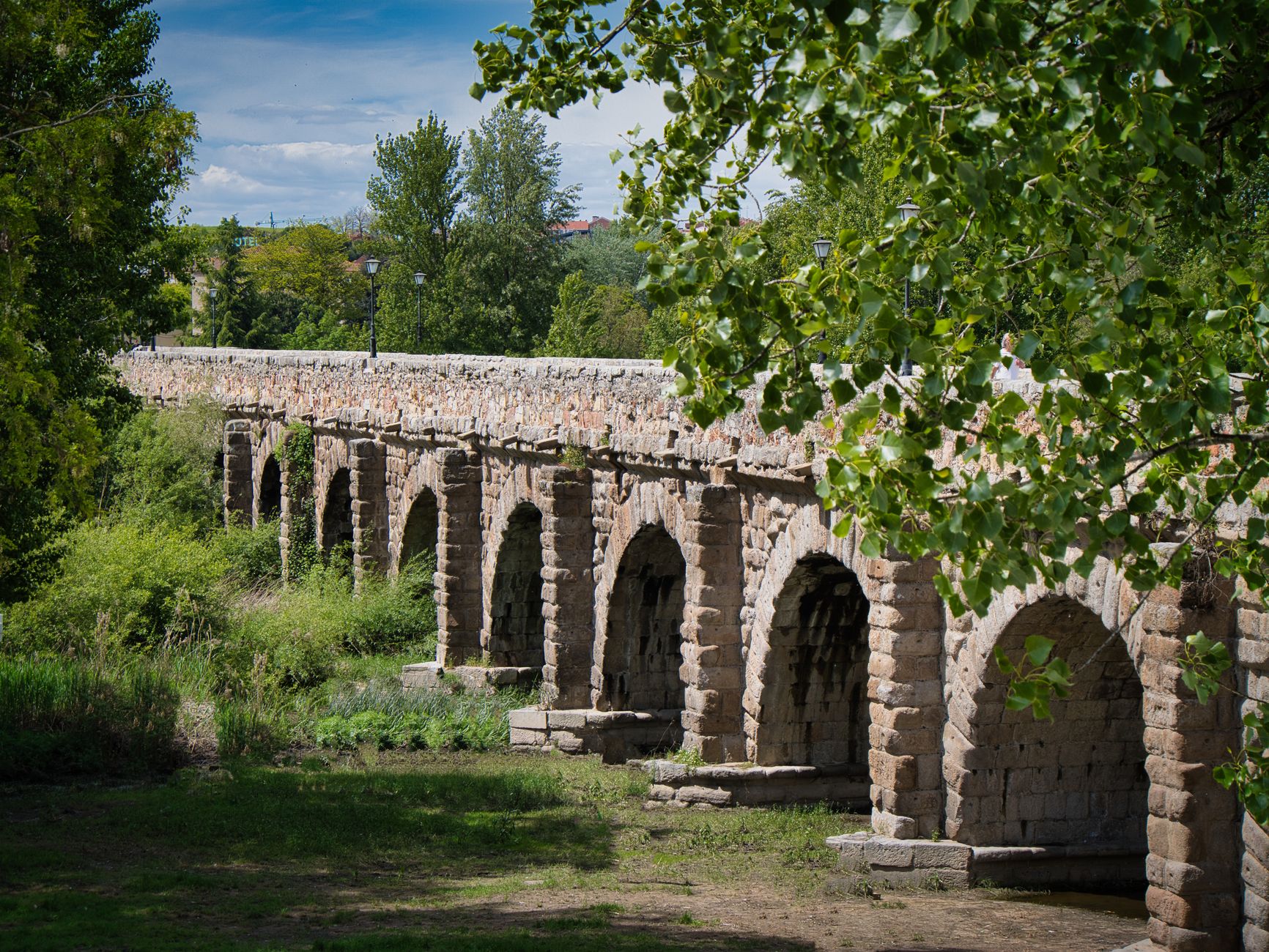
Roman bridges were built to last. Engineers used a combination of volcanic ash, lime, and seawater to create concrete that could set even underwater—a recipe lost for centuries. They understood the importance of drainage, using arches to distribute weight and allow water to flow freely during floods. Many bridges also had foundations that went deep into the riverbed, anchored by wooden piles.
The precision of their stonework is equally impressive. Stones were cut to fit tightly without mortar, and iron clamps were sometimes used to hold them together. This attention to detail is why so many Roman bridges still stand, while later structures have crumbled. Walking across one, you're not just crossing a river; you're experiencing the pinnacle of ancient engineering.
Ottoman builders later repaired and rebuilt many of these bridges, adding their own touches. The result is a layered history—Roman foundations, Seljuk arches, Ottoman paving stones. It's a testament to the continuous importance of these crossings.
Tips for Visiting and Combining with Nearby Attractions
To make the most of your bridge-hunting adventure, consider basing yourself in a nearby town and exploring the region. For the Eurymedon Bridge, stay in Beşkonak or Selge; for the Penkalas, Çavdarhisar is ideal. Renting a car gives you the flexibility to visit multiple sites, but public buses (dolmuş) also connect many towns.
Spring and autumn are the best times to visit, with mild weather and fewer crowds. Summer can be hot, especially in the south, so carry water and sun protection. Wear sturdy shoes—the stones can be uneven. And don't forget your camera; the bridges are photogenic at any time of day, but golden hour is magical.
Combine your bridge visits with hiking. The Köprülü Canyon has trails for all levels, and the area around Aizanoi offers gentle walks through olive groves. Many bridges are near ancient cities, so you can easily spend a day exploring both. And be sure to sample local cuisine—fresh trout by the Eurymedon or hearty stews in Çavdarhisar.
Practical Information for Your Trip
Türkiye's Roman bridges are mostly free to visit and open year-round. Some, like the Eurymedon, are in national parks with small entrance fees. The best way to reach them is by car, though some are accessible by public transport. Check local schedules in advance.
Accommodation ranges from simple guesthouses to boutique hotels. In Selge, you can find rustic pensions with river views; in Çavdarhisar, family-run places offer warm hospitality. Booking ahead is recommended in peak season.
Respect these ancient structures—don't climb on fragile parts or litter. They are not just tourist attractions but living heritage. By visiting, you support local communities and help preserve these wonders for future generations.
So lace up your walking shoes and set out to cross bridges that have connected worlds for millennia. In Türkiye, history isn't just in books—it's beneath your feet, waiting to be explored.
Thinking about a trip to Turkey?
Share your contact details and a vetted local expert will follow up with a plan built around you — free, no obligation.