

The Staff of Life in Türkiye
In Türkiye, bread is more than a side dish—it is the protagonist of the table, a sacred staple that has been broken and shared for centuries. The Turkish word for bread, ekmek, is woven into idioms, blessings, and daily rituals. To understand Türkiye, you must first understand its bread. From the thin, ethereal lavaş to the sesame-crusted simit, each loaf tells a story of geography, history, and hospitality.
Walk through any neighborhood in Istanbul at dawn, and you will be greeted by the scent of wood smoke and baking dough. The fırın (bakery) is the heart of the community, where neighbors gather for warm loaves and gossip. In rural Anatolia, the tandır—a clay oven buried in the ground—produces bread with a smoky aroma that cannot be replicated. This guide invites you to taste, learn, and fall in love with Turkish bread culture.
Anatolian Origins: The Tandır and Village Traditions
The tandır is an ancient technology, dating back to the Hittites and Sumerians. In villages across Anatolia, families still gather to bake bread in these sunken clay ovens. The process begins days in advance: women knead dough in large wooden troughs, often using a sourdough starter passed down through generations. The dough is shaped into flat rounds, slapped onto the hot interior walls of the tandır, and baked until blistered and fragrant.
The bread that emerges—tandır ekmeği—is a revelation. It has a chewy crumb, a smoky crust, and a subtle tang from the sourdough. It is baked in large batches, then dried and stored for winter months. In villages like Cumalıkızık near Bursa, a UNESCO World Heritage site, you can watch this age-old process and even try your hand at slapping dough onto the tandır wall.
Tandır bread is more than food; it is a communal event. Women work together, sharing stories and laughter, while children wait impatiently for the first hot loaf. If you are invited to a village home, you will likely be offered a piece of this bread with fresh butter, honey, or white cheese—a simple but profound expression of welcome.
Istanbul's Wood-Fired Fırın: The City's Aromatic Heart
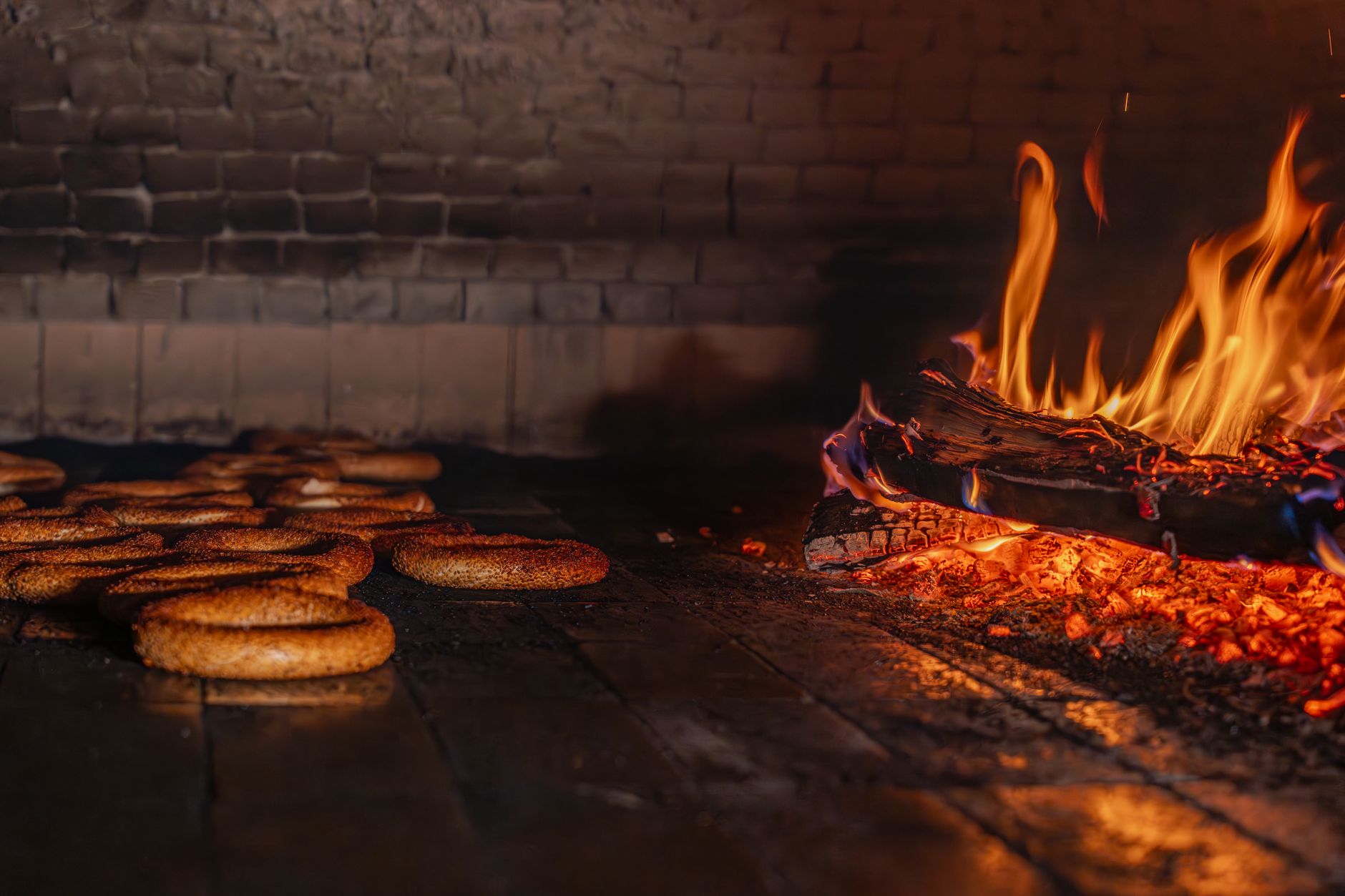
In Istanbul, the fırın (from the Greek fournos) is a neighborhood institution. These bakeries are easily identified by their chimneys and the queue of locals waiting for the morning's first batch. The classic Istanbul fırın is a wood-fired oven, often built into the wall, where bakers slide in rounds of dough using long wooden peels.
The most beloved bread here is somun—a soft, slightly chewy round loaf, often sprinkled with sesame or nigella seeds. It is the bread of choice for döner and köfte sandwiches, and it is what you will find on every table at breakfast. Another staple is pide, a flatbread that can be topped with minced meat, cheese, or vegetables, but also enjoyed plain, torn and dipped in olive oil.
For a true Istanbul experience, visit a historic fırın in districts like Kadıköy, Balat, or Beyoğlu. Many have been in the same family for generations. Ask for sıcak ekmek (hot bread) and eat it on the spot, or take it home to pair with Turkish breakfast staples: olives, tomatoes, cucumber, and white cheese.
Regional Breads You Must Try
Türkiye's bread repertoire is vast, shaped by regional ingredients and customs. Here are a few you should seek out:
- Lavaş: Thin, soft flatbread, often used to wrap kebabs. In the southeast, it is baked on a convex griddle called a sac.
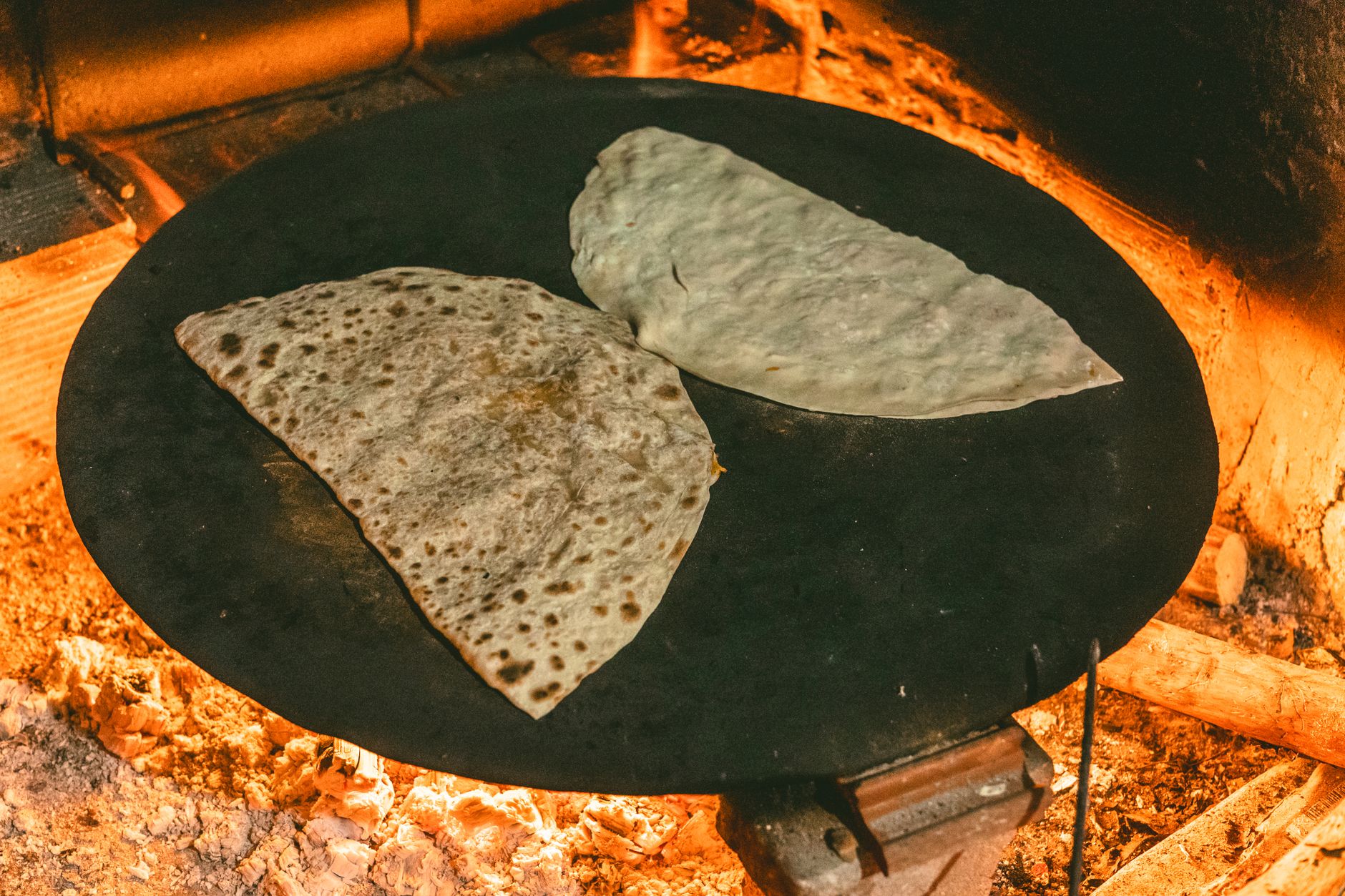
- Bazlama: A thick, fluffy flatbread cooked on a sac, brushed with butter and sometimes stuffed with cheese or potatoes.
- Gözleme: A stuffed flatbread, rolled thin and cooked on a sac, filled with spinach, cheese, or meat. It is a popular street food.
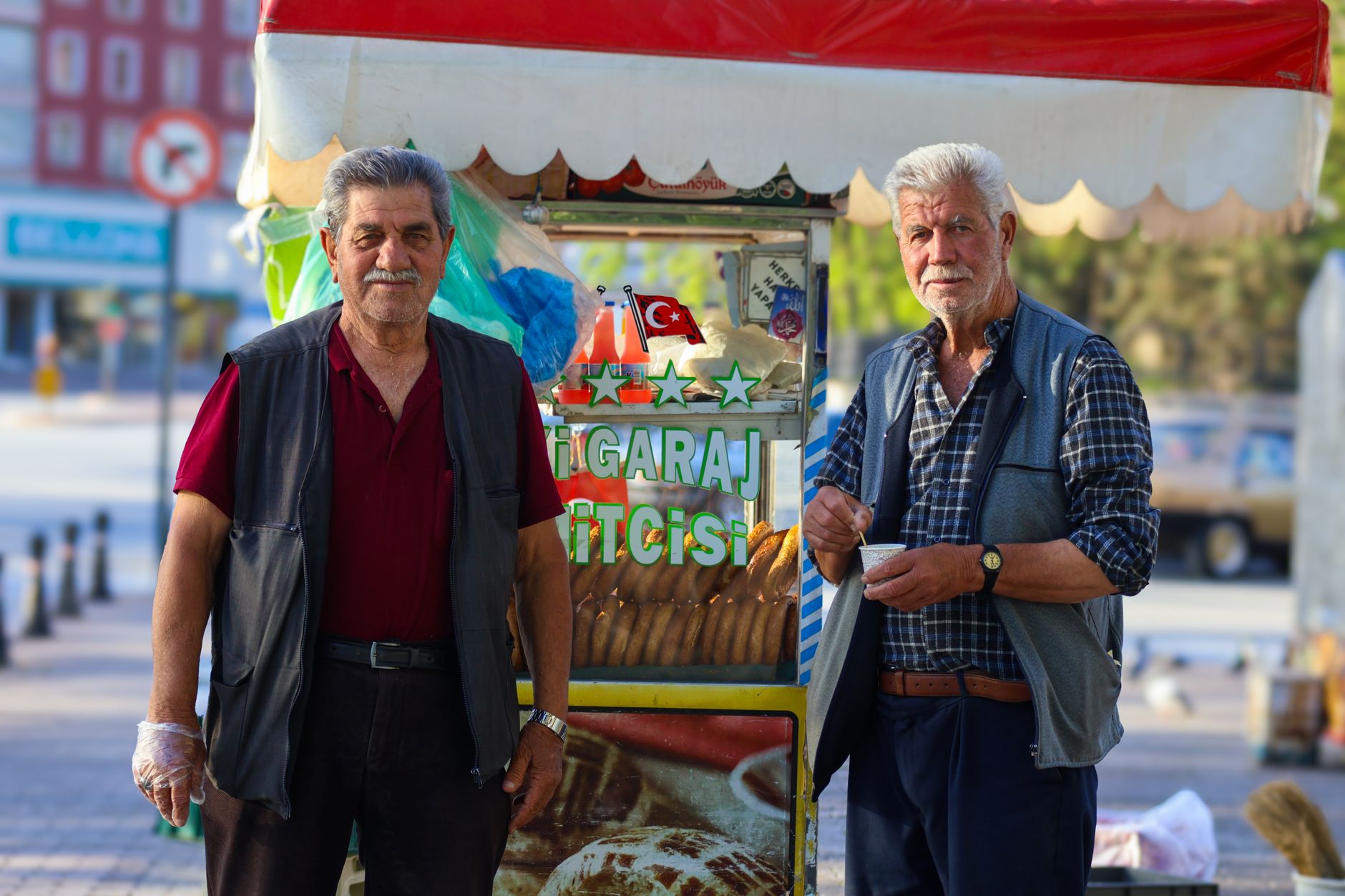
- Simit: A circular sesame-crusted bread, similar to a bagel, sold by street vendors from morning to night. It is Istanbul's quintessential snack.
- Kete: A flaky, layered bread from Eastern Anatolia, often filled with walnuts or sugar.
- Pide: Boat-shaped flatbread with various toppings, from kıymalı (minced meat) to kaşarlı (cheese).
Each region has its own variation. In the Black Sea region, you will find mısır ekmeği (cornbread), while the Aegean coast offers ekşi mayalı (sourdough) loaves with a distinct tang. Wherever you go, ask a local for their favorite bread—it is a sure way to start a conversation.
The Rituals of Turkish Hospitality: Bread on the Table
In Türkiye, bread is a symbol of hospitality. It is never cut with a knife; instead, it is torn by hand and shared. At the start of a meal, the host will often place a basket of fresh bread on the table, and it is considered rude to refuse. The phrase "ekmek teknesi" (bread trough) refers to the source of one's livelihood, highlighting how deeply bread is embedded in the culture.
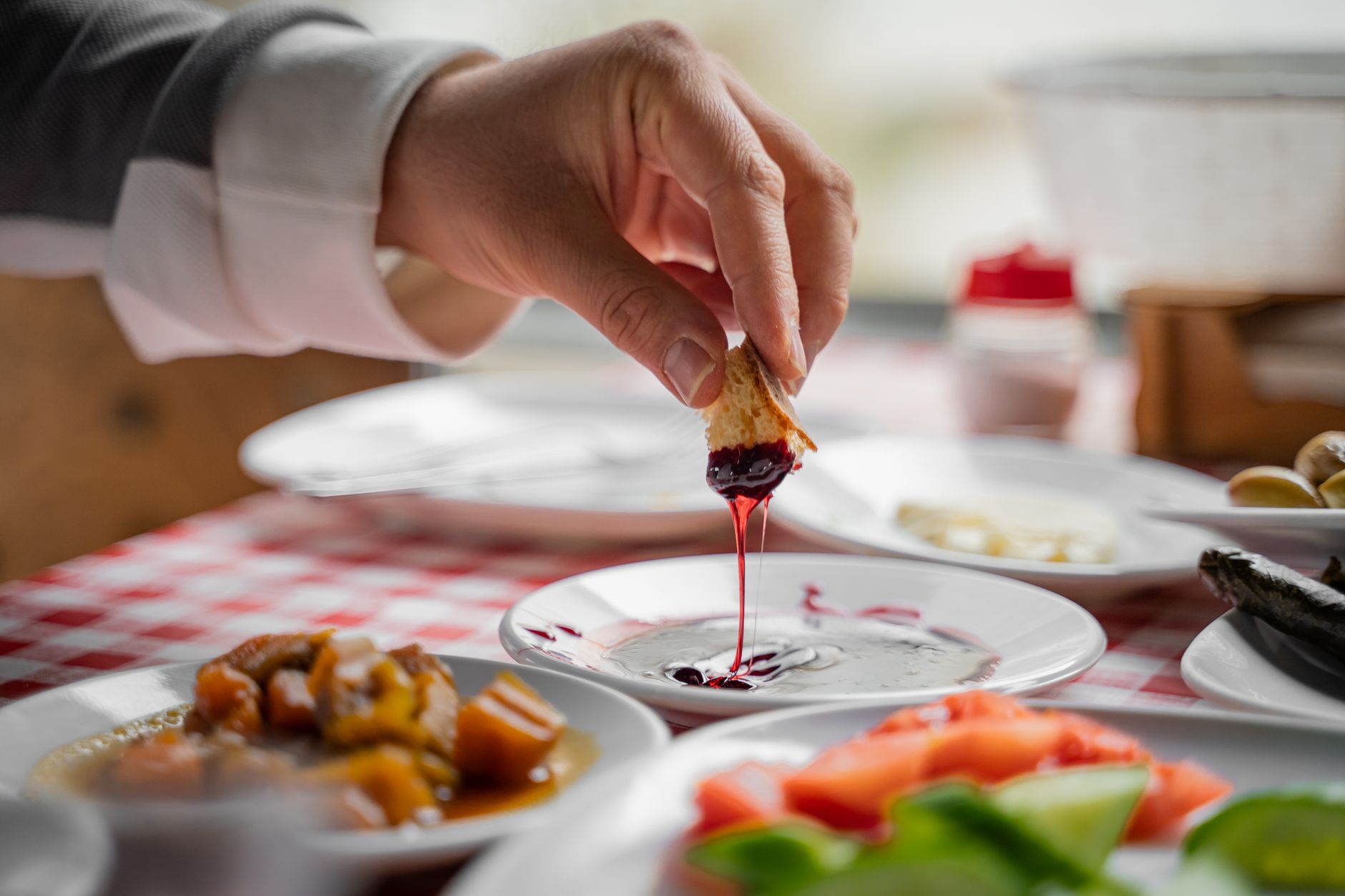
Breakfast (kahvaltı) is a bread-centric affair. Tables groan under the weight of cheeses, jams, olives, and eggs, but the star is always the bread—often somun or simit, torn and dipped into honey or kaymak (clotted cream). At lunch, lavaş wraps around grilled meats, and at dinner, pide accompanies stews and mezes.
When you are invited to a Turkish home, bring bread as a gift. It is a gesture that says you understand the culture. And if you are offered bread, accept it with both hands—it is a blessing.
Hands-On: Learn to Bake Turkish Bread
For travelers who want to go beyond tasting, several workshops across Türkiye offer bread-baking experiences. In Istanbul, you can join a half-day simit workshop in Karaköy, where you will learn to twist the dough and dip it in sesame seeds before baking. In Cappadocia, some cave hotels offer tandır baking classes, where you can knead dough and bake it in a traditional clay oven.
For a deeper immersion, consider a homestay in a village like Şirince or Ayvalık, where you can participate in the daily bread-making routine. Many families are happy to teach visitors, especially if you show genuine interest. You will learn about sourdough starters, the importance of resting dough, and the art of slapping it onto a hot tandır wall.
If you cannot travel now, try baking bazlama at home. The recipe is simple: flour, water, yeast, salt, and yogurt. Knead, let rise, roll into rounds, and cook on a hot griddle. Brush with butter and serve warm. It won't be the same as eating it in a village, but it will bring a taste of Türkiye to your kitchen.
Where to Buy Fresh Bread: A Traveler's Guide
In Türkiye, fresh bread is everywhere. Look for the word fırın or ekmek on signs. In cities, bakeries open early (around 5 AM) and often sell out by evening. Here are some tips:
- Istanbul: Head to Karaköy Fırın for sourdough, or any neighborhood fırın for somun. Simit vendors are on every corner.
- Ankara: Visit Ulus district for traditional bakeries, and try Ankara simidi, which is crisper than Istanbul's.
- Izmir: The Kemeraltı Market is a paradise for bread lovers, with vendors selling boyoz (a flaky pastry) and gevreki.
- Gaziantep: Known for its cuisine, the city offers lavaş and bazlama that are unmatched.
Always buy bread fresh and consume it within a day. If it goes stale, don't throw it away—turn it into pekmezli ekmek (bread with grape molasses) or ekmek aşı (bread soup).
At the end of your journey, you will realize that bread is not just food—it is the thread that binds Turkish culture together. From the tandır's smoky embrace to the fırın's golden crust, every loaf tells a story of community, tradition, and love.
Thinking about a trip to Turkey?
Share your contact details and a vetted local expert will follow up with a plan built around you — free, no obligation.