
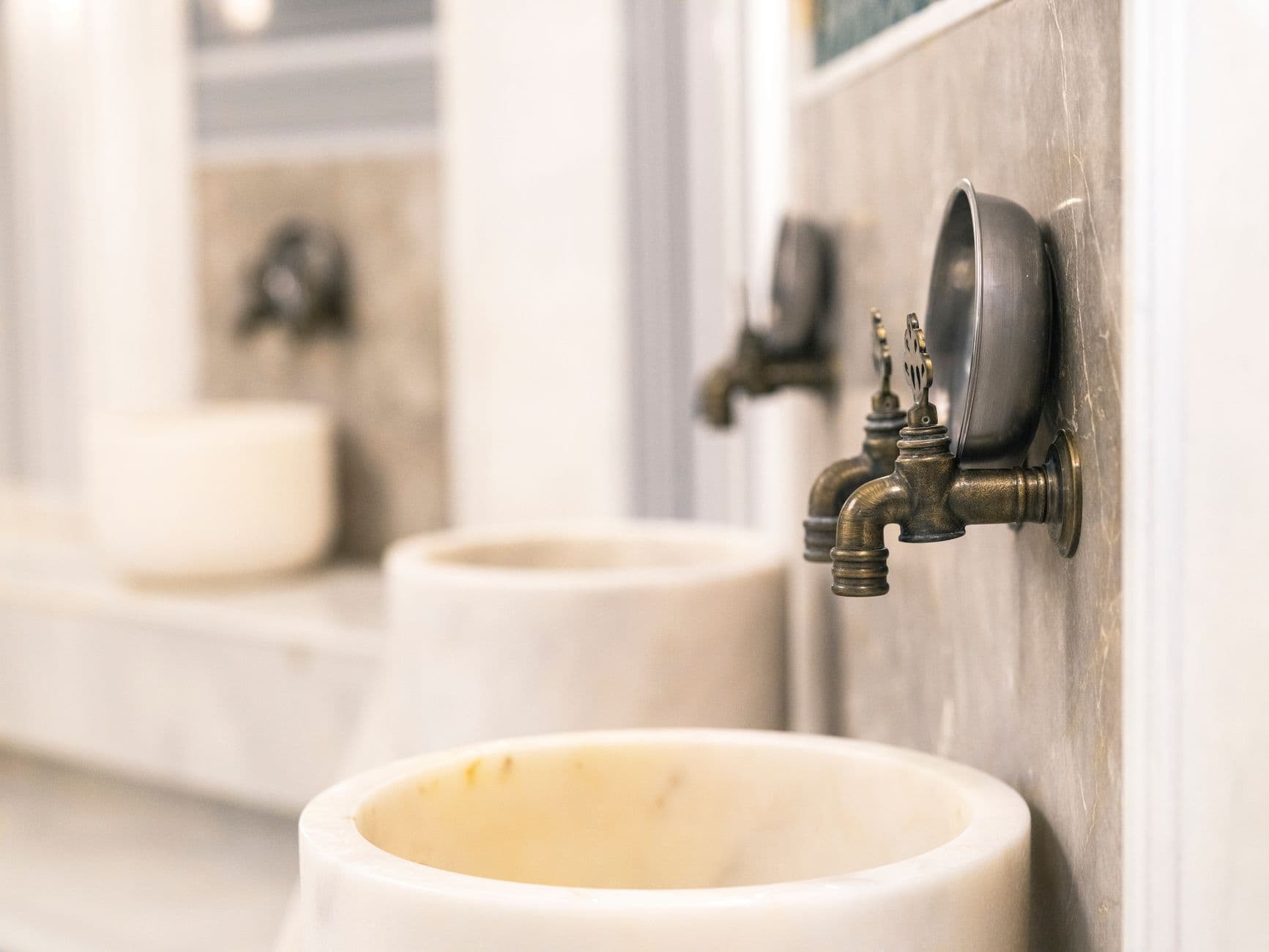
Why the Hammam Belongs on Every Family Itinerary
The Turkish hammam is one of those experiences that sounds intimidating from the outside and feels utterly welcoming from within. Behind the marble doorway you will find warm stone slabs, domed ceilings pierced with star-shaped light, and attendants whose job is essentially to make you feel cared for. It is a public bath, a social institution and a wellness ritual all at once, and it has been part of daily Turkish life for centuries.
For couples and families, the good news is that the hammam tradition is flexible. Many historic and modern baths across Türkiye offer private rooms for couples, families or small groups, so you do not have to navigate the traditional men’s and women’s sections separately if you would rather stay together. Attendants are used to first-timers, shy teenagers and toddlers alike, and they will happily adjust the pace, the heat and the scrubbing to suit you.
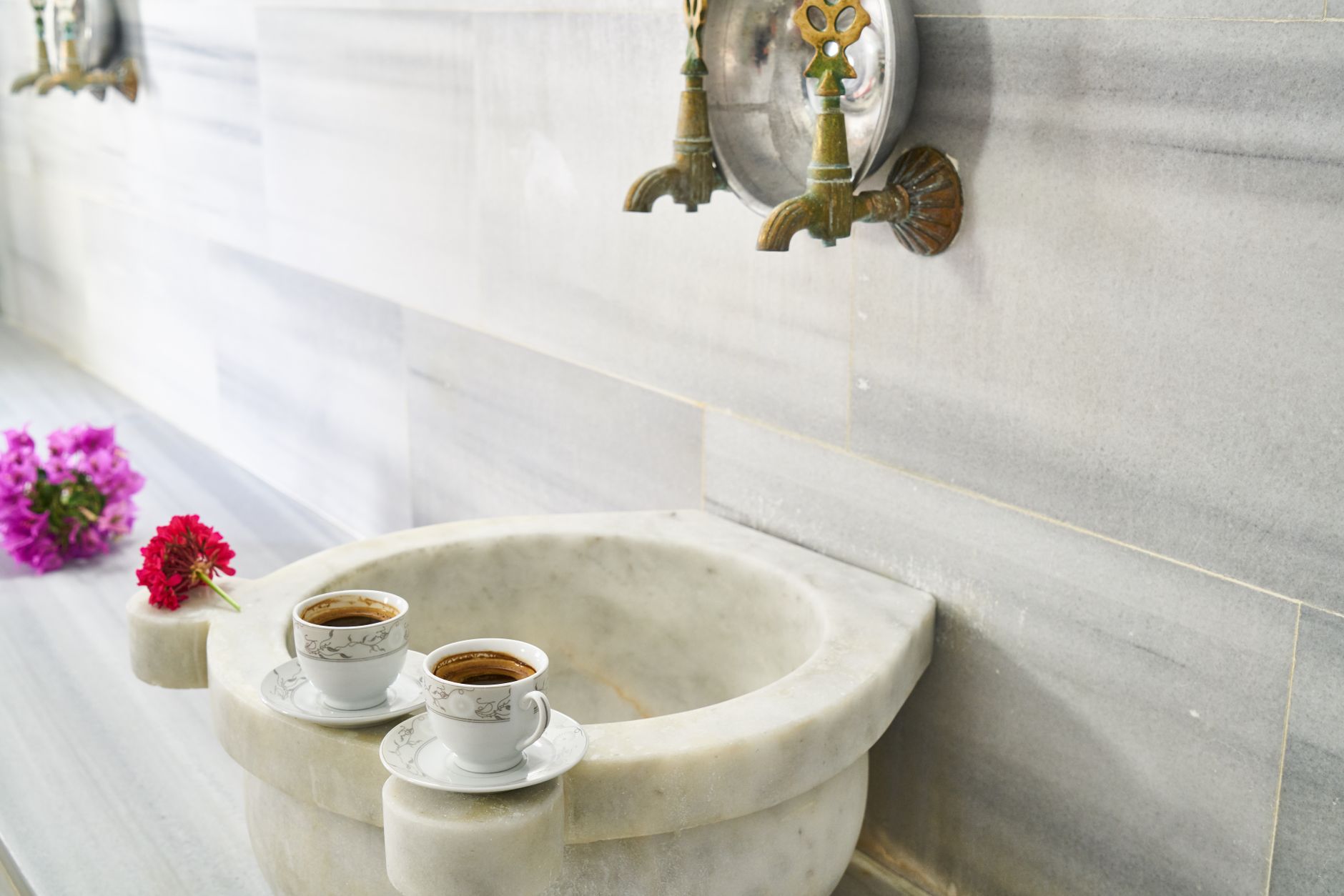
What makes the experience memorable is not just the exfoliation or the bubbles, but the hospitality. Expect to be offered tea, sherbet or a cool glass of water, to be wrapped in a soft pestemal towel, and to be gently nudged toward rest rather than efficiency. If you are building a relaxed itinerary around culture and comfort, our guides can help you slot a hammam visit into a wider Turkish journey.
How a Traditional Hammam Works, Step by Step
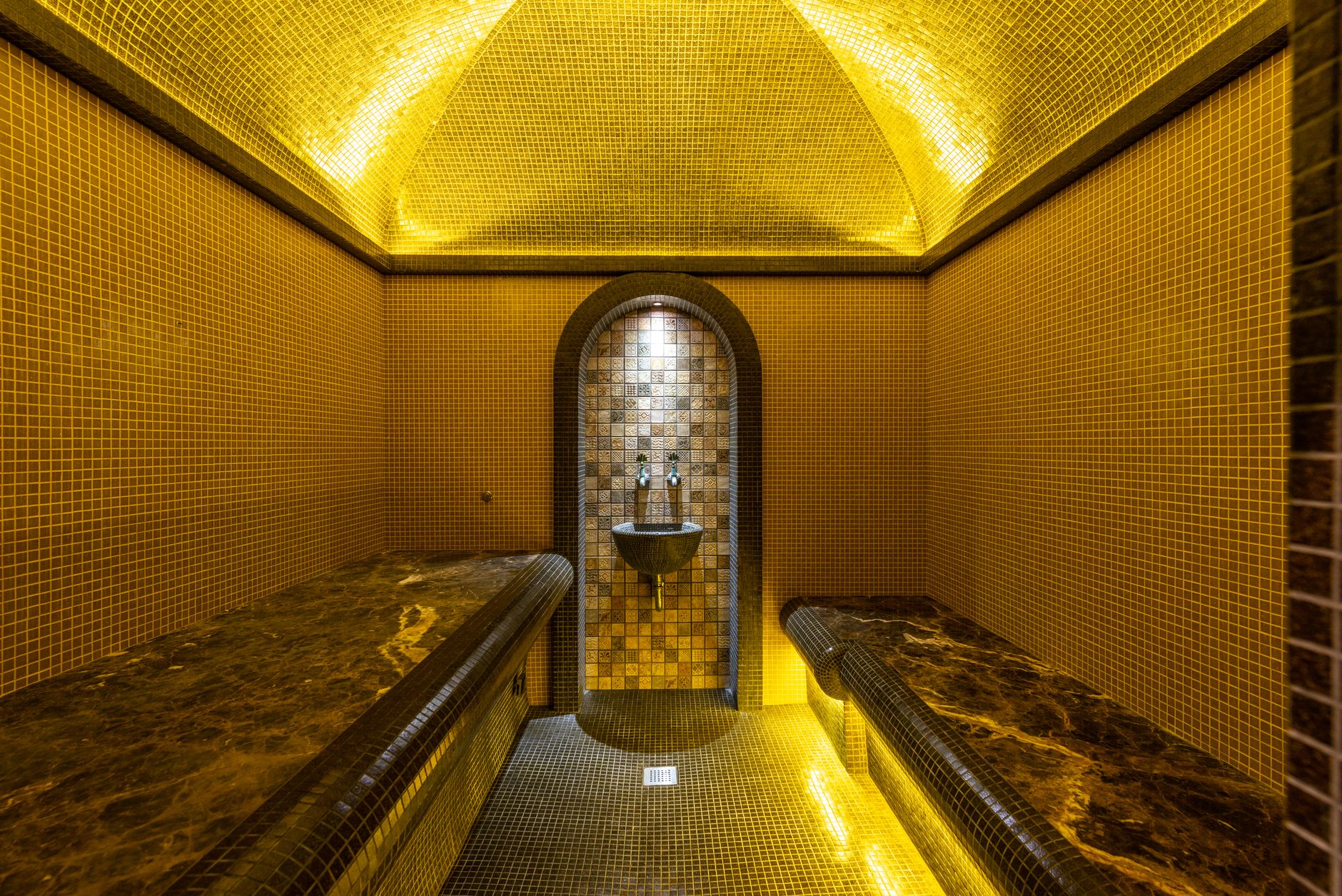
The building usually has a changing area (camekan), a warm transition room (sogukluk) and the hot marble chamber itself (hararet) with a raised central stone called a gobektasi. You will be given a thin cotton pestemal to wrap around yourself and, in most places, disposable slippers. Lockers are standard; valuables can often be left with reception.
The ritual is unhurried. You first relax on the hot stone to open the pores and soften the skin. Then an attendant performs the kese scrub, using a rough mitt to lift away dead skin, followed by a foaming wash with a soapy cloth that fills the air with bubbles. After rinsing, many baths offer a short oil massage, and you finish wrapped in towels with a drink in the cool room.
A full visit typically takes 60 to 90 minutes including changing and resting. Package prices vary widely depending on the city and the bath’s history: a basic scrub and wash costs less, while a scrub plus massage and private room costs more, and luxury hotel spas sit at the top of the range. Always confirm what is included before you commit, and ask whether the price is per person or per private room.
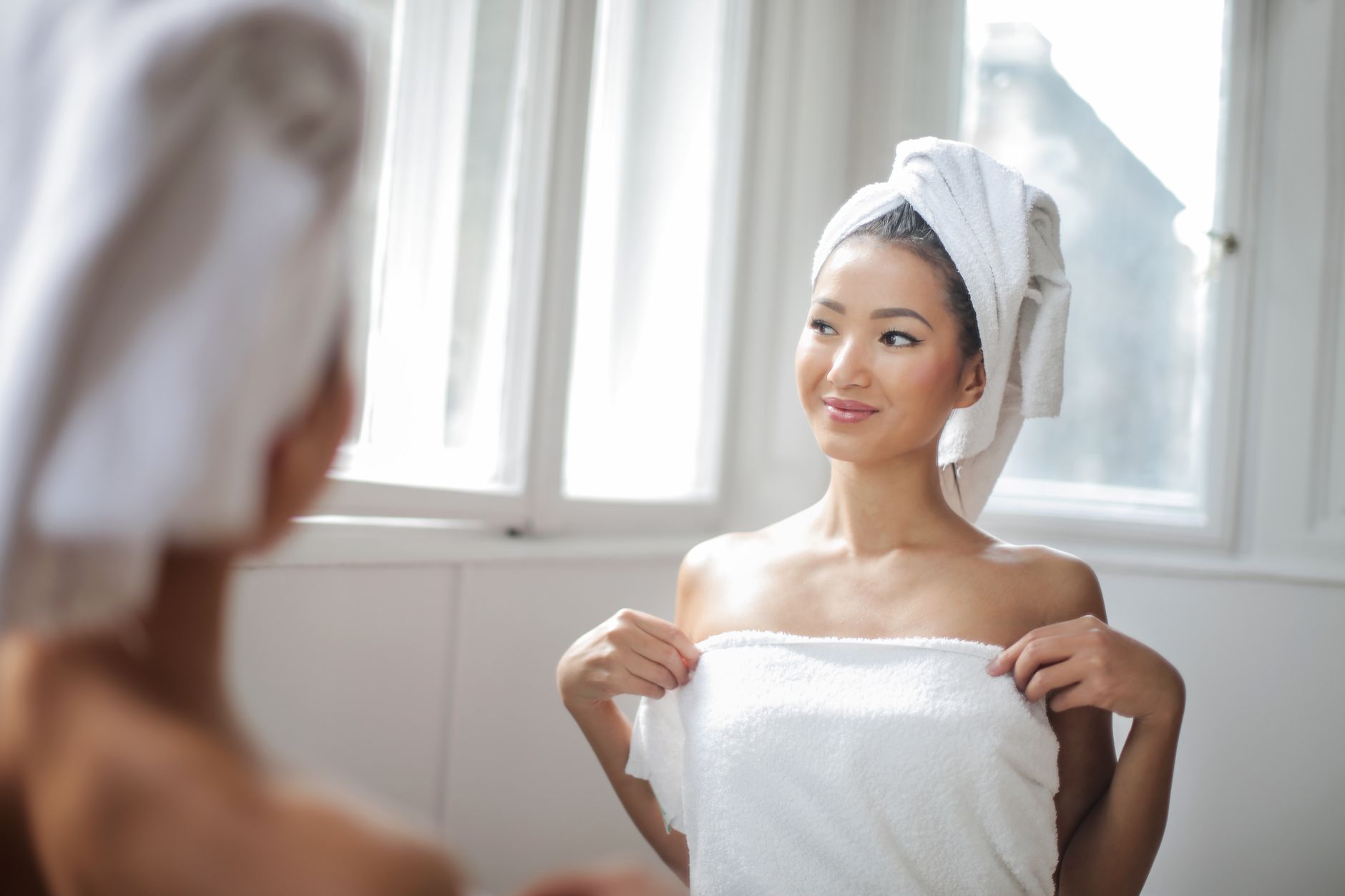
Privacy for Couples: What to Expect and How to Ask
Traditional neighbourhood baths often have separate hours or separate sections for men and women, and the scrub itself is performed by attendants of the same gender as the guest. Many historic baths still work this way, and it is part of the authenticity. If you are a couple who wants to stay together, look for baths that advertise private family or couple rooms with their own marble slab and washing area.
Booking a private room is the simplest way to enjoy the ritual side by side without any awkwardness. You get the same heat, the same kese scrub if you want it, and the same tea afterwards, but in your own space. Ask in advance whether the private room includes one or two attendants, whether massage is available, and whether children can join you in that room. These details make a real difference to how relaxed everyone feels on the day.
It also helps to know the etiquette around modesty. Guests are generally covered with a pestemal throughout, and attendants are discreet and professional. You are never expected to be fully exposed in a shared area, and in private rooms you can set your own comfort level. A useful rule of thumb: speak up early, and the staff will quietly arrange things so that everyone feels at ease.
A Hammam Visit with Children: Practical, Gentle Advice
Families visit hammams together all the time, and attendants are famously warm with children. That said, the heat is real, so plan a shorter visit for little ones, keep them hydrated, and let them sit in the cooler part of the chamber when they have had enough. Many baths will arrange a family slot or a private room precisely so that parents can relax without worrying about noise or schedules.
Bring or ask for extra towels, and pack a change of clothes for everyone. Flip-flops are provided in most places, but a spare pair of socks for the cool room is a small comfort on chilly days. If your child is sensitive to noise or steam, mention it to the attendant; they can lower the temperature slightly, shorten the scrub or skip it altogether.
For teenagers, the scrub is often the surprise highlight, a mix of slight self-consciousness and pure astonishment at how soft their skin feels afterwards. Frame the visit as a treat rather than a chore, and let them choose whether to have the kese or just the foam wash. The result is usually a much calmer afternoon than anyone expected, which is exactly the point. Our travel tools page has more ideas for planning easy, low-stress days with family in tow.
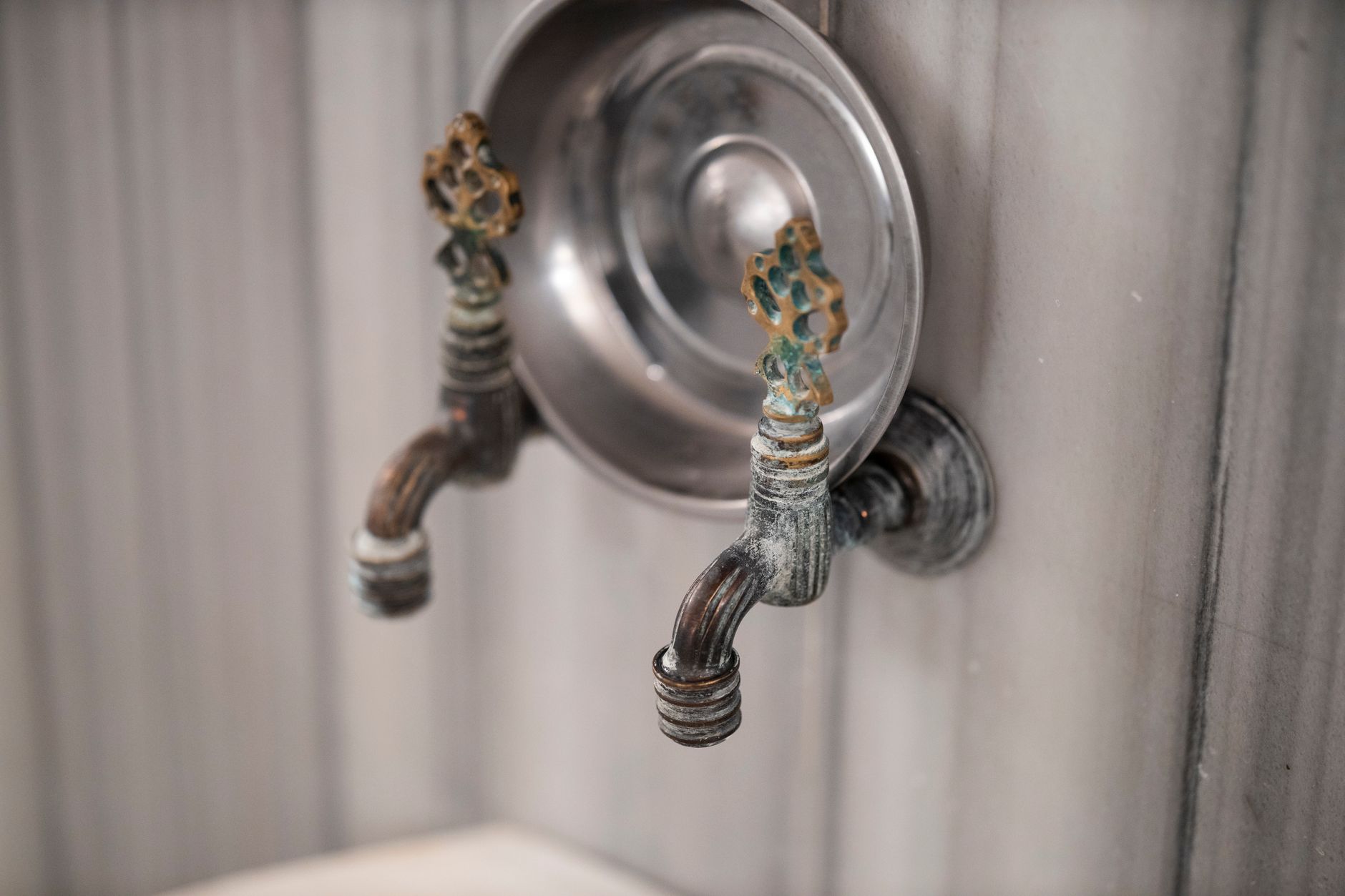
Etiquette, Tipping and Timing Done Right
Hammam etiquette is mostly common sense wrapped in courtesy. Arrive a few minutes early, shower before entering the hot chamber if the bath asks you to, keep voices low in the resting areas, and follow the attendant’s directions about where to sit and how to lie on the stone. Photography is usually not permitted in shared areas; in a private room, ask first.
Tipping is customary and appreciated but never aggressive. A modest tip for the scrub attendant, given discreetly in cash after the service, is the norm, with a little more if you had a massage or a particularly attentive experience. Some baths include a service charge; if so, a small additional tip is still welcome. Keep small notes handy and hand them over directly rather than leaving them on a bench.
Timing matters more than people expect. Late morning and early afternoon tend to be quieter, while evenings and weekends fill up. If you want a private room, book a day ahead in Istanbul, Izmir or Antalya, and confirm the slot in writing if you can. Avoid a hammam visit immediately after a heavy meal, and drink water before and after. For seasonal weather advice that helps you choose the right kind of day for a steamy indoor treat, see our best-time guide.
Classic Baths and Modern Spas Across Türkiye
Istanbul is the natural starting point, with centuries-old baths in the historic peninsula and lively neighbourhood hammams on both sides of the Bosphorus. Many of the grand historic baths now offer private rooms alongside their traditional sections, which makes them a good choice for couples and mixed-age families. In Izmir, Bursa and Antalya you will find a similar mix of heritage baths and contemporary spa hammams attached to hotels.
Beyond the big cities, smaller towns often have a local bath that is simpler, cheaper and wonderfully unhurried. These are the places where the social side of the hammam shines, and where staff may have more time to walk first-timers through the ritual. For inspiration on where to base yourself, browse our destinations section and look for towns with a historic hamam near the centre.
Wherever you go, the common thread is the welcome. You will be met with tea, gentle humour and a genuine desire for you to leave feeling lighter than when you arrived. That blend of privacy, care and calm is the real luxury of the Turkish bath, and it is something couples and families can share together.
Packing, Comfort and the Warmth of Turkish Hospitality
Pack light: a change of underwear, a small towel if you prefer your own, and a waterproof bag for anything damp afterwards. Most baths provide everything else. Leave jewellery at the hotel, wear easy shoes, and bring a hair tie if you have long hair. If you have sensitive skin, mention it before the kese scrub so the attendant can be gentler.
The hospitality is the part people remember. Attendants will check that the water is not too hot, that children are comfortable, and that you have somewhere quiet to sit afterwards. Tea arrives without being asked, and no one rushes you toward the door. In a travel culture that often prizes speed, the hammam is a deliberate pause, and families tend to leave with a shared story rather than a checklist of sights.
If you would like help shaping a trip that includes a hammam day alongside markets, mosques, coastal walks and good food, our trip planner and local experts can build a route around your family’s rhythm. And if you are still deciding how a bath fits into a broader Turkish adventure, our itineraries show how a single slow morning can anchor an entire week.
Thinking about a trip to Turkey?
Share your contact details and a vetted local expert will follow up with a plan built around you — free, no obligation.