

Why the Hammam Is a Must-Do for Couples and Families
A visit to a traditional Turkish hammam is more than a bath—it's a cultural immersion, a social ritual, and a chance to slow down and connect. For couples, it's a shared experience of relaxation and intimacy (in the right setting). For families, it's a joyful, screen-free activity that kids often remember for years. The hammam has been a cornerstone of Turkish life for centuries, and today it welcomes visitors of all backgrounds. But before you go, it helps to understand the etiquette and options, especially if you're visiting as a couple or with children.
In this guide, we'll walk you through the different ways to enjoy a hammam together, from mixed sessions to private rooms and family hours. We'll also cover what to bring, how the ritual unfolds, and practical tips to make your visit smooth and enjoyable. Whether you're in Istanbul, Antalya, or a small Anatolian town, the hammam is a highlight of any Türkiye trip—and with a little planning, it can be a highlight for everyone in your group.
Mixed vs. Single-Sex Sessions: What to Expect
Traditional hammams in Türkiye are often segregated by gender, either by separate hours or separate facilities. This is rooted in Islamic custom, and many historic baths maintain this practice. However, tourist-oriented hammams in popular destinations may offer mixed sessions, where men and women bathe together in swimwear. These mixed sessions are usually clearly advertised, and they're a good option for couples or families who want to stay together.
If you're visiting as a couple, check ahead: some hammams have "couples hours" or private rooms that allow mixed-gender use. For families with young children, mixed sessions can be convenient, as parents can supervise kids of different genders. But be mindful of local norms: in more conservative areas, mixed bathing may not be available, and it's respectful to follow the established schedule. When in doubt, ask your hotel or a local guide—or consult our guides for region-specific advice.
Single-sex sessions, on the other hand, offer a more traditional experience. Women's and men's sections are usually separate, often with different entrances. In these sessions, you'll be among people of the same gender, and attire is typically a peştemal (a thin cotton wrap) for both men and women. This can be a wonderfully authentic way to experience the hammam, but couples should plan to visit separately or choose a mixed/private option if they want to share the experience.
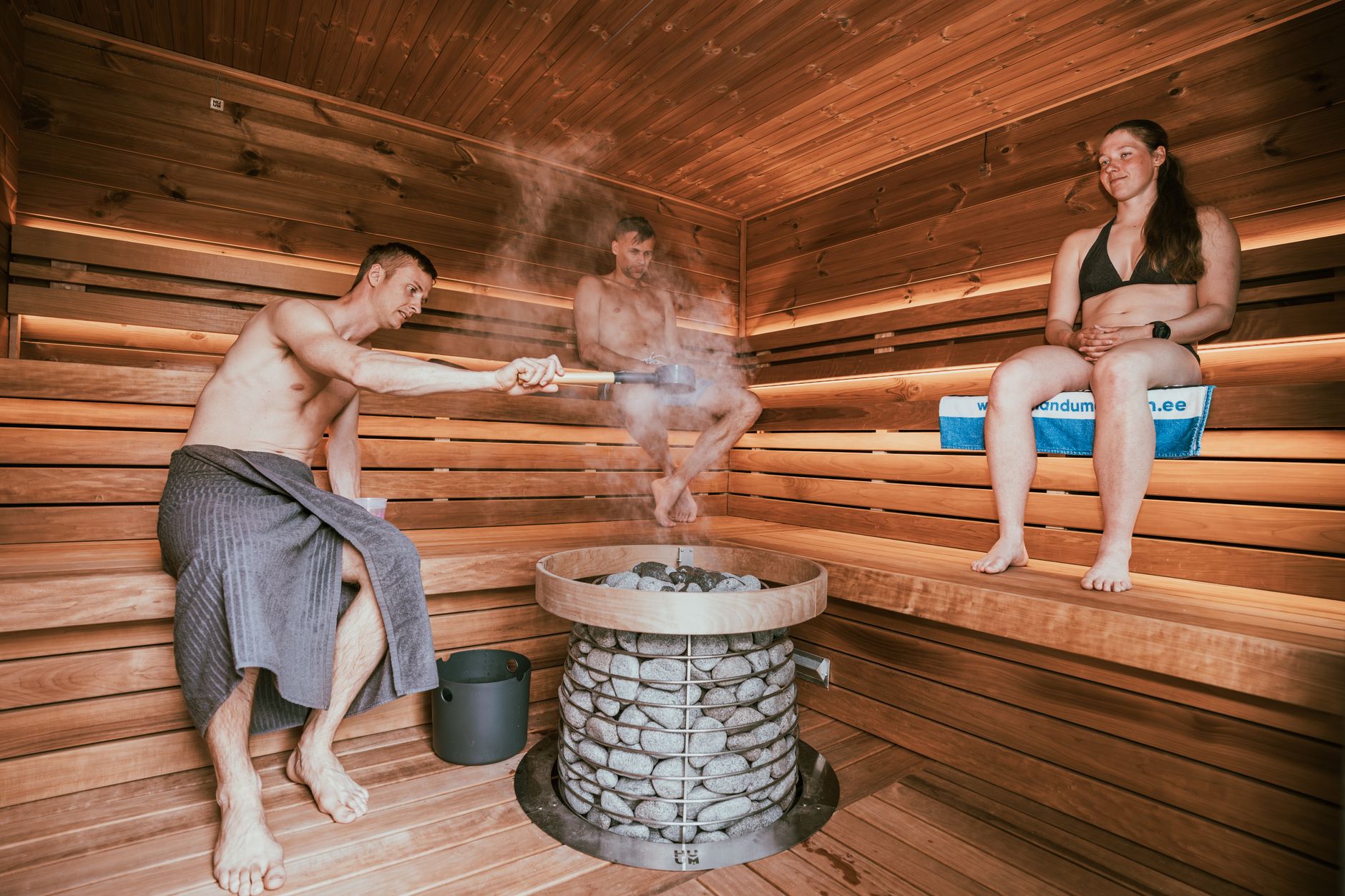
Family Hours and Private Rooms: Keeping Everyone Comfortable
Many hammams now offer family hours, typically on weekends or during off-peak times, when parents can bring children of both genders. These hours are designed to be more flexible and often less crowded. It's a good idea to call ahead to confirm family hours and any age restrictions—some hammams have a minimum age for children, usually around 6 or 7, for safety and noise considerations.
Private rooms are another excellent option for couples and families. These can be booked for a set period and allow you to enjoy the hammam in your own group, without strangers. Private rooms often come with a private tellak (attendant) who performs the scrub and foam massage. They're ideal if you want privacy, have small children, or simply prefer a more intimate experience. Expect to pay more for a private room, but the flexibility and comfort can be worth it.
When booking, clarify what's included: some private rooms include the full ritual (scrub, foam, tea), while others are just the space. Also, ask about amenities like towels, slippers, and lockers—most hammams provide these, but it's always good to confirm.
What to Bring: Packing for the Hammam
Most hammams provide the essentials: a peştemal, a towel, and plastic slippers. But there are a few things you should bring to make your visit more comfortable, especially if you're with family:
- Swimwear: For mixed sessions, a swimsuit is usually required. For single-sex sessions, you can wear underwear or swimwear under the peştemal, but many people go without. Bring a spare plastic bag for wet items.
- Flip-flops: While slippers are provided, they may not fit well. Bringing your own flip-flops ensures comfort and hygiene.
- Toiletries: Many hammams provide soap and shampoo, but if you have sensitive skin, bring your own. A small towel or washcloth is also handy.
- Water: Stay hydrated! Bring a water bottle; some hammams offer tea or juice, but it's good to have your own.
- Hair tie: For those with long hair, a hair tie is useful.
- Change of clothes: You'll want fresh clothes after your bath.
- Valuables: Leave jewelry and expensive items at home or in a safe at your hotel. Lockers are usually available, but it's best to travel light.
For families, consider bringing a small toy or book for children to keep them occupied if there's waiting time. Also, pack a snack for kids—hammam sessions can take longer than expected.
The Ritual Unfolds: From Peştemal to Tea
Knowing what to expect can ease any nerves. Here's a step-by-step look at a typical hammam visit:
- Arrival and changing: You'll be given a peştemal (and sometimes a key for a locker). Change into your swimwear or underwear, wrap the peştemal around you, and put on slippers.
- Relaxation in the hot room: The main hammam area is a heated marble room with a large central slab (göbek taşı). Lie down and let the heat open your pores. This is a time to unwind and chat quietly.
- Scrub and foam massage: A tellak (attendant) will call you for your scrub. They'll use a rough mitt (kese) to exfoliate your skin, then a foamy massage with a special cloth. This is the highlight for many! It's normal to feel a bit vulnerable, but the attendants are professionals and will guide you. For private rooms, the tellak comes to you.
- Rinsing and washing: After the scrub, you'll rinse off using bowls from the marble sinks. Many hammams have taps with cold and hot water; mix to your comfort.
- Cooling down and tea: After the heat, you'll move to a cooler room to relax. Here, you'll often be served complimentary tea or sherbet. This is a social time; feel free to linger.
- Dressing and departure: Change back into your clothes, perhaps apply lotion, and you're done. Many hammams have a hair dryer and mirrors.
The entire experience usually takes 1 to 1.5 hours, depending on how long you relax. The ritual is flexible—you can stay in the hot room as long as you like, and you can skip the scrub if you prefer.
Etiquette Tips for Couples and Families
Hammam culture is relaxed, but a few etiquette pointers can make your visit smoother:
- Quiet enjoyment: The hammam is a place for relaxation; keep voices low and avoid splashing.
- Modesty: Even in mixed sessions, it's not a place for overt public displays of affection. Keep it PG.
- Respect personal space: Don't stare; the hammam is a communal space, but everyone deserves privacy.
- Supervise children: Keep an eye on kids, especially around hot marble and water. Teach them to be calm and respectful.
- Tipping: It's customary to tip the tellak (around 10-20% of the service, or a small amount in cash).
- Ask before photos: Never take photos in the hammam without permission. Many hammams prohibit phones entirely.
- Menstrual etiquette: In some traditional hammams, women who are menstruating may be asked not to enter the hot room; this is less common in tourist spots, but be aware.
Also, note that some hammams are more touristy and relaxed, while others are more traditional. If you're unsure, observe what others do or ask the staff—they're usually happy to help.
Choosing the Right Hammam for Your Group
Türkiye has thousands of hammams, from historic baths dating back to the Ottoman era to modern spa-style facilities. For couples and families, consider these factors:
- Location: Historic hammams like those in Istanbul's Sultanahmet or Bursa's Çekirge are atmospheric but may have stricter gender segregation. Resort towns often have more flexible options.
- Facilities: Look for hammams that offer private rooms, family hours, or mixed sessions. Websites and reviews often mention these.
- Reviews: Check recent reviews for cleanliness, staff attitude, and family-friendliness.
- Price: Prices vary widely; private rooms and scrubs cost extra. Budget accordingly.
If you're planning a multi-city trip, our itineraries include hammam recommendations. And for general travel tips, see our travel tools page.
Final Thoughts: Embrace the Experience
The hammam is a window into Turkish culture—a place of cleansing, socializing, and relaxation. Don't worry about getting everything "right"; the experience is meant to be enjoyed. Couples can find romantic moments in private rooms or shared mixed sessions, while families can bond over the fun of the foam and the warmth of the marble. With a bit of preparation, your hammam visit will be a cherished memory of your Türkiye trip.
So pack your swimsuit, bring your loved ones, and step into the steam. The hammam awaits.
Thinking about a trip to Turkey?
Share your contact details and a vetted local expert will follow up with a plan built around you — free, no obligation.