

Why the Turkish Hammam Is the Wellness Experience Travelers Keep Falling in Love With
Ask travelers what surprised them most about Türkiye and you'll hear the same answer again and again: the hammam. Not the mosques, not the bazaars — the bathhouse. There's something about lying on a warm marble slab in a steamy, domed room, having centuries of tradition washed gently over you, that stays with people long after they fly home. It's relaxing, it's affordable, and it's one of the warmest welcomes a visitor can receive.
The hammam is not a tourist gimmick. It is a living institution, woven into Turkish life for centuries. Turks go to the hammam before weddings, after long weeks, on holidays, and simply because it feels wonderful. When you step inside, you're not just getting clean — you're joining a ritual that has been soothing bodies and spirits since Ottoman times.
If you've never been, the idea can feel a little intimidating. Will you know what to do? What do you wear? Is it expensive? This guide walks you through every step, so you can relax and enjoy one of the world's most restorative traditions.
What Exactly Is a Hammam? A Gentle History
The hammam (also spelled hamam) is a Turkish bathhouse, a descendant of the Roman and Byzantine baths that once dotted Anatolia. When the Ottomans arrived, they adapted the idea into something distinctly their own: a building with a series of heated rooms, a large central marble platform, and a culture of communal bathing that combined hygiene, relaxation, and social life.
Historically, the hammam was far more than a place to wash. It was where marriages were arranged, where news was exchanged, where mothers celebrated their daughters' weddings, and where people recovered from illness. Public baths were often funded by charitable foundations, attached to mosques and madrasas, and open to the whole community.
Today, hammams range from centuries-old marble masterpieces in Istanbul, Bursa, and Edirne to sleek modern spas in hotels. Some are grand and historic, others modest and neighborhood-run. All share the same essential rhythm: heat, wash, rest, and a cup of tea at the end.
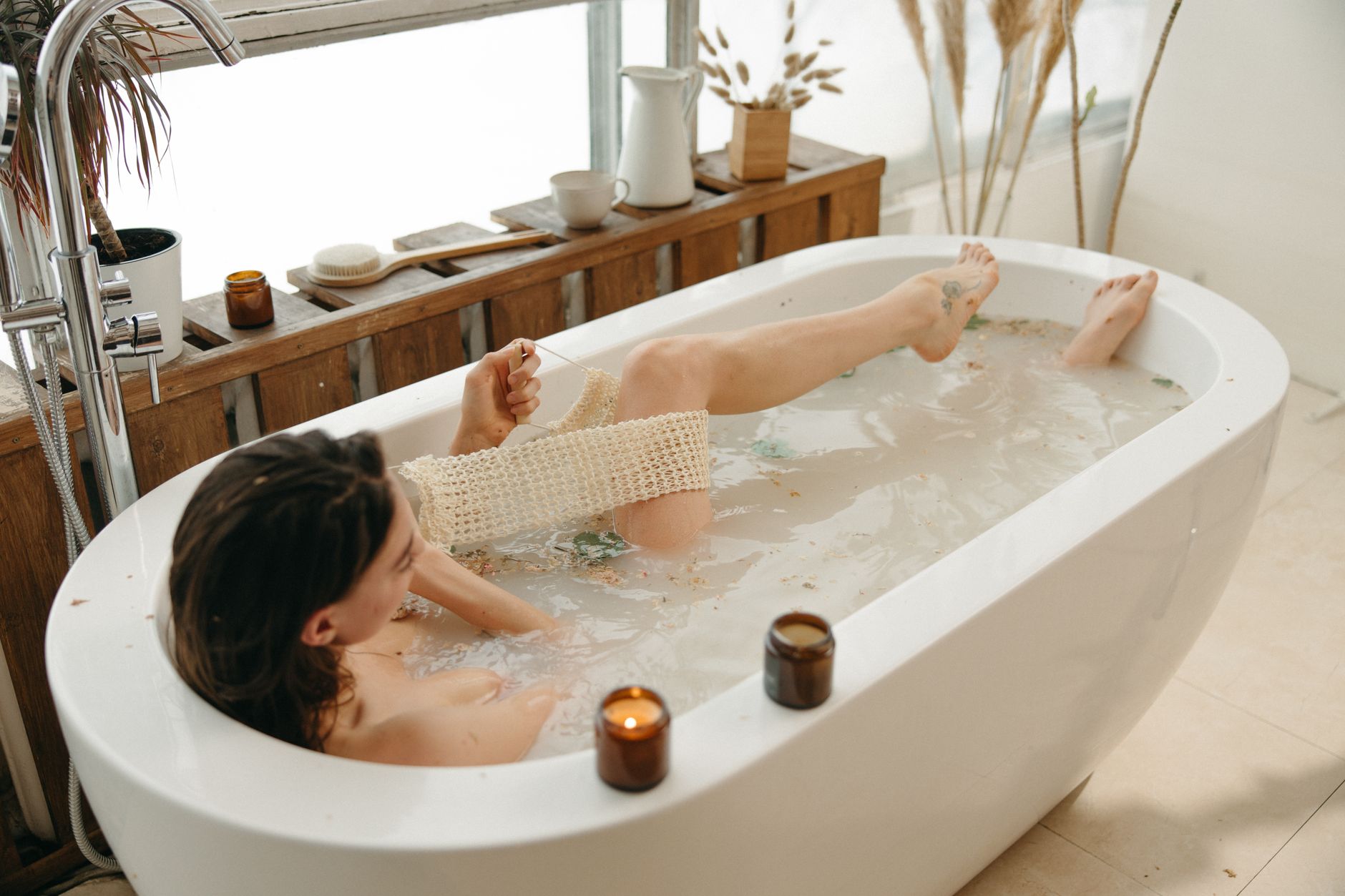
Preparing for Your First Visit: What to Bring and What to Expect
The good news: you don't need much. Most hammams provide everything, and many cater specifically to first-timers and tourists. Here's what to know before you go.
What to bring:
- A swimsuit or extra underwear — most visitors wear bikini bottoms or swim trunks under the pestemal. Some people go fully nude, but you're never required to.
- A change of underwear and a small towel, if you prefer your own.
- Flip-flops or water shoes — the marble floors are wet and can be slippery.
- A waterproof bag for wet items.
- Shampoo or soap if you're particular about products (many hammams provide olive-oil soap and shampoo).
What's provided: A pestemal (a thin, fringed cotton towel you wrap around yourself), a scrub glove (kese), and often slippers, soap, and a locker or cubicle for your belongings.
A few practical notes: Eat something light beforehand — not a heavy meal. Leave valuables at your hotel if possible. And if you're shy, remember that everyone is there for the same reason, and the atmosphere is friendly and unselfconscious.
Step-by-Step: What Happens Inside a Turkish Hammam
Every hammam has its own rhythm, but the classic sequence goes like this.
1. Welcome and changing. You'll be greeted at the entrance, given your pestemal, and shown to a private cubicle or locker. You change into your swimwear and wrap the pestemal around yourself — like a sarong or a short towel dress.
2. The warm room (sicaklik). You're led into the first heated room, where the temperature is gentle and the humidity begins to loosen your muscles. You'll sit or lie on marble benches and let your body adjust. This is the acclimatization stage — no rush.
3. The hot room (hararet) and the central slab (göbektaşı). This is the heart of the hammam: a large, domed room with a massive heated marble platform in the center, often with small basins (kurnas) around the edges. You lie on the göbektaşı and simply relax as the heat seeps into your back, shoulders, and legs. Many people stay here for 15–30 minutes, drifting in and out of a dreamy haze.
4. The scrub (kese). This is the part first-timers remember forever. A same-sex attendant (called a natır for women, a tellak for men) invites you to lie on the marble. Using a coarse mitt, they scrub your entire body with firm, rhythmic strokes, sloughing off layers of dead skin you didn't know you had. It's brisk but rarely painful — think of it as a deep, invigorating exfoliation. You'll be amazed at what comes off.
5. The foam wash. Next, the attendant lathers you with a cloud of olive-oil soap, sometimes using a pillowcase-like cloth to create billows of foam. They massage the foam over your body, rinse you with warm water from a basin, and often finish with a shampoo. You emerge feeling squeaky-clean and utterly relaxed.
6. Rinsing and resting. After the wash, you retreat to the warm room or a cool relaxation area. You wrap yourself in dry towels, sip a glass of tea or sherbet, and let the calm settle in. This resting phase is as important as the heat.
7. The farewell. You dress, pay, and step back into the world feeling lighter, softer, and deeply soothed. Many travelers say the sensation lasts for days.
Historic Hammam or Modern Spa? How to Choose
Both are wonderful, and the right choice depends on your mood and comfort level.
Historic hammams (like Istanbul's Çemberlitaş, Cağaloğlu, or Kılıç Ali Paşa) offer atmosphere, architecture, and authenticity. You'll bathe under centuries-old domes, surrounded by marble and light filtering through star-shaped glass openings. They can be busier, more traditional, and less private — but the experience is unforgettable. Many now offer tourist-friendly packages with English-speaking staff.
Modern hotel and spa hammams are often quieter, more private, and more expensive. They may lack the historic soul, but they're ideal if you're nervous, prefer a gentler introduction, or want a booked, predictable experience. Many five-star hotels include a hammam in their spa, and some day spas in Istanbul and Antalya offer luxurious, contemporary versions.If you're unsure, start with a mid-range historic hammam that welcomes visitors. You'll get the real thing without feeling lost.
Prices, Etiquette, and Tips for a Perfect First Visit
Prices: Entry to a basic neighborhood hammam can cost as little as 100–200 Turkish lira (roughly $3–$6) for a self-service wash. A full traditional package — scrub, foam massage, and sometimes oil massage — typically runs 400–1,200 lira ($12–$35) at historic hammams, and more at luxury hotel spas. A tip of 10–20% for your attendant is customary and appreciated.
Etiquette: Hammams are same-sex spaces (or have separate sections and hours). Keep your voice low, respect others' privacy, and follow your attendant's gentle directions. If you don't want a scrub, it's perfectly fine to say so — just enjoy the heat and wash yourself at a basin. Nudity is common but never required; a pestemal or swimsuit is always acceptable.
Tips for first-timers: Go earlier in the day for a quieter experience. Bring a friend if you're nervous. Drink water before and after. Tell the staff it's your first time — they'll often take extra care of you. And don't rush: the hammam is meant to be savored, not scheduled.
"I came in tense and left feeling like I'd been unwound thread by thread. It's the most relaxed I've ever been in my life." — a common traveler refrain
Türkiye's hammam is more than a bath. It's a warm, welcoming ritual that has comforted people for generations — and it's waiting to comfort you too. Go once, and you'll understand why travelers keep coming back.
Thinking about a trip to Turkey?
Share your contact details and a vetted local expert will follow up with a plan built around you — free, no obligation.