

Why Turkish Hammam Culture Stays With You
Step into a historic hammam in Istanbul, Bursa, or Gaziantep and something shifts. The marble is warm underfoot, steam curls toward a domed ceiling dotted with star-shaped skylights, and the air smells of olive oil and rose. A natır (attendant) scrubs away not just dead skin but the tension of everyday life. It's no wonder travelers call the Turkish bath one of the most memorable experiences in Türkiye.
The good news? You don't have to leave that feeling behind at passport control. Hammam culture is wonderfully portable. The tools of the ritual—a woven peştemal, a rough kese glove, a bar of olive-oil soap, a bottle of rose water—are affordable, light, and easy to find in any Turkish city. Pack them well and you can host your own spa day at home, any weekend you like.
This guide celebrates the hammam tradition and shows you exactly what to buy, where to shop, how to pack it, and how to perform a simple at-home ritual that honors the original. Think of it as a souvenir that keeps giving.
The Essential Hammam Shopping List
Before you fly home, assemble your hammam kit. These five items form the heart of the ritual and cost a fraction of what a luxury spa charges for a single treatment.
- Peştemal — The traditional flat-woven towel, usually cotton or a cotton-linen blend, often with fringed ends and colorful stripes. It's thin, quick-drying, and doubles as a sarong, beach cover-up, or picnic blanket. Prices range from 100–400 TL depending on quality and weave.
- Kese — A coarse exfoliating glove, traditionally made from goat hair or a sturdy plant fiber, now often cotton-silk blends. It's the secret behind that famous Turkish glow. Buy two: one for you, one as a gift.
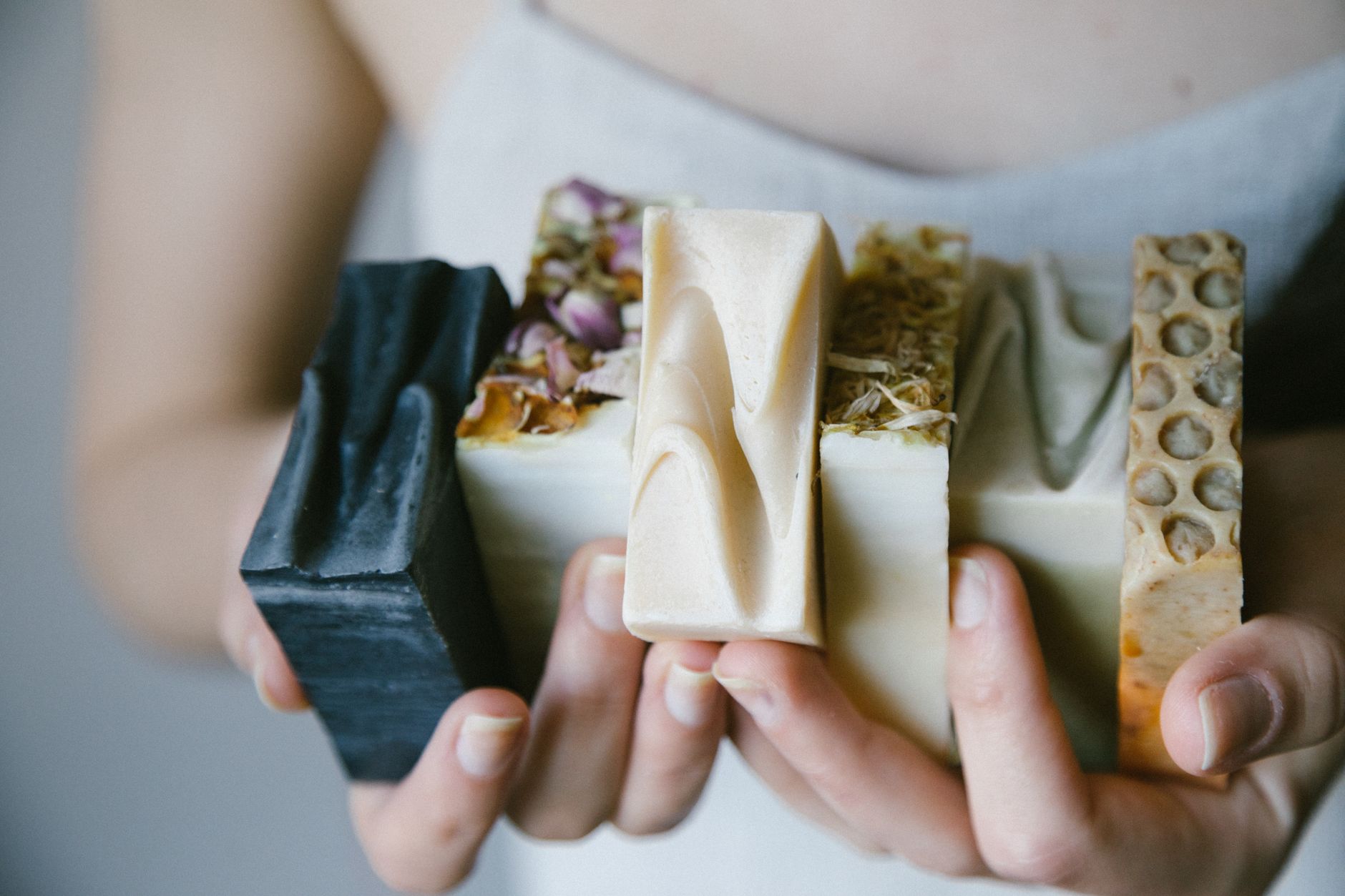
- Olive-oil soap — Long bars of cold-pressed olive oil soap from the Aegean coast (look for Ayvalık or Bodrum labels). Gentle, moisturizing, and beautifully simple.
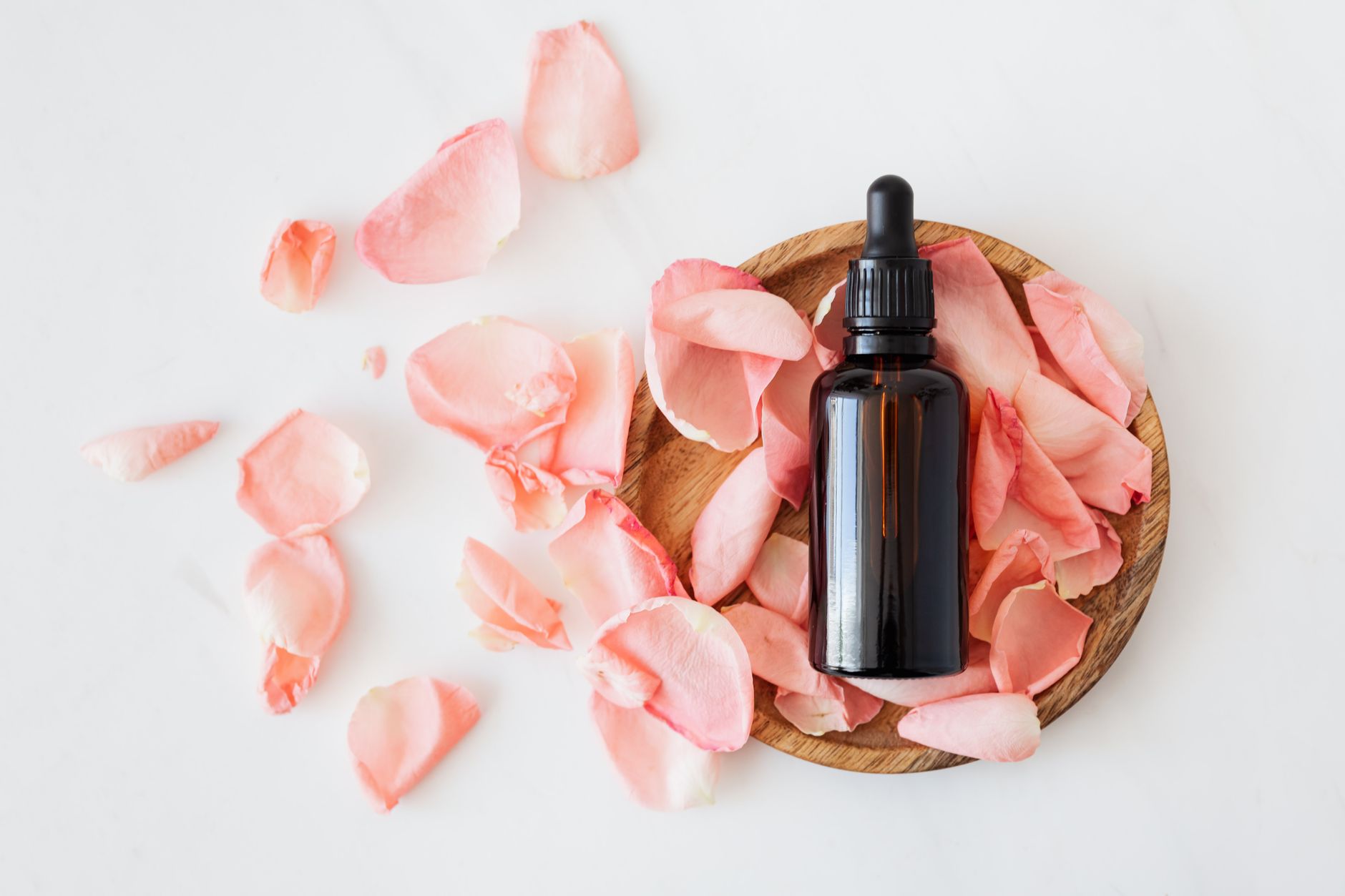
- Rose water — Distilled from Isparta's legendary roses. Used as a toner, a linen spray, or a final refreshing splash after the bath.
- Optional extras — A small copper bowl (hamam tası), a natural loofah, or a bottle of argan or almond oil for post-bath massage.
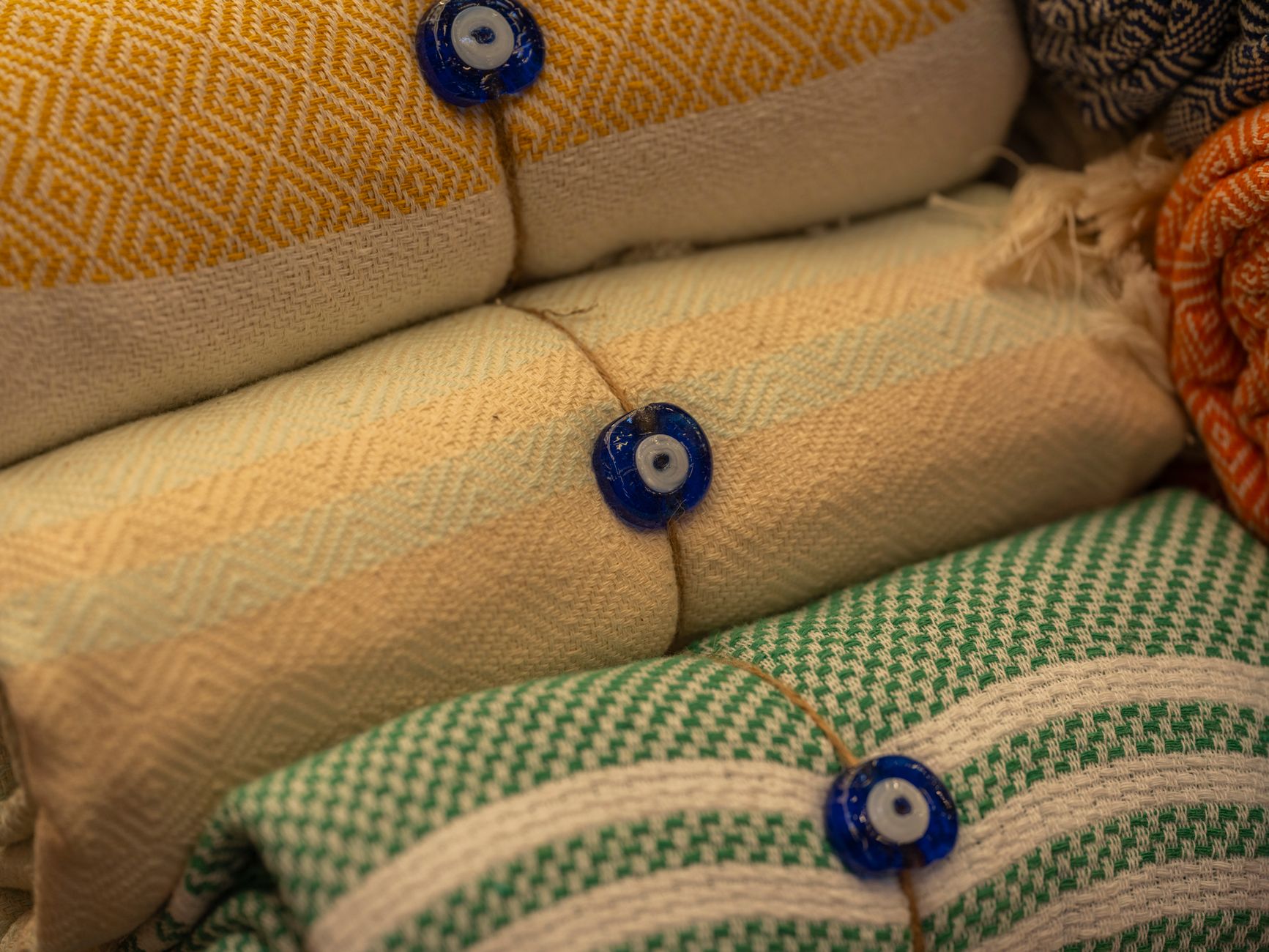
Where to Shop for Authentic Hammam Products
You'll find hammam goods almost everywhere in Türkiye, but a little knowledge helps you avoid tourist-markup traps. In Istanbul, head to the Grand Bazaar's textile lanes or the Arasta Bazaar behind the Blue Mosque for peştemals and keses. For soaps and rose water, the Spice Bazaar is unbeatable—vendors will happily let you sniff before you buy.
Outside the big cities, local markets (pazarlar) often stock the same items at lower prices. In Bursa, the historic silk-and-towel district near the Grand Mosque is a delight. In İzmir's Kemeraltı market, you can find Aegean olive-oil soaps directly from producers. And in Isparta, rose products are practically a local industry—buy direct from a gül (rose) cooperative if you can.
Prices are refreshingly reasonable. A good peştemal costs less than a mid-range dinner, a kese is pocket change, and a year's supply of olive-oil soap might set you back the price of a single airport smoothie. This is one souvenir category where you can indulge generously without guilt.
How to Pack Your Hammam Kit Without Breaking Your Bag
Hammam items are naturally travel-friendly. Peştemals fold flat and weigh almost nothing; keses slip into a shoe; soap bars can be wrapped in a cloth or beeswax wrap to protect your clothes. Rose water is the only liquid, so decant it into a leak-proof travel bottle or buy a small size.
If you're worried about space, remember that these items are also useful during the rest of your trip. Use the peştemal as a beach towel in Antalya, a scarf on a cool Cappadocia morning, or a blanket on an overnight bus. The kese can double as a washcloth. Soap is soap. You're not adding weight—you're replacing things you'd pack anyway.
For gifts, buy multiples. Peştemals in different colors make elegant, lightweight presents. A small bottle of rose water and a bar of olive soap tied with twine is a thoughtful, inexpensive thank-you. Just tuck them into your carry-on if you're worried about checked-bag weight.
Your At-Home Turkish Hammam Ritual
You don't need a marble palace or a steam room to recreate the hammam experience. A normal bathroom, a bathtub or shower, and about 45 minutes are enough. Here's a simple sequence that honors the tradition.
- Prepare the space. Run a hot bath or shower and let the room steam up. Light a candle, play something calm, and lay out your peştemal, kese, soap, and rose water within reach.
- Soak. Sit in the warm water or steam for 10–15 minutes. This softens the skin and opens the pores—the same purpose as the hammam's hot marble slab.
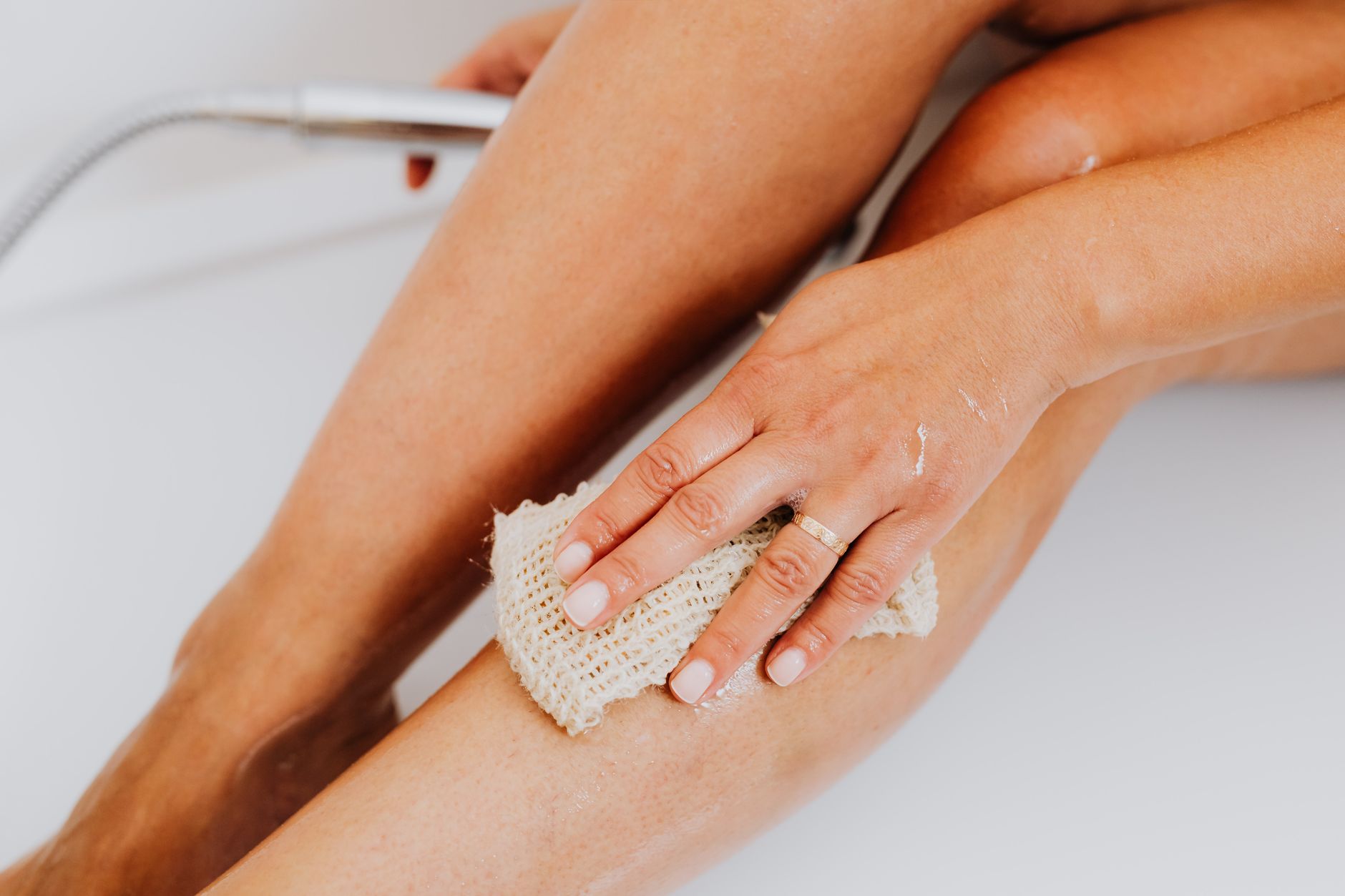
- Scrub. Wet your kese and, using gentle but firm circular motions, exfoliate from feet upward. Don't use soap yet; the kese works best on clean, wet skin. You'll be amazed at what comes off.
- Wash. Lather your olive-oil soap and cleanse thoroughly. Rinse with warm water.
- Rinse and cool. Finish with a splash of cool water or a spritz of rose water. This closes the pores and leaves you refreshed.
- Rest. Wrap yourself in your peştemal, sit quietly for a few minutes, and drink a glass of water or herbal tea. The hammam is as much about stillness as scrubbing.
Aim to do this once a week or whenever you need a reset. It's a small ritual, but it carries the spirit of Turkish hospitality: care for the body, calm for the mind.
Tips for Getting the Most From Your Hammam Products
Quality matters, but technique matters more. Always soften your skin with warm water before using the kese—scrubbing dry or on cold skin is uncomfortable and less effective. Rinse the kese after each use and hang it to dry; with care, it will last for years.
Olive-oil soap improves with age. If you buy several bars, let them cure in a dry, airy place; they'll become milder and longer-lasting. Rose water should be kept cool and dark, and used within a few months for the freshest scent.
Peştemals become softer with every wash. Machine-wash them on a gentle cycle with like colors, and avoid fabric softener, which can reduce absorbency. A well-cared-for peştemal is a lifelong companion—many Turkish families pass them down.
Bringing Türkiye Home, One Ritual at a Time
The hammam is one of Türkiye's greatest gifts to the world: a tradition that treats bathing as a social, spiritual, and deeply pleasurable act. When you bring home a peştemal, a kese, a bar of olive soap, and a bottle of rose water, you're not just buying souvenirs. You're carrying a piece of that culture into your daily life.
So the next time you're in Türkiye, set aside an afternoon to shop for your hammam kit. Ask vendors how they use each item; they'll often share family tips. And when you get home, don't let the products gather dust. Schedule a spa day, invite a friend, and let the steam rise. The hammam is waiting—wherever you are.
Thinking about a trip to Turkey?
Share your contact details and a vetted local expert will follow up with a plan built around you — free, no obligation.