

Why These Turkish Treasures Beat Every Other Souvenir
Most souvenirs live a short life: a fridge magnet, a keychain, a mug printed with a mosque that never quite matches your kitchen. Turkish hammam textiles, olive oil soaps and natural scents are different. They are objects with a job to do. A peshtemal towel dries you after every shower for years. A bar of cold-pressed olive soap cleans your hands each morning. A bottle of rose water becomes the finishing touch of a skincare ritual you did not know you needed.
There is a second reason these gifts feel so generous: they carry the fingerprints of real people. In Turkey, hammam towels are still woven on shuttle looms in family ateliers, soap is still cooked in copper cauldrons by producers whose grandparents did the same, and rose water is still distilled in copper alembics within hours of the harvest. Buying directly from these makers is not charity — it is a fair, joyful exchange, and the quality is simply better.
This guide walks you through what to buy, where to find the small producers who welcome visitors, what a fair price looks like in 2026, and how to pack fragile, fragrant things so they arrive home intact. For broader trip logistics, pair it with our Turkey travel guides and let our trip planner map the shopping into your route.
Peshtemal: The Hammam Towel That Earned Its Fame
A peshtemal is a flat-woven towel, traditionally cotton, sometimes blended with linen or bamboo. Unlike a terry towel it is thin, dries fast, packs down to almost nothing and becomes softer with every wash. Historically it was wrapped around the body in the hammam; today it travels to beaches, yoga studios and gyms, and doubles as a scarf, a picnic blanket or a light throw on a summer evening.
Quality is easy to read once you know how. Look for a tight, even weave, hand-knotted fringes that do not shed, and a weight between roughly 300 and 400 grams for a standard 90 x 170 cm size. Turkish cotton from the Aegean region — Denizli and the surrounding valleys are the heartland — produces long fibres that feel smooth rather than scratchy. A well-made peshtemal should drape, not stiffen.
Prices in 2026 are refreshingly sane. Machine-woven peshtemals in good cotton start around 250–400 TL (roughly €7–11) in local markets. Handwoven, naturally dyed pieces from ateliers in Denizli, Buldan or Istanbul run 700–1,800 TL (€20–50), and a large organic-cotton or linen-blend throw can reach 2,500 TL. That is a fraction of what the same towel costs in a European design store — and you meet the weaver.
Denizli and the historic weaving town of Buldan are worth a detour for anyone serious about textiles; both appear in our suggested routes through the Aegean. In Istanbul, the Grand Bazaar and the streets around it are convenient, but for craft rather than convenience head to the small studios of Balat and the textile shops of the Bomonti area.
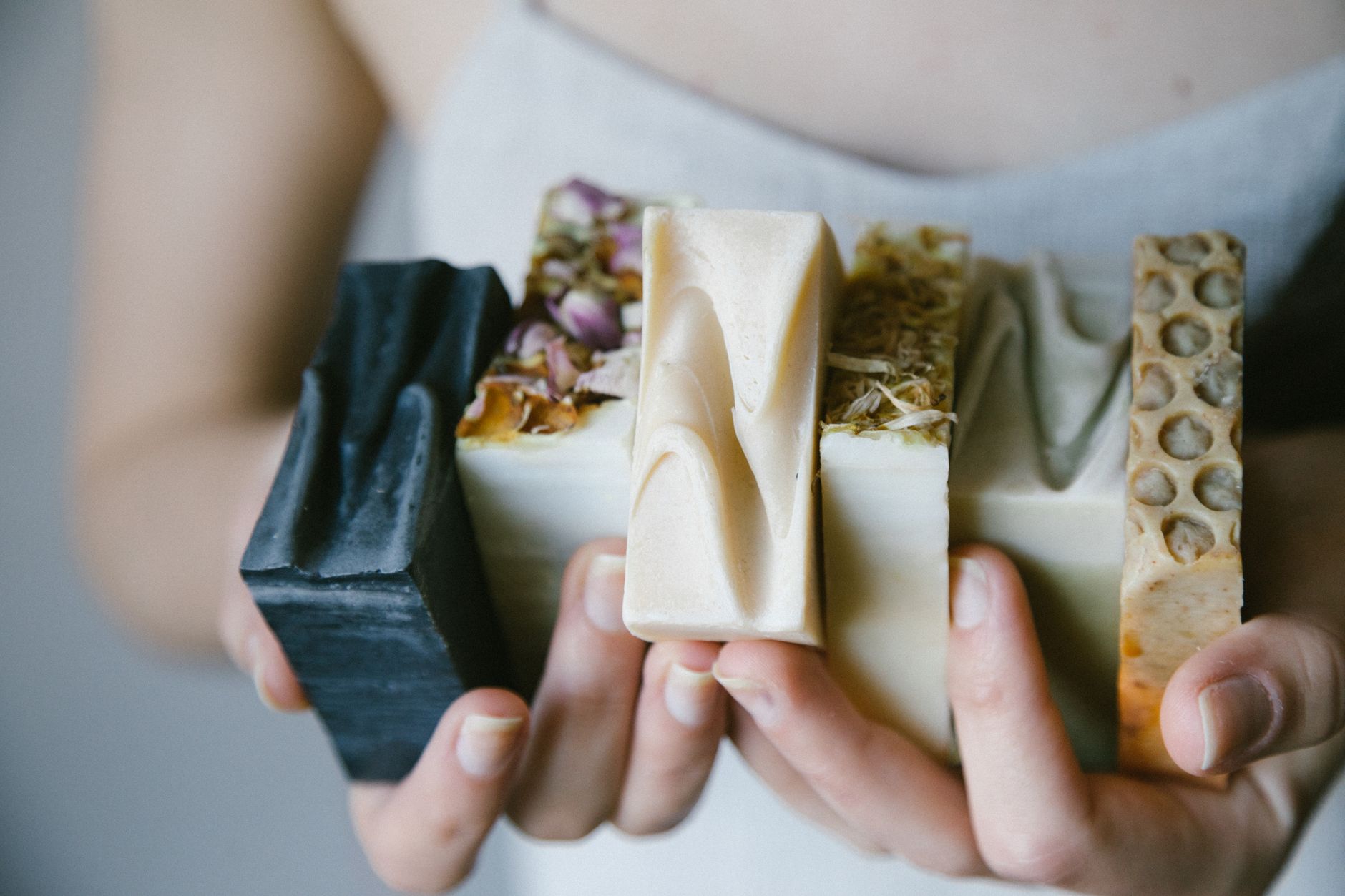
Sun-Dried Soap: Olive Oil, Aleppo Style and the Scent of the Aegean
Turkish soap culture runs on olive oil. Along the Aegean and Mediterranean coasts — Ayvalık, Küçükkuyu, Bodrum, Datça — family producers press olives in autumn and cook the surplus oil into soap in copper cauldrons. The result is a dense, slightly greenish bar with a faint, clean scent, high in glycerine, kind to sensitive skin and almost absurdly long-lasting.
You will meet a few distinct families of soap. Classic zeytinyağlı sabun is pure olive oil, sometimes scented with laurel. Aleppo-style soap, sold widely in Gaziantep and Antakya, blends olive and laurel oil and is cured for months until it turns from green to amber. Then come the scented bars: rose from Isparta, lavender from Kuyucak, orange blossom from the Mediterranean coast, and the traditional Ottoman blends of amber, sandalwood and musk.
Curing matters more than packaging. A good bar feels hard and dry, not waxy, and smells of its ingredient rather than of perfume. Expect 60–150 TL (€2–5) for artisan bars in local markets; gift-boxed sets of three to five run 300–700 TL. Buying a kilo of uncut, knife-sliced soap from a producer is one of the great small luxuries of Aegean travel.
Ask the producer to slice a fresh bar and smell the cut face. That is where the real scent lives — the outside has simply been drying in the sun.
Our local experts can arrange visits to olive farms and soap workshops where you press, cut and stamp your own bar — a genuinely memorable half-day for families.
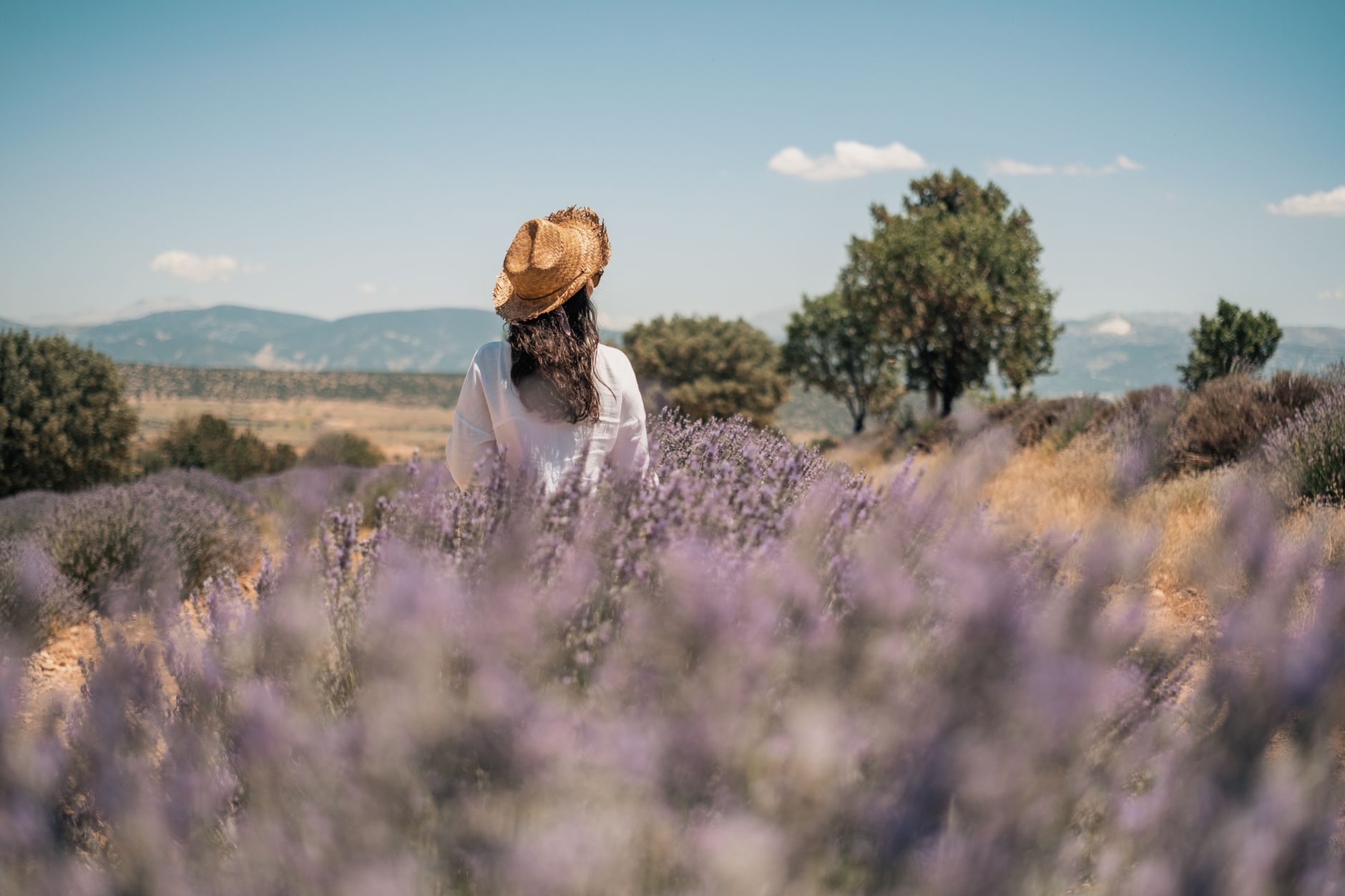
Rose Water, Kolonya and Natural Scents Worth Carrying Home
Isparta, in the Turkish Lakes region, produces a large share of the world's rose oil, and the harvest in May and June is a spectacle of pink fields and copper stills. Rose water from this region is distilled, not merely perfumed, and a few drops on the face or in a linen spray bottle are a genuine pleasure. A 250 ml bottle of good distillate costs around 150–350 TL (€4–10); pure rose oil, sold in tiny vials, is dramatically more expensive and should be bought only from a producer you trust.
Do not overlook kolonya, the Turkish cologne offered to guests at every doorway. Lemon is the classic, but artisan producers now make fig, tobacco, olive blossom and rose versions in elegant glass bottles for 100–300 TL. It is the most Turkish gift imaginable: useful, hospitable and impossible to be allergic to the memory of.
For scent lovers, small perfumeries in Istanbul, Izmir and Gaziantep blend traditional Ottoman notes — amber, oud, rose, saffron — into oils and solid perfumes. Buy from ateliers that list their ingredients and let you smell the raw materials, not just the finished bottle. A 10 ml attar-style oil typically runs 400–1,200 TL depending on the materials used.
If your travels take in the rose harvest, time your visit with our best time to travel guidance — late spring in the Lakes region is spectacular.
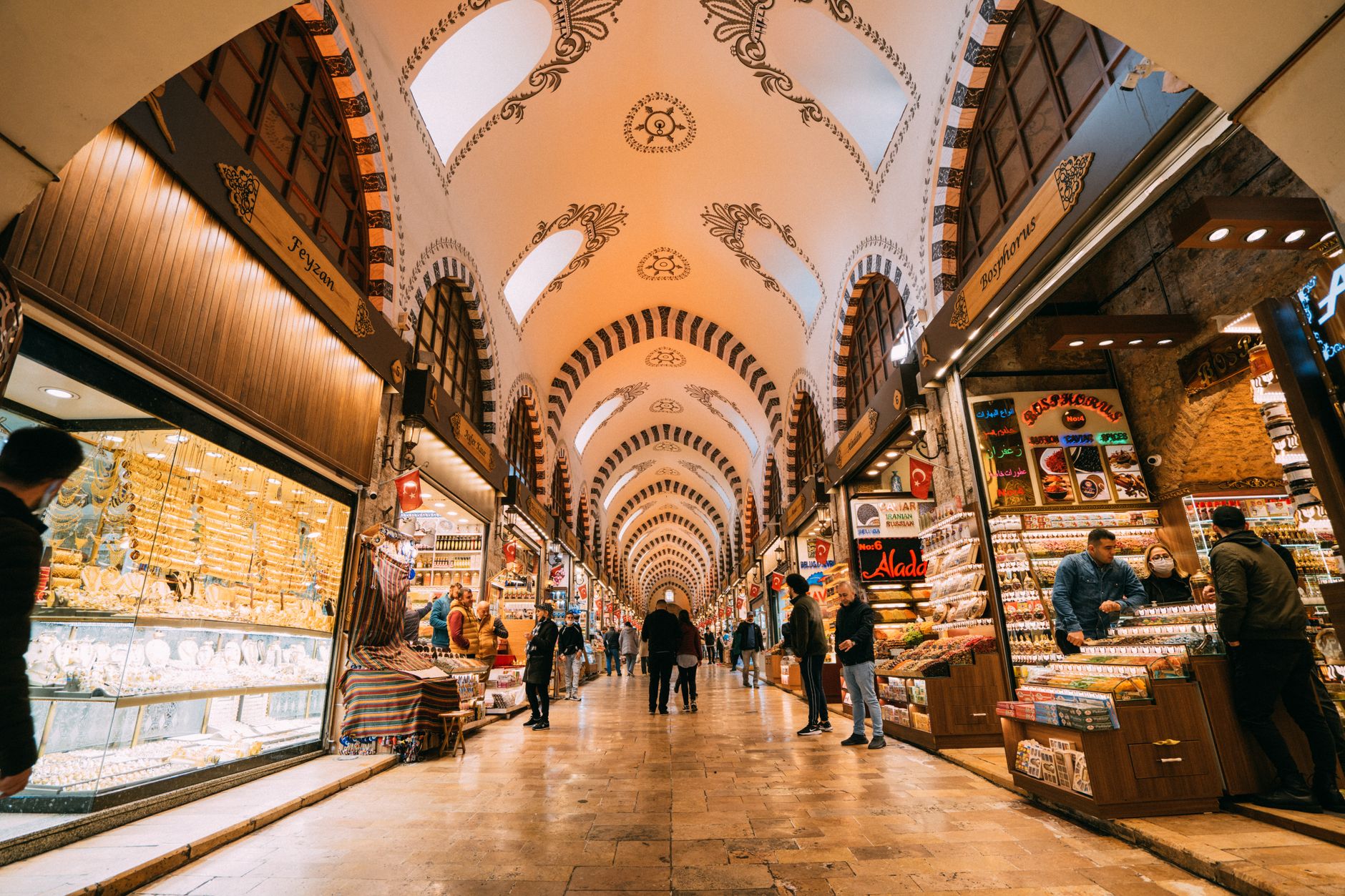
Where to Shop: Markets, Ateliers and Small Producers
Istanbul. The Grand Bazaar and the Spice Bazaar are unbeatable for variety and atmosphere, but prices are tourist-weighted; walk a few streets into the surrounding hans for better value. In Balat and Fener, small studios sell handwoven textiles and natural soaps with the makers often present. Arasta Bazaar, behind the Blue Mosque, is compact and reliable for quality peshtemals.
The Aegean. In Denizli and Buldan, weaving ateliers welcome visitors by appointment and sell directly at workshop prices. Ayvalık and Küçükkuyu have olive-oil cooperatives selling soap and oil. In Izmir, the Kemeraltı market is a wonderful, chaotic place to buy soap by weight and kolonya by the bottle.
The south and southeast. Gaziantep's copper-and-soap quarter and Antakya's surviving workshops are the home of laurel soap. In the Mediterranean, Datça and Bodrum have small producers selling almond, olive and citrus soaps and local essential oils. Everywhere, farmers' markets (semt pazarı) on a weekday morning are your best-value source of both soap and textiles.
A simple rule: if the seller can tell you who made it, where the olives or roses came from, and how long it was cured or woven, you are in the right shop. Our destination guides list markets town by town, and travel tools help you plan market days into your itinerary.
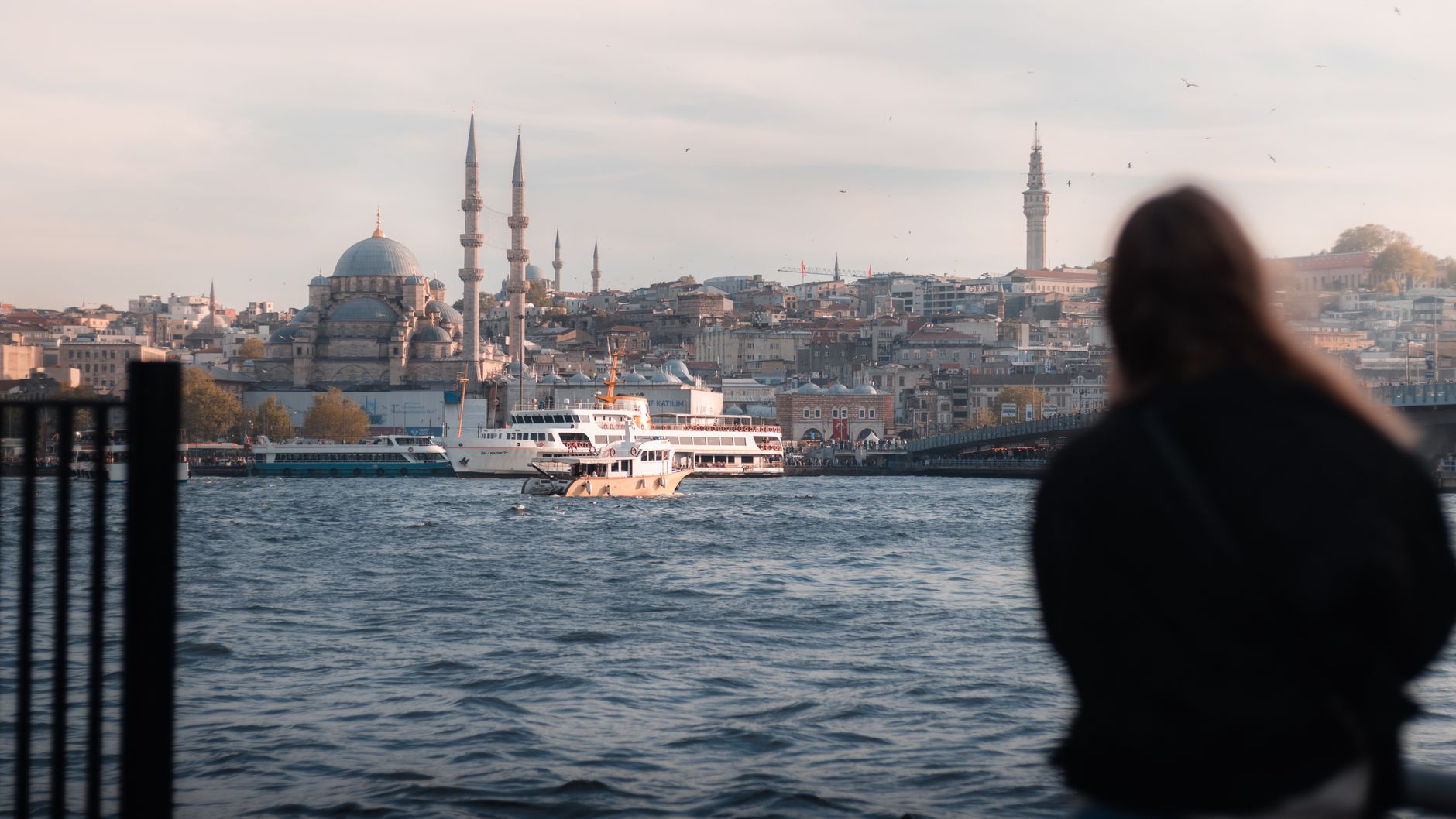
Prices, Etiquette and How to Pack Everything Safely
Expect to pay the prices above at markets and ateliers; haggling is normal in bazaars but not in fixed-price studios, where a polite request for a small discount — especially on multiple items — is usually met with a friendly yes. Cash in Turkish lira still gets the warmest welcome in small workshops, though cards are widely accepted in cities.
Packing is easier than you think. Peshtemals weigh almost nothing and can cushion fragile items. Wrap soap bars individually in paper or cloth — never plastic, which traps moisture — and place them in a zip bag so their scent perfumes your suitcase rather than your clothes. Rose water and kolonya bottles should be sealed with tape, wrapped in a towel and placed in the centre of your bag; if you only have cabin baggage, keep liquids under the airline limit and pack them in your clear liquids pouch.
Customs are generally relaxed for personal quantities of soap, textiles and cosmetics, but check your home country's rules for plant-based products and alcohol-based cologne. If you buy rose oil, keep the receipt — it is a high-value item.
Finally, buy for yourself too. The towel you use every week, the soap beside your sink, the rose water on your shelf — these are the souvenirs that keep Turkey present in your daily life long after the trip. Browse our gallery for inspiration, and when you are ready, our planner can build a craft-focused itinerary around the makers who welcome visitors.
Thinking about a trip to Turkey?
Share your contact details and a vetted local expert will follow up with a plan built around you — free, no obligation.