

Why Turkish Flatbreads Deserve a Place on Your Travel Menu
Turkish cuisine is a mosaic of regional flavors, and nowhere is this more evident than in its flatbreads and pide. These humble dough-based delights are not just sustenance; they are a window into the soul of each region. From the rugged Black Sea coast to the sun-drenched plains of Hatay, every corner of Türkiye has its own take on flatbread, shaped by local ingredients, history, and tradition.
What makes exploring these flatbreads so rewarding is their affordability. For the price of a fancy coffee in many cities, you can enjoy a freshly baked pide, stuffed with cheese, meat, or vegetables, often accompanied by tea and a warm smile. This makes a flatbread tasting trail a joyful and budget-friendly way to travel through Türkiye.
In this guide, we'll take you on a journey from the misty mountains of Karadeniz to the spicy kitchens of Hatay, highlighting the must-try flatbreads in each region. We'll also share practical tips on where to find them, what to order, and how to pace your tasting adventure so you savor every bite without overwhelming your palate.
Karadeniz Pide: The Black Sea's Beloved Boat
Our trail begins in the Black Sea region, where the cool, humid climate shapes a distinct culinary identity. Karadeniz pide, often called pide locally, is a boat-shaped flatbread with a thick, crispy crust and a soft, fluffy interior. It's typically topped with a mixture of cheese, butter, and sometimes eggs, but the most iconic version features kavurma (preserved meat) or ground beef.
What sets Karadeniz pide apart is its preparation. The dough is hand-rolled and baked in a stone oven until the edges blister and char, giving it a smoky flavor. The toppings are added before baking, allowing them to meld with the dough. A classic sade pide (plain pide) with just butter and cheese is a revelation in simplicity.
To taste the best, head to local pideci (pide shops) in cities like Trabzon, Rize, or Ordu. Look for places with a wood-fired oven and a crowd of locals—that's always a good sign. Order a kuşbaşılı pide (diced meat pide) or a sucuklu yumurtalı pide (sausage and egg pide) for a hearty meal. Pair it with a glass of çay (Turkish tea) and enjoy the view of the Black Sea.
İç Anadolu and Doğu Anadolu: The Heartland's Simple Pleasures
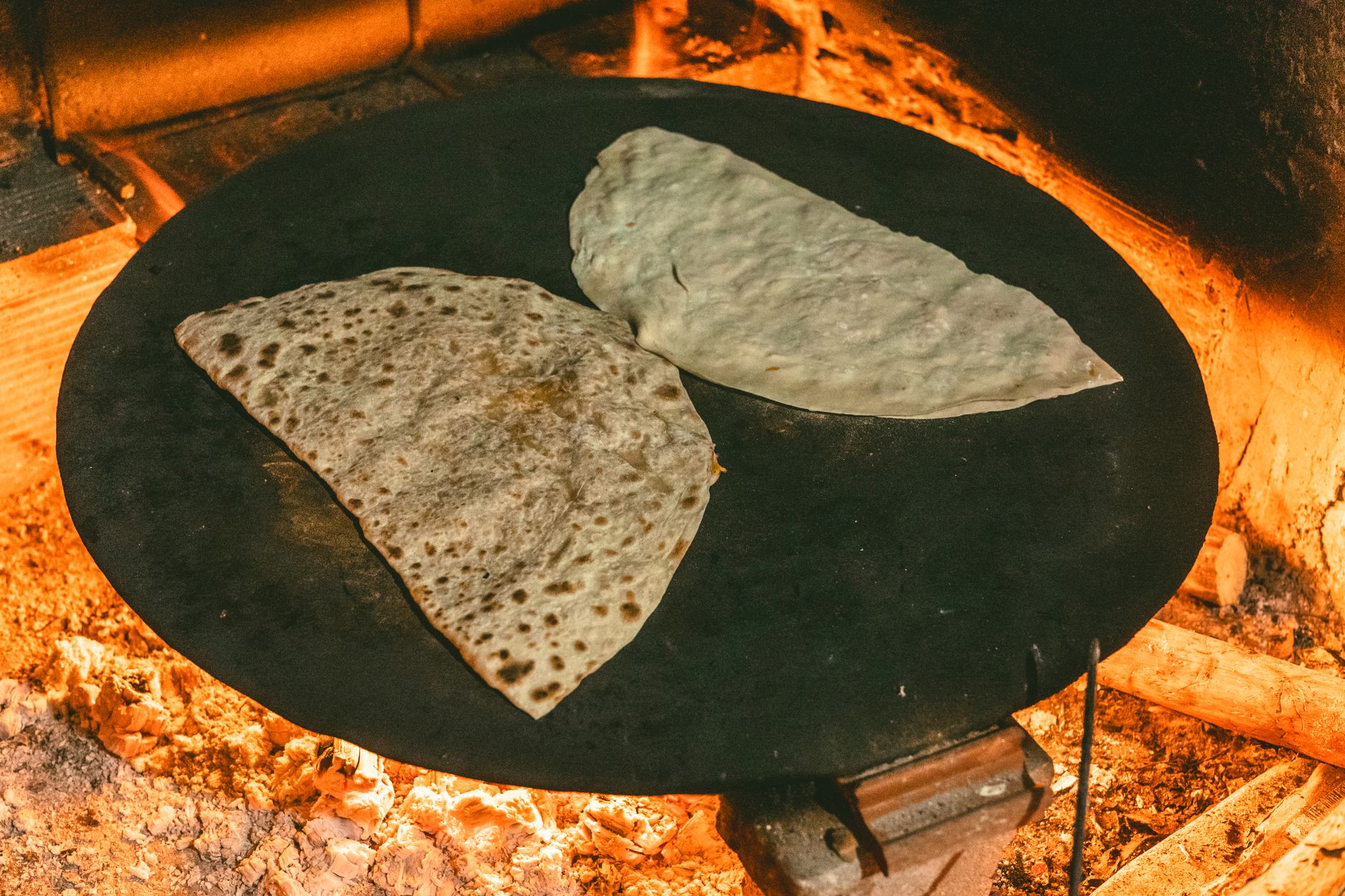
As we move inland to Central and Eastern Anatolia, the flatbreads become simpler but no less delicious. Here, the emphasis is on the quality of wheat and the art of baking. One standout is bazlama, a soft, round flatbread cooked on a sac (a convex griddle). It's light, slightly puffy, and perfect for wrapping around grilled meats or dipping into stews.
Another gem is gözleme, a stuffed flatbread that's a favorite across Anatolia. While gözleme can be found nationwide, the versions in Central Anatolia often feature potatoes, cheese, or spinach, folded into a thin dough and cooked on the sac. It's a street food staple and a comforting snack for travelers.
In Eastern Anatolia, don't miss lavaş, a thin, soft flatbread that's ubiquitous in kebab shops. But for a unique experience, try tandır ekmeği, a large, round bread baked in a clay oven called a tandır. It's crispy on the outside and chewy inside, ideal for scooping up hearty stews. Visit local bakeries in cities like Konya or Erzurum to see the baking process and taste it fresh from the oven.
Güneydoğu Anadolu: The Spicy Kick of the Southeast
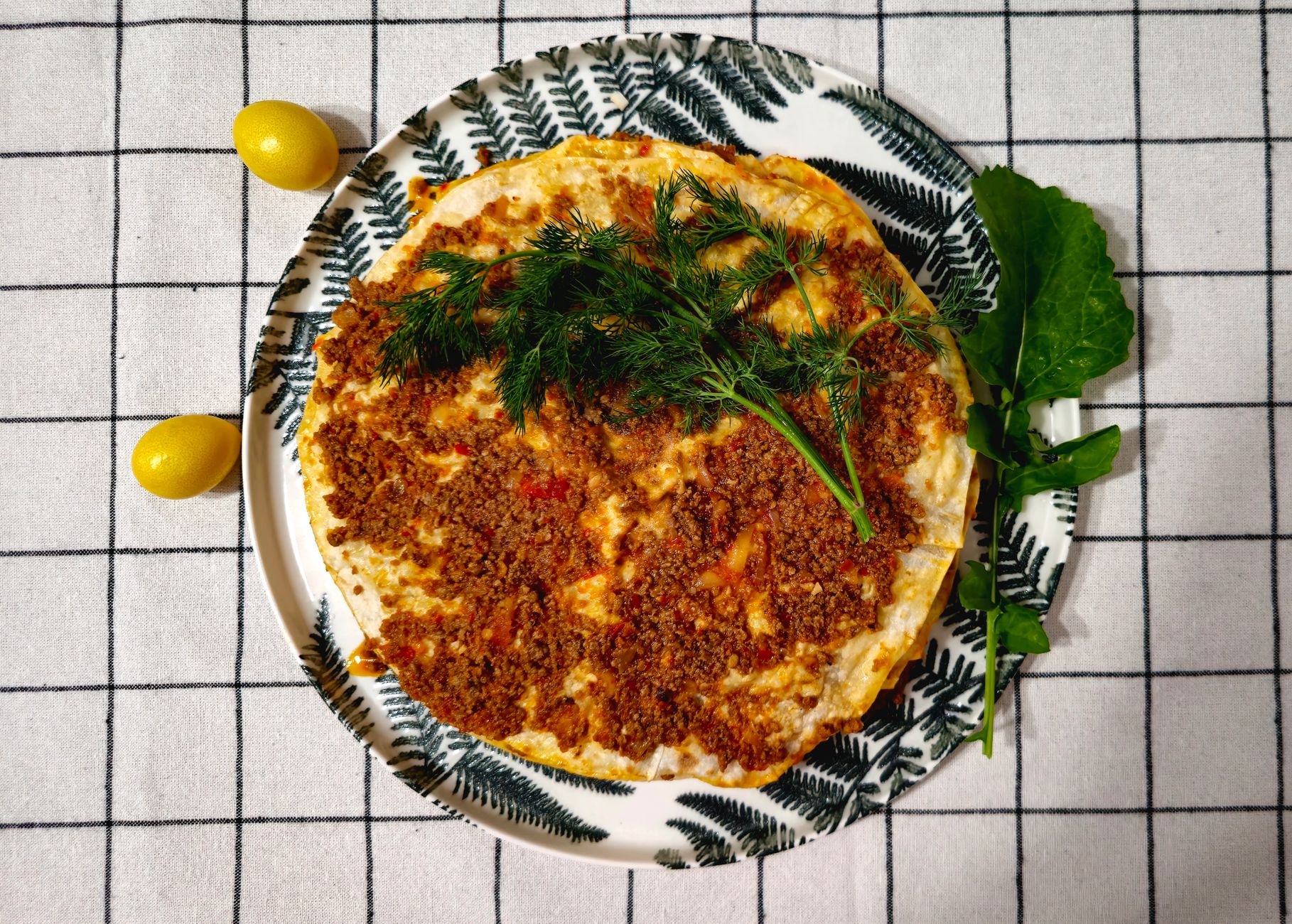
Moving south to Southeastern Anatolia, the flavors intensify. This region is known for its love of spicy food, and flatbreads are no exception. The star here is lahmacun, often called Turkish pizza, but it's so much more. A thin, crispy dough topped with a spread of minced meat, tomatoes, peppers, and spices, lahmacun is baked quickly at high heat. It's typically served with fresh parsley, lemon, and onions, and rolled up to eat.
While lahmacun is found everywhere, the Southeast does it best. In cities like Gaziantep and Şanlıurfa, the lahmacun is spicier and more aromatic, thanks to locally grown peppers and a touch of pomegranate molasses. Another regional specialty is içli köfte (stuffed meatballs), but the flatbread scene also includes açık ekmek, a open-faced flatbread topped with cheese and meat, often enjoyed for breakfast.
For the best experience, visit a local lahmacun salonu and order a few to share. They're inexpensive, so you can try different toppings. Pair with a glass of şalgam (turnip juice) for a truly authentic taste.
Hatay: The Crown Jewel of Flatbreads
Our trail culminates in Hatay, a region famed for its rich culinary heritage, a blend of Arab, Turkish, and Mediterranean influences. Here, flatbreads reach new heights of flavor and variety. The most famous is Hatay dürüm, a thin flatbread wrapped around various fillings, but the real star is künefe—wait, no, that's dessert. For savory flatbreads, try kağıt kebabı, which, while not a flatbread, is often served with thin lavash. But the quintessential Hatay flatbread is tepsi kebabı, a baked dish with meat and vegetables, but its base is often a layer of flatbread.
Actually, the most iconic Hatay flatbread is hummus—again, not a flatbread. Let's focus: Hatay usulü lahmacun is distinct, with a thinner, crispier base and a topping that includes walnuts and more spice. Another must-try is peynirli pide (cheese pide), but Hatay's version includes a mix of local cheeses and herbs.
For a true taste of Hatay, visit the city of Antakya and explore its bustling markets. Look for small bakeries making saj ekmeği (saj bread), a thin flatbread cooked on a convex metal plate. It's often used as a wrap for grilled meats or eaten with olive oil and za'atar. The combination of ingredients here reflects the region's history of trade and cultural exchange.
Practical Tips for Your Flatbread Tasting Journey
To make the most of your flatbread adventure, pacing is key. Start with lighter flatbreads like bazlama or lavaş in the morning, move to pide for lunch, and savor lahmacun or Hatay specialties in the evening. Stay hydrated with tea or ayran, and don't be afraid to ask locals for recommendations.
When ordering, keep in mind that portions are often large, so sharing is a good idea. Also, many pideci and lahmacun shops are casual and affordable, making this a budget-friendly way to eat well. Use our travel tools to find local eateries and plan your route.
Finally, consider timing your trip to coincide with local festivals or harvest seasons when flatbreads are celebrated. For more itinerary ideas, check our itineraries and guides.
Conclusion: A Journey Worth Savoring
Türkiye's regional pide and flatbreads are more than just food; they are a delicious gateway to understanding the country's diverse cultures. From the Black Sea's crispy pide to Hatay's spicy lahmacun, each bite tells a story of place and tradition. So pack your appetite and hit the road—this is one tasting trail that will leave you with unforgettable memories and a happy stomach.
For more culinary adventures and travel tips, explore our destinations and blog. And if you need help planning your trip, our planner is here to assist. Happy tasting!
Thinking about a trip to Turkey?
Share your contact details and a vetted local expert will follow up with a plan built around you — free, no obligation.