

Why Çay Bahçesi Culture Is Türkiye's Most Affordable Luxury
In a world that increasingly measures value in price tags and packed itineraries, Türkiye quietly offers something better: a tulip-shaped glass of tea, a plastic stool by the water, and hours that stretch out like the Bosphorus itself. The çay bahçesi — literally "tea garden" — is not a cafe in the Western sense. It is a civic living room, a neighbourhood ritual, and the most democratic luxury in the country.
Nowhere is this truer than along the Bosphorus, the sinuous strait that splits Istanbul into Europe and Asia. Here, tea gardens cling to hillsides, spill onto ferry piers, and hide beneath plane trees older than most republics. A glass of çay costs less than a metro ticket — often around 10 to 20 Turkish lira in 2026 — and refills arrive with a smile that no loyalty card could buy.
For travellers, the tea garden is the single best way to slow down. You do not come here to tick off a list. You come to watch fishermen pull in mackerel, to hear the call to prayer echo across the water, and to let your shoulders drop. This is the Bosphorus as locals know it: not a sight to be seen, but a mood to be sat with.
How to Order Çay Like a Local (and Never Feel Rushed)
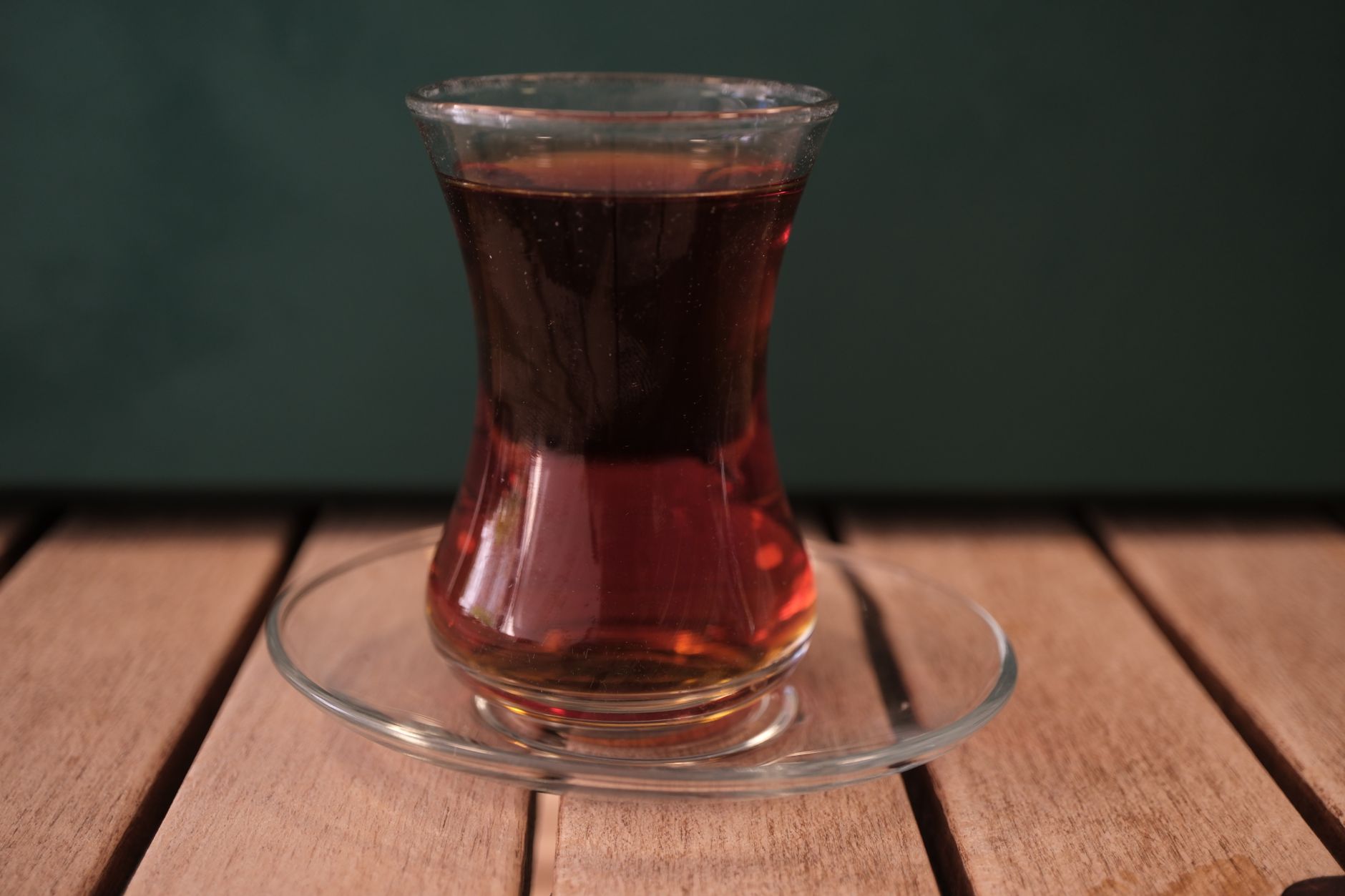
Ordering tea in a Turkish tea garden is beautifully simple, but a few small habits will make you feel like a regular within a day. The default is çay — black tea grown mostly in Rize, on the Black Sea, brewed strong and served in a small, tulip-shaped glass called an ince belli glass. It arrives on a saucer with two sugar cubes and a tiny spoon. You do not need to ask for anything else.
If you want it lighter, say açık (open/light). Stronger is demli (with plenty of brew). No sugar is şekersiz. Most gardens also serve bitki çayı (herbal tea), kahve (Turkish coffee), and sometimes salep in cooler months, but çay is the heartbeat of the place.
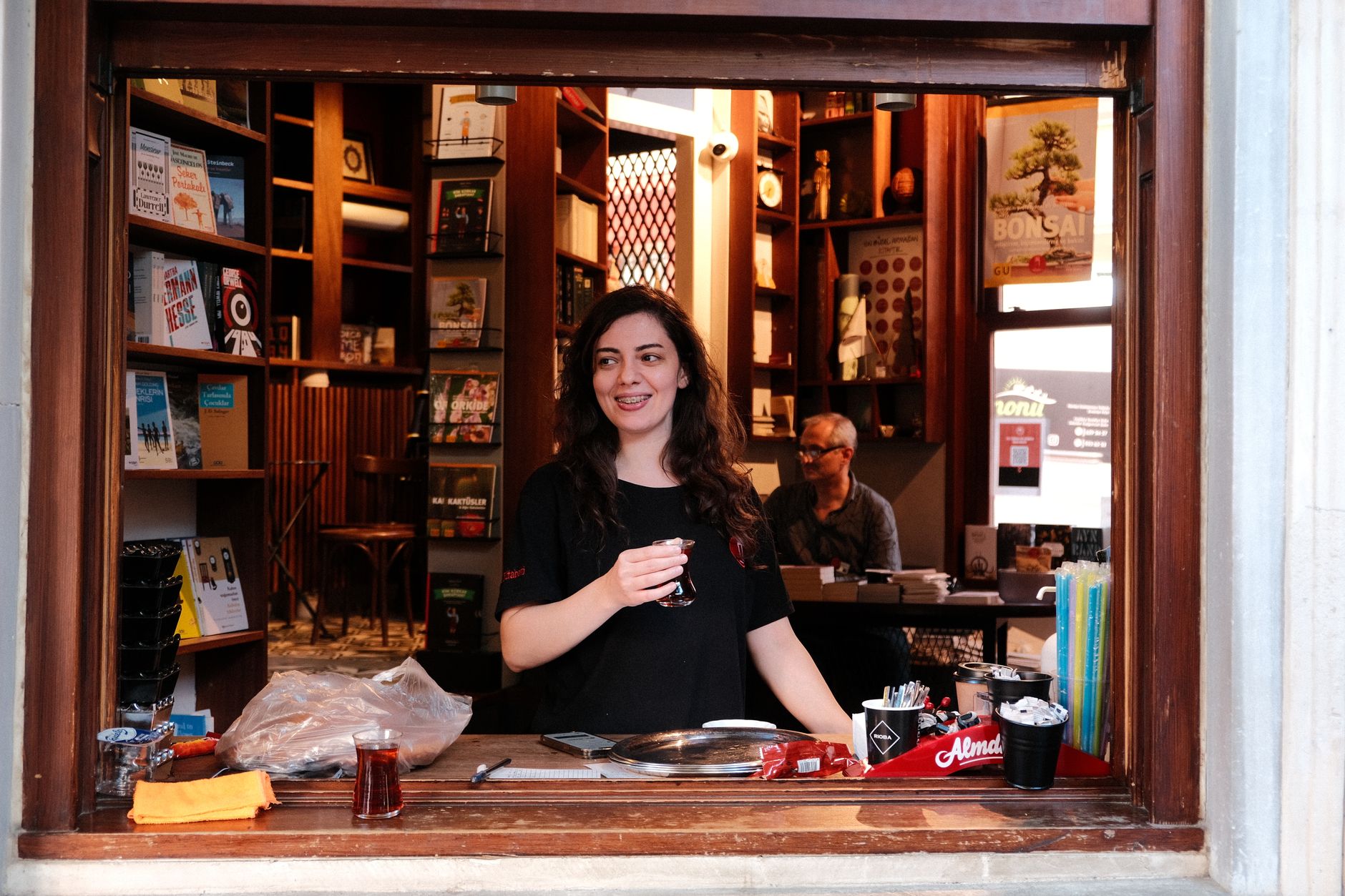
The rhythm matters more than the order. Tea arrives fast, usually within a minute or two. Nobody will bring you a bill until you ask. When you are ready to leave, catch the waiter's eye and say hesap, lütfen (the bill, please). Tipping is modest but appreciated — rounding up is plenty. And yes, you can sit for three hours over a single glass. That is not rudeness; that is the point.
One local tip: if a waiter brings you a fresh glass without you ordering it, it is a gift of hospitality, not a mistake. Accept it, smile, and say teşekkür ederim. You have just been welcomed in the oldest way Türkiye knows.
European Side: Tea Gardens from Rumeli Hisarı to Ortaköy
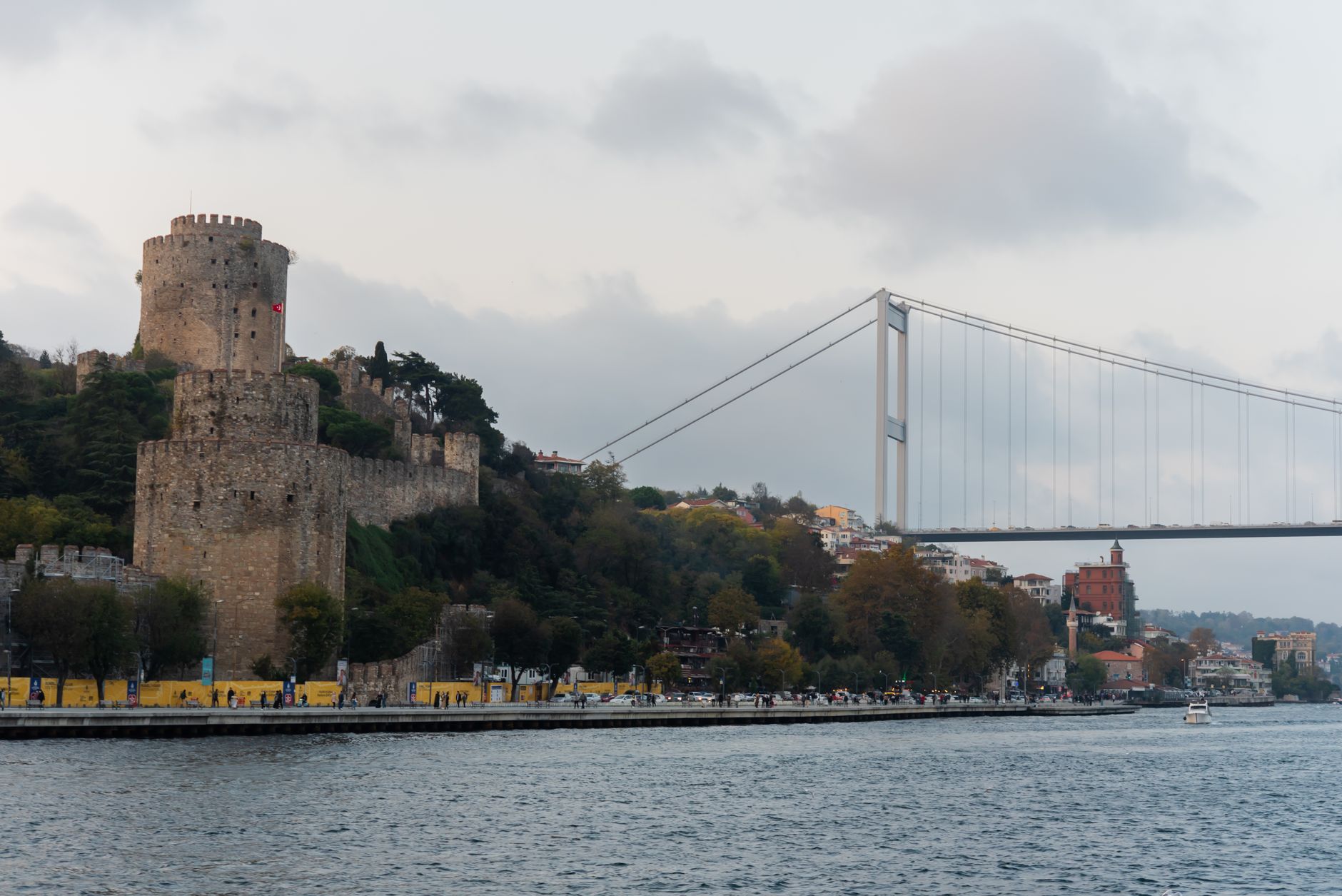
The European shore of the Bosphorus is where history and tea sit side by side. Start at Rumeli Hisarı, the colossal Ottoman fortress built by Mehmed the Conqueror in 1452. Just below its walls, small tea gardens and fish restaurants look straight at the Asian shore. Come in the late afternoon, when the light turns honey-gold and the fortress casts long shadows across the water.
Further south, Ortaköy offers a livelier scene. The square by the mosque is famous for kumpir (stuffed baked potatoes), but duck behind the stalls and you will find tea terraces facing the Bosphorus Bridge. It is busier and more touristed, yet early morning here is magical: mist on the water, seagulls circling, and elderly men reading newspapers over their first çay of the day.
My favourite European-side stop is Emirgan Korusu, a hillside park above the water. Its tea garden, Emirgan Çay Bahçesi, is a local institution. Families spread out on blankets, children run between tulip beds in spring, and the view over the strait is unobstructed. Order a glass, find a bench under a pine, and watch the ferries trace white lines across the blue.
For something quieter, head to Bebek. The waterfront here is compact and elegant, with a small tea garden near the mosque and plenty of benches. It is a favourite of students, writers, and anyone who wants the Bosphorus without the crowds.
Asian Side: Çengelköy, Kuzguncuk, and the Ferry Pier Tea Gardens
Cross to the Asian side and the pace slows further. Çengelköy is synonymous with tea gardens. Its waterfront çay bahçesi under the plane trees is legendary — locals will tell you the tea tastes better here, and after one glass facing the water, you may believe them. The neighbourhood is also famous for cucumbers (salatalık) sold from carts, a perfect salty companion to sweet tea.
Kuzguncuk feels like a village that slipped through Istanbul's cracks. Colourful Ottoman houses, a synagogue, a church, and a mosque share the same street. The tea garden by the ferry pier is small, shaded, and almost always full of regulars. Sit here and you will hear Greek, Armenian, Turkish, and English in the same afternoon — a reminder of the Bosphorus's layered soul.
Perhaps the most poetic option is simply to ride the ferry and get off at random. Kadıköy, Üsküdar, Beylerbeyi — each pier has a tea garden or a nearby çay ocağı where commuters pause between boats. The ferry itself serves tea, too, and drinking çay on the deck as the sun sets behind the minarets is one of Istanbul's great free pleasures.
The Asian-side tea gardens tend to be cheaper and less polished than the European ones, which is precisely their charm. You are not a customer here; you are a guest in someone's neighbourhood.
Practical Tips: Best Times, Etiquette, and What to Bring
Timing is everything. Late afternoon (4–7 pm) is the golden window: the light is soft, the call to prayer drifts across the water, and the gardens fill with locals finishing work. Mornings (8–10 am) are quiet and contemplative, ideal for writers and early risers. Avoid Friday and Saturday evenings if you dislike crowds — though the buzz is part of the experience.
Etiquette is gentle. Keep your voice low, share benches if asked, and do not be surprised if a stranger strikes up a conversation. Turks are famously warm, and a tea garden is where that warmth is most freely offered. If someone offers you tea, accepting is a small act of friendship.
- Cash: Many small gardens still prefer cash, though cards are increasingly accepted.
- Layers: The Bosphorus breeze can turn cool even in summer; bring a light jacket for evening.
- Sunglasses: West-facing gardens catch a dazzling sunset glare.
- Patience: Service is unhurried. That is not neglect; it is trust.
And do not overplan. The best tea garden is the one you stumble upon when your feet are tired and the water is glinting. Sit down, order a çay, and let the Bosphorus do the rest.

Why Tea Gardens Matter More Than Ever
In an age of overtourism and itinerary anxiety, the Turkish tea garden offers a radical alternative: presence. It costs almost nothing. It demands nothing. It gives you a seat at the edge of one of the world's great waterways and asks only that you slow down.
Locals have known this for generations. The çay bahçesi is where deals are made, hearts are mended, friendships are forged, and afternoons dissolve. For visitors, it is the fastest way to feel less like a tourist and more like a neighbour.
So when you come to Istanbul, do not just photograph the Bosphorus. Sit beside it with a glass of tea. Watch the ferries, listen to the gulls, and let the city's warmth wash over you. That, more than any monument, is the memory you will carry home.
Thinking about a trip to Turkey?
Share your contact details and a vetted local expert will follow up with a plan built around you — free, no obligation.